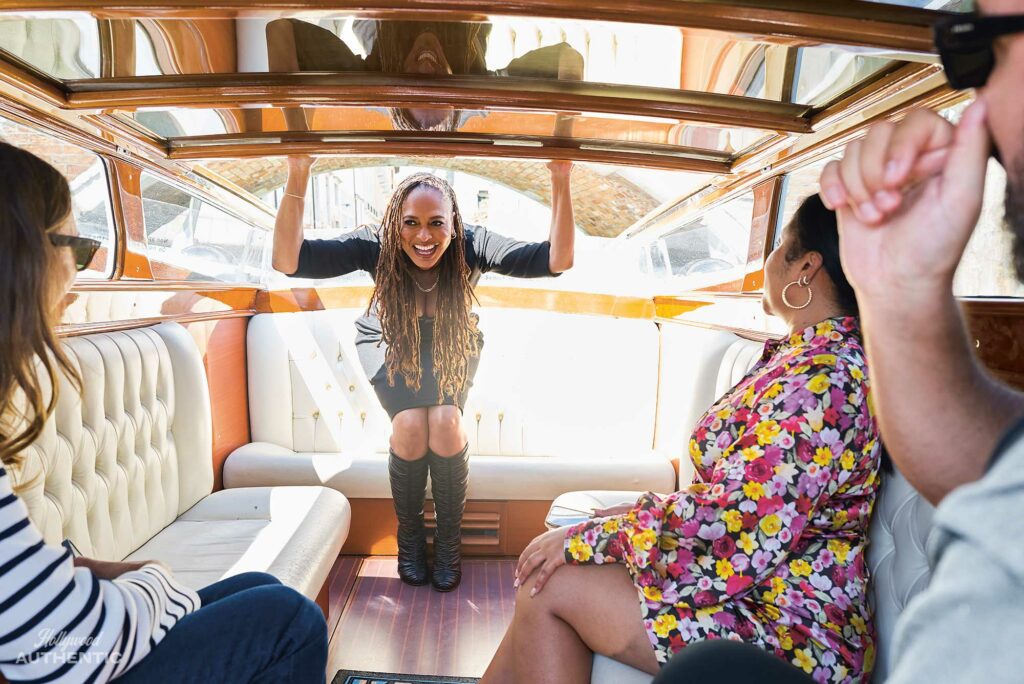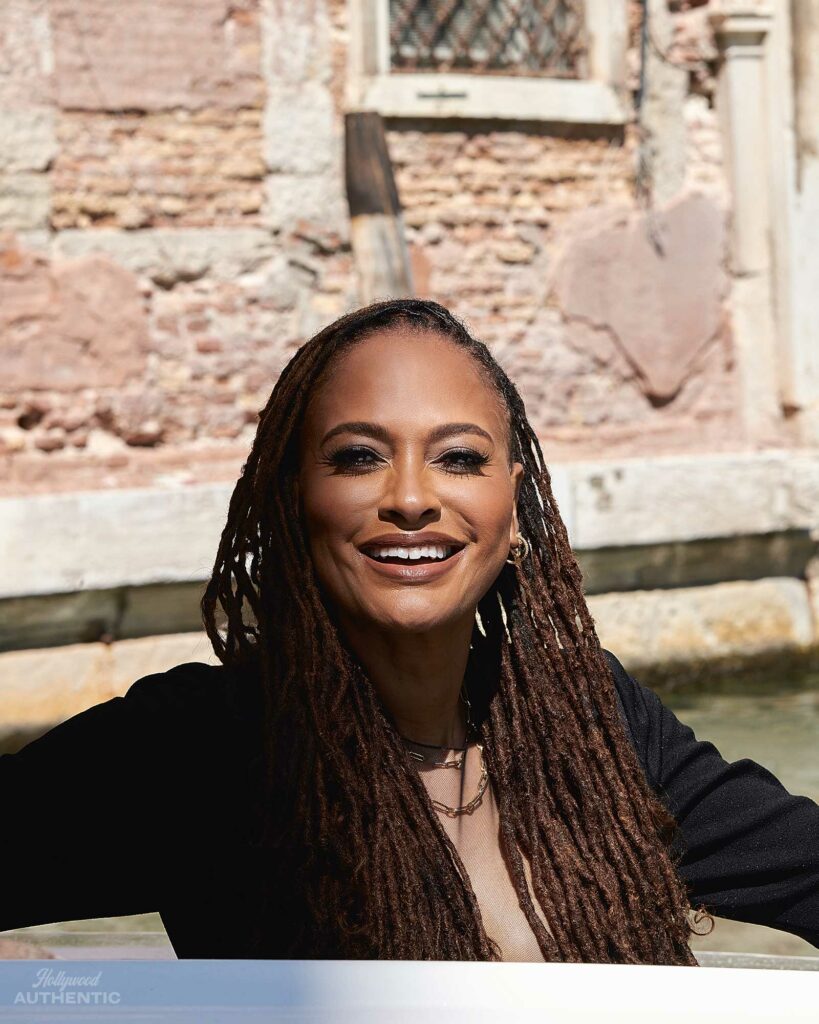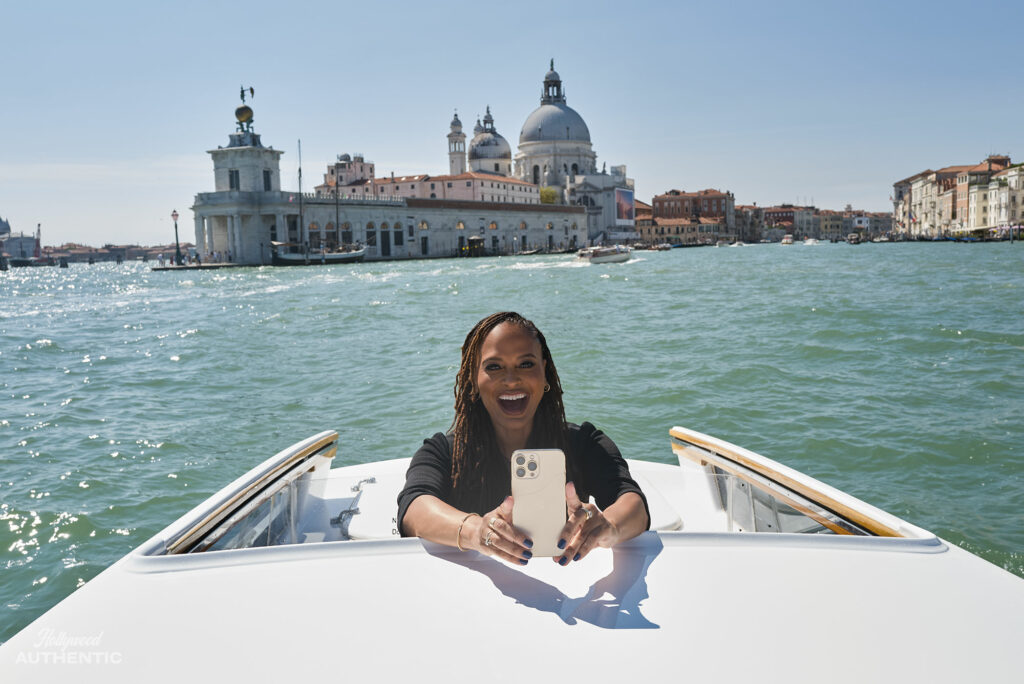

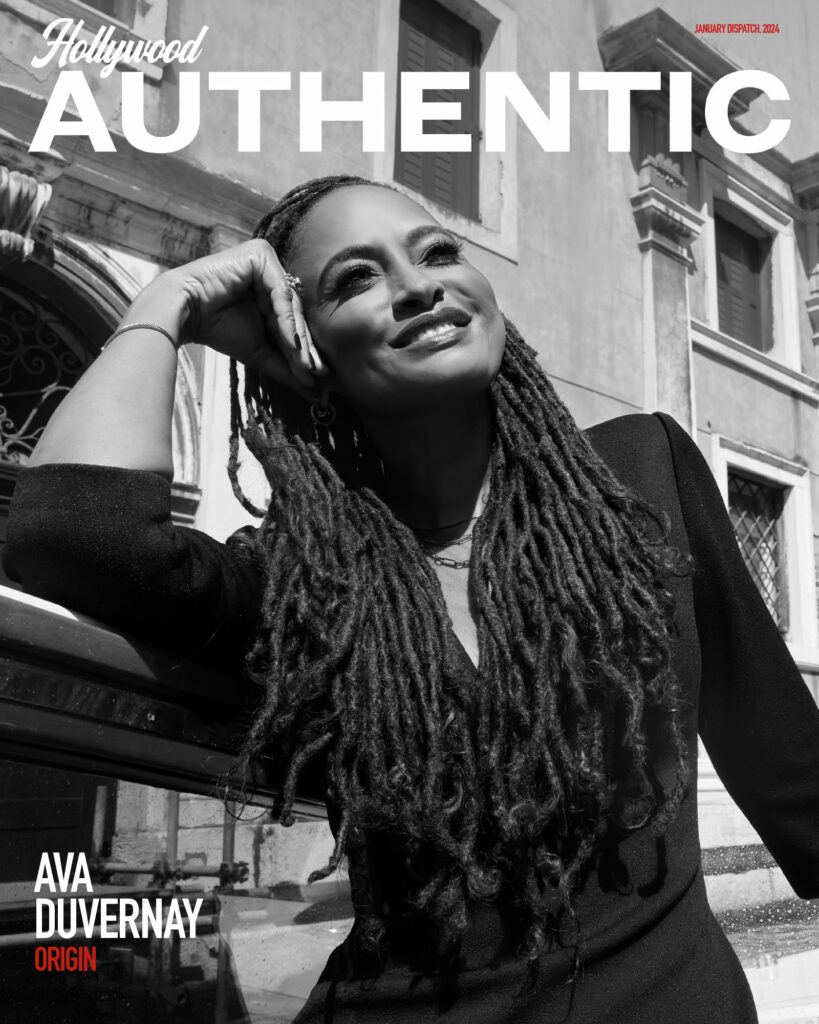
Viola Davis is no stranger to Cannes, but this is the first time she is attending as an EGOT winner.
Davis is only one of 18 people to have received the accolade – earning a recent Grammy win for the best audiobook, narration and storytelling recording for her memoir, Finding Me, follows her Emmy win for How to Get Away With Murder (2015), an Oscar for Fences (2017), and a Tony for both King Hedley II (2001) and Fences (2010).
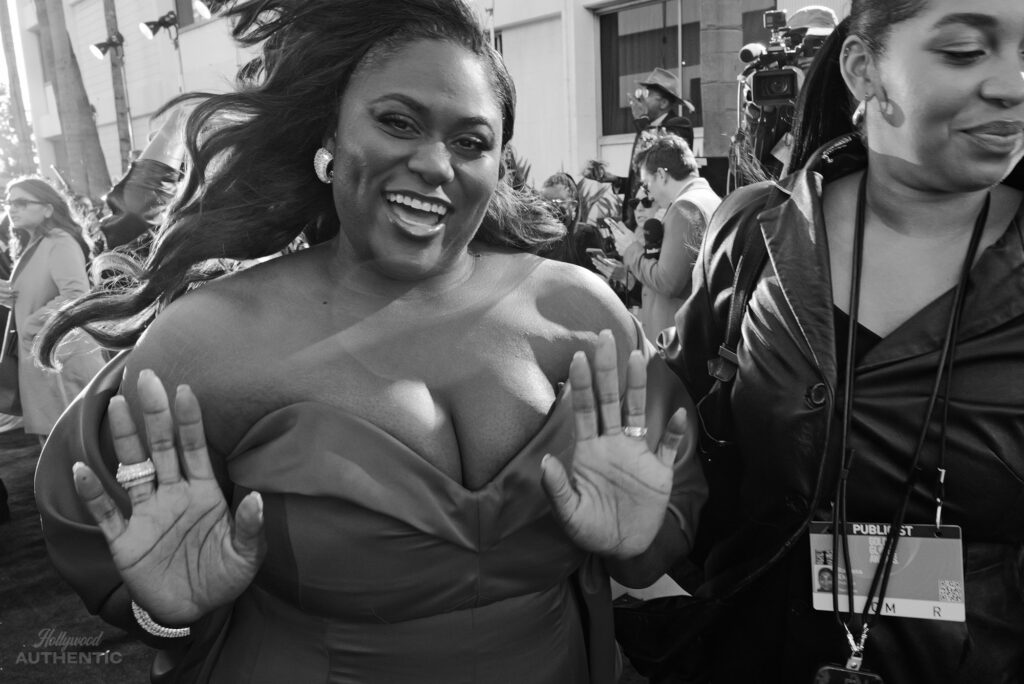
On an unusually rainy evening on the Côte d’Azur, Viola was joined by Julius Tennon – her husband of 20 years and Air co-star – to attend Hirokazu Kore-Eda’s Monster premiere at the Cannes Film Festival.
Viola’s latest role as Deloris Jordan, (Michael Jordan’s mother) in the newly-released Air, directed by Ben Affleck, tells the origin story of Nike’s legendary partnership with basketball legend, Michael Jordan. With Davis giving an outstanding performance as the woman who played a big part in moulding her son’s destiny.
Viola Davis wears a custom Valentinogownby Pier Paolo Piccioli and Chopard jewels, styled by Elizabeth Stewart, with hair by Jamika Wilson and make-up by Autumn Moultrie using L’Oréal Paris
You can call it a comeback, but as Johnny Depp tells me, “I mean, you have to have gone away to come back. I didn’t go nowhere…” It was lovely to shoot Johnny on his return to Cannes – and the first major outing in the film world since his highly publicised trial – for the world premiere of Jeanne Du Barry, directed by and co-starring French actress and filmmaker Maïwenn, which opened this year’s Cannes Film Festival.
Johnny is back in the Hollywood spotlight, and it’s a unique moment for the actor. Johnny was last at the Cannes Film Festival for the premiere of Pirates of the Caribbean: On Stranger Tides in 2011. 12 years later, being back in Cannes is somewhat of a phoenix moment for the actor, “That was a real surprise,” he says.
In the car en route to the premiere, he talked about his tight, mischief-filled friendship with Marlon Brando and what it means to him to be welcomed back at Cannes.
I’m with Brendan Fraser – Oscar nominee for his brutal, beautiful, poignant lead role as the morbidly obese Charlie in Darren Aronofsky’s The Whale. Ever since the footage of him crying during the film’s six-minute standing ovation in Venice went viral, I’ve wanted to give this man a hug.
We are in LA, a town Brendan hasn’t been around much over the past few years. He lives in upstate New York now – not quite a pariah, but he has not been headline news for a very long time. This year, though, he has come back to Hollywood. The Whale sees him in conversations about roles and major awards that he has not been in for a very long time. There is flesh to press. He has an awards campaign to run. Brendan is back, with a return to the glory days of the 1990s on the cards. Back then, he was very much the next big thing – an all-out comedy-action movie star mostly. This time? He is an Oscar-worthy actor.
I suggested we go for a drive and Brendan has brought along an interesting car. It belongs to his friend Brett. As metaphors go, the car is tough to beat. Brendan, 54, driving around LA in a ’71 Chevy pickup – it’s three years younger than he is, white with a turquoise roof. The vehicle is gorgeous, but it, also, has not been seen around town much recently.
“Oh this is so much fun!” Brendan is at the massive wheel. “Oh my God,” he gasps. “Where’s my gear stick? Here we go… I haven’t done this in a long time.” The Chevy rattles off. I think we feel safe. “Woo. You feel the road? Where’s my indicator? This baby has suspension like a shopping cart. It’s not like you can’t see it coming…”
It is also raining. It is only meant to rain 36 days a year here, but today it is pouring. Non-stop.
I’m surprised by how much trimmer he is than when I saw him just four months ago at the Venice Film Festival, the day after the premiere of The Whale.
Brendan was born in Indianapolis, Indiana in December 1968, the youngest of four boys. Their family shifted about a lot: California, Washington, Ottawa, Ontario, the Netherlands, Switzerland. But it was Hollywood where he settled, after graduating from college in 1990. He was handsome, with an inviting but unusual charisma and these amazing eyes. Back in the 1990s, they were all wide-eyed wonder and innocence – kind of his selling point to the blockbuster masses. Now, though, they are a window into his soul, still as curious, a little weary perhaps, and packed full of empathy.
We drive down Sunset Boulevard. He points out, through the rain, the Rocky and Bullwinkle statue on the corner of Holloway. “Hey Bullwinkle! Rocky! Looking good brother!” he calls with the window wound down.
Brendan’s in LA for the Critics’ Choice Awards – where the very next day after we meet, I photograph him highly emotional, gripping his award, having won for Best Actor. The part really is that much of a boon for him, and as we drive on, hitting Sunset Plaza, memories poke out that remind him just how far he has come.
“I was once splat into this piece of real estate,” he points out, recalling 1997 – the George of the Jungle year when Brendan would make his name as a sort of more buoyant Harrison Ford. A swashbuckling and suave matinée idol you would take home to meet your mother, but who, unlike Ford, would not break your heart. “It was my back and ass,” he cackles of the ginormous poster that wrapped the building. “I was in a loincloth.”
George of the Jungle, in which he played a man raised in the jungle who has to fit into Western society, came after Encino Man, in which he played a man frozen for centuries who has to fit into Western society. It must have been odd for the two biggest films of his career – before The Mummy – to parade him as a fish out of water. When I tell him George of the Jungle is a great film, one that my children adore, he shrugs and says, “It’s a piece of cinema.”
Then Brendan moves on, pointing out the Chateau Marmont, a place that he would stay at after he moved out of LA.
He gets out of the truck, the rain is still pouring and the pavement is lined with puddles. He spins a large black-and- white umbrella on the wet ground, seemingly lost in his own world. Then he is splashing in the rain, I’m humming the big song, encouraging him to mimic Gene Kelly – which he does.
In George of the Jungle, he was all pecs and muscle. In The Whale, he is so large that he is dying. He is a star in both.
By the time The Mummy 3 came out (2008), Fraser had multiple injuries from stunts – which required a lumbar laminectomy, a surgery that removes the back portion of a vertebra in the lower back. He got divorced in 2009 – from the actor Afton Smith. They have three sons. Seven years later, Fraser’s mother died. His work had effectively gone on the back burner until Aronofsky – who famously resurrected the career of Mickey Rourke with The Wrestler – came calling.
So, I say, as he climbs back into the dry of the driver’s seat, we won’t call it a comeback, but… Well, what do we call it? What is different this time? It was not as if he vanished after the rush of success he found with The Mummy – Brendan has worked consistently. But it has been a while since he had attention. “I’ve been thinking about this a lot,” he says. “And, yes, I have been off the welltrod path. Perception in Hollywood of others has the attention span of a clownfish. If you’re out of sight you’re out of mind. And Hollywood is also a heat-seeking missile – if you’ve got a signature out behind you, you will be chased. Otherwise, you do not show up on the radar. Every actor goes through a variation of that, and I haven’t been lost in the wilderness, but I probably would’ve done well to leave a trail of breadcrumbs to find my way back. But I was always still there.
“And so, I don’t know if I went away,” he continues, “or it went away from me, but when I first met Darren and read The Whale I knew it would change everything. I read it and I went, ‘OK, this is a game changer.’ I mean, it’s a big risk, as it should be. In art, you should take risks. You should go towards the danger, because that’s where growth will come from. And The Whale is ultimately about changing hearts and minds. That’s the hope. The aspiration.”
As we drive through the city Fraser talks about how, when he was in George of the Jungle, he was his own wardrobe – “I looked like a Weetabix… a walking steak which I wanted to eat but I couldn’t because my body weight would change.
“I mean, I was the archetype,” he says of his late 20s. “The iconography of male physique out in Hollywood is such that you maintain that look because it’s money. And, if that goes away, guess what else goes away? All the attention and currency attached to it. I know about this. I have been someone who lived the full spectrum of being a fit young guy who is an object of desire, and that is a standard that’s hard to keep as your body inevitably changes. It gave me body dysmorphia.”
What is amazing to me – and should be pointed out – is that while, I think, on paper this sounds like Brendan having a rant, he is absolutely not. He has that calmness that often comes with experience of life’s trials.
The city is his own museum. He talks about 1994’s Airheads, the daft, fun, rock’n’roll romp about a band who hold a radio station hostage until they play their demo tape. He points out Whiskey a Go Go, where he did “research” for Airheads. He was not, he says, a club guy then. “I was so boring – I wouldn’t go to parties; I was too busy trying to get a good sleep.” But he enjoyed going around the clubs with the Airheads lot, and that is the thing with Brendan. He has issues with the business, sure, and how it rushes in and churns people out. But he loves it. He is clearly pleased to be back.
“Oh, the Directors Guild,” he pivots. “I’ve been to many a screening there… That was a car wash. What’s going on? Oh no, all right. Not anymore. Oh jeez, I’ve been out of town for a while…”
We move on. He points out a building where he used to live, an old-style one with a little archway and balcony. It was around the time of George of the Jungle, but some of the planters he bought back in 1997 are still there. He gets out to have a look. The ceiling once fell down into the bath. It was a rickety old place and he left when the blockbuster cash came in. He strolls back to the car.
“Good to go.” He is thriving. “People have respect for this car,” he smiles. “They’re like, ‘Oh, here’s an old buddy on the road today. Be careful…’” He stops in a slight panic. “I’m not in gear. Son of a gun…” He fiddles with the stick. “There it is. How accustomed we are to all those digital screens. This is fun. Screens almost make driving too easy, too safe.”
We pass In-N-Out, California’s legendary burger chain. I ask if he was an In-N-Out man? “I was a devotee once. If I still ate that stuff, I’d say we need to get a Double-Double.”
Which brings us neatly to Charlie in The Whale. The film is part family drama and part siren call to pay much more attention to how we treat those with obesity – it is about what is inside that actually counts and what caused the pain that leads one to become obese. Casually, I say that I think the fat suit he wears for the role is remarkable.
“With respect,” he interrupts. “I got to stop you. You’ll never hear me call it a fat suit.” I apologise, head hung; I am a chunky 260lb myself and immediately the penny drops. He remains gracious. “That terminology is prevalent in the world – it’s how we speak, and we haven’t yet assigned new names to words that we can retire. And the way we refer to people who live in obesity should be amended, because that kind of prejudice is the last shelter or domain of bigotry that we still give a pass to. That is not necessary, because we all know better than to treat one another with disdain for how we present to the world. Slim or large-bodied people – I’ve been both – so I have a frame of reference.
“People who live with extreme obesity all say someone in their youth, when they were very small, spoke to them in a way that was recriminating. The mean words find a home in their psyche and their neurology forms around that. There are real health consequences as a result. It is not fair that the permeating attitude is that being complacent or lazy is a cause of the state of your body mass index. I mean, there’s science to back this up.”
He pulls over next to the now permanently closed ArcLight on Sunset. This subject is his passion, and he is a little feisty now; he clearly cares.
He spent time in obesity clinics to prepare for the part.
As we sit by the side of the road, with sodden car after soaked truck skirting past, he stares out the front into the middle distance. A twinkle of a smile from the old movies is still there, but Brendan is burdened and flawed much like all of us.
We get out and I take some photos against the stark white boards that now cover the cinema’s frontage. The rain is kicking up a level. “I just remembered,” he laughs. “I’m from Seattle. This is good.” Then, a little later, “Yeah. We’re getting soaked.” The returning actor, the veteran car, the unusual rain, even the boarded-up iconic Cinerama Dome, all complement the day’s narrative. He’s been away a long time and it’s clear a lot has changed.
He is sad about the ArcLight. He wants to get people away from streaming devices and back to the cinemas. He thinks of the magic of Star Wars – queuing around the block. He first saw Star Wars in London, on a family trip, and he enjoys diversions in our conversation like this. He tells me how he fell in love with London, and how there was a time he wanted to speak in a British accent, and wonders whether that, possibly, led to him wanting to do funny voices as characters in the movies.
The rain intensifies and we get back into the Chevy. The windows steam up and the truck feels increasingly like a cocoon. It feels very private.
I note that he has lost a lot of weight since I last saw him, in Venice when he received that memorable standing ovation. Is that because he is a happier man, or because he thought he should as part of this year’s awards campaign?
“Well, more on one and less on two,” he says. “I never gave myself a hard time for whatever weight I was – there are plenty of other people in the world to do that for me, and I know a lot about that shit. Plastered across every British skuzz tabloid, I said skuzz tabloid, who make money from snapping people when they have a reasonable expectation of privacy on the beach with their kids, so they can sell their fucking rag.”
We are approaching the end stretch and head for his hotel. Brendan has a Zoom he needs to get back for.
Could he, I ask, have made The Whale without experiencing the difficult years that he did? “Hell no,” he says without pause. “The fuel that makes that engine go is love. I know what that is now. I know how deeply I love my kids.
“[My character] Charlie is a recluse. He retreated into himself with dire consequences. He’s lonely. He misses his partner. He misses what his life could have been. And the secret superpower Charlie has, is he can see the good in others, when they can’t see that in themselves…
“And I’ve certainly known people like that,” he continues, smiling. “There are people who I’ve met who aren’t with us anymore, without whom this role would not have been possible for me to perform. If I’d not felt like there’s somebody out there with a bigger brain who’s always in my corner and who I can ask any question to. And now, when those people are gone. And some are gone from my life now. Well, I’m realising now, aged 54, that it’s my turn to be that guy. I’ve got to step up now. You know, I have three kids, and they’re really fine young men, and I don’t worry about them when I am gone, but I do want them to uphold those principles.”
We pull up to his hotel. The locks on the Chevy doors are stuck. We try, but it is impossible to shift them. He’s on the phone now, “Hey, can you ask Brett to come down?” He’s dangerously close to missing his Zoom. “Funnily enough, we are locked in the car.” And there we are, prisoners of the Chevy. And that could stress someone out.
Once again, he’s incredibly gracious. I have read that random people come up to Brendan and tell him their troubles. I wonder, does he, like Charlie perhaps, also see the good in others they can’t see in themselves. I ask: why does he think people feel they can open up to him. “I don’t know. Maybe because they feel they know me. It’s either that or my wide-set eyes.”
I’m not having that; I explain that it seems to me that he’s an incredibly empathetic person, and empathetic people often get that. Is that fair? And all of a sudden, there is George of the Jungle talking in his trademark style: “I like this thought – thank you for that.”
The Whale, for which Brendan Fraser earned his first Oscar nomination for Best Actor, is out now
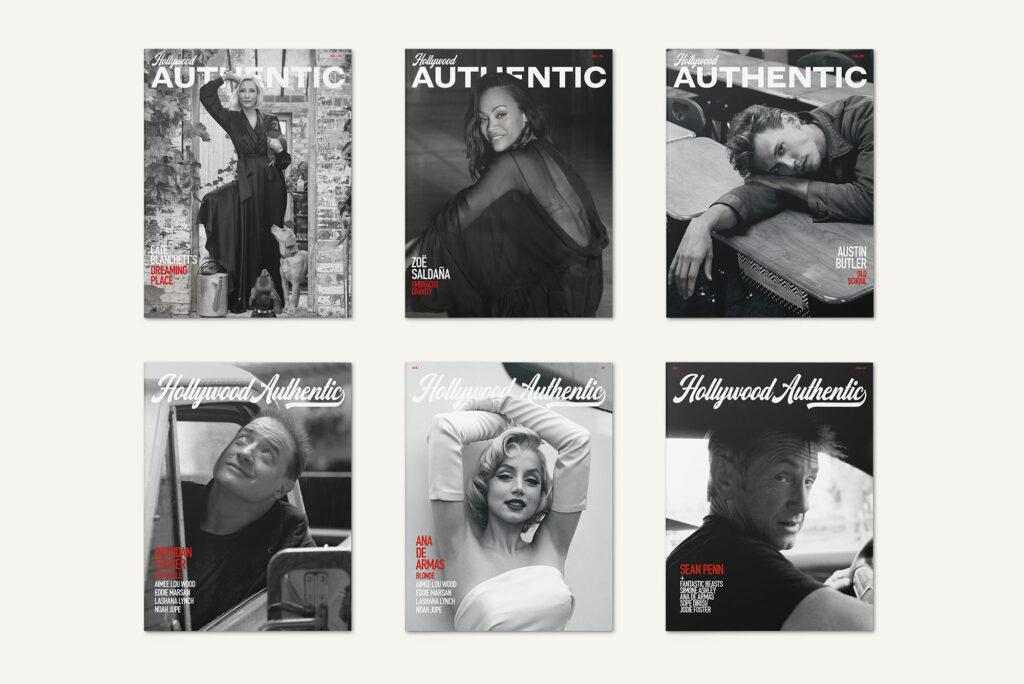
For those of you who have been following us on the journey that is Hollywood Authentic, you may notice some changes to this, the third issue. Principally, how we have gone big on the cover story – 16 pages big, to be exact. Hollywood Authentic is constantly evolving, and now you will start to find much more online at hollywoodauthentic.com, where I share videos, audio and update you more regularly on what we’re up to.
The printed magazine is therefore becoming more and more of what I always wanted it to be: an opportunity to create the kind of features on actors that inspired me when I first got into photography and were found in the pages of magazines like Life back in the day. The task, then, was to spend time with the artists and give readers a rare insight into the kind of people they really were, the type of insight that only comes if you break away from predictable, organised press access and instead get to do real stuff with these real people.
The response we have had to the first two editions of the magazine has been great. It seems that readers and industry insiders alike recognise that we are trying to create something different here. One studio executive went so far as to tell me, ‘Hollywood needs this’, by which I took him to mean that fans of film need to be reminded that the movie industry is made up of talented, complex, interesting, creative artists rather than “celebrities”.
One man who knows all about talent and complexity is this issue’s cover star, Brendan Fraser, Oscar-nominated for his extraordinary performance in The Whale, a powerful redemption story. Brendan’s own tale could in many ways be similarly described. From the early years when he spent much of his time wearing a loin cloth, he became a huge star and then gradually slowed down making movies. The reasons for his absence from our screens are what we discuss in the feature. And the way back he has found.
I asked Brendan to drive me around Los Angeles as a way of getting to know him, and he took me in a ’71 Chevy truck to some illuminating places, including the old Cinerama Dome on Sunset Boulevard. It was raining, and the closed-down movie theatre proved quite the metaphor. We discussed struggles with body shape, big and small. Earlier this month, the internet rushed to support Sam Smith after trolls tried to shame them for their size. Perhaps Brendan’s role in The Whale will help to usher in a new perspective on body image. It feels like a pivotal moment to me.
If Brendan is emerging back into the limelight, then Thuso Mbedu is just starting out on her career and shining brightly after starring in The Underground Railroad and The Woman King. She is utterly extraordinary in both. In our new slot “The Breakfast Club”, we meet over a bowl of cereal to discuss the higher purpose that drives her forward.
How important is a little bit of nonsense now and then to you? A daily necessity for the sake of sanity.
What, if anything, makes you believe in magic? Every show at The Magic Castle in LA – especially the magician with the lemons. You’re dressed to the nines yet feeling like a total kid, watching wide-eyed in giddy wonder. It’s pure joy.
What was your last act of true cowardice? Every time that someone rings me unexpectedly and I have to psych myself up to call back.
What single thing do you miss most when you’re away from home? British cynicism.
Do you have any odd habits or rituals? I don’t think I do. Or, if I do, I’m not aware that they’re odd.
What is your party trick? I’m always disappointed to say I don’t have one… I used to showcase how I can turn my thumbs back to front, but then decided to stop advertising that.
What is your mantra? ‘Feel the fear and do it anyway.’
What is your favourite smell? Those caramelised nut carts on New York City street corners.
What do you always carry with you? A book, mints and a miniature perfume bottle.
What is your guilty pleasure? Gogglebox. Though I barely feel guilty about it, it’s a great show.
Who is the silliest person you know? Our mutual friend Raymond Root. They don’t make ’em much sillier.
What would be your least favourite way to die? Naked.
From silver screen to TV hits, Lucy Boynton has crafted a CV that’s anything but obvious. She can currently be seen in Netflix’s well-received gothic mystery The Pale Blue Eye (based on the book by Louis Bayard), where an 1830s detective crosses paths with Edgar Allan Poe. Her co-stars include Christian Bale and Gillian Anderson. Recent turns in The Ipcress File, Why Didn’t They Ask Evans? and soon Chevalier (as Marie Antoinette) speak to her hectic schedule.
*Arguably one of the most memorable (and quotable) scenes in 1971’s Willy Wonka & the Chocolate Factory is when Mr Salt mumbles, ‘It’s a lot of nonsense,’ to which Wonka replies, in a sing-song voice, ‘A little nonsense now and then is relished by the wisest men.’
There is a map of the world on the wall of Thuso Mbedu’s apartment in the San Fernando Valley, the sprawling satellite suburb that lies to the northwest of the Los Angeles mothership. Written in large, cursive script at the bottom of the poster is the phrase “She’s going places”. A handful of dots are scattered across the representation of the globe, indicating cities and countries that the actor has visited since she moved to the valley in 2020. But, she assures me, the picture is incomplete – she still has to add Utah (Sundance Film Festival), Zurich (movie promotional work), Dubai and Singapore (Christmas/New Year holidays), with – upcoming – Milan and Paris (fashion shows), Seoul, Tokyo and Shanghai (birthday celebrations). She will be 32 this year, although that is hard to believe, given she plays late-teens so convincingly.
Thuso is certainly going places, but what the wallchart can’t really illustrate is just how far she has come in a relatively short time. I am in her apartment to talk about that journey from Pietermaritzburg, a city about 45 minutes from Durban (“Although that depends on who’s driving,” she laughs) to Hollywood’s top table, thanks to a brace of remarkable performances in Amazon’s The Underground Railroad and subsequently, The Woman King, with Viola Davis. There’s a lot to talk about. But first, breakfast.
Here’s the thing, though. Thuso doesn’t really do breakfast. “I have cereal,” she offers. “I find it gives me energy to go and work out. Otherwise, I’ll just grab a banana. I usually have Raisin Bran Crunch, because I’ve got a weird digestive system, so I need to have the bran and the fibre or whatever.”
I don’t usually eat cereal. Or drink cow’s milk. But it is Thuso’s breakfast we are here for, not mine. Then: “And I’m lactose-intolerant. So, it’s oat milk with cereal. Is that OK?” It is. “Although I will sometimes order in an omelette. I love omelettes.”
As Thuso pours us oversize bowls (next to her slender frame anyway) of Raisin Bran, I speculate that the fact she has omelettes delivered suggests she is not much of a hob botherer. “I love food. But hate cooking. I tell people they can come and stay in the spare room, but don’t expect me to look after you. I love the kitchen in my apartment, but mainly because it has great light for selfies.”
So, I ask, if she doesn’t make much use of the oven or hob, what’s in the fridge? She laughs, half embarrassed. “Water. Lots of water.”
So, there is. Plus, half a red onion, which remains a mystery. The water is all Essentia brand. Is that significant? “Yes! Because when I first arrived in America, I thought all the water was disgusting. And then one day our costume department head for The Underground Railroad was, like, ‘Oh, would you like some Essentia?’ So, I had a sip. And it was, like, ‘Oh my gosh, this reminds me of home.’ It was the best-tasting water I ever had. All the South Africans know that when they come to America, they need to get Essentia water, because that’s the water that they’ll enjoy, just like home.” Home, as we shall see, is all-important in appreciating Thuso’s back story. Everything circles round to South Africa and family – or lack of it. In The Woman King, Thuso’s character, Nawi, the wannabe Agojie warrior, tells Viola Davis’s Nanisca that she, too, has suffered in life. This actor didn’t have to dig too deep for that.
“My sister and I lost our mother to a brain tumour when I was four years old. And we didn’t have much of a relationship with our father. He was never in our lives. And so, our grandmother raised us. She was super strict.” Thuso screws her thumbs into the tabletop to press the point home. “Super, super strict, because her second husband – our grandfather had passed away – her second husband was the first black bishop in South Africa. So, we grew up under that – ‘This is so-and-so’s household, you will not misbehave.’ It was scary.”
She had an older sister, though, for support. She laughs, but there is a rueful undertone to it. “I think growing up, between my sister and myself, I was the quieter of the two. I was the more observational one. I guess to some extent the more sensitive of the two as well. And the shy one. My sister was the more extroverted one. We were told that people liked her more. So, I had to accept that that meant people didn’t like me, which was a lonely existence.”
I ask how such a morally conventional and heavily religious family felt about her choice of an acting career. “My mother had wanted to be a geologist. That was her heart, that was her interest. But because the [apartheid] system didn’t allow it, she became a teacher who taught maths, sciences and geography. Under that system, you could become a teacher or a nurse. My grandmother was actually a high-school principal. But we were the first generation who had the option to be doctors or to be whatever it is that we wanted to be. And that was expected of me. And then I chose the arts, which made absolutely no sense to anyone at home.” Another burst of laughter, but this is one of genuine joy, because, of course, things have gone rather well for her.
“Yes, but having told her that I didn’t see myself in an office or a lab coat doing a nine to five, my grandmother didn’t talk to me for about a month, because she really believed that I wouldn’t be there for the family.”
Her eyes widen to emphasise the importance of her next statement. “But our grandmother did a very good job raising us, as hard as it was.” And, obviously, her grandmother is where her drive comes from. “Yes, yes. And my sister and I are super, super close now, especially since our grandmother passed away the year after I finished university and we realised we only have each other in this world.”
That flash of her eyes reminds me of how much she can convey non-verbally. In a review of director Barry Jenkins harrowing, hallucinatory but essential The Underground Railroad, The New York Times said, “Mbedu’s magnetic performance relies as much on gesture and expression as dialogue, her every sign, flinch and defence conveying the muscle memory of terror.” Where, I ask her, does that capacity for mute communication come from?
“I think it’s because of the way I grew up. I’m a person who spends a lot of her time in her head. I think it’s allowing whatever the character’s thought process is to actually happen in real time. Instead of imposing, ‘Oh, she should be feeling like this right now,’ let it happen. And then, as a human being, your face will adjust accordingly.”
That trust in her ability to reflect inner turmoil or joy has served her well. After success in her homeland, particularly from her International Emmy-winning portrayal of Winnie in the teen drama Is’thunzi, she was given the opportunity to display her craft on an international stage, and she grabbed it with both hands and all her heart. Her performances as Cora, the escaped slave in The Underground Railroad, and Nawi, the kick-ass fighter in The Woman King, demonstrated that extraordinary gift for externalising the internal without resorting to dialogue or exposition.
Thuso clearly had to train hard for the latter role and, as we move to her compact gym and she demonstrates the hi-tech treadmill (“My favourite”) and her boxing skills, she explains that she has kept up the demanding physical regime from The Woman King. “I work out with Gabriela Mclain, who was our trainer and nutritionist for the movie, between four and six times a week, depending on the schedule. Obviously, you have to stop when you do press for the movie, but I’m getting back into it now. And then we did different types of martial arts. So, at some point I went and got myself this bag so I could box. Now, I want to go back to Muay Thai as well, because I started that for the movie.”
Is the physical side just part of her discipline as an actor? “I spoke with Danny Hernandez, our stunt coordinator, who knows that I did fall in love with [the training]. He was just, like, ‘Keep going,’ so that I am ready for the next project, so that I don’t feel like I have to start from zero again when the next opportunity arrives.”
So, what is the next opportunity? Because it must be a very exciting time to be Thuso Mbedu. It’s hard to believe the phone ever stops ringing. “It is exciting,” she agrees. “I’m also in a space where, again, I’m getting opportunities that I wouldn’t have gotten in the past, having conversations with the different studios. Not only are they, like, ‘Oh, we’ve got these types of project that you could fit in,’ they’re also asking, ‘What would you like to develop?’ And that’s where my mind is. Hence, reading up on different things, putting ideas to paper.”
This reading up on different things includes researching the techniques of anime, manga and American comic books – she is keen to write an anime script, having been a huge fan of Dragon Ball Z while growing up in South Africa. (Show time coincided with afternoon prayers, so she and her sister would alter the living-room wall clock to make sure devotions would be over by the time that afternoon’s episode began.) She is also learning Korean for her birthday travels. “The heads-up was that they don’t speak as much English as you might expect in Seoul, so I thought I’d learn some of the language. And it is kicking my bum.”
Also on her slate is a new deal with Paramount+ to create shows with a message – albeit not as preachy as that sounds – which will be the direct descendant of MTV Shuga, a Pan-African series she acted in, which tackled tough themes, such as living with AIDS and gender identity. “The new deal is about creating stories that will educate people in Africa, sub-Saharan Africa and South Africa about climate, health and equality. And so, it can be a documentary, it can be a film, it can be a series. And they liked the ideas that we had given them, and so the next step is to develop it.”
It is interesting that, rather than looking for the next blockbuster, Thuso is keen on ploughing some of her good fortune back into her homeland and beyond. Where did this drive to serve come from? “I think at some point in high school, it was a case of knowing that my life could have turned out completely differently, had it not been for our grandmother. And so, I had the conviction that I should be that for someone else, even if it’s just one person. And so now I’m, like, OK, how do I use the gifts and the talents that I have to help someone else?”
So, is this where the plan to help fund an orphanage comes from – an idea I have heard she has talked about? “It is. I really believe that I’m on planet Earth to help those who do not have, to help enrich their lives in different ways that could literally be just me being there with them, listening to what they have to say to me, aiding financially, physically. And, yeah, I think that is my ultimate purpose. But before we even get to the orphanage, I want to actively try and find bursaries and scholarships for kids that can’t afford to go to school and have people fund them. The orphanage is my ultimate, ultimate, ultimate, in terms of changing lives. And then volunteering as well, so that by the time we are able to make the orphanage, it’s not a completely foreign experience to me. In the past when I was in South Africa, I’d volunteer at different orphanages to just come hang out with the kids a little bit, which was also scary for me because growing up, being super shy as I am, I always thought kids don’t like me.”
Given she has such an obviously fun and generous personality – as well as a whole arsenal of infectious laughs to call upon – I suggest that this is hard to believe. She shrugs. “I was told they didn’t like me, so I thought it was true. As a result, going into spaces where I have to interact with kids, I’m, like, ‘Are they going to like me? Am I going to make them cry?’ or whatever. But it’s been beautiful. And, of course, I have my first niece, my favourite person. She’s a kid who really likes me, and I get so surprised every time. I’m just, like, ‘Wow, she still likes me. Oh my gosh.’ It makes me so happy.”
It turns out Thuso has a whole “Wall of Happiness” – which is exactly that, a collage of beaming Thuso Mbedus with various friends, co-workers and family (including sister and niece) and at shoots for the likes of The Hollywood Reporter. “It’s random moments in my life. I know what is happening on the day in each picture and what about it brought me joy. Yeah.”
After we say goodbye and I am sitting in an Uber taking me back to LA proper, I realise something about the past few hours, an impression that has been forming throughout the morning. Although I have been invited into Thuso’s home, the place is low on creature comforts and high on practicality. The house seems to be entirely organised for the purpose of completing Thuso’s life mission: books for current projects, books for future projects, press photos, a trophy cabinet full of awards for her performance in The Underground Railroad, bottles of water, a desk and a gym. It all has a function. This is mission control for someone who has a plan. Put simply, Thuso Mbedu wants to change the world.
The Underground Railroad is available now on Amazon Prime Video; The Woman King is in cinemas now