


Photographs MARK READ
Words by JANE CROWTHER
The so-called ‘playground of the rich and famous’ just 26 miles from LA, Catalina has long had Hollywood links as a movie location and star vacation destination. Hollywood Authentic visits the jewel in the crown of this bountiful channel island, the Catalina Casino.
Chewing gum magnate and Chicago millionaire William Wrigley Jr wasn’t the first person to transform the island of Catalina. Native Americans had long lived on the mountainous land before Europeans discovered it in 1542 when Juan Rodríguez Cabrillo sailed past. Mexico had owned it before it became American in a land grant deal in 1846, the Banning brothers bought it in 1891 hoping to make a resort, while silent movies such as DW Griffith’s 1912 Man’s Genesis had used it as an exotic background. But Wrigley had the vision and the investment nous to make the balmy spot SSW of LA as whimsical and compelling as any of the numerous movies that had already begun to use its tropical aesthetic as a film location.
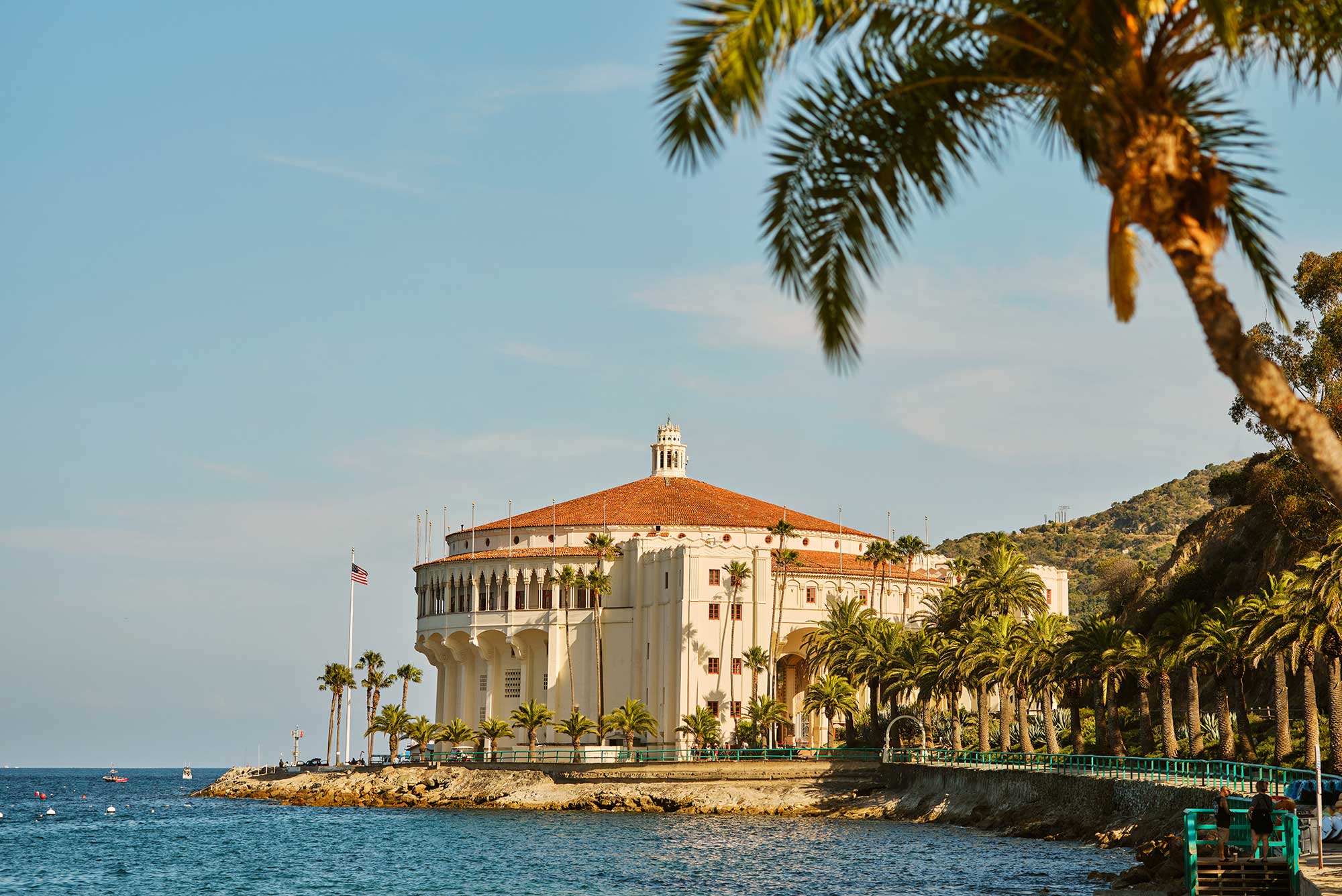
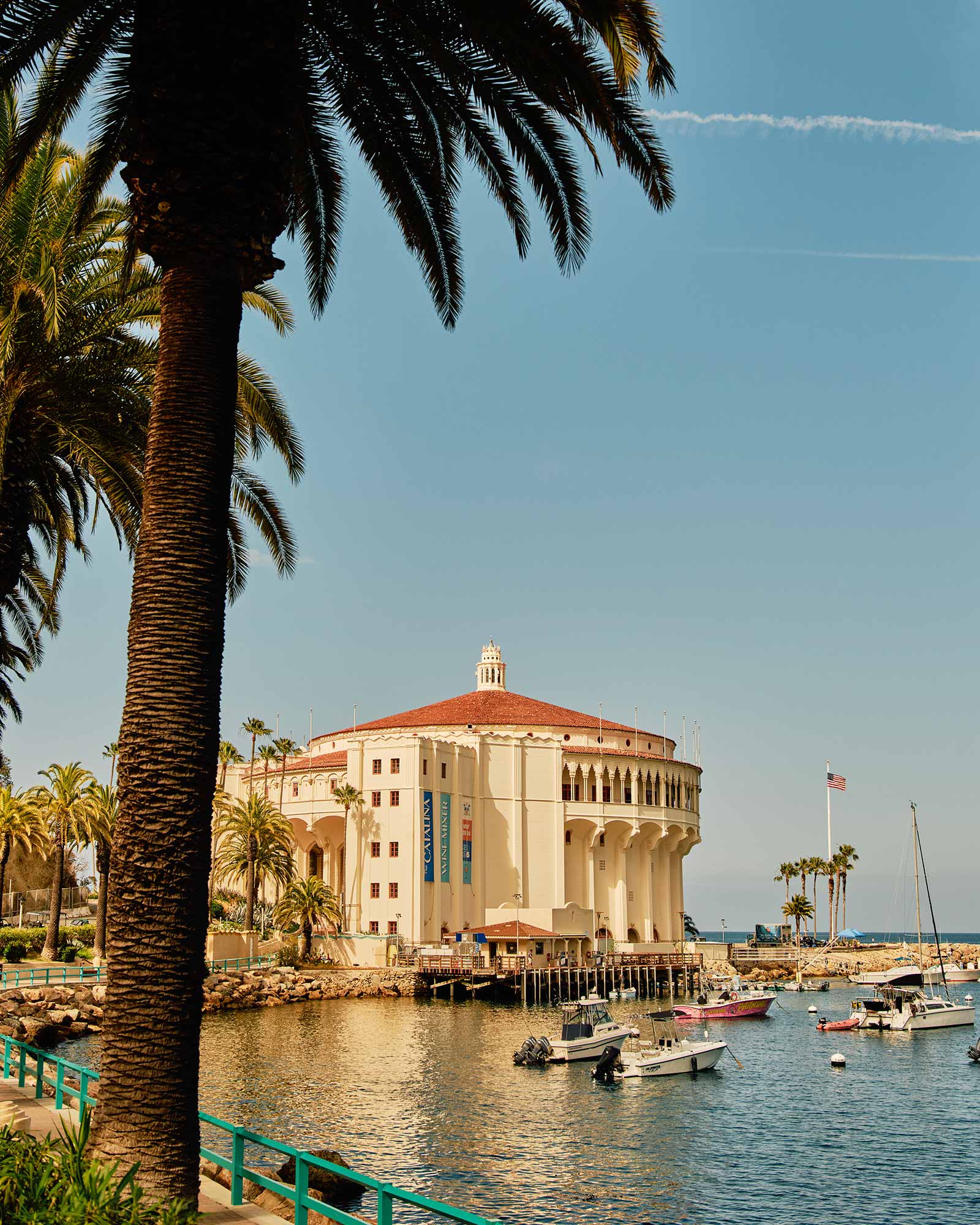
In 1919 he bought controlling shares in the island and declared that the spot would be ‘an island utopia in a modern, busy, everyday world. A land where there are neither rich nor poor. A heaven on Earth – without a fence around it’. Wrigley built better infrastructure including the casino (meaning ‘gathering place’ rather than gambling den) at the mouth of the Avalon bay on Sugarloaf Point, a 1920-built octagonal white building that would greet all visitors who arrived by steamer boat across the San Pedro channel. By 1921 his baseball team, the Chicago Cubs, were making the island their spring training ground and in 1929, the casino was replaced by a new structure replete with a circular, cantilevered ballroom and a purpose-built cinema for ‘talkies’. This fairytale tower became a symbol of the island’s lure: a transportive world away from LA where entertainment was still key.
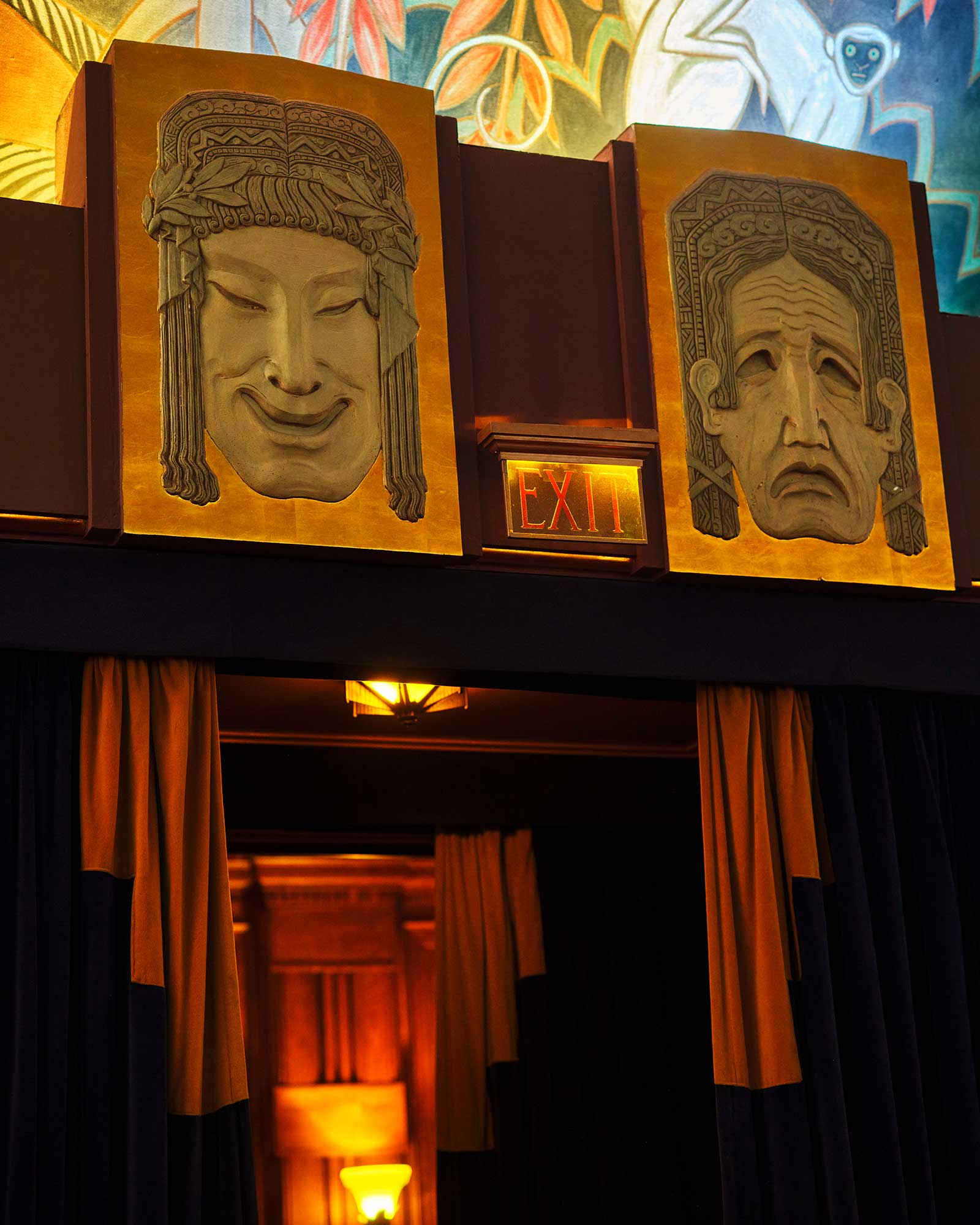
Wrigley Jr had his own private screening room built high above the auditorium so he could entertain in style on movie nights, but sitting in the ‘cheap seats’ is no less of a treat. It’s said that Norma Jean Baker often spent her evenings here watching the silver screen – and likely dreaming of playing her own part in Hollywood across the water
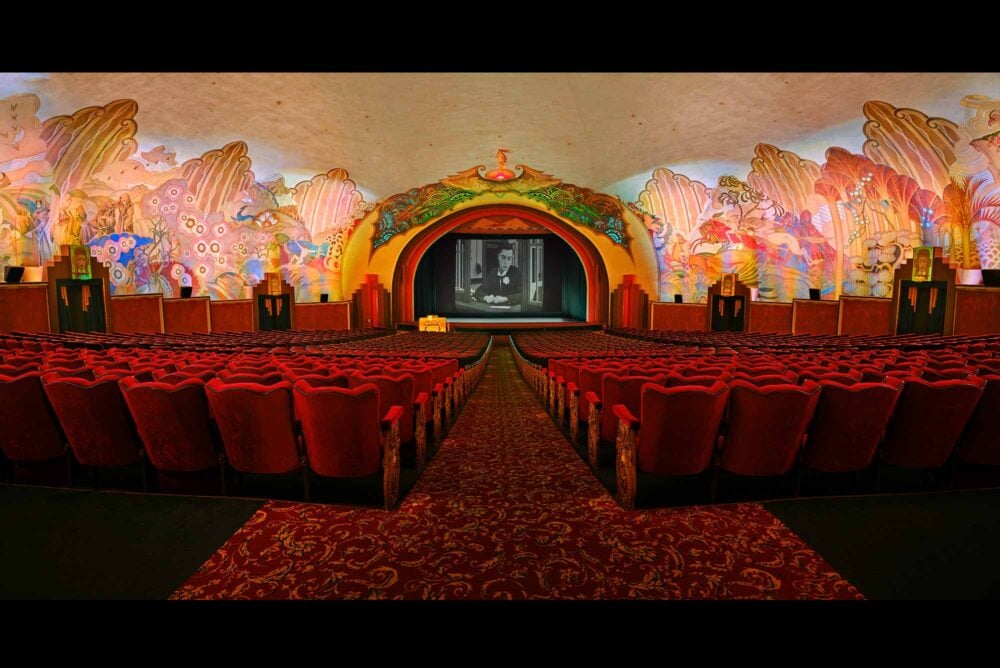
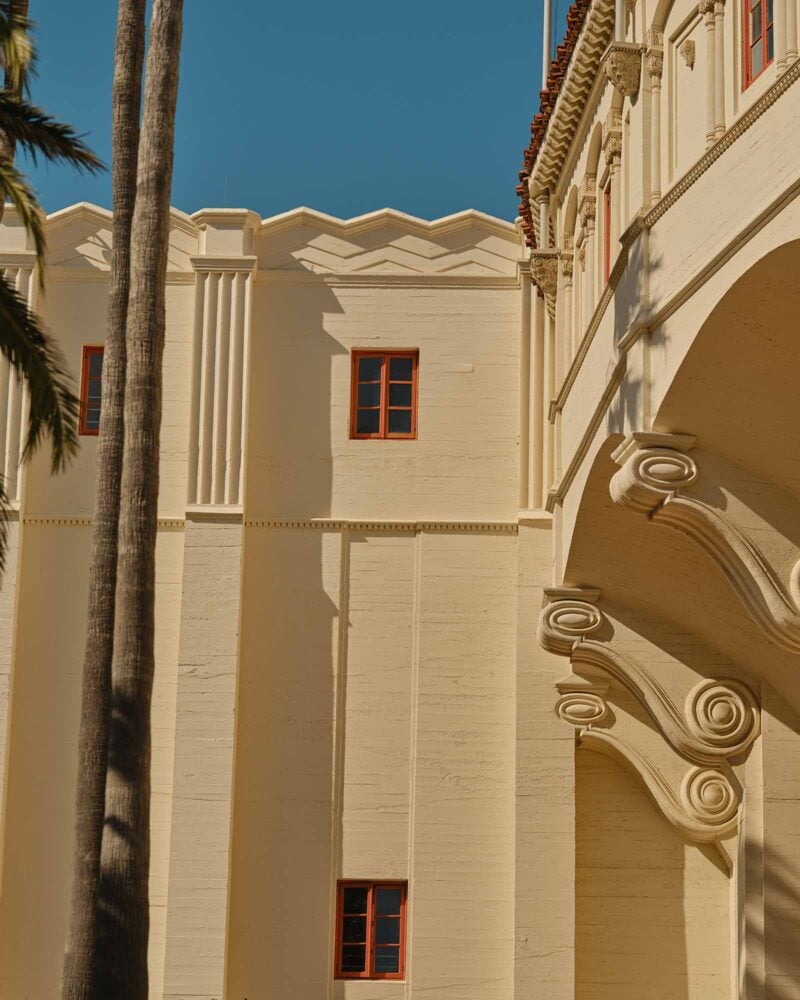
Wrigley enticed Hollywood across the sea for filming (one production, thought to be the 1925 silent The Thundering Herd, introduced a herd of bison to the island and the animals’ descendants now roam the land) and into his casino. Famed movie production designer John Gabriel Beckman created the stunning murals that still decorate the movie theatre – as he had previously done at Mann’s Chinese Theatre – and Hollywood stars contracted to studios began to visit along with studio heads, such as Louis B. Mayer and Samuel Goldwyn, wanting to screen their unfinished movies out of town. Designed with nods to the Moorish Alhambra and Mediterranean Revival style by architects Sumner Spaulding and Walter Webber, the casino opened in May 1929 with interior ramps said to be inspired by Wrigley Field (the Cubs’ ballpark), a seven-layered (including one of cork) ballroom dance floor, a cinema curtain in 14-carat gold thread and a Prohibition-era soda fountain. Upstairs, the Maurice Menge band opened the ballroom, downstairs Douglas Fairbanks Jr’s The Iron Mask was the inaugural film in the movie theatre, accompanied by the largest Page organ in the world.
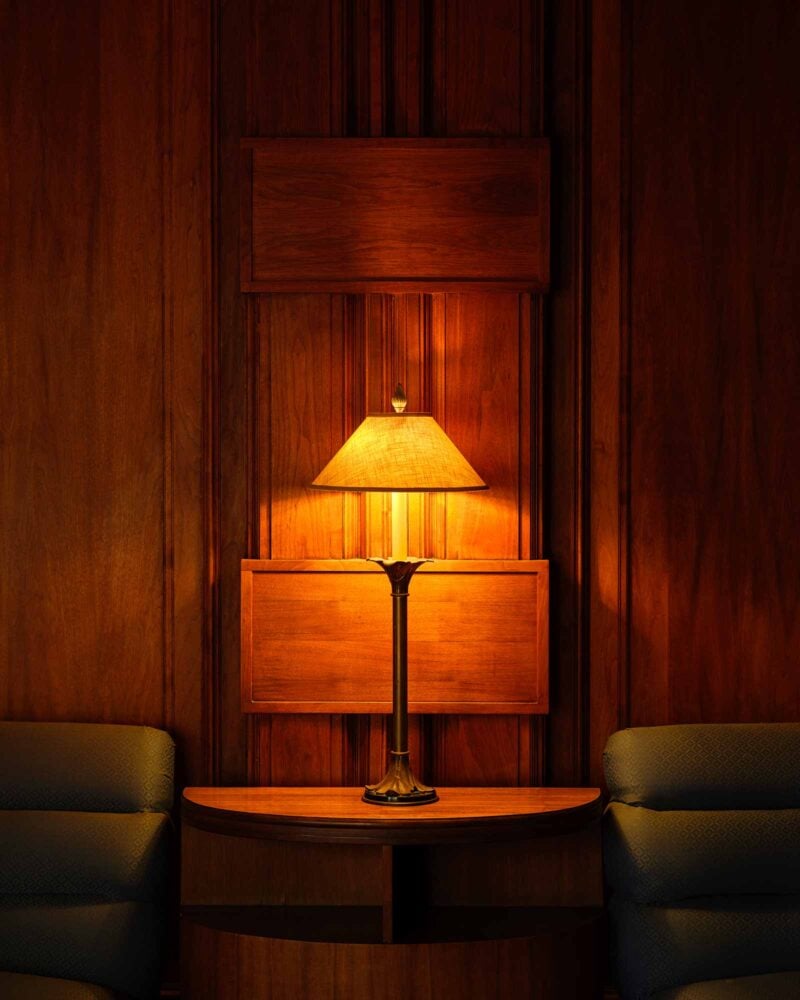
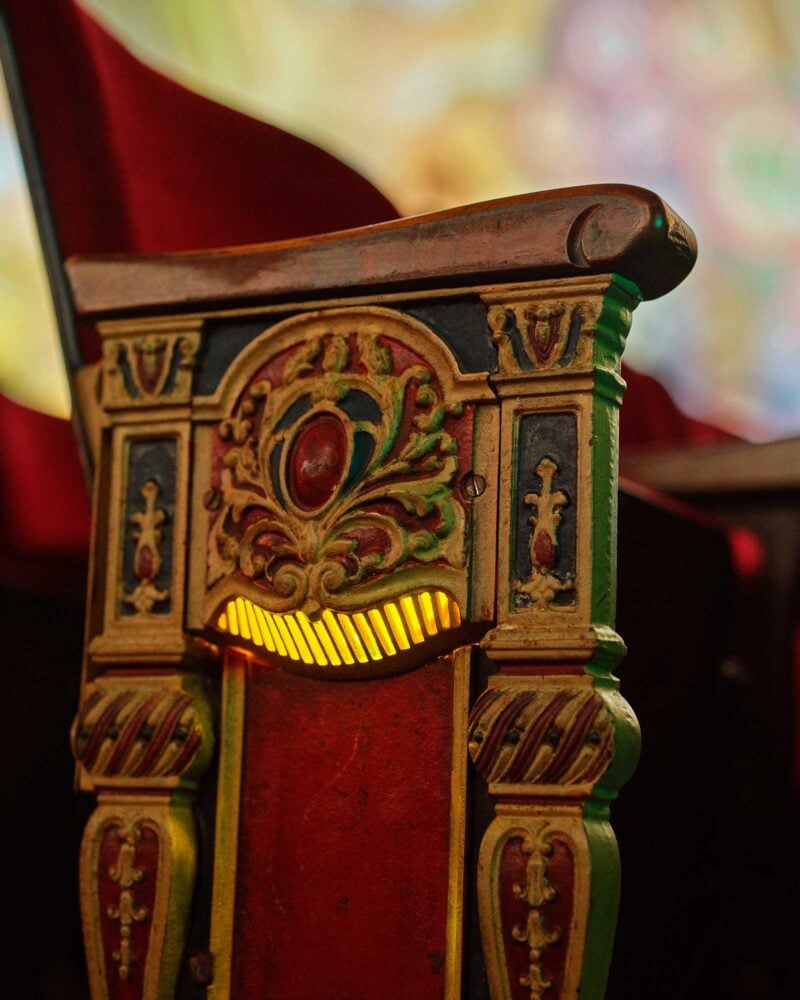
Hollywood came to call. Charlie Chaplin and Paulette Goddard vacationed here, as did Errol Flynn, Bogie and Bacall, Elizabeth Taylor and Eddie Fisher, a teenage Norma Jean Baker before she became Monroe, Marlon Brando, Robert Wagner and Natalie Wood (who notoriously drowned after falling from her boat at Two Harbors). Films such as ’30s classics Captain Blood, Mutiny on the Bounty and Captains Courageous lensed on the island, followed by Jaws, Around the World in 80 Days, The Glass Bottom Boat and Chinatown (Jake steps off the boat in front of the Catalina Island Yacht Club with the casino looming behind him). During the studio system, stars contracted to stay within the Thirty-Mile Zone of their studio could still get a taste of far-flung travel with a jaunt to Catalina (comfortably within the allowed radius). And more recently, Step Brothers created the spoof ‘Catalina Wine Mixer’, but demand from movie fans was so great that the island now hosts a real annual event that regularly sells out.
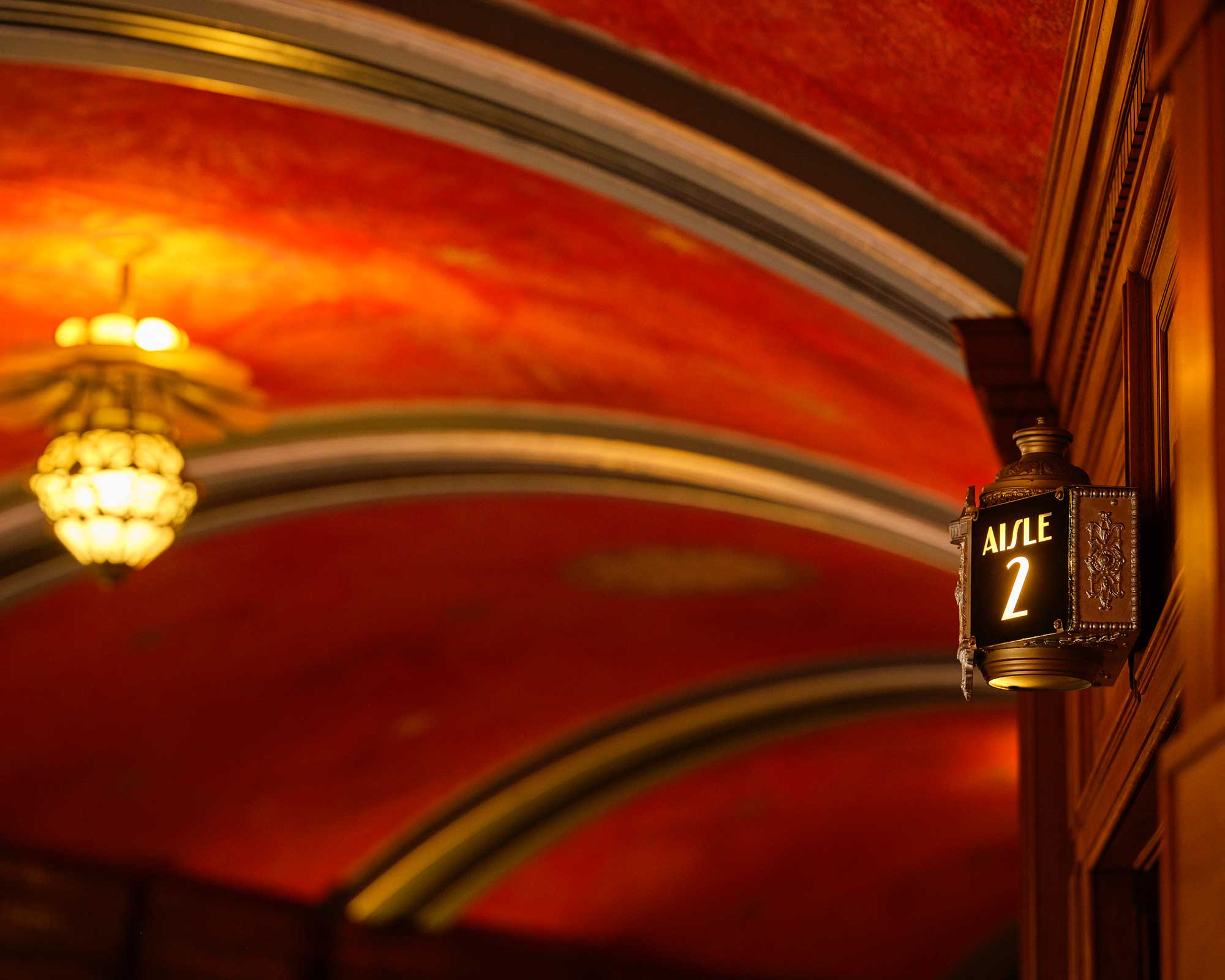
While many grand palaces built during Wrigley Jr’s era succumbed to modernisation, wrecking ball or changing hands, the Catalina Casino has stayed in the family (now via the Catalina Island Company) – protected and gently restored throughout its existence. An instantly recognisable building that is often the first sight visitors riding the Catalina Express get of an island that has no chain outlets and golf buggies instead of cars, Wrigley’s grand entertainment hub and community centre remains a place that moves with the times while telling a stunning story of the glamour and magic of classic Hollywood.
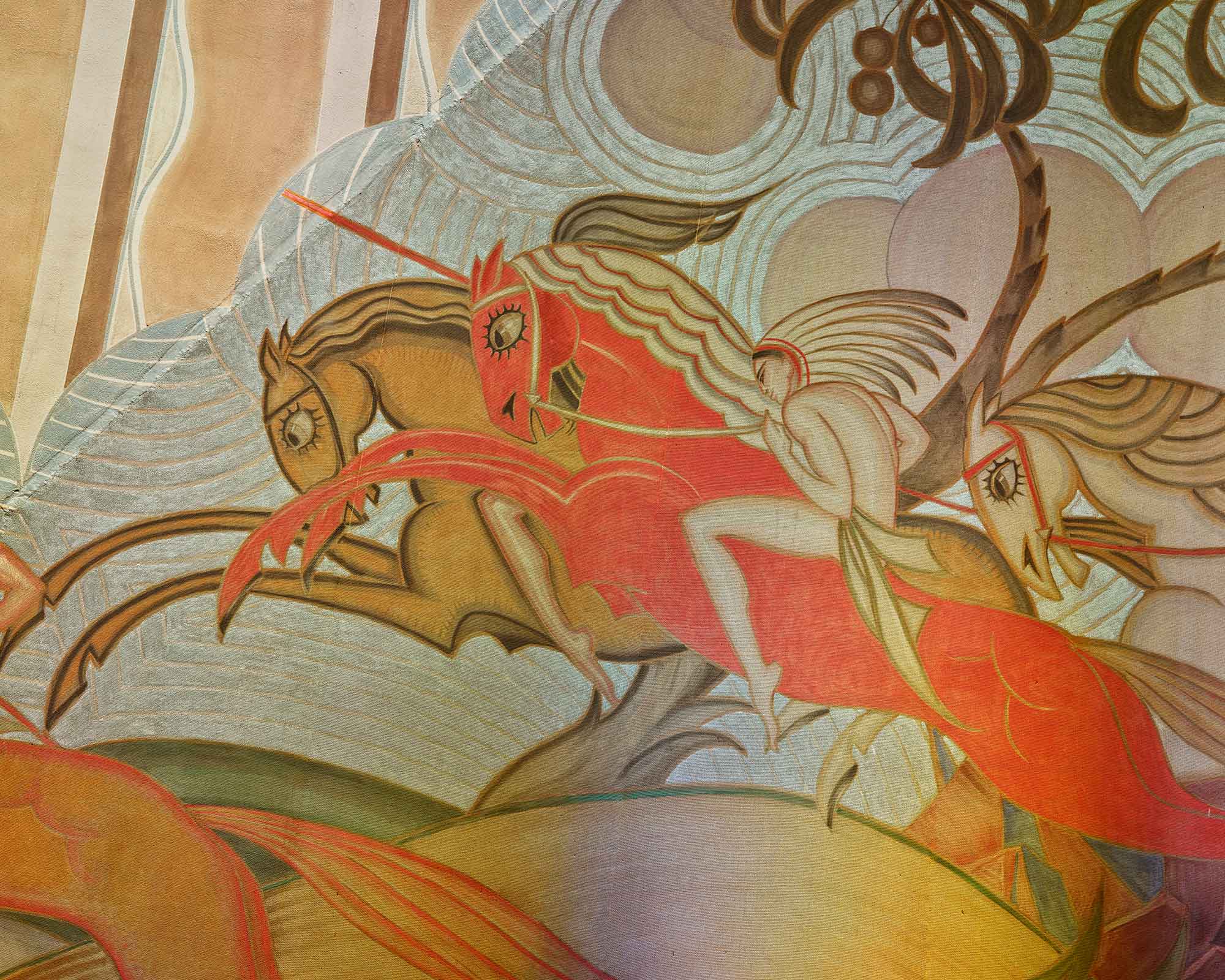
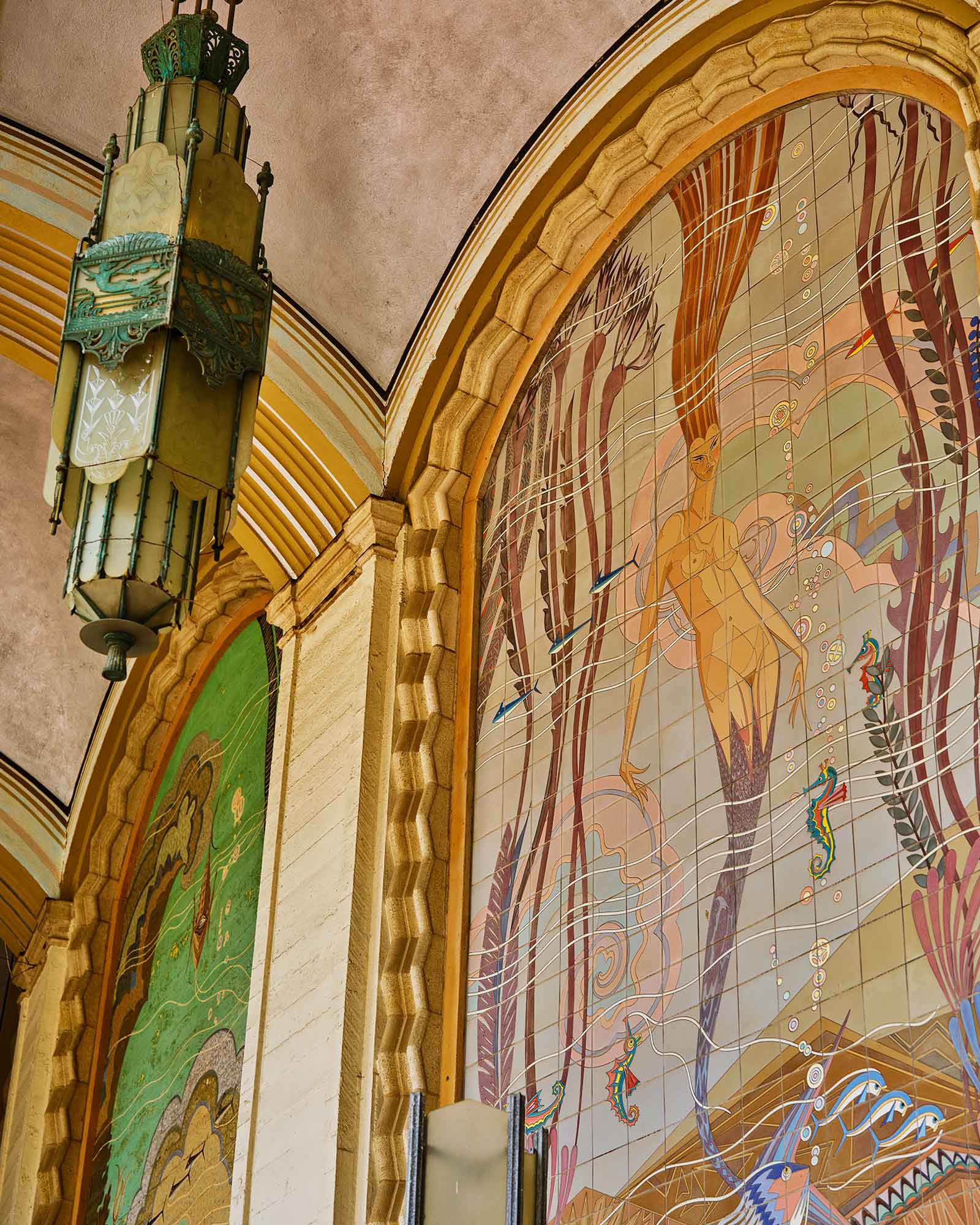
Famed movie production designer John Gabriel Beckman created the stunning murals that still decorate the movie theatre – as he had previously done at Mann’s Chinese Theatre
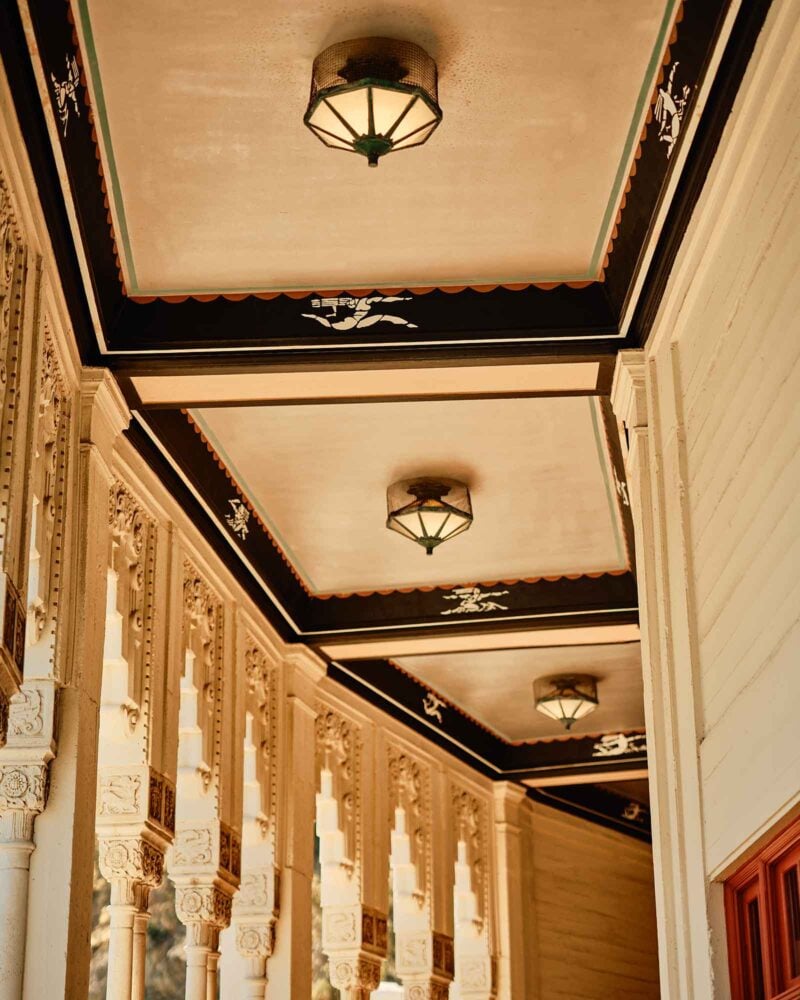
Today the casino still dominates the shoreline as one approaches the island, its halo of flags fluttering in the sea breeze, its high-ceiling entrance loggia enticing with Beckman’s glittering oceanic murals, which were revitalised in 1986 using local Catalina Island Pottery methods. That ’20s tiling company originally supplied the russet spired roof that looks like a tower out of a Disney fairytale, and the 1994 renovation also ensured the Art Deco interiors continued to shine. The movie theatre ceased showing first-run films in 2019 due to the lack of footfall (the islanders number around 4,000, the cinema seats, 1,154) and it’s now a repertory theatre allowing for themed nights, film festivals and weekend re-runs of classics (many of which feature Catalina as a backdrop). Wrigley Jr had his own private screening room built high above the auditorium so he could entertain in style on movie nights, but sitting in the ‘cheap seats’ is no less of a treat. It’s said that Norma Jean Baker often spent her evenings here watching the silver screen – and likely dreaming of playing her own part in Hollywood across the water. When that gilt fire curtain is down it shows a god riding waves westward (said to represent Wrigley’s travel to California), and the magnificent 4-manual, 16-rank Page organ is still played before shows. Beckman’s gorgeous murals dance around the walls and the acoustics are exemplary, whether performing on the stage, playing a movie on the upgraded digital projectors and sound system, or just not hearing the noise from hoofers above in the ballroom.
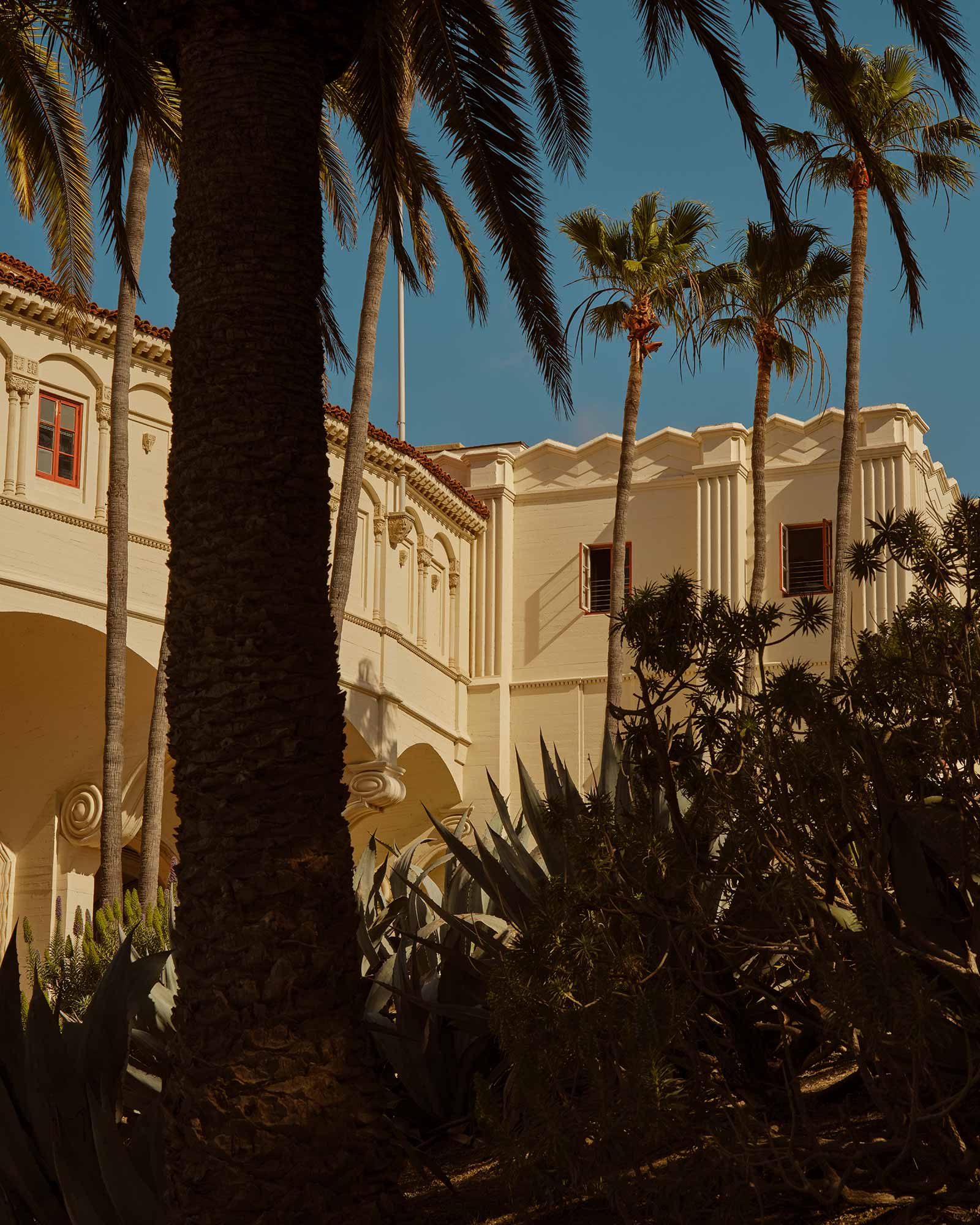
And that ballroom… a stunning 20,000-square-foot circular space surrounded by French doors and an outdoor terrace known as the ‘Romance Promenade’, it was the place that Benny Goodman introduced swing to the West Coast. During the ’30s, he would entertain boatloads of couples who headed out of LA by steamer, where an onboard band allowed them to dance across the sea before swinging through the night (and then dancing home again). Visitors in 2026 can climb the ramps to the ballroom to drink in the views (and a cocktail from the bar) or rent a pair of rollerskates to glide around the room as Wrigley intended for his first casino back in 1926.
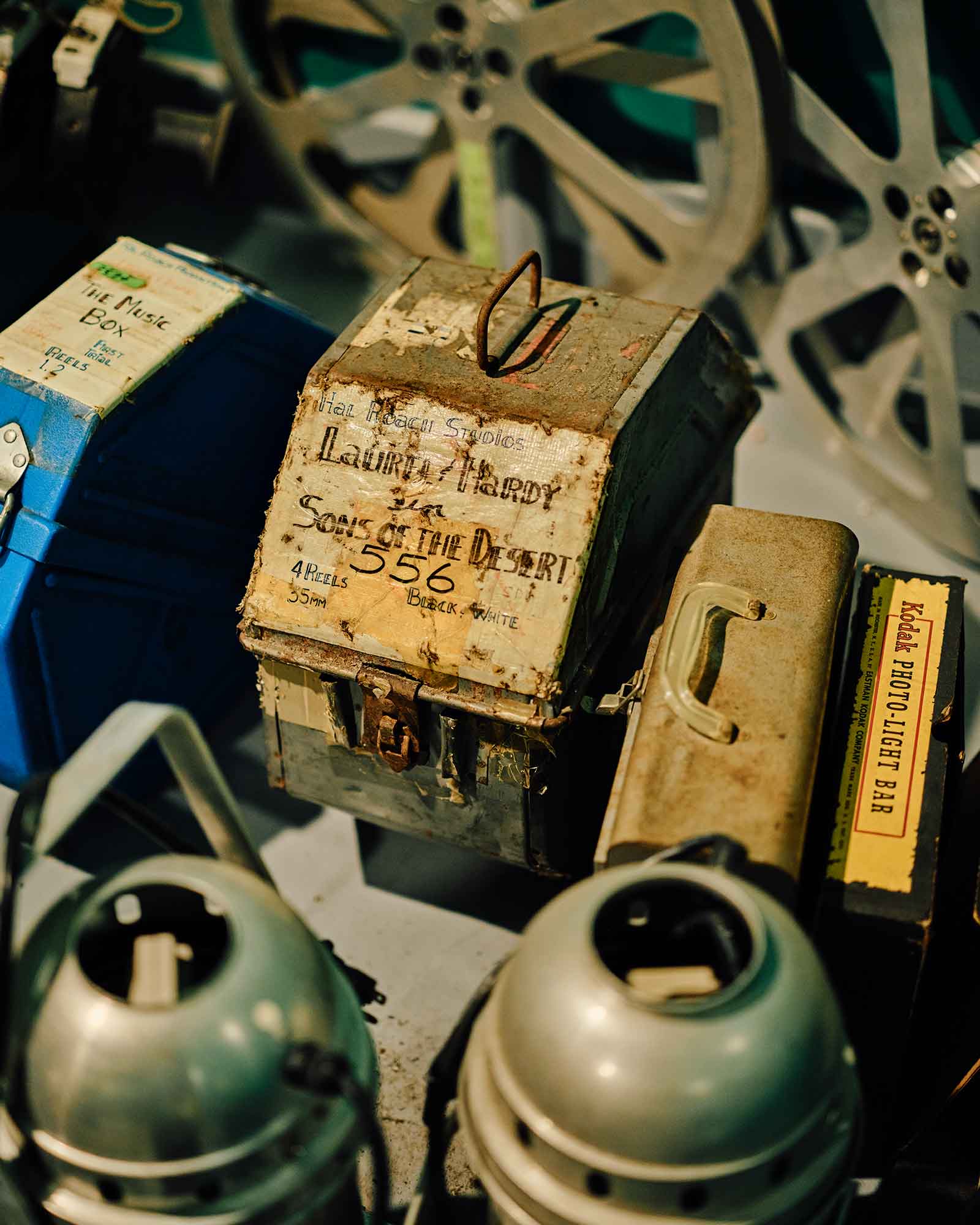
The promenade is where a marching band habitually plays in the venue’s famous Fourth of July celebrations and has a romantic tragedy attached to it. Legend speaks of a young man who caught his lover in the arms of another in the ballroom, so threw himself from the terrace to his death. It’s a story picked up in the ghost tour offered by the casino, where spook hunters hear about all the supernatural tales linked to the building and listen out for spectral entities via an EMT reader.
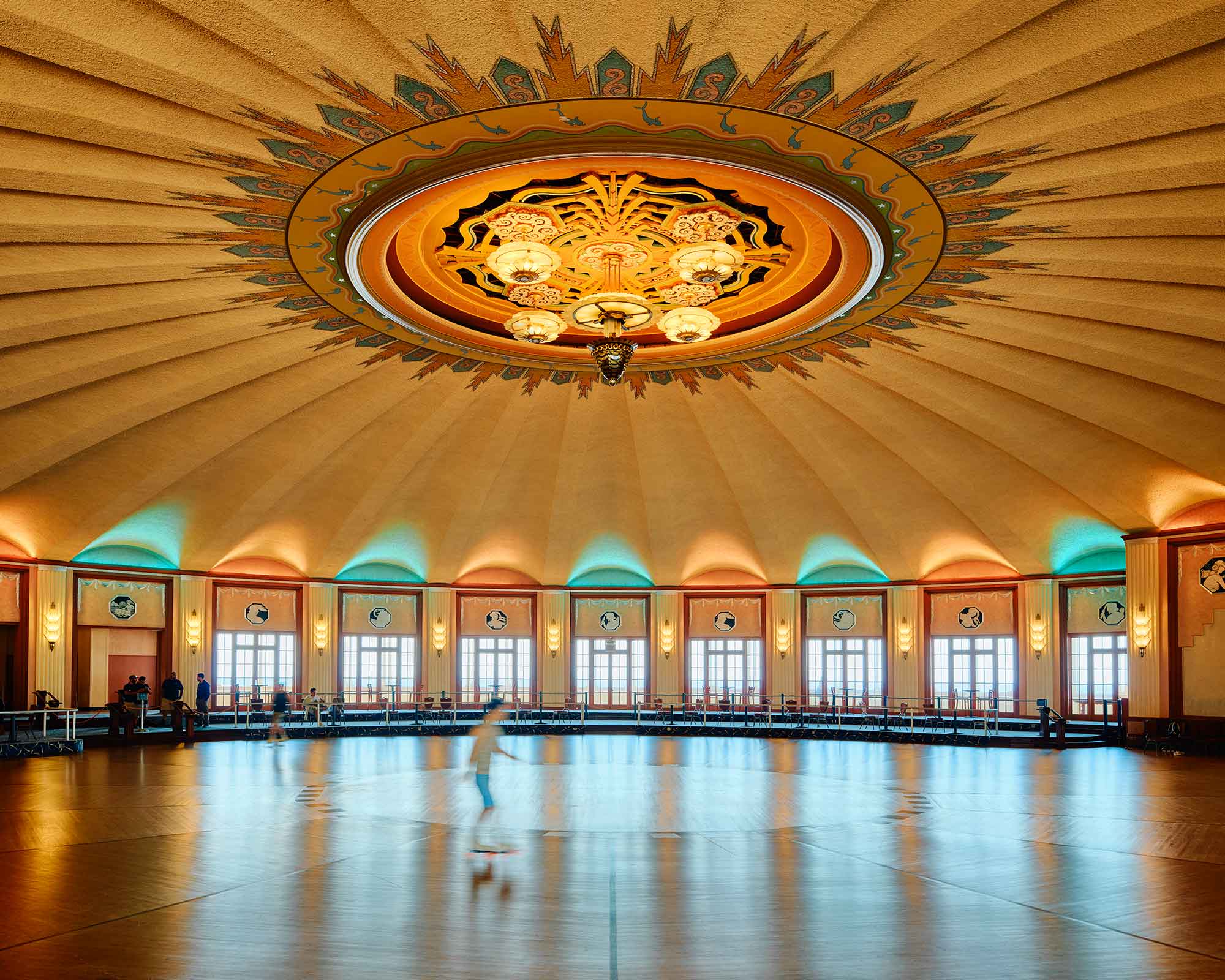
The VIP backstage tour, meanwhile, takes visitors into the projection room, the green rooms where the likes of Errol Flynn and Cary Grant lounged, Wrigley’s private viewing room, as well as the ballroom and theatre. General admission means that locals and mainlanders alike can access the gathering place year round to drink in the historical vibes. And on the weekend, hunker down in the theatre like Norma Jean to dream of the stars that glitter as brightly as those twinkling on the ceiling above. It may not hold a blackjack table, but the Catalina Casino is a sure bet for a step back in time. Truly a landmark that is an ‘island utopia in a modern, busy, everyday world’.
Photographs by MARK READ
Words by JANE CROWTHER
Catalina Casino
1 Casino Way, Avalon, CA 90704
Reach it by The Catalina Express
www.catalinaexpress.com
www.visitcatalinaisland.com