


CANNES DISPATCH
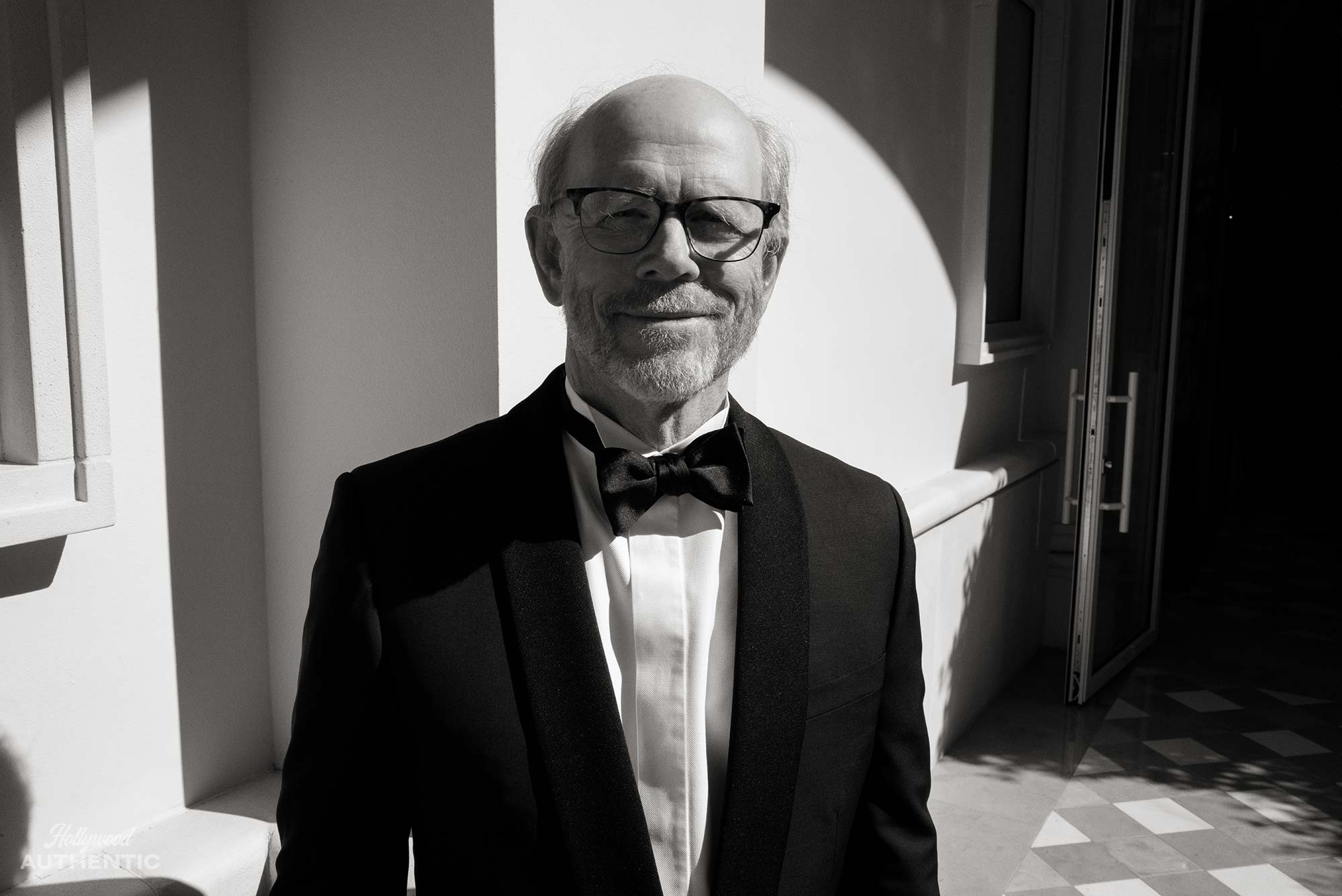
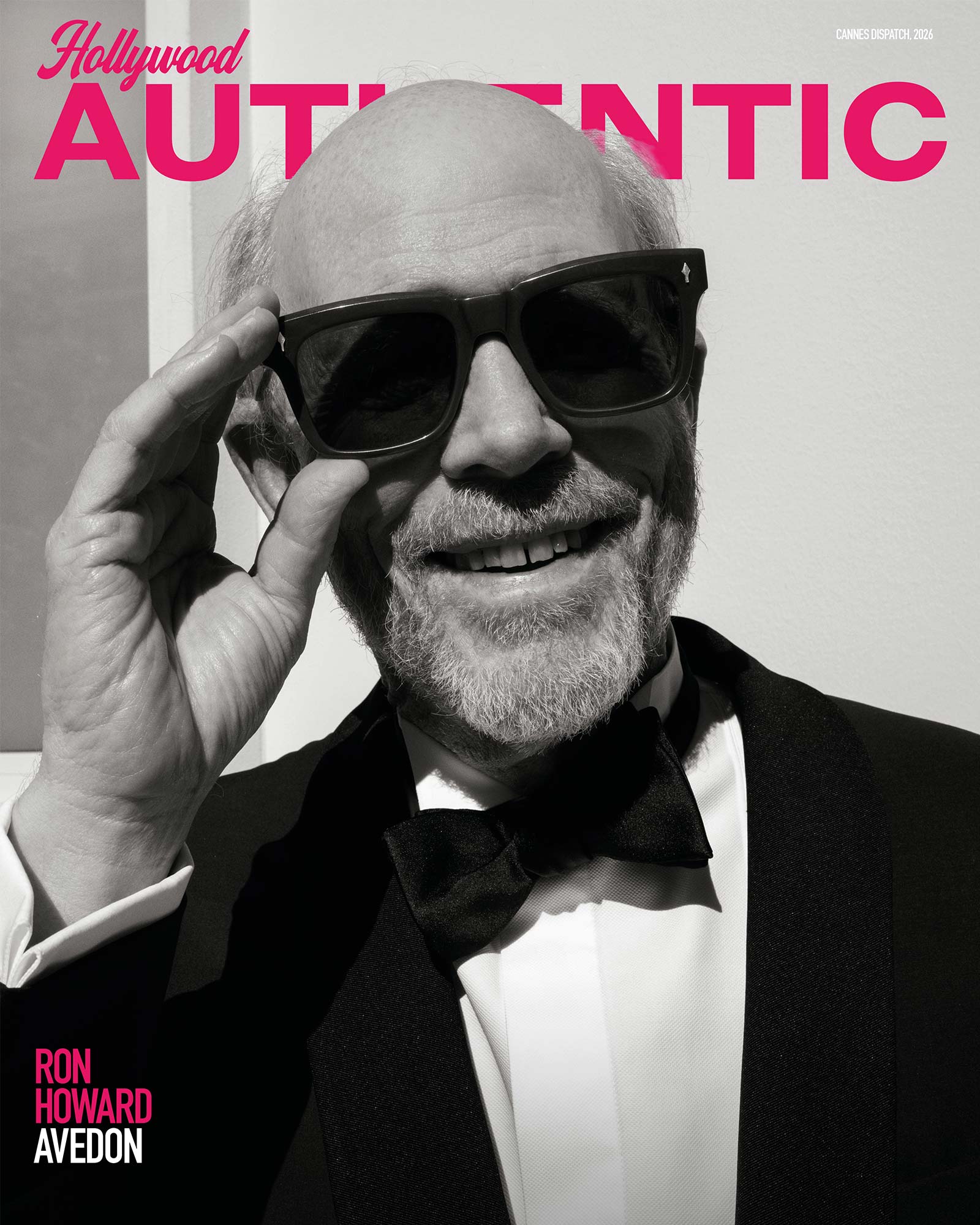
Photographs by GREG WILLIAMS
Interview by JANE CROWTHER
Ron Howard first arrived in Cannes in 1987 with Willow. Since then he’s brought numerous films to the festival and this year he’s debuting his new documentary about the trailblazing photographer, Avedon. As he drinks soothing green tea with honey (he’s been talking too much, he says with a grin) in the Carlton Hotel, he tells Hollywood Authentic how important it is to bring movies to such a tastemaking and illustrious festival. ‘It’s a huge, global stage for cinema. And more than ever – in all the festivals, large and small – it’s important for talent to keep supporting them, because it’s a reminder that it’s fun to gather. It’s stimulating to gather. And it’s community-building if you come together around cinema. You have a shared experience, and then afterwards you talk about it – whether you liked it, or didn’t like it, what it meant to you.’
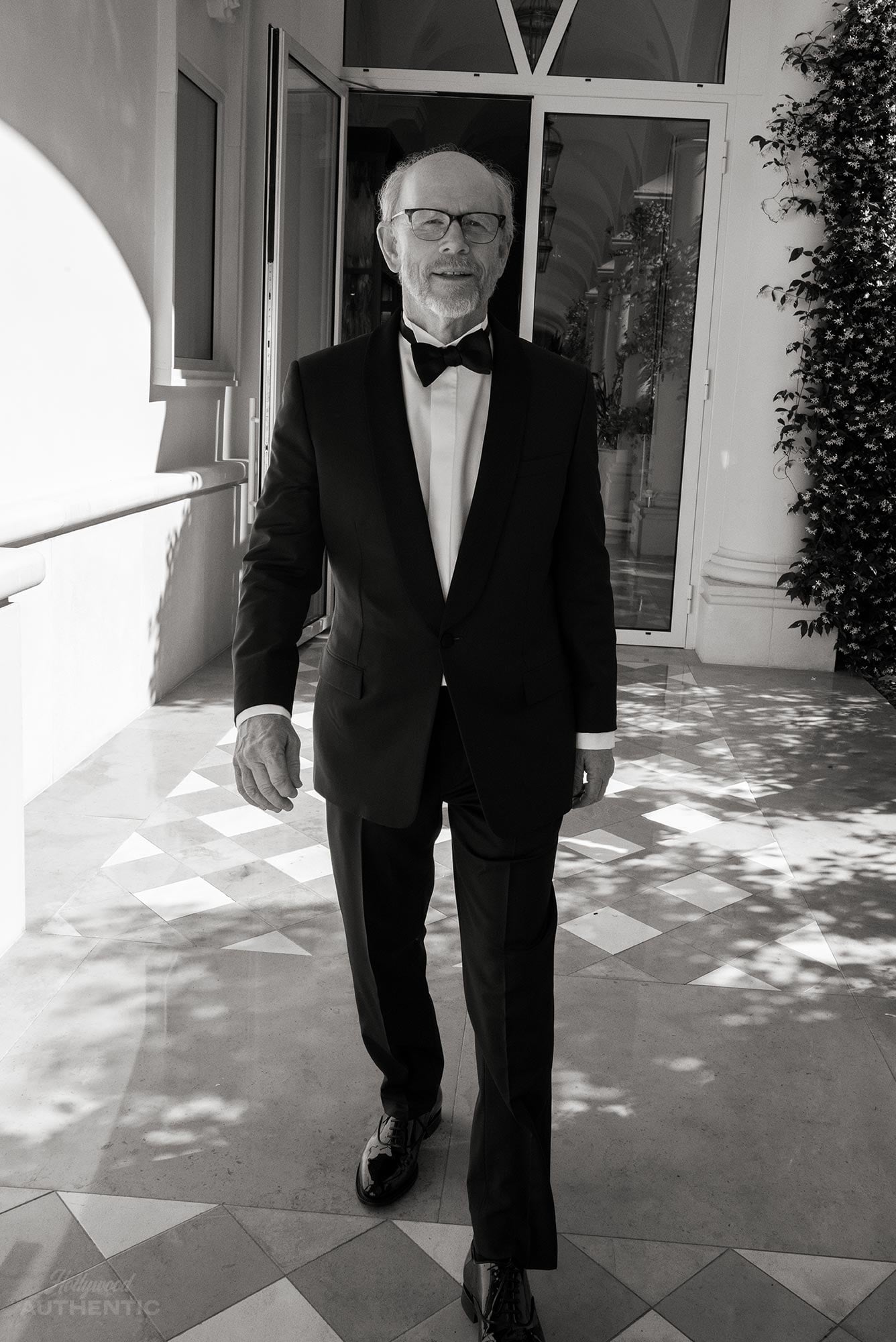
Audiences will be debating Howard’s documentary this week as it premieres, tracking the career of Richard ‘Dick’ Avedon as he blossomed from an ID card and autopsy snapper in the US navy to a pioneering fashion photographer, ad director and New Yorker lynchpin. Avedon’s work championed under-represented talent, expanded the parameters of beauty and defined visual culture outside of photography. ‘Honestly, I really just knew the name,’ Howard admits of his introduction to the artist. ‘I thought of him as fashion first. I didn’t think of him as any kind of documentarian or journalist. But that’s all my ignorance. What fascinated me most was the range, the creative risk-taking, and yet the success of his work and his career.’ Howard calls this his ‘general, myopic view of my life, which is always kind of what’s right in front of me,’ but he’s been working for decades and also helped define culture with his output as an actor, director and producer. With The Andy Griffiths Show and Happy Days to Splash, Parenthood, Apollo 13, A Beautiful Mind and Frost/Nixon, plus his projects through Imagine Entertainment (24, Friday Night Lights, Arrested Development), he’s helped shape entertainment in the 20th and 21st century.
‘You know, it’s been a lifetime of going from one project to another, and each one demands a lot of focus, whether as a younger guy, when I was a child acting, or as an adult producing and directing,’ he says from under the brim of his trademark baseball hat. Documentary making, he says, is something that comes from being something of a pendant in creating fictional cinemas. He had to get firefighting right in Backdraft, but when he made The Paper, following a group of journalists, he hired consultants to ensure ‘verisimilitude’. And it’s a process that has stuck with each new film he does. ‘I’m a huge baseball fan, so I always say to technical advisors, ‘look, it would really upset me if somebody made a baseball movie, and the centre fielder had a first baseman’s glove on’. The movie I did that was probably the most personal in my entire life was Parenthood, because, at that time, I was right in the middle of raising kids at the age that the kids were in the movie. So until I make a movie about moviemaking, I’m always going to need to educate myself to really understand a subject.’
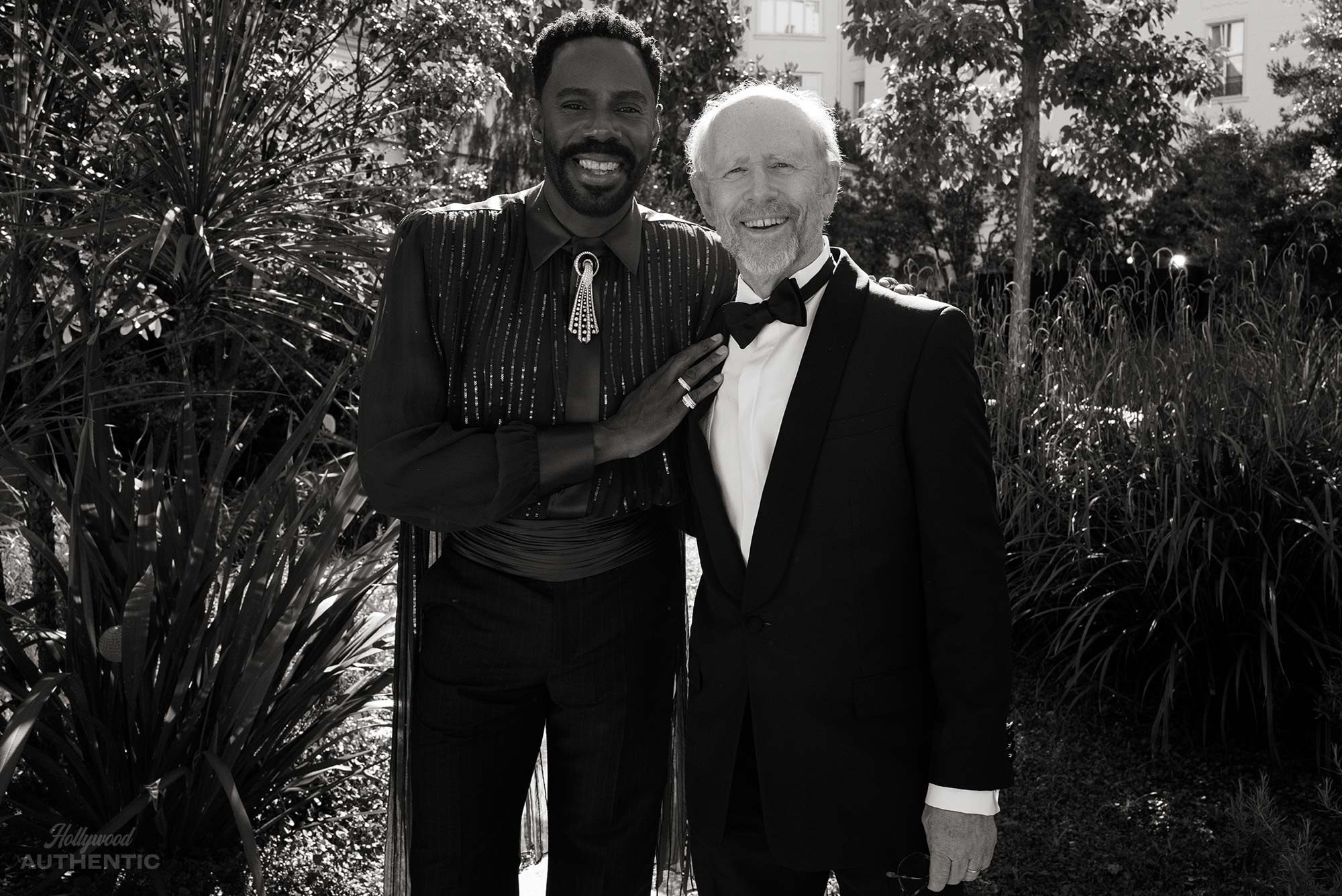
In researching Avedon he found common ground between his own work and the photographer’s. ‘He really was a director. Sure, he was taking some inspiration from his subjects. But he was also very calculated about the scene he wanted to create, the story he wanted to tell, and the emotion he was looking for. That was very interesting to me.’ In archival footage in the film Avedon says ‘every photograph is accurate and none of them are the truth’. Hollywood Authentic wonders if that’s something Howard relates to in cinema. ‘As Peter Morgan says: you often have to lie on screen in order to get at the greater truth. You have to invent moments; you have to invent scenes that demonstrate what it is you’ve learned about the subject. But in order to get it into the film, it’s going to require some invention.’
Avedon evolved during his career from fashion to cinema (Funny Face was loosely based on him and he consulted on it) to politics. Has Howard’s direction changed in the years he’d been doing it? ‘It hasn’t… The only thing that’s changed is, as monitors have gotten better, I don’t stand next to the camera anymore. But I also don’t go back into some tent that’s far away. Because I do take after take, and in between takes, I want to have a conversation with the actors, so there’s no barrier between me and the key collaborators. I get a lot of steps – a directing day for me 15,000 to 20,000 steps. I pace, and I also hustle from setup to setup. When I was acting, I liked it when we had momentum, and, as a director, I feel the same way. It does mean my staging and camera work does tend to be less technically focused. There are times when a shot needs to be very precise, and we take a long time with it. But I’m more interested in capturing the environment – if that’s outdoors, it’s getting that light, and getting that weather – and what the actors are doing. I want the cutting power of being able to analyse these performances later, and taking people’s best moments, and putting them together. I admire the directors who can do these long, intricate takes, but I don’t quite have the patience for it, and I feel like the greater value proposition for the story and the audience is really more variations from the actors.’
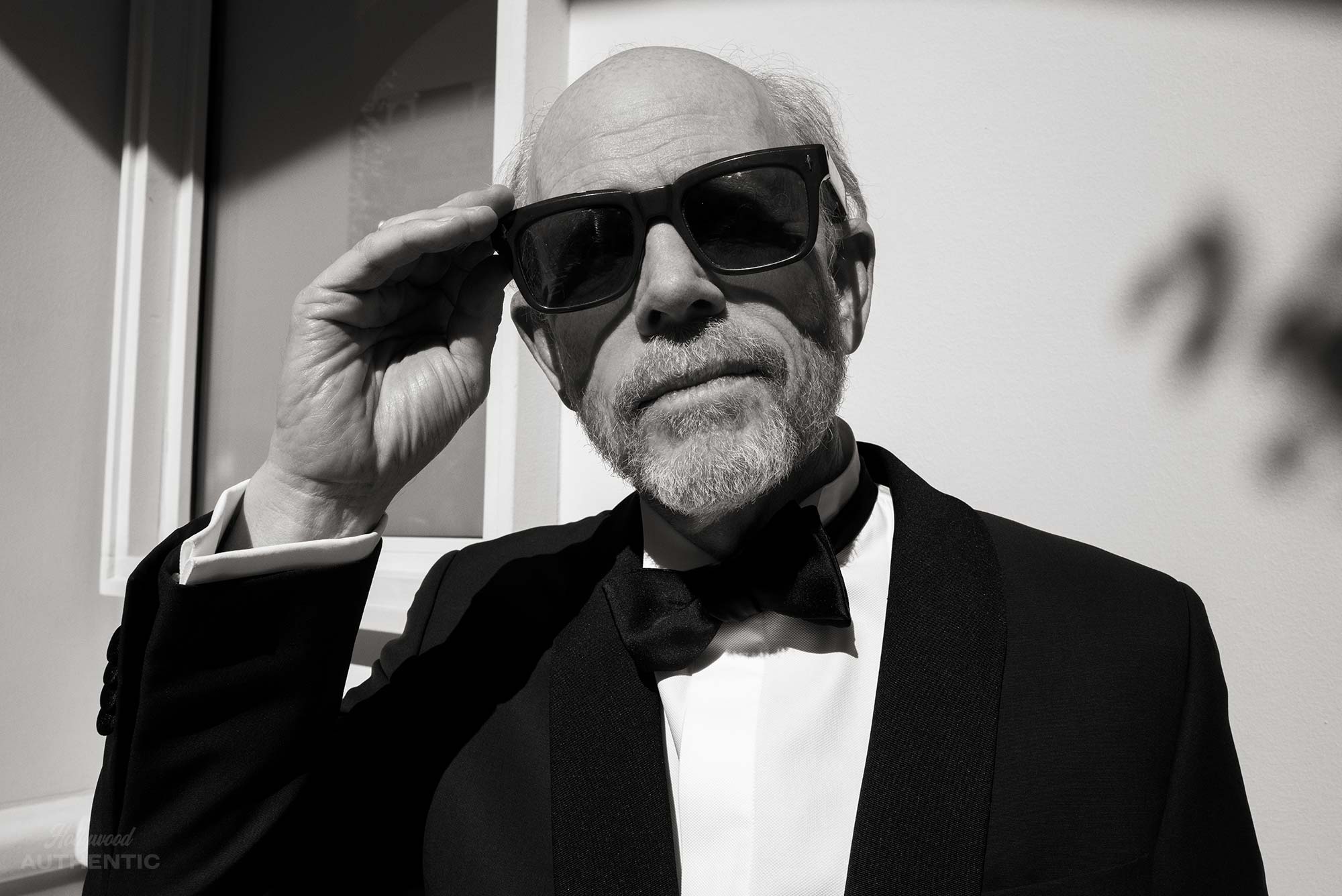
Directing a documentary is a different discipline, he says. ‘That’s about discovering moments in archival footage, or maybe accidents in verité scenes that you’ve been able to shoot, or responses to questions. But you can’t really provoke it.’ The process of making the film also made Howard appreciate anew the art of photography, especially in a world of AI. ‘I did become very interested in him as a creator who was sharing a vision. The novelty of what tech has brought us – the facile nature of it; the speed of it – is kind of exciting and fun. But I think we’re already as a society beginning to recognise how important curation is, and that something filtered through an expert, an artist; someone who lives and breathes whatever discipline they’re engaged in, is elevated.’
Photographs by GREG WILLIAMS
Interview by JANE CROWTHER
Avedon premiered at the 79th Cannes Film Festival