


Photographs & interview GREG WILLIAMS
As told to JANE CROWTHER
Having worked decades to finally arrive, Colman Domingo meets Greg Williams on two coasts to explore the steps to success and the evolution of an artist.
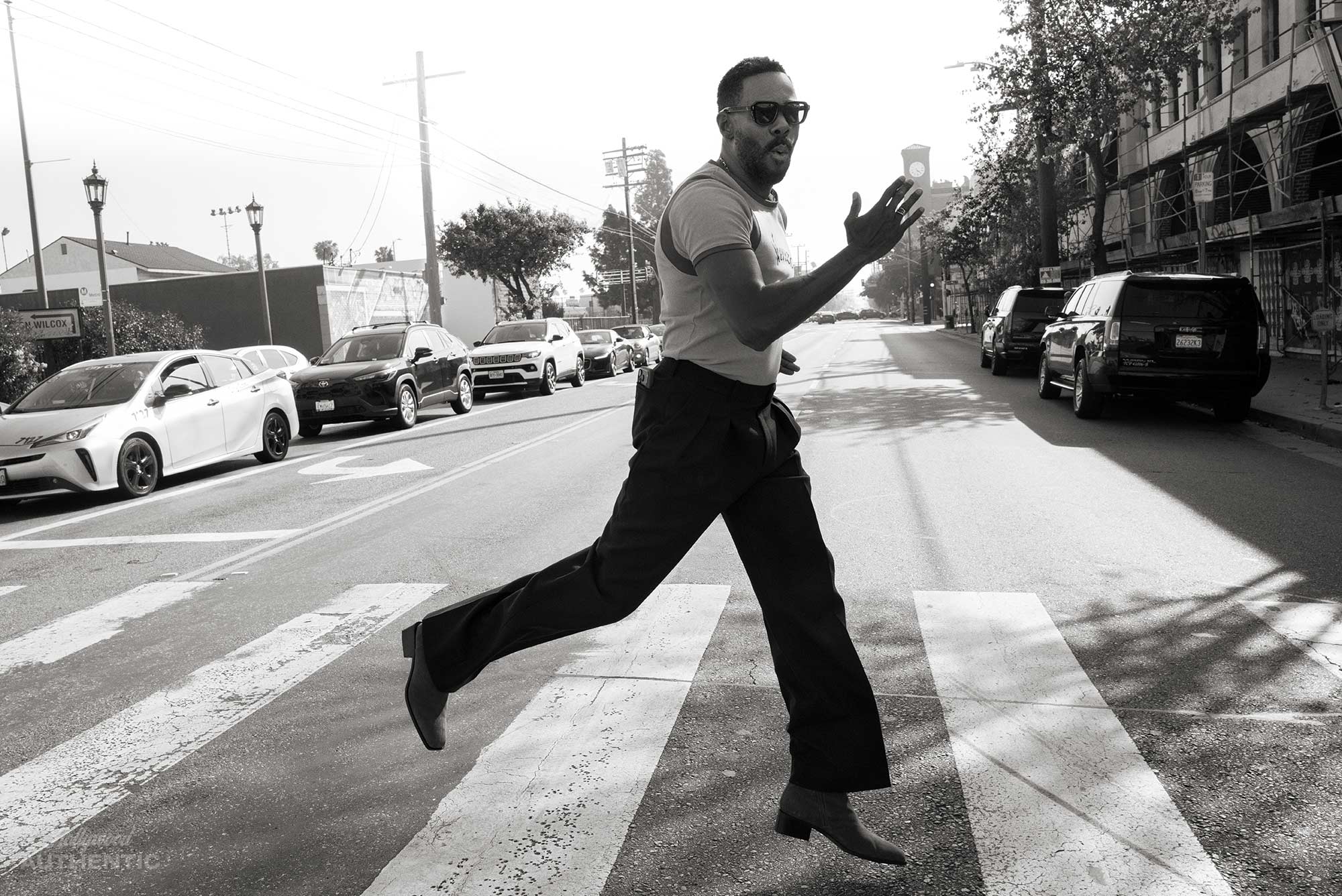
LOS ANGELES, 15 MARCH 2026
On Oscars morning, as Hollywood’s denizens begin their glam and grooming all across town, I meet Colman Domingo in his suite at L’Ermitage Hotel in LA. Though he spent last night hanging with Anna Wintour at the Vanity Fair dinner, the twice-Oscar-nominated actor is up early, his smile wide as he invites me in. On the biggest day in the cinematic calendar, we’re going to ride around the Philadelphia native’s adopted city and retrace the career steps that saw him consecutively nominated for Best Actor for his powerhouse performances in Rustin in 2024 and Sing Sing in 2025. Roles that led to turns in The Color Purple, The Running Man and, hitting cinema screens now, playing the King of Pop’s dad in biopic, Michael, and a key role in Steven Spielberg’s highly anticipated big ensemble return to alien encounters, Disclosure Day.
This year, the actor is going to be enjoying the celebratory vibe of Oscars night without pressure – he’s attending the Vanity Fair party later this evening (‘I’m good for a crowd – she’s built for it,’ he says of himself). I ask him for his recollection of his two Academy Award nomination nights, a back-to-back run of achieving the utmost accolade of any actor. ‘One memory? Having my family out here. It was nice. Because usually I’m having a lot of this journey with friends and colleagues, and a lot of times not with my family. And my family… that’s my blood.’
Colman’s ‘Oscar breakfast’ this morning consists of a couple of cups of coffee and the enticement of a miniature chocolate statuette; ‘I usually try to bite off the head by the end of the night.’ That’s for later; now, we are going on a tour of the actor’s LA to find out how the city shaped him. ‘The funny thing is, I was coming out to LA as a theatre director, which is wild. And then, you know, other things happened in my career… like becoming a movie star,’ he laughs. As we set off he tells me that the pivot from theatre to cinema was crystallised for him when he saw a giant billboard poster for Rustin, his first with him as lead. He was driving around LA with his friend, Jamie, and glimpsed his face, feet high, and looking down over Sunset. ‘We both cried a little bit. We took pictures because we knew it was such a big deal to have, for the first time, my face up on one of those billboards. I remember it like it was yesterday – we were both in awe. And all the superlatives for the reviews and all. We knew it was a moment. We were like: you don’t get those often.’
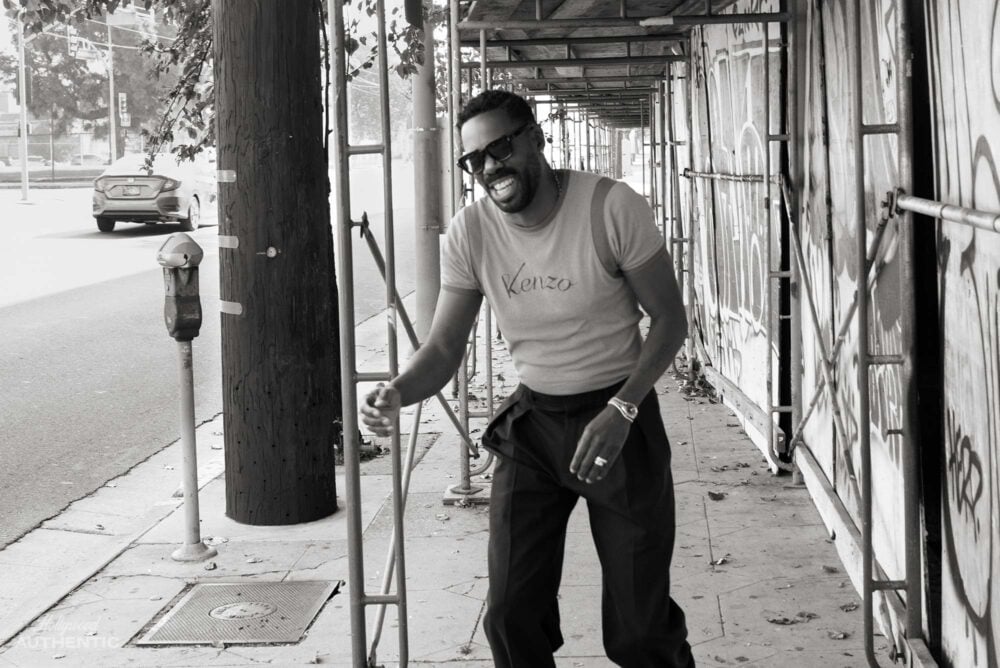
Gratitude, pausing to appreciate and having a clear sense of where he began – and the work it took to move the needle on his career – is something that I understand as Colman’s MO as I spend time with him. He doesn’t want to dwell on the past, but at the same time he honours and is reverential of it. A word he uses often is ‘build’; when he describes his approach, his preferences, the stages and steps of his career. It’s apt for an artist who has taken decades of hard work to arrive at a place where he’s admired by colleagues and audiences alike. And in service to that journey, he wants to show me the places in LA that marked evolutions for him.
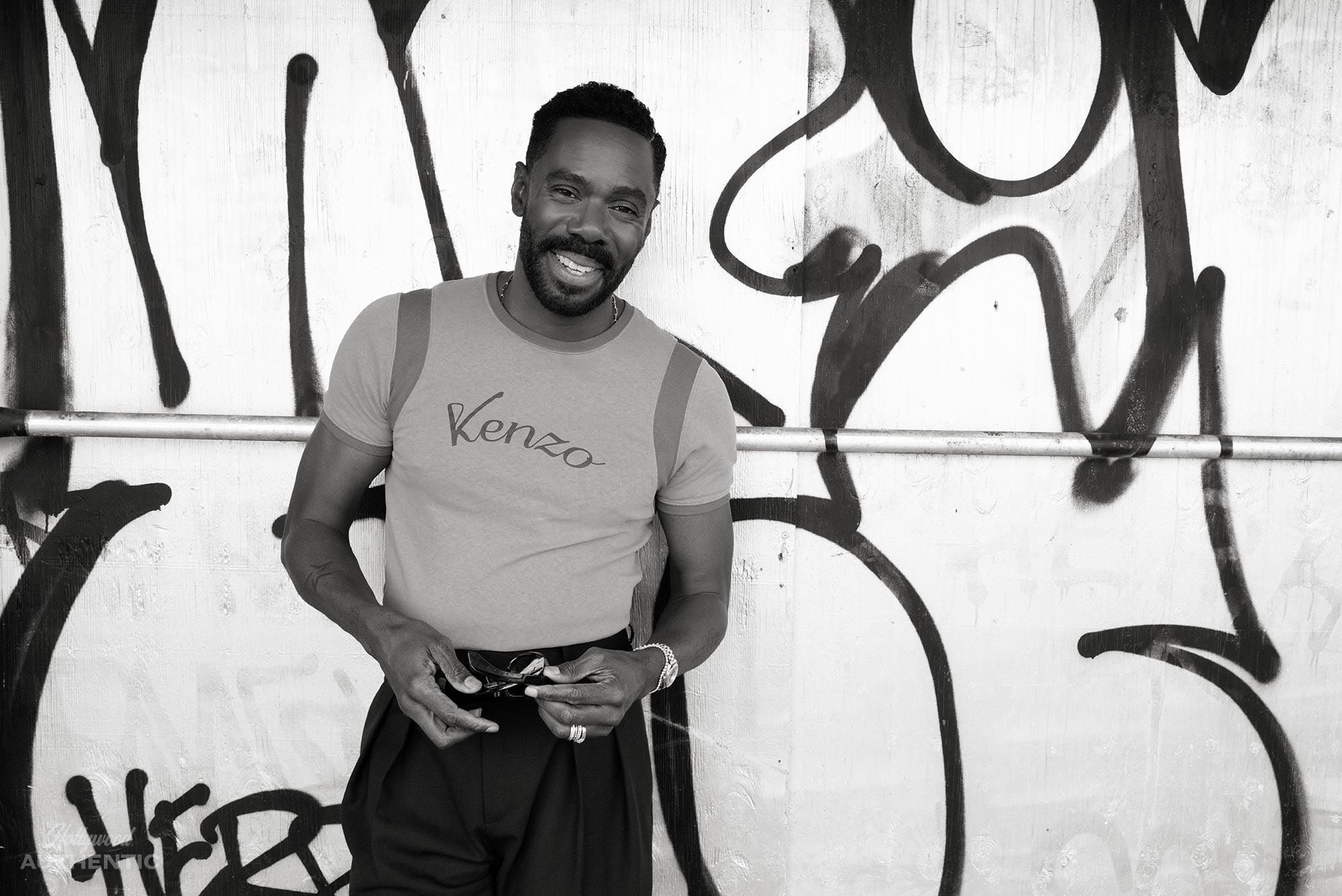
We head to the Geffen Playhouse where Colman directed Barbecue in 2016, a Hollywood satire about addiction written by Robert O’Hara (which he has since turned into a screenplay). The Geffen is also where he co-wrote and directed the musical, Lights Out: Nat King Cole, which he describes as ‘a dark night of the soul’ for the legendary singer. ‘When you deconstruct an icon like Nat King Cole, who lived with so much grace and elegance, you also start to look at the world that he was living in. How did he create all that beautiful music, living under the harshest times in American history? For me, it’s a great examination.’
I admit that I am fascinated by the artist’s ability to take pain and turn it into something beautiful. Colman nods. ‘To be honest, I come from a very healthy, happy home that wasn’t filled with a lot of heartbreak and tragedy. I lost my parents. But it’s normal stuff. What doesn’t kill you, makes you stronger. But I know I pull from a place of curiosity: what do people do with pain? How do you survive? Do I have that in me? I wonder, “Do I have Joe Jackson in me [who Colman plays in Michael]? X in Zola, a pimp? Mister in The Colour Purple? Do I have Bayard Rustin in me?” I think I’ve always looked at myself as an ordinary man – an everyman – but it’s meant that I can actually shapeshift and become all these people, and try to figure out how they live in me.’
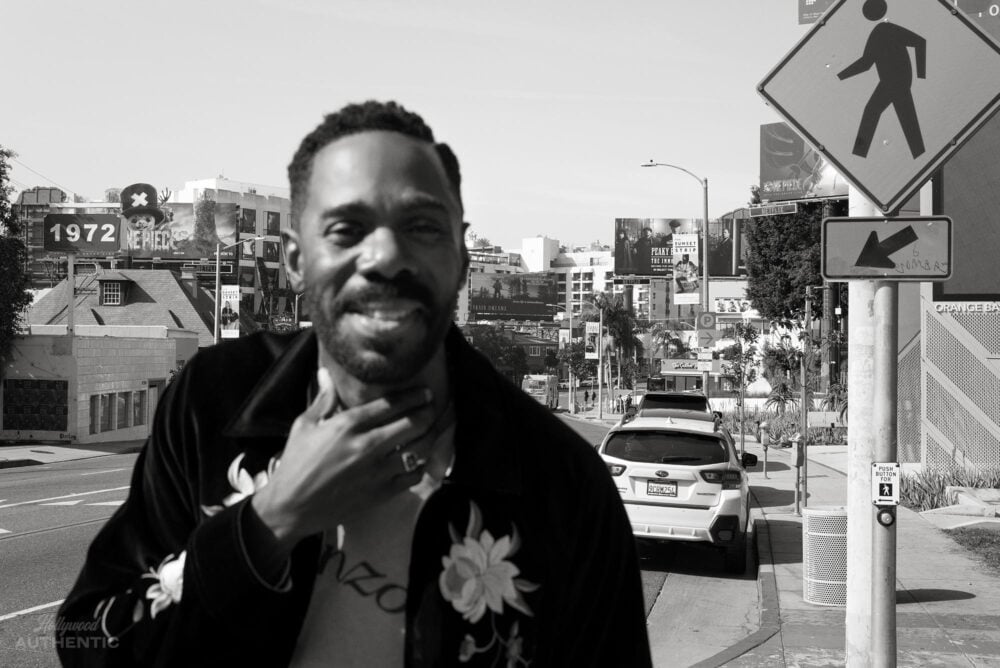
The funny thing is, I was coming out to LA as a theatre director, which is wild. And then, you know, other things happened in
my career… like becoming a movie star
As we drive to the Geffen Playhouse in Westwood Village, I ask if all actors have to be able to tap into that empathy. ‘I really think that has to be the basis of your work. If I go through a character’s perspective, then I understand him, and I can have empathy for him. That’s a great challenge right now with anybody in the world. We’re so polarised, but if we really try, we can really find the humanity in anybody. Once you examine that, I think you can also move forward, and actually find some healing, and find some grace. I think that maybe that’s what I’m trying to find in a lot of characters. I’m trying to find grace, always, even in people who don’t have it forward-facing.’
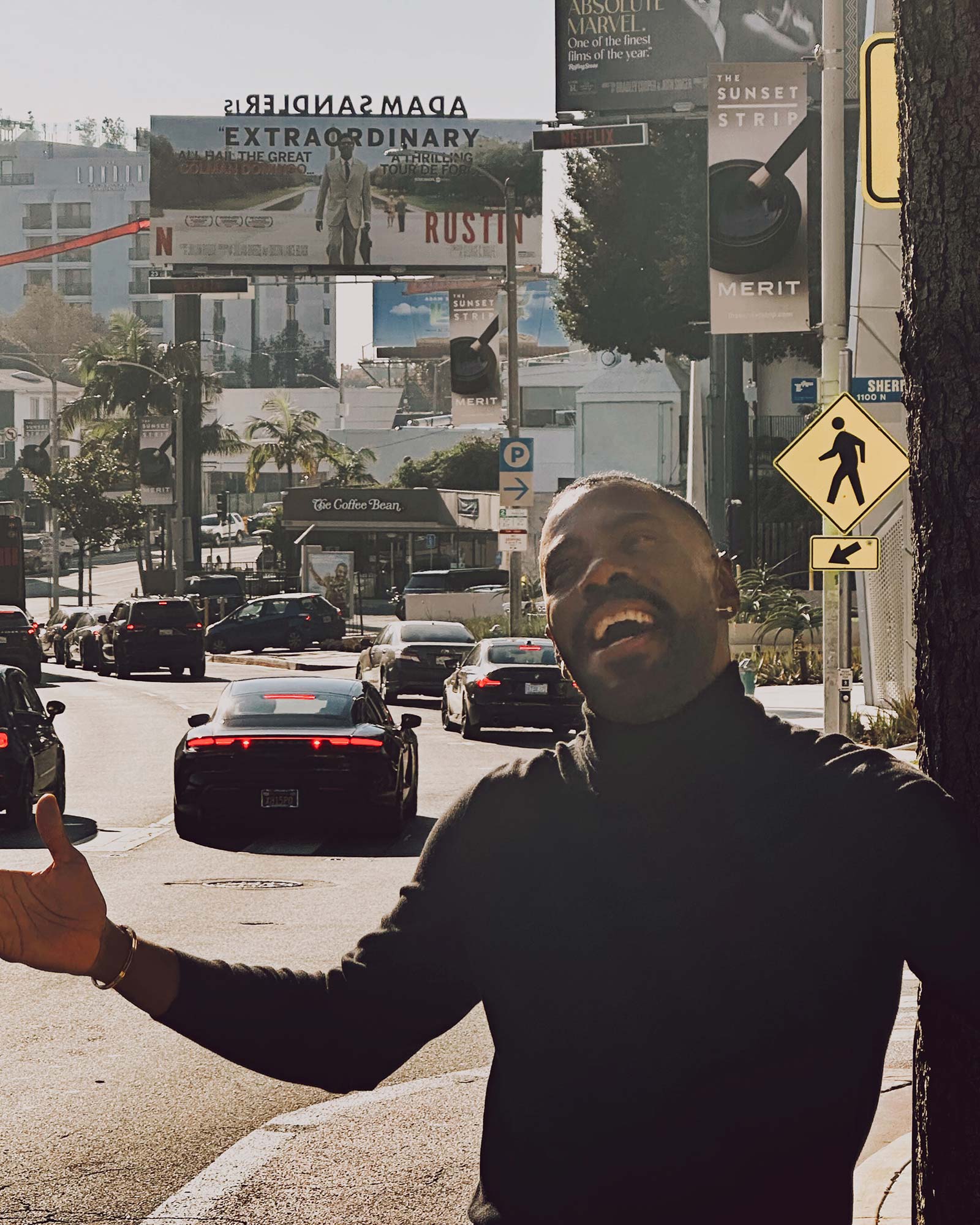
Photograph by Jamie Richmond
As I’ve found with many actors, there’s real curiosity that drives their work. Colman agrees. ‘No one would imagine when I was in high school that this would be my career, because I was an observer. I do now know that that’s a part of my gift, because I was very shy. I sort of decided not to be a shy person by the time I got to college. I worked in a Barnes and Noble book store in Philadelphia when I was 19 years old, and I used to take care of the self-help section and the travel section. Even then I was very curious about: how do you become a person? So I would read self-help books all day long, and then I read travel books. I think that I was really trying to figure out, and test out, how to become the person that I wanted to be. I was researching my own character. My older brother, Rick, and older sister, Avery, were very cool, athletic, gregarious and funny. And I was shyer, bookish and not cool or particularly funny. I wanted to become more like them. So I had to learn. But I think that’s the greatest part about this career, too. I’ve learned so many things. I’ve travelled. I do all these things that I would never get the opportunity for. And I feel like that’s all building blocks to becoming a person.’
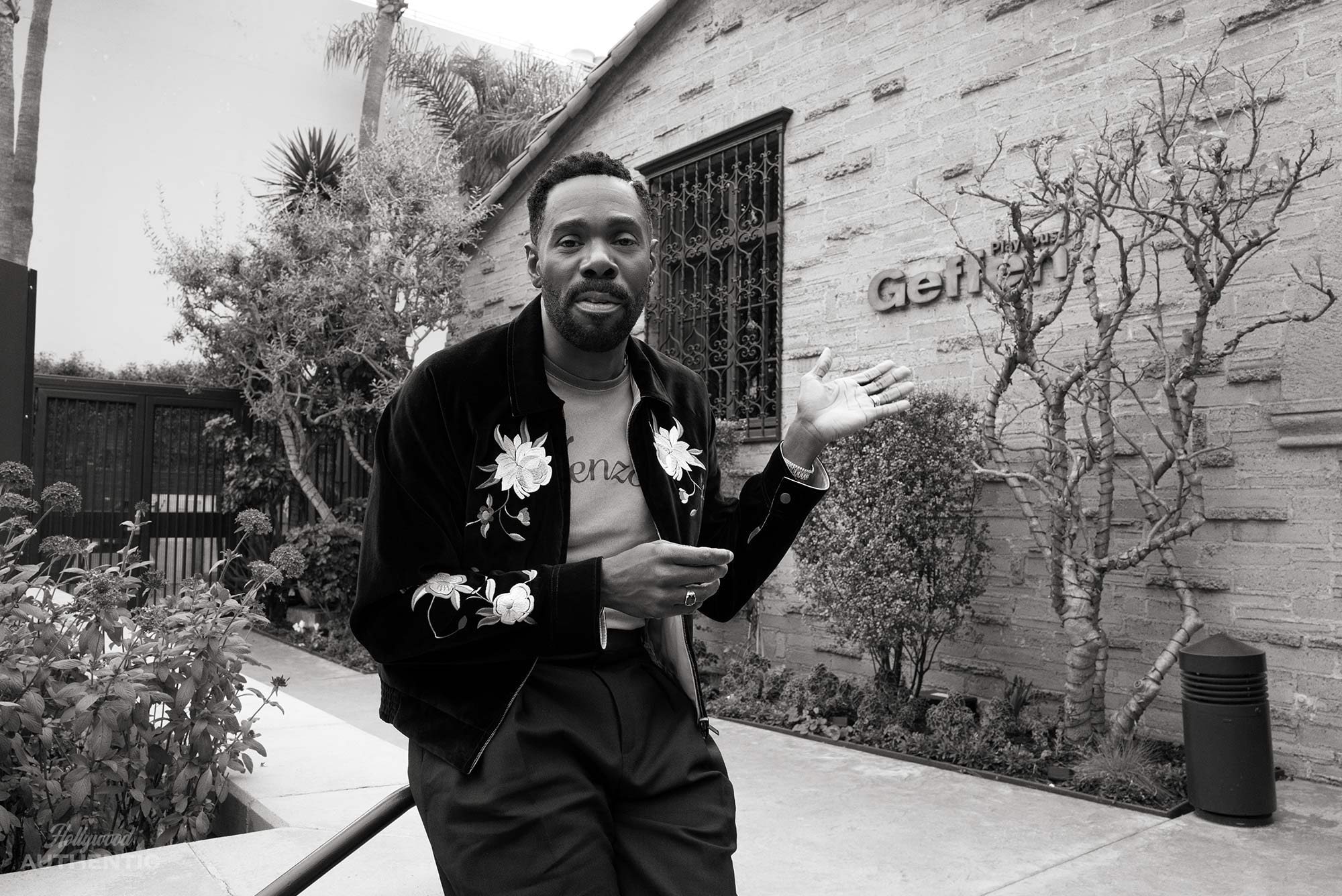
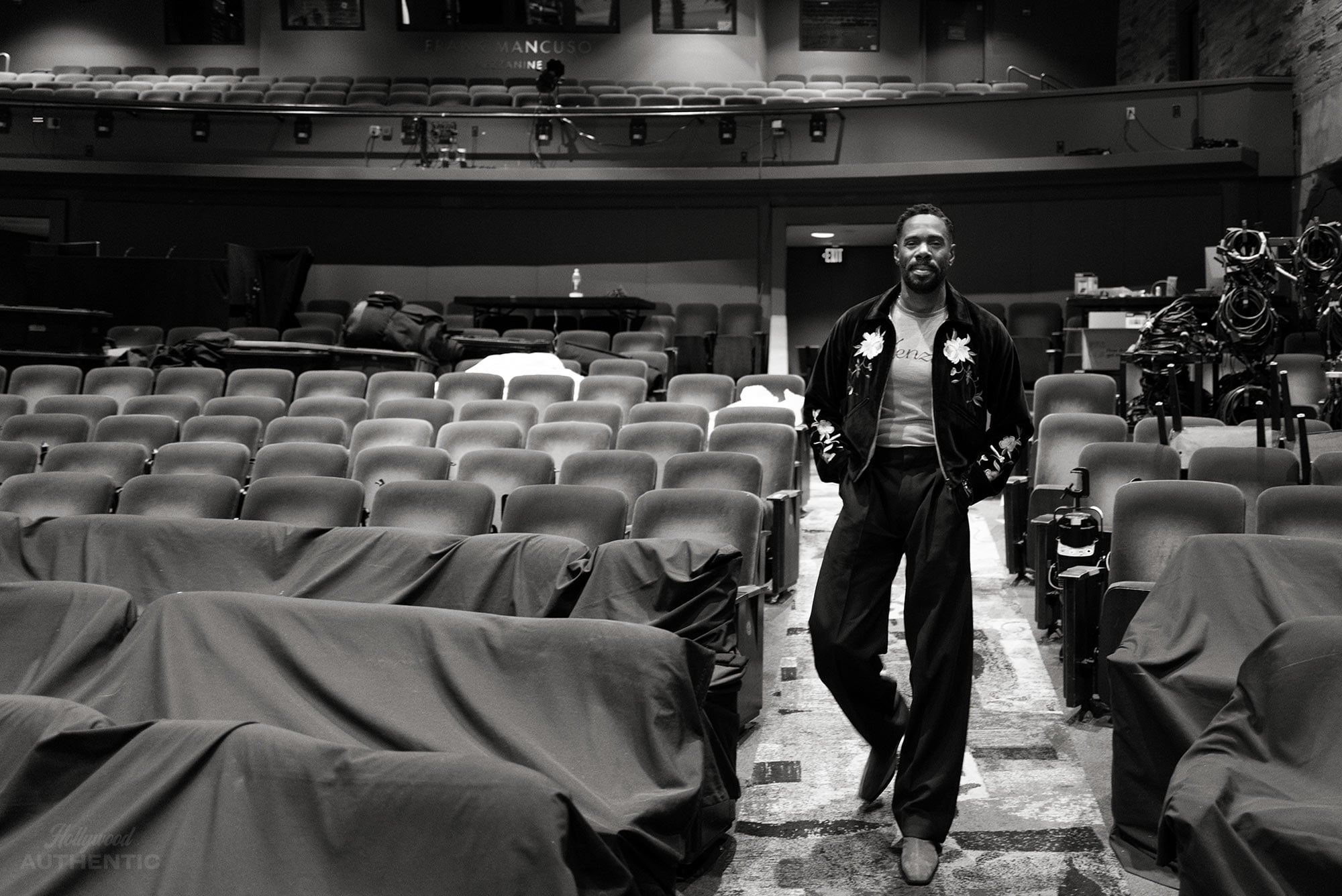
We pull up outside the 1929-built Geffen, a former Masonic clubhouse that became an Italian restaurant and the Westwood Playhouse before it was gifted to UCLA. It’s a beautiful Spanish-style period building currently run by Tarell McCraney of Moonlight fame. ‘This is such a famed theatre when you are a regional theatre actor,’ Coman explains as we enter the space. His career started in San Francisco regional theatre, where he worked for 10 years, before moving to New York at the age of 36. After 16 years there, he moved to LA. He recalls writing Lights Out: Nat King Cole with Patricia McGregor (who now runs New York Theatre Workshop) for a small ensemble here, an experience that has now led to him playing Cole himself in upcoming biopic, Unforgettable, which he has also co-written and will direct and produce.
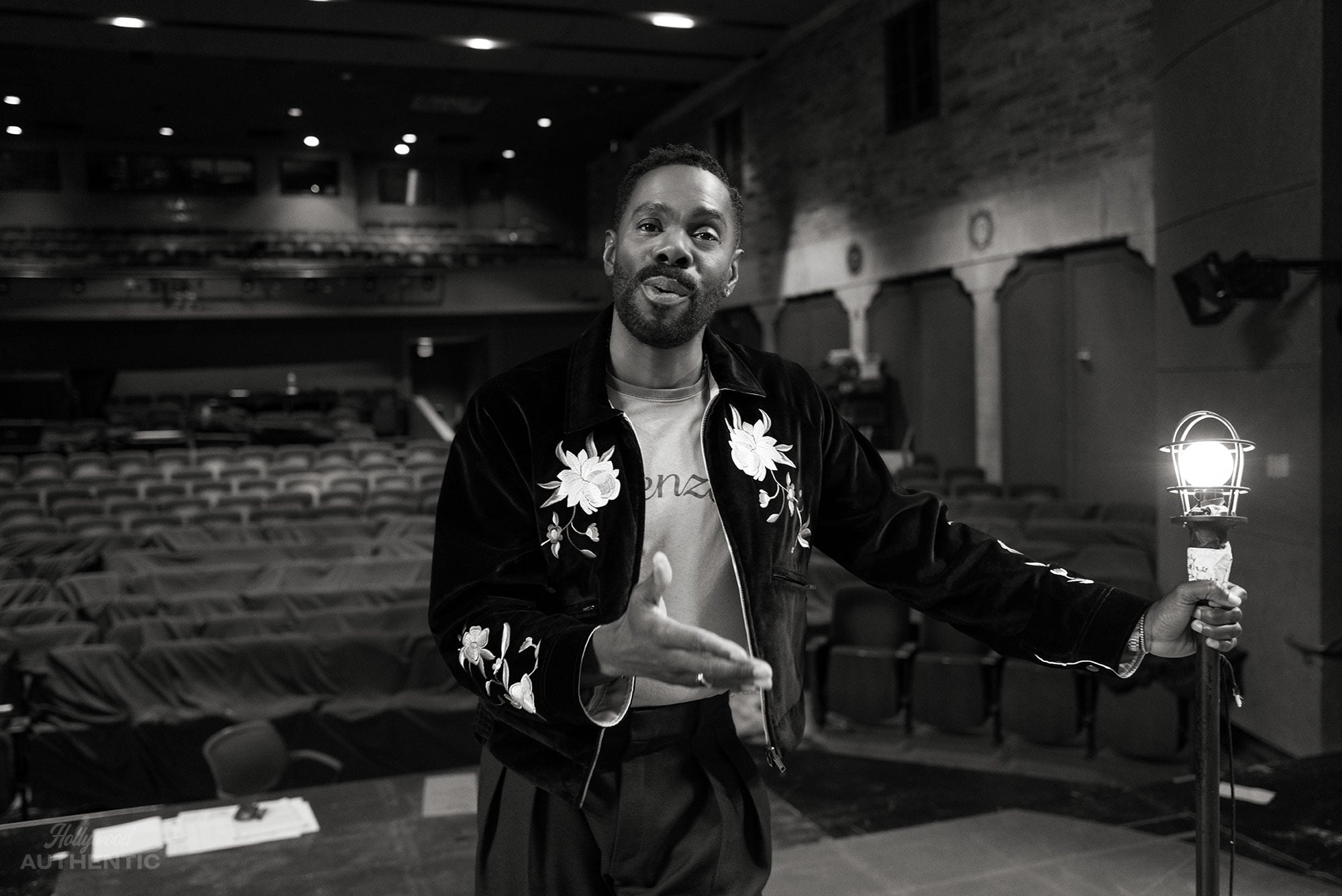
We head on-stage and he he moves towards the ‘ghost light’ glimmering centre stage. ‘You must always leave a ghost light on for the ghosts of the theatre. I think it’s the most beautiful thing. You come onto any stage, and there’ll always be a light on for the stage.’ Colman turns on the lights, almost on muscle memory from years before, clearly relishing being back in a live theatre space. ‘There’s been a lot of commentary because one of my colleagues said something that I know he didn’t mean, about performing arts, and two that are “dying”,’ he says, referring to Timothée Chalamet’s pre-Oscar comments. ‘I personally don’t think that he meant it the way he did because, my God, we need this for civilisation, for us to come together in a small room, and wrestle with thoughts and ideas on a stage. It’s older than all of us. It’s just necessary. And fundamentally – this is the college professor in me speaking now – I think that our society knows what the impact of these live art forms can do. It knows it can bring us together. It knows it’s revolutionary. It knows its power to make us have empathy for one another.’
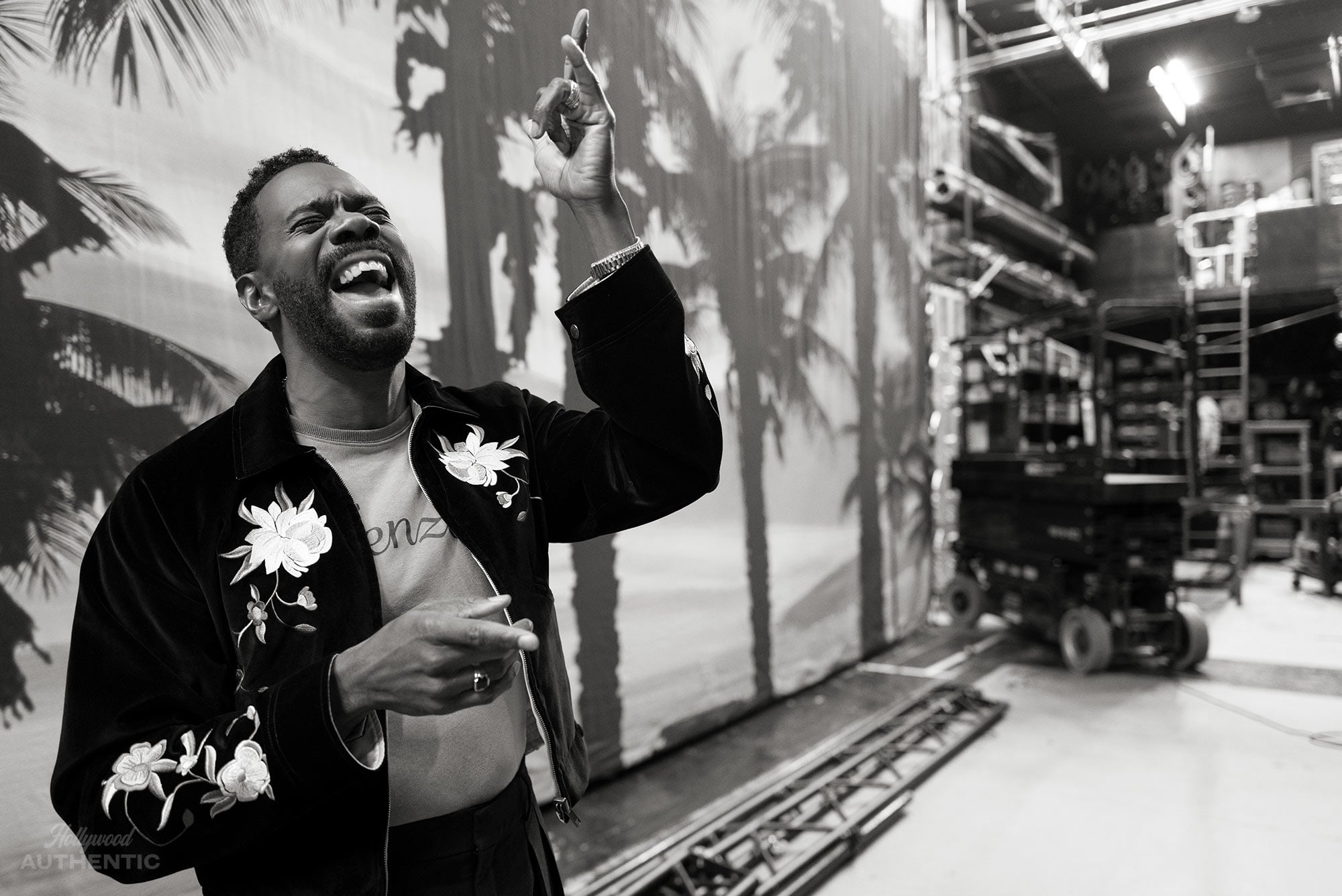
It’s clear that Colman’s rise to prominence has not been an overnight experience, and has been predicated on decades of hard work. I ask about finding success later, the satisfaction of years of graft coming to fruition. ‘It’s funny – now that I’m a discovery,’ he laughs. ‘I’ve been working for 36 years consistently. I used to make my way around the country, working at all these different theatres.’ He even worked in a circus as an aerial web artist, stilts performer, juggler and as a clown. ‘I think clowns are so smart. In Shakespeare, I played a lot of dark clowns; All’s Well That Ends Well has one of the darkest clowns. And so my clowns are philosophers, they’re the truth-tellers. People think that clowns are just being funny. No, clowns are dark as fuck, too! I think I have the heart of a clown, so that’s what I lead with. I use the clowning in everything. I’m always telling actors… I’m never unprepared. I’m researched. I do my work. I know my lines. But then I leave a part of the preparation that feels dangerous, very vulnerable. With a clown, he’s always like this…’ He opens his arms wide towards the darkened seats of the auditorium. ‘Always willing, always open. You have to have a sense of play.’
A lot of the times when you’re working in regional theatre, you’re not making extraordinary amounts of money. Most actors are getting by, working-class people. I was a working-class actor for 25 years. Wherever I worked, it also had to fuel me as an artist. I always had to have a job – I was a good fucking bartender – even as I would take a bow on stage. I would take a bow, change, get a cab, go across town. Within five minutes, I’m like, ‘Hi, what can I get you?’
I ask him to go back to his start and tell me about what drove him – clearly not the fame or fortune, though he has both now. ‘A lot of the times when you’re working in regional theatre, you’re not making extraordinary amounts of money. Most actors are getting by, working-class people. I was a working-class actor for 25 years. Wherever I worked, it also had to fuel me as an artist. I always had to have a job – I was a good fucking bartender – even as I would take a bow on stage. I would take a bow, change, get a cab, go across town. Within five minutes, I’m like, “Hi, what can I get you?” he mimics leaning over the bar ready to take an order. ‘And I don’t even know if that’s humility either. That was just part of the life of an artist.’
Things are different for Colman now: he lives in Malibu, is a brand ambassador for Valentino and doesn’t need to keep the bartending job – but the change came only relatively recently. ‘I feel like I’m playing some catch-up, even with myself,’ he admits. ‘I was actually talking to Spike Lee last night, who knows me as that guy in New York who’s living in a rent-stabilised apartment or an illegal sublet in Harlem. He asked me where I live now. I’m catching up to the fact that I’m someone who lives in a beautiful home in Malibu, and owns some other properties and things like that. I don’t think I’ve changed a lot, but I have changed. That’s OK. I’ve had to evolve.’ He tells a story about seeing someone at Hollywood events who knew him in New York and who keeps saying they miss the way things were. ‘We should evolve,’ he stresses. ‘Not everyone’s happy for you. I’ve attained a lot, and I think I’ve been in my harvest stage. I don’t want for anything. There’s a peace that I have. I know I’ve built a solid foundation of a body of work, and I’m looking for the thing that I don’t know where it exists, or when it’s going to come. But I’m cool if it’s not in six months. I’m cool if it’s not in a year. I’m cool if it happens next week. But I’m open.’
We decide to head to Sunset Boulevard and find the billboard spot where Colman first saw himself and felt a sense of arrival as a movie actor. ‘I still try to approach this industry from being a theatre professional,’ he says as we drive. ‘I try to make it about all of us, and rally all of us together; to get behind something, and not be so individualistic. My career has always been in service of the story. It’s never just been in service of me being number one, or being at the centre of the event.’ On the way to Sunset we stop at the former Complex Theatre where Colman first worked, directing Single Black Female, when he arrived in LA. The theatre is now a shell, shuttered and due for redevelopment. ‘I was just a guy who had come to LA without notions of being in film or TV. I was a theatre rat. But I got here and thought, “This is kind of cool.”’
He tells me he’s always led with opportunity over money, getting paid $150 a day for his work in Sing Sing, and taking work that excites him. He adheres to a ‘one for me, one for them’ approach. ‘Running after the money is never good. You have to run after the experience and the art, and trust that it will take care of you.’ Happily he’s in a position now to pick and choose, but when he landed the lead role in Rustin it was a game changer. I ask if he pinched himself at seeing where he suddenly was, his work recognised, opportunities offered. ‘No,’ he replies quickly. ‘Because I think pinching yourself is being like, ‘I can’t believe I’m here. I can’t believe I did this’. And without any ego, I know I’ve built this. I know every step it’s taken to get here. I do believe this has happened, because I put the work in. What I am in awe of – and this sometimes will make me cry – I’m in awe that I did it. Whatever energy from my parents, from a higher power – I’m still here, and I’m happy, and I’m whole, and I have love around me. I’m still fucking here, and I’m still the person that I know about here,’ he presses a palm to his chest. ‘I haven’t become something that I’m not proud of, or that my parents aren’t proud of. I don’t want to take any of that for granted.’
Colman lost both his parents in 2006, within a few months of each other. He shows me a tattoo on his arm etched for ‘Edith’, his mother’s name, and although he’ll talk about his parents’ love and their passing, he says he’s conscious of keeping his personal life personal. His love story with his husband of 21 years, Raul, is well known, one he describes as ‘star-crossed lovers’. The duo exchanged glances outside a Walgreens in Berkeley in 2005 but didn’t meet and found each other three days later through the Missed Connections column on Craigslist. He acknowledges that it’s a romantic, hopeful and beautiful story but ‘there’s so much more’. ‘Now I think I’m more interested in talking about the story of longevity. How do you keep reinvesting in a person? No one’s perfect and we’re trying to find some joy and grace and love and good times. You can tell if a person is loved or not, by the way they respond in every way in the world, especially with work and being a creative. I’ll walk into a room with love because I am loved. I’m not grabby for anything else.’
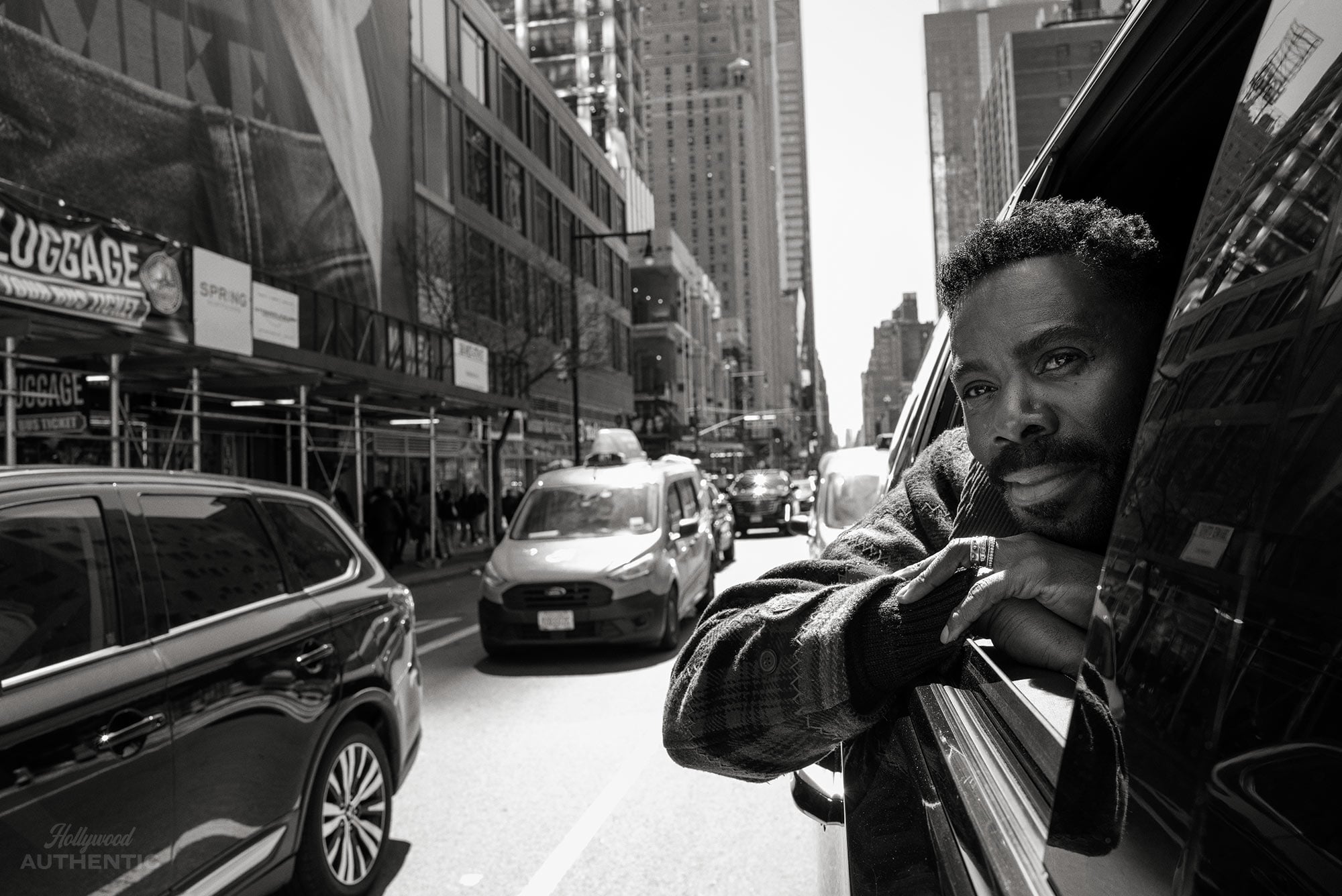
Some people have asked me if I’d have wanted the success to have come earlier? But I know that my journey has been for that to come later in my life, so I can truly appreciate it. I know the value of it. I always look at it as like: it could be my first, and it could be my last. But for now, I’m going to enjoy it
He felt love growing up in a blue collar family and that translated into support when he found acting as a teenager (he joined a summer programme at the Society Hill Playhouse) and in his sophomore year of college while majoring in journalism. ‘I just took to it. It was good for me, and I knew it. And then my teacher pulled me aside one day and said, “Have you ever thought about acting as a professional?”’ I didn’t grow up going to the theatre or believing that Hollywood was this thing that people do.’ Yet, here we are now on Sunset Boulevard, looking up at the billboard where he realised he’d made the journey to movie actor, and in his fifties. ‘The idea that it took over 50 years for me to be on Sunset Boulevard, is extraordinary. You never forget your first,’ he smiles. ‘Some people have asked me if I’d have wanted the success to have come earlier? But I know that my journey has been for that to come later in my life, so I can truly appreciate it. I know the value of it. I always look at it as like: it could be my first, and it could be my last. But for now, I’m going to enjoy it.’ As we stand there two pedestrians shout that they love him from across the street. He smiles and waves, wishing them a beautiful day.
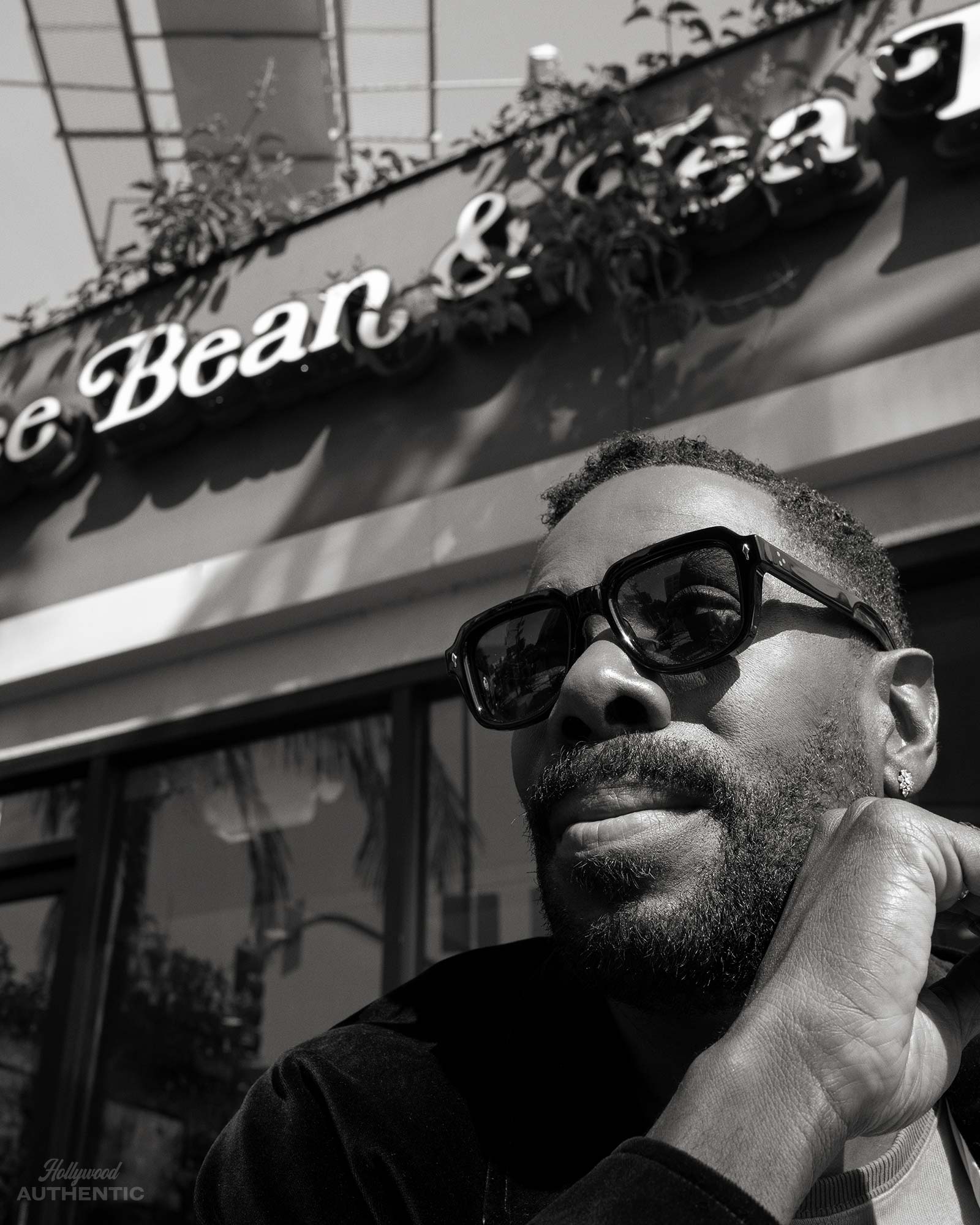
We head to grab a coffee at the nearby Coffee Bean & Tea Leaf where Colman also had a pivotal moment in his career. It was here that he had a meeting to discuss playing Bayard Rustin with director Dustin Lance Black. The two men sat at a nearby table to where we are now and decided to work together, to will the movie into existence. Two years later they made it and when it came to promotion, that first billboard went up right above the coffee shop. ‘It’s as if it was pre-destined,’ he says, sipping his Americano with oat milk. ‘Listen, my whole career has been this way. There are no coincidences.’ He tells me about working on Lincoln with Daniel Day Lewis, and his first time working with Steven Spielberg who he re-teams with on the upcoming Disclosure Day. He and David Oyelowo shared a scene together that was almost replicated, historical decades apart, when they worked together again on civil rights drama, Selma. The horse that his character held for Day Lewis’ president in Lincoln was named Glory, the title of the Oscar-winning song from Selma, and the very same horse he later rode in Nate Parker’s Birth of a Nation. ‘We’re always moving around history, and dancing around it,’ he says. ‘And if we really allow ourselves… it’s showing up in our art. And that’s why I literally believe in magic. Every time I see 3:13 – that’s my mother’s birthday. And for some reason, I always look at my phone – at least a couple of days a week, it says 3:13. Why? I believe that’s my mother saying hello to me. And I accept it as such.’
NEW YORK, 8 MAY 2026
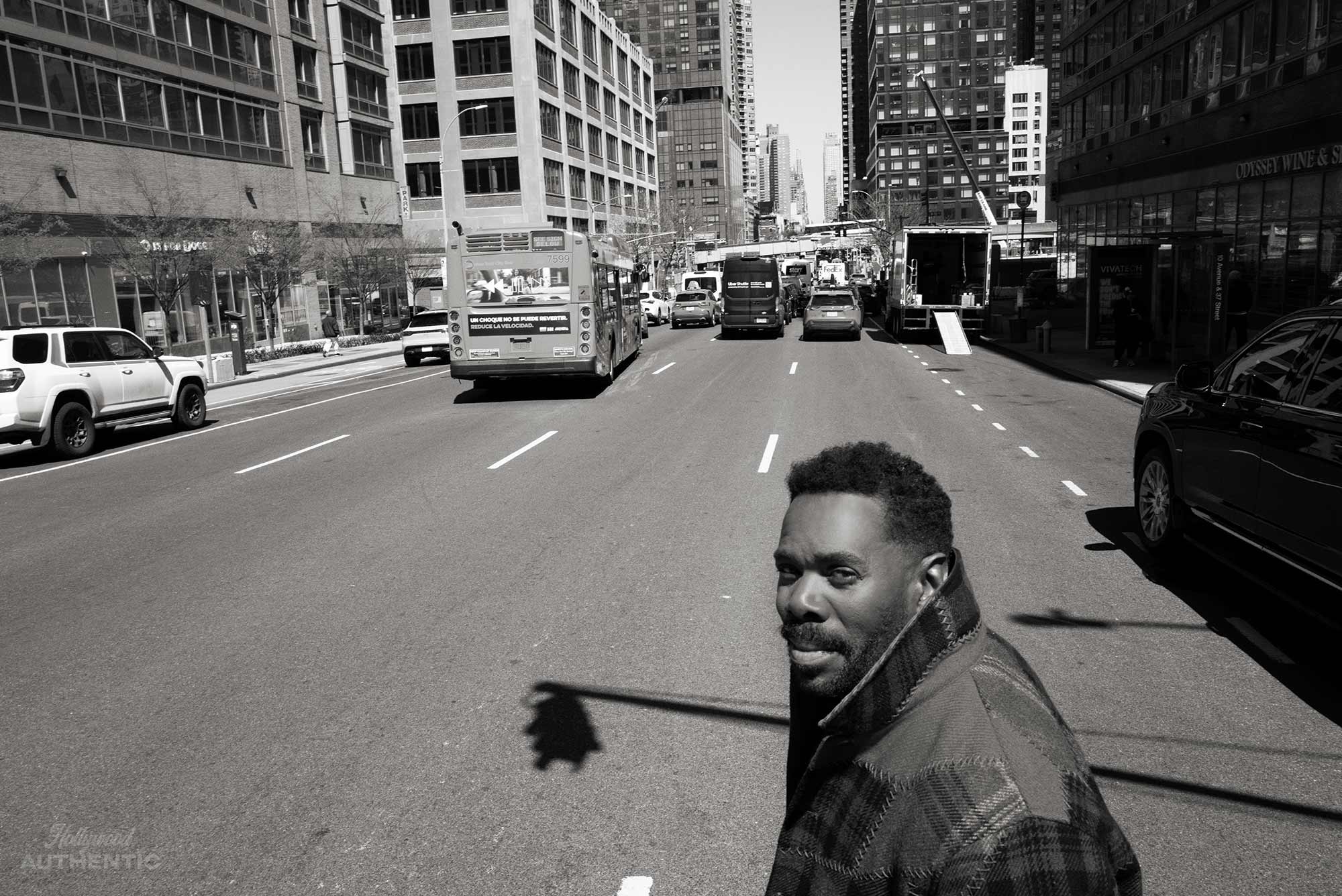
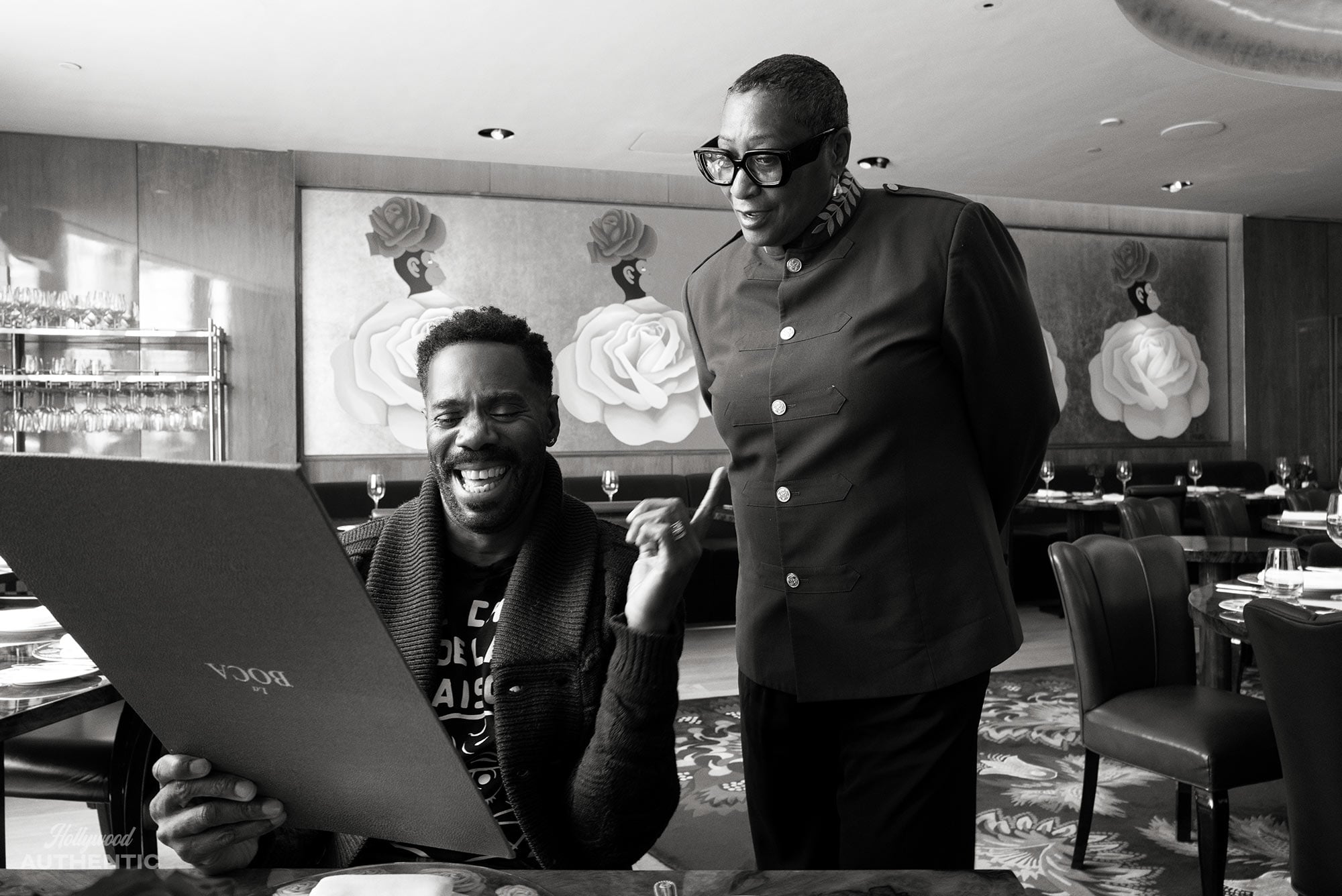
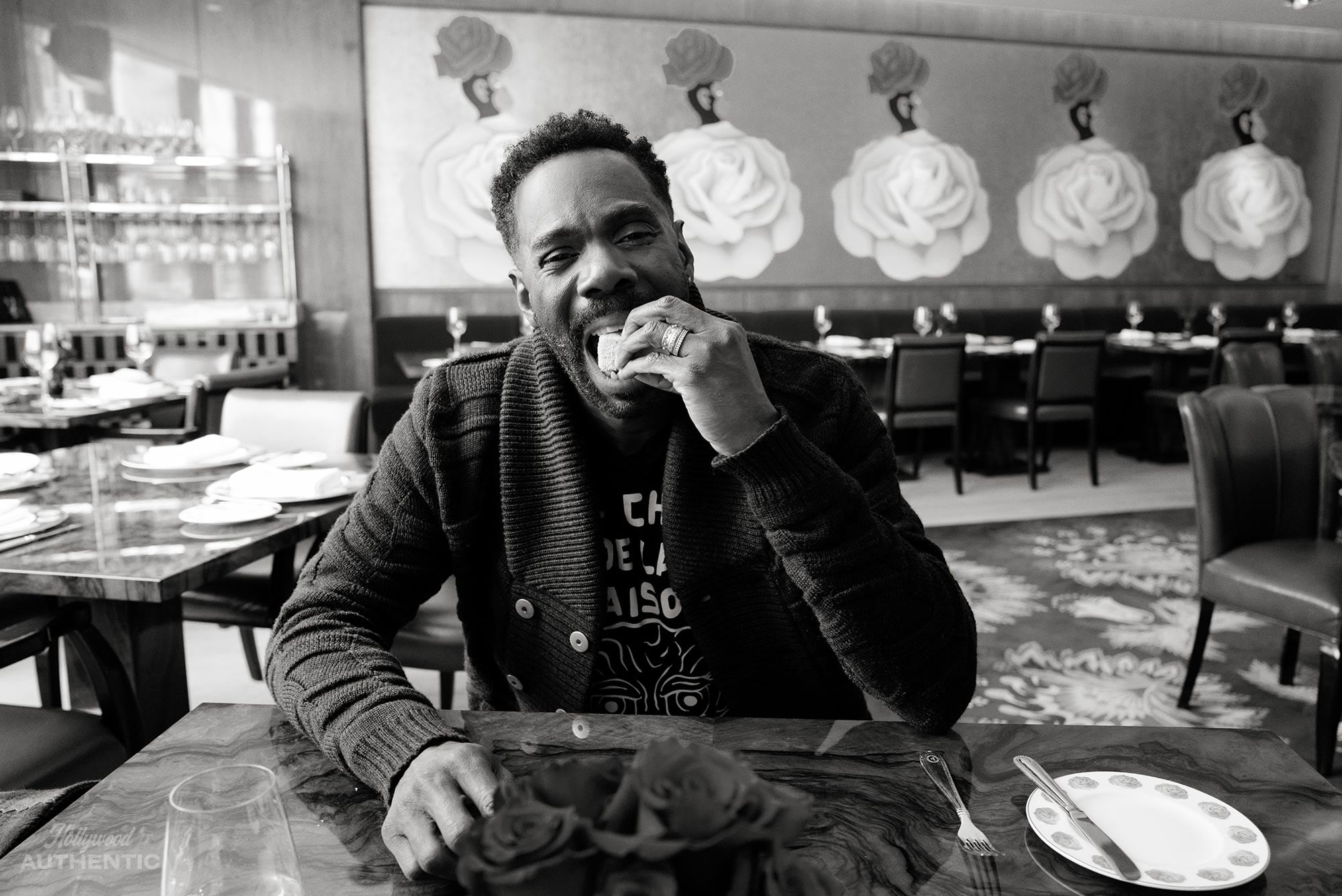
That sense of magic brings Colman and I together again in Manhattan three weeks later when we both happen to be in town the same week. For Colman, it’s a significant trip – he’s hosting Saturday Night Live!, a major milestone for any artist but particularly sweet to him as a longtime New York resident. He’s busy rehearsing for the show and having dinner with Lorne Michaels but wants to show me something of his Big Apple. We meet at the newly-opened Faena Hotel in Chelsea and decide to grab lunch at the restaurant on site. The waitress there tells me that Colman acts with spirit and soul and that he is something special as she hands over menus. He looks bashful and thanks her, and over Mendoza beef tenderloin empanadas Colman tells me the recognition he receives as he moves through the world now is ‘the most beautiful thing’. ‘People let me know that what I’ve been doing has been meaningful, and it touches people. That’s what my work is now giving me back.’
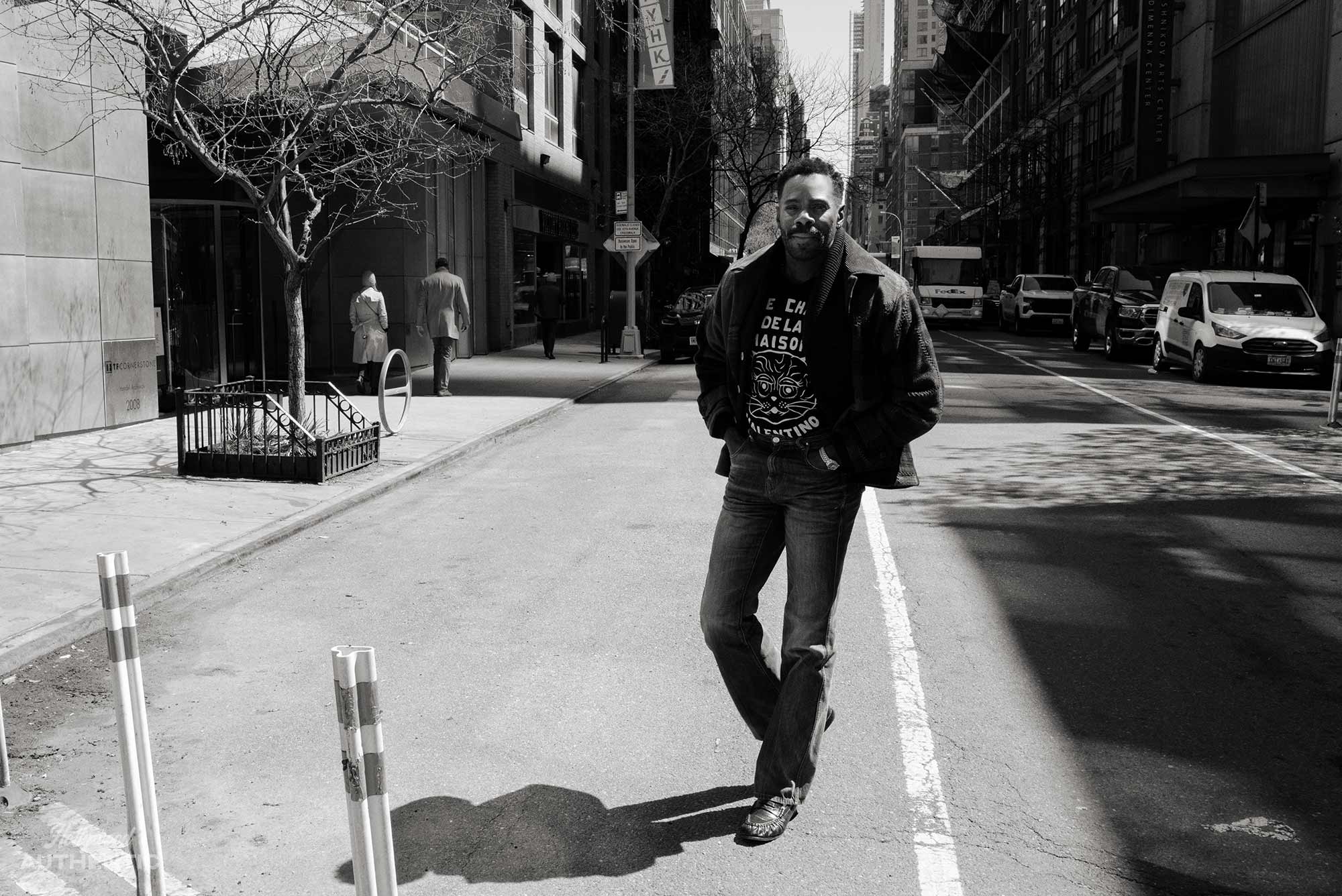
When he was a self-described theatre rat, Colman lived near here but with gentrification and investment the area is now almost unrecognisable to him. The bar he used to work at is gone, his old apartment in Harlem is now hip. ‘I know that this New York is not mine. It was mine when I was here. I’ve made new agreements with New York, because I think you’re supposed to.’ As he was in LA, Colman is very much about forward motion, evolution, living fully in the present. He can no longer walk the same streets he used to in the same way; ‘I’m a public persona,’ he states, ‘the old me – I was everywhere and doing everything in New York. But that was a different guy, a different hustle.’ He admits that dealing with fame has been a learning curve. ‘As somebody who is really about people, and being out, and having experiences, and being in the world – for me to make my world smaller is a challenge. I wrestle with that every day.’ But he insists he doesn’t mourn his anonymity. ‘Because it’s another chapter.’
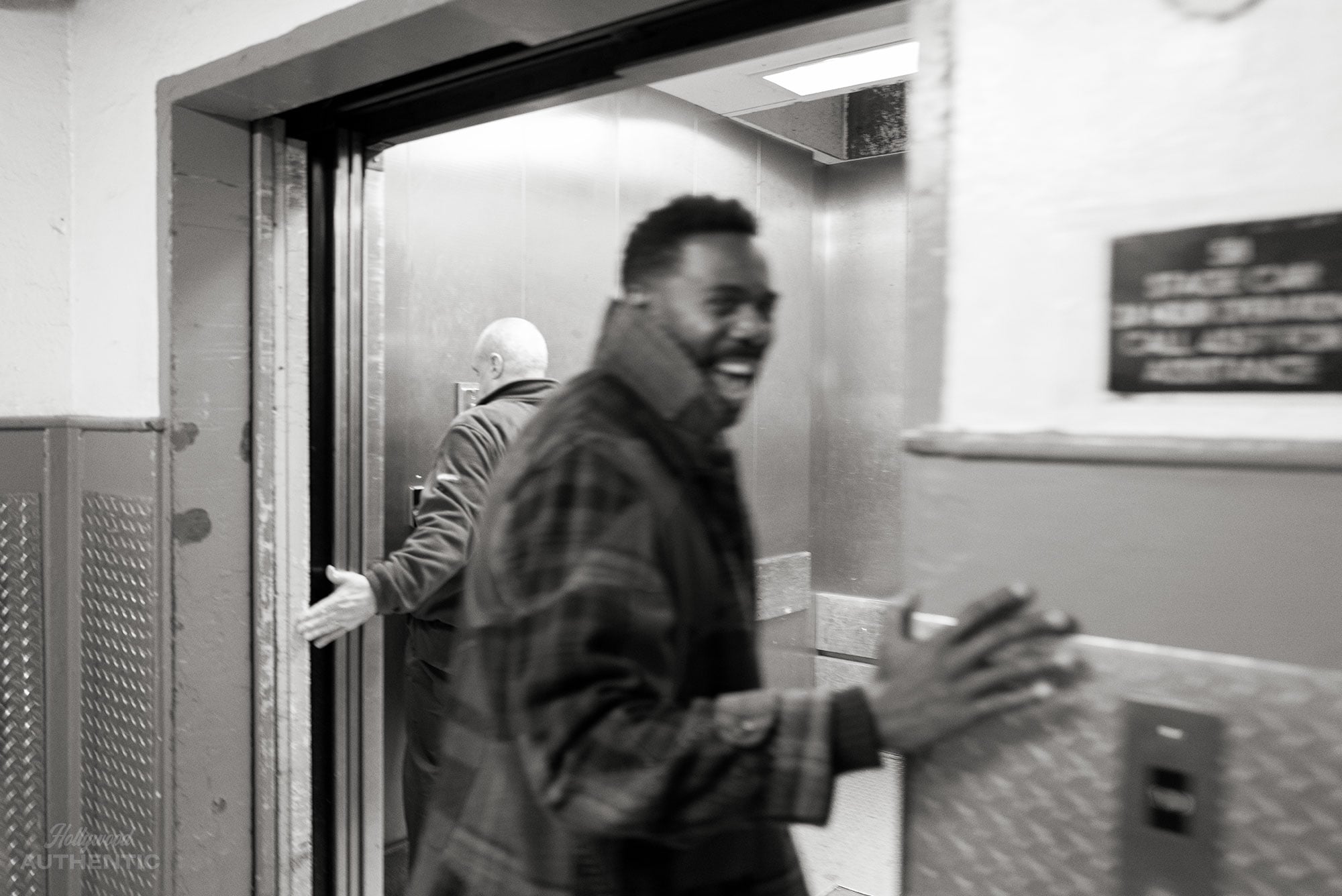
This week’s chapter started on Monday meeting the SNL writers, filming promos on Tuesday, and today, deciding on the sketches that will make the show on the weekend from 40-50 options. Colman is taking it all in his stride as someone who has done fast-paced comedy before on The Big Gay Sketch Show – and because this year he’s also travelled to Africa and skydived from 10,000ft up with Bear Grylls. ‘They could be bucket list items,’ he laughs, ‘but also, SNL is one of those things. It’s a zeitgeist.’ Along with promotion work for Michael and Disclosure Day, Colman is busy – and happy to be so – but he confesses to needing to ‘go to ground’ to be creatively fertile. ‘When things start spinning, it doesn’t work well for me. I actually feel like I don’t know how to actually “create” or “do” when things are too crazy. The only way I can work is if things are hyper-organised. And then I’m like, “Oh, then I can be free.”’
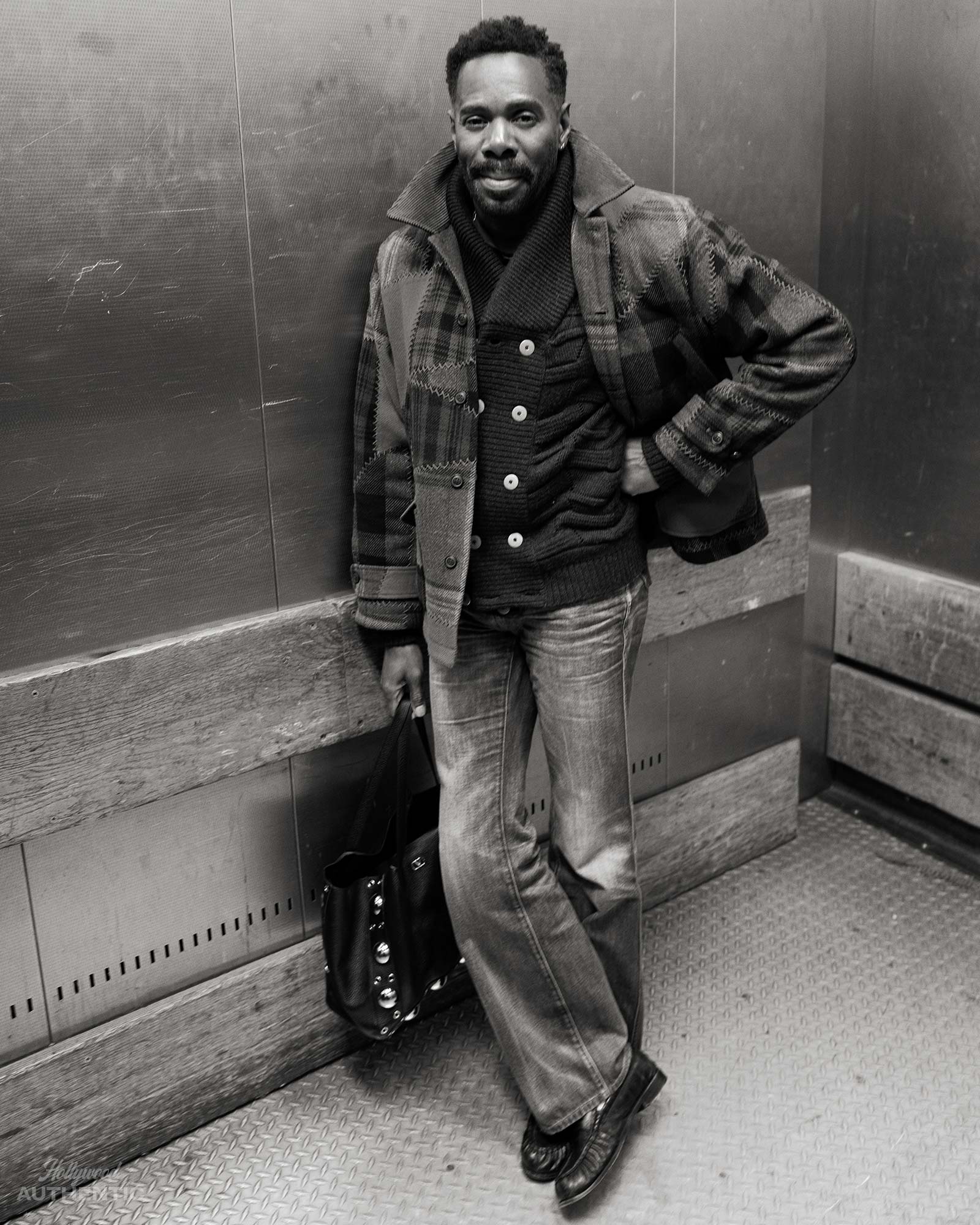
People let me know that what I’ve been doing has been meaningful, and it touches people. That’s what my work is now giving me back
With lunch over, it’s time to head to SNL. We jump in a car and head up 10th Avenue and onto 42nd Street, Colman’s old theatre stomping ground. I ask him for his happiest memory of New York, before he made his new agreements with the place. His answer is immediate – it was living in Manhattan Plaza on 43rd and 9th, a rent-stabilised apartment building that was home to numerous artists – among them Alicia Keys, Samuel L Jackson and Angela Lansbury. ‘It gave me more freedom to just be the artist that I was. And that’s your happiest time. You’re like, “I can write the plays I want to write. I can work when I want to work, and how I want to work. I can build the rooms the way I want to build it.” I was on a waiting list for nine years to get into Manhattan Plaza. And once you’re in, you’re in. You feel like you can create with so much liberty.’
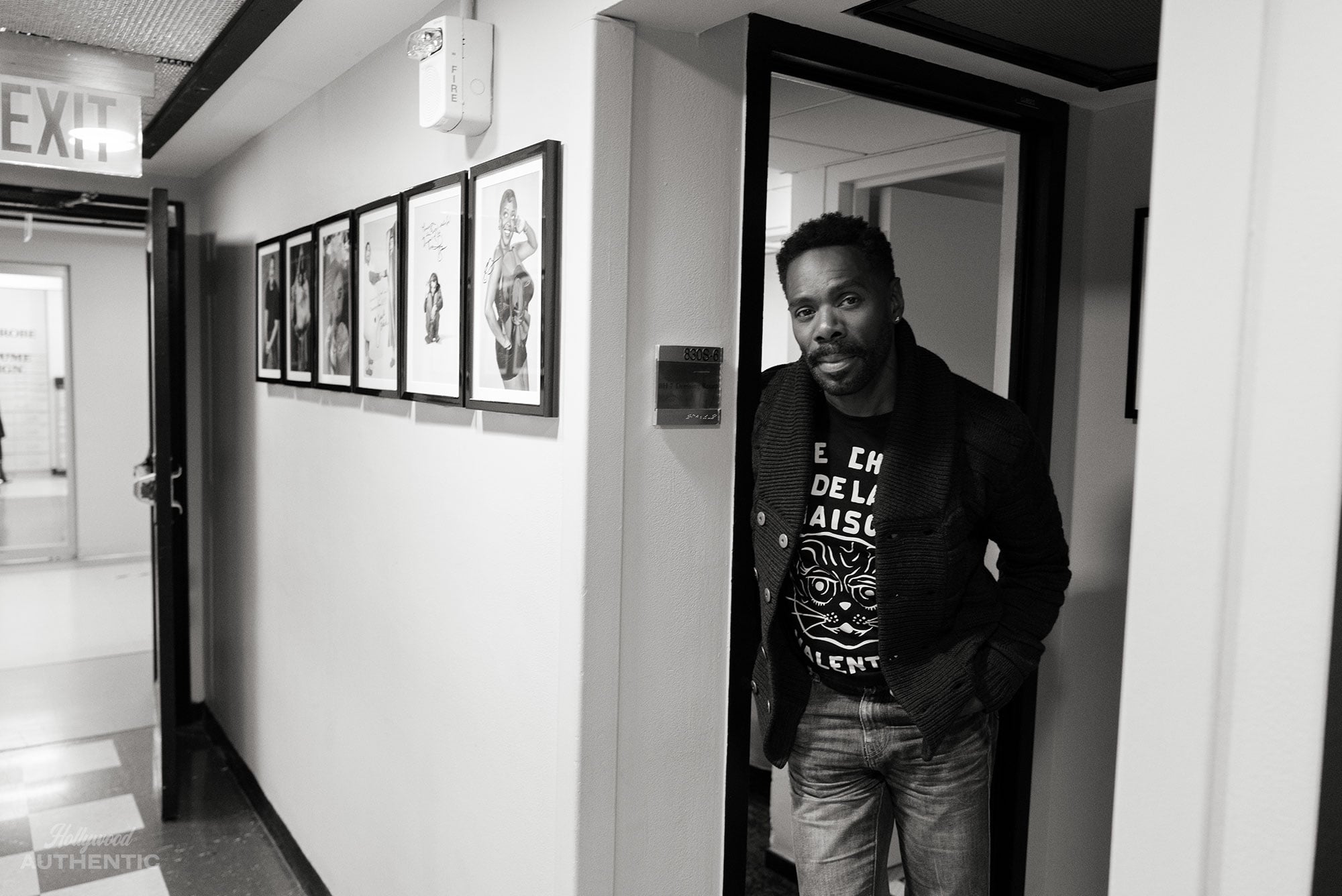
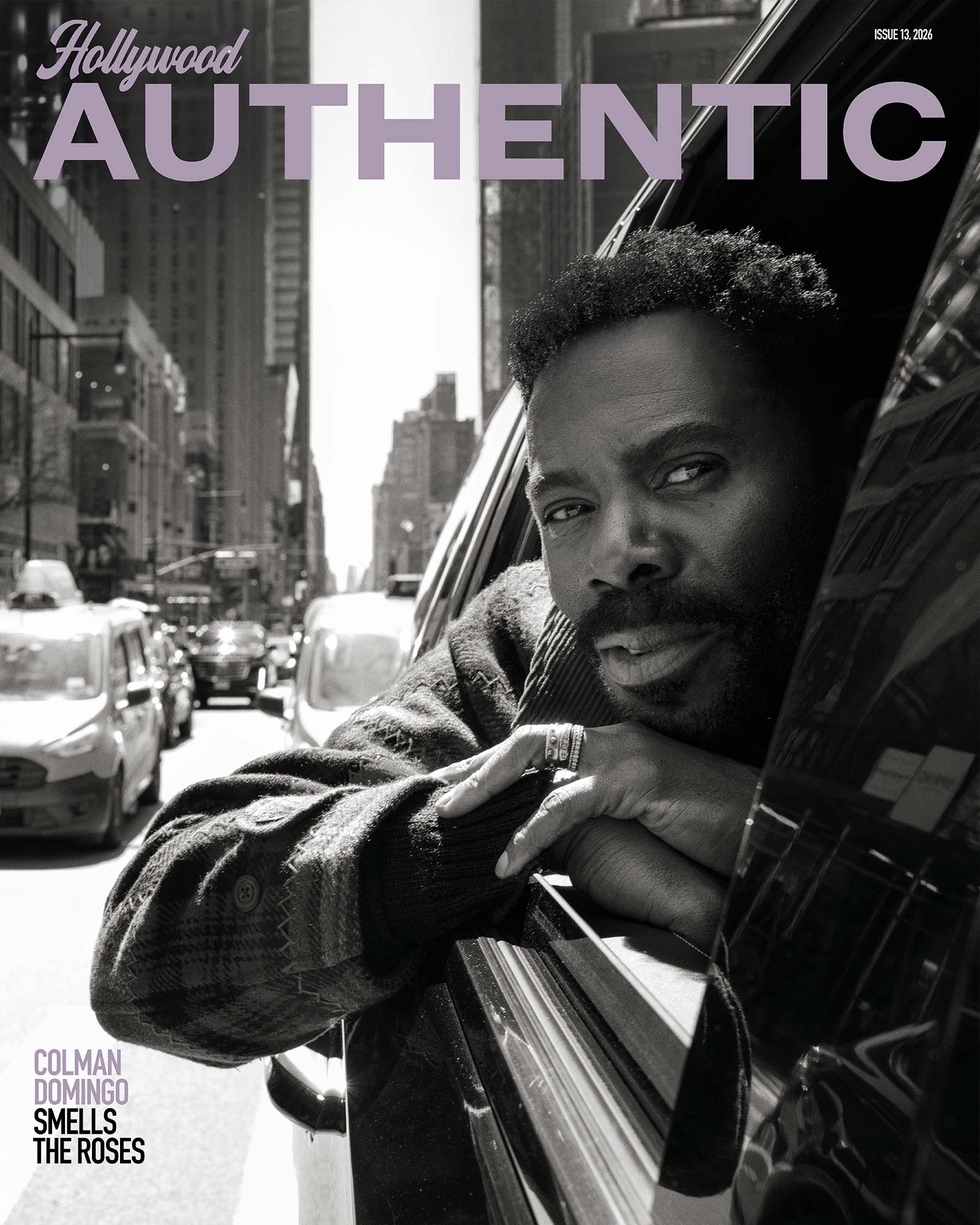
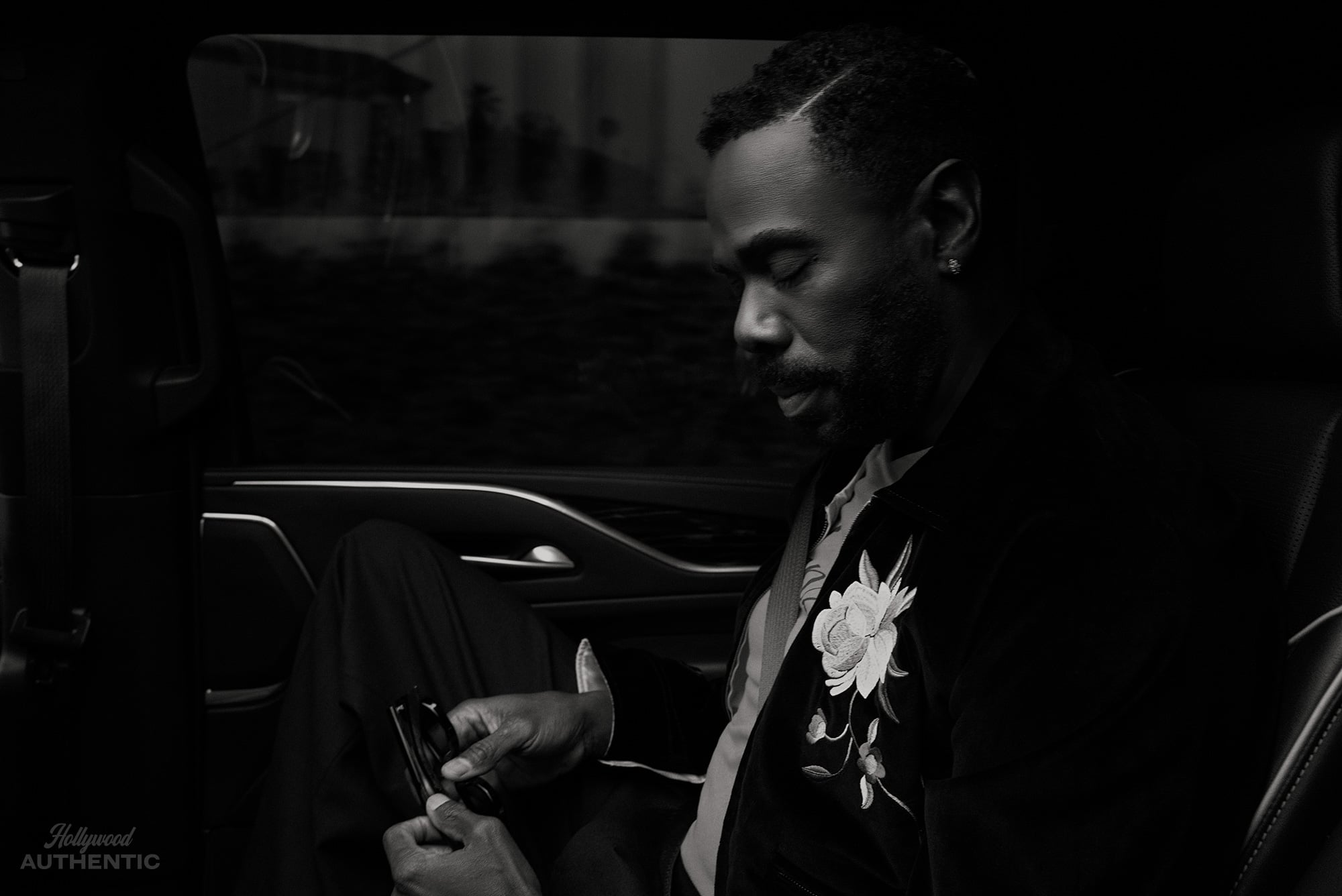
We travel onward to Times Square. ‘I used to live over here, down there, and right down here,’ he says, pointing out different apartments as they pass. ‘They say it’s the city that never sleeps, but that’s kind of a lie now, because it feels like it takes naps now,’ he jokes. ‘I worked all up and down these Broadway streets. I’d haunt them. But you don’t own this city. You own it when you’re here, when you’re young, when you’ve got your hustle on. But then you move along, and it becomes somebody else’s city. You don’t want to go backwards.’ At a stop light I move from the back of the car to the front seat and look back at Colman as he watches his former city slide by through the open window. The light is beautiful as he gazes optimistically into his future, the vanishing point of Manhattan behind him.
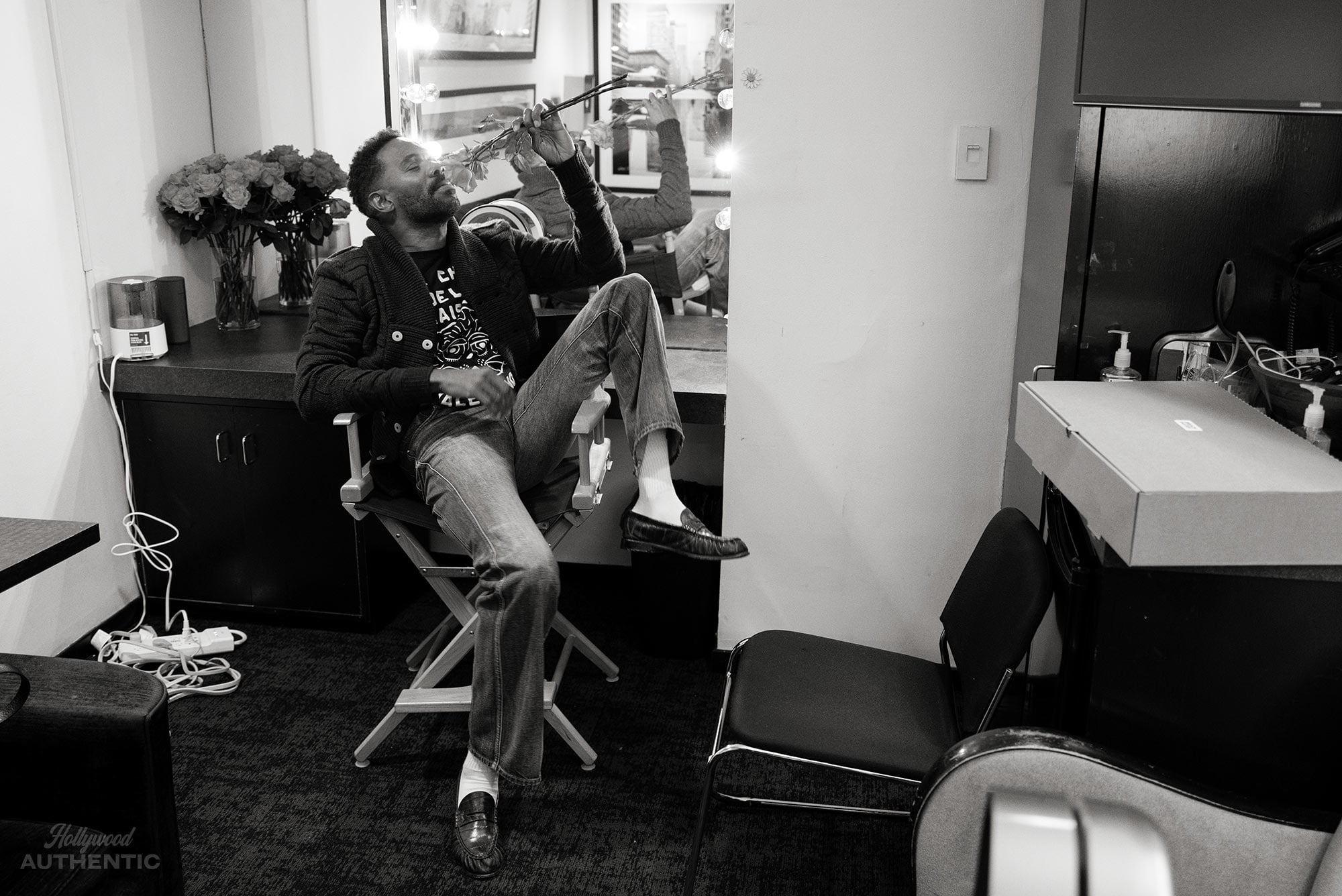
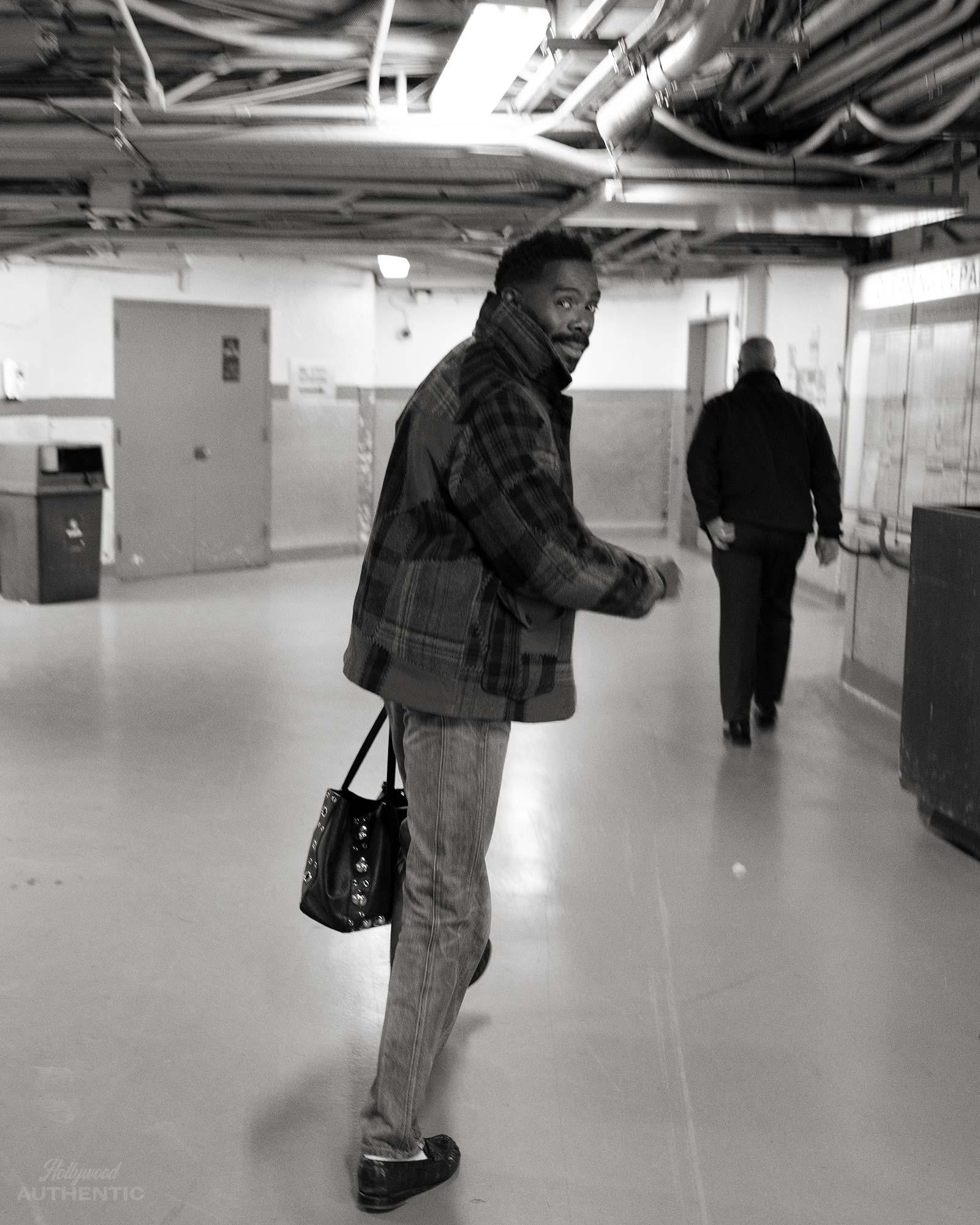
When we arrive at the SNL studios we drive under the Rockefeller Centre and down through a subterranean maze. We jump in the elevator to rise upward to the SNL production offices and walk the corridors to Colman’s dressing room. His name is on the door in that famous SNL script and a bouquet of long-stem roses awaits him in a vase on the dressing table. He has a moment of calm before the writers’ meeting and the chaos of production towards Saturday night. He smiles and pulls a rose from the bunch, sits on his dressing table chair and presses the petals to his nose. He inhales deeply, taking the moment to appreciate the scent before there’s a knock on the door and he’s whisked away into his busy schedule. Like his approach to everything else in his life, he is literally stopping to smell the roses…
Photographs & interview by GREG WILLIAMS
As told to JANE CROWTHER
Michael is in cinemas now, read our review here
Disclosure Day is in cinemas 12 June
Grooming by Jamie Richmond
Styling by Wayman and Micah
Coleman wears Kenzo, Maison Valentino, Omega and Jacques Marie Mage
Thanks to The Geffen Playhouse