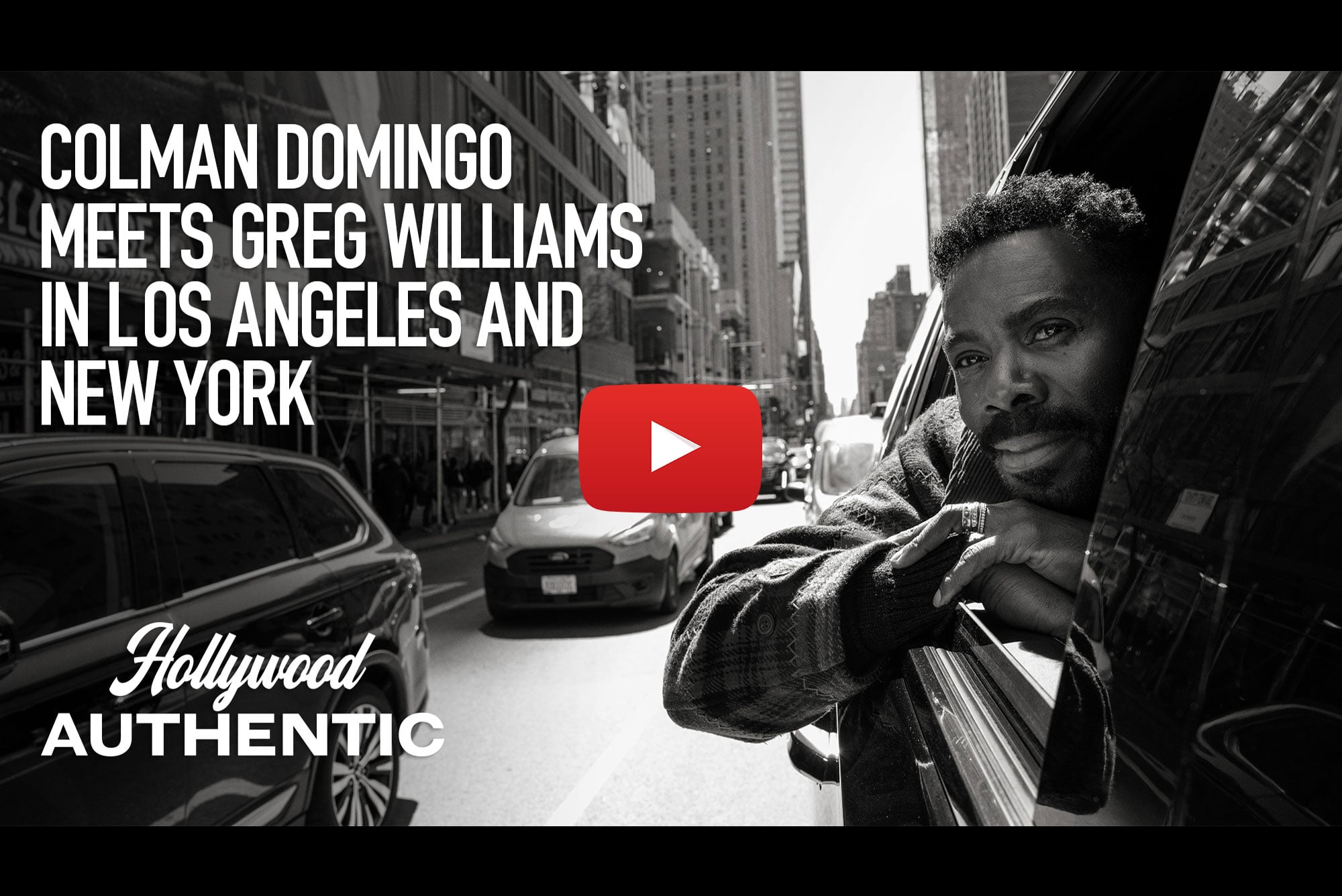
Colman Domingo meets Greg in Los Angeles and New York.




Photographs & interview GREG WILLIAMS
As told to JANE CROWTHER
Having worked decades to finally arrive, Colman Domingo meets Greg Williams on two coasts to explore the steps to success and the evolution of an artist.
LOS ANGELES, 15 MARCH 2026
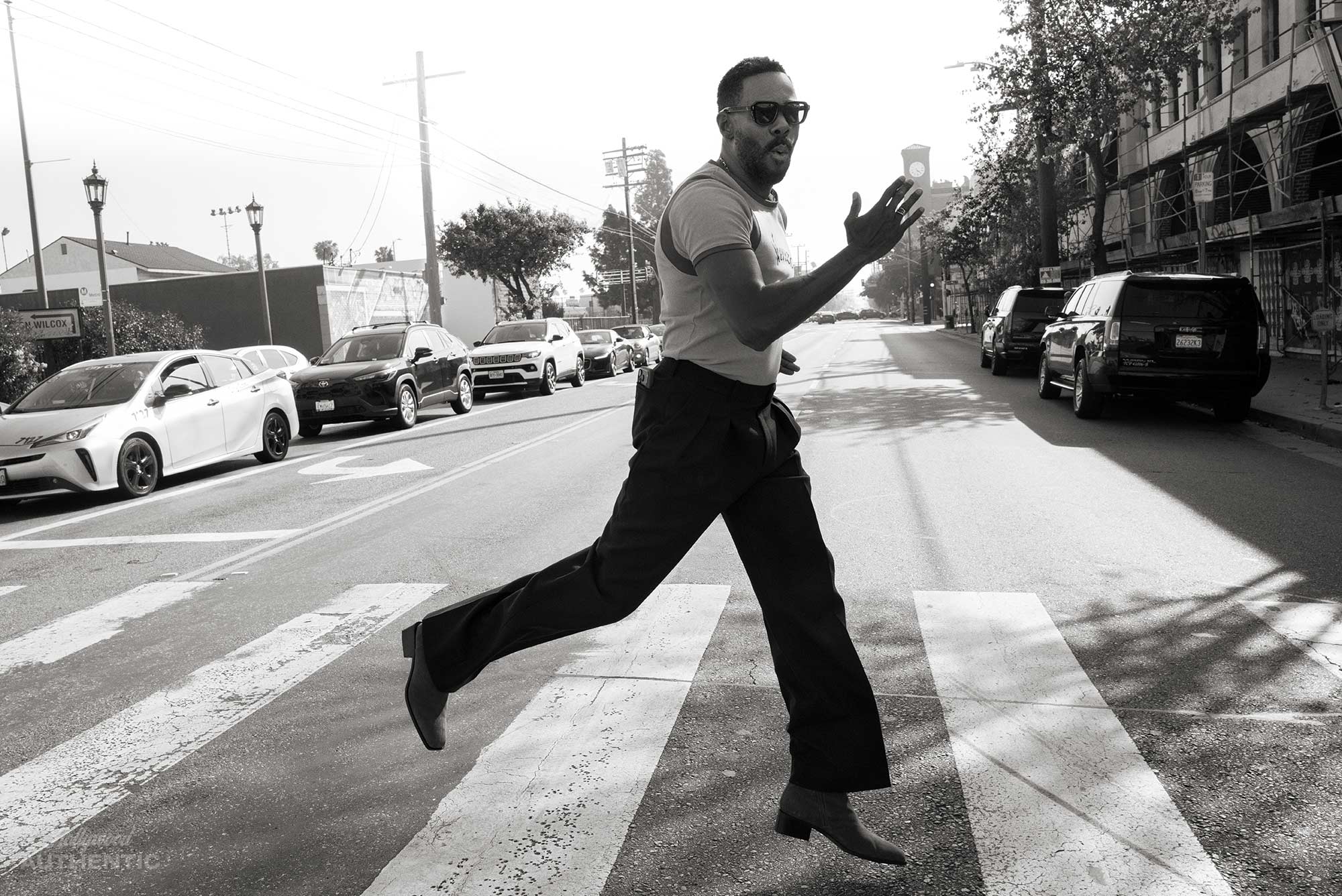
On Oscars morning, as Hollywood’s denizens begin their glam and grooming all across town, I meet Colman Domingo in his suite at L’Ermitage Hotel in LA. Though he spent last night hanging with Anna Wintour at the Vanity Fair dinner, the twice-Oscar-nominated actor is up early, his smile wide as he invites me in. On the biggest day in the cinematic calendar, we’re going to ride around the Philadelphia native’s adopted city and retrace the career steps that saw him consecutively nominated for Best Actor for his powerhouse performances in Rustin in 2024 and Sing Sing in 2025. Roles that led to turns in The Color Purple, The Running Man and, hitting cinema screens now, playing the King of Pop’s dad in biopic, Michael, and a key role in Steven Spielberg’s highly anticipated big ensemble return to alien encounters, Disclosure Day.
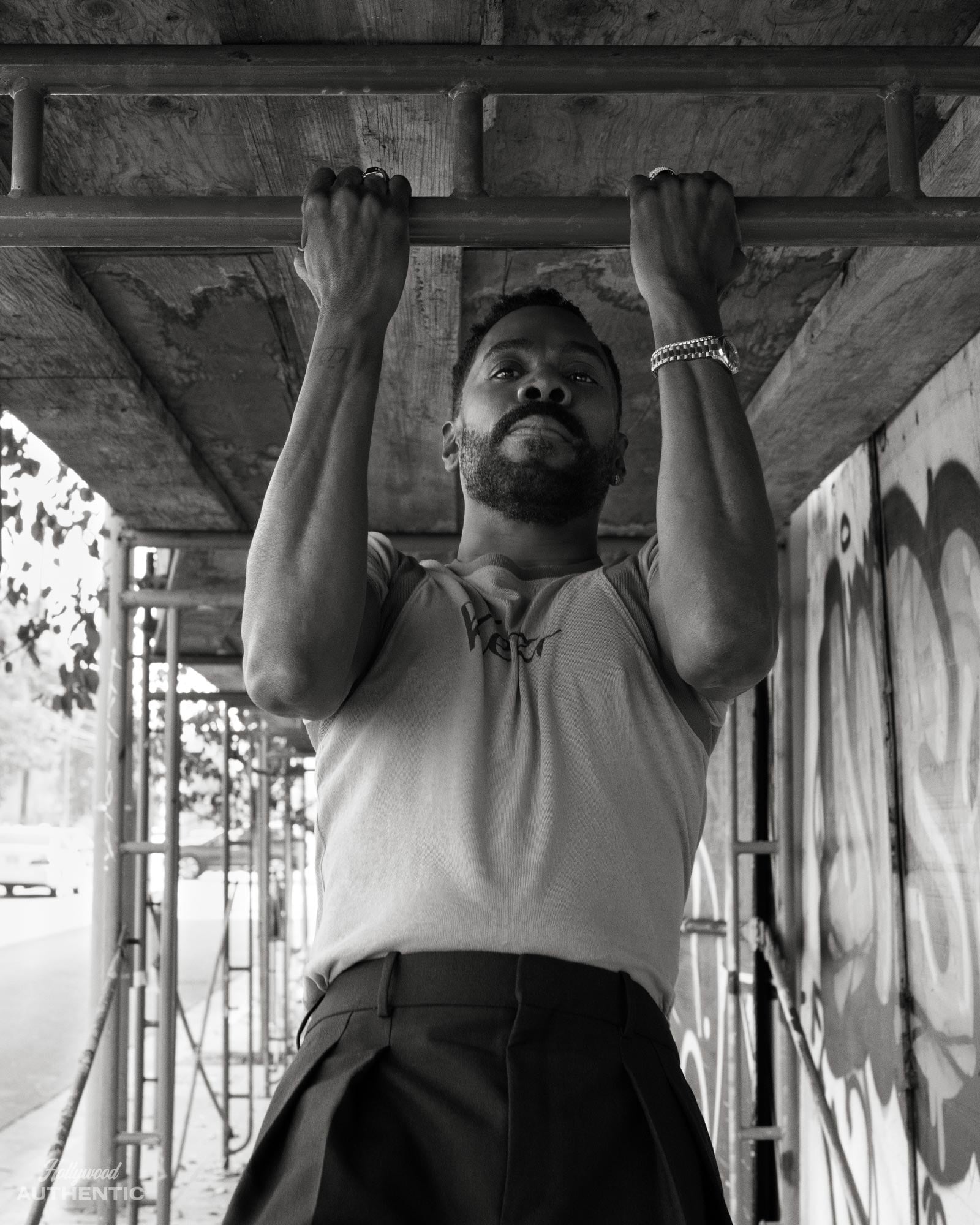
This year, the actor is going to be enjoying the celebratory vibe of Oscars night without pressure – he’s attending the Vanity Fair party later this evening (‘I’m good for a crowd – she’s built for it,’ he says of himself). I ask him for his recollection of his two Academy Award nomination nights, a back-to-back run of achieving the utmost accolade of any actor. ‘One memory? Having my family out here. It was nice. Because usually I’m having a lot of this journey with friends and colleagues, and a lot of times not with my family. And my family… that’s my blood.’
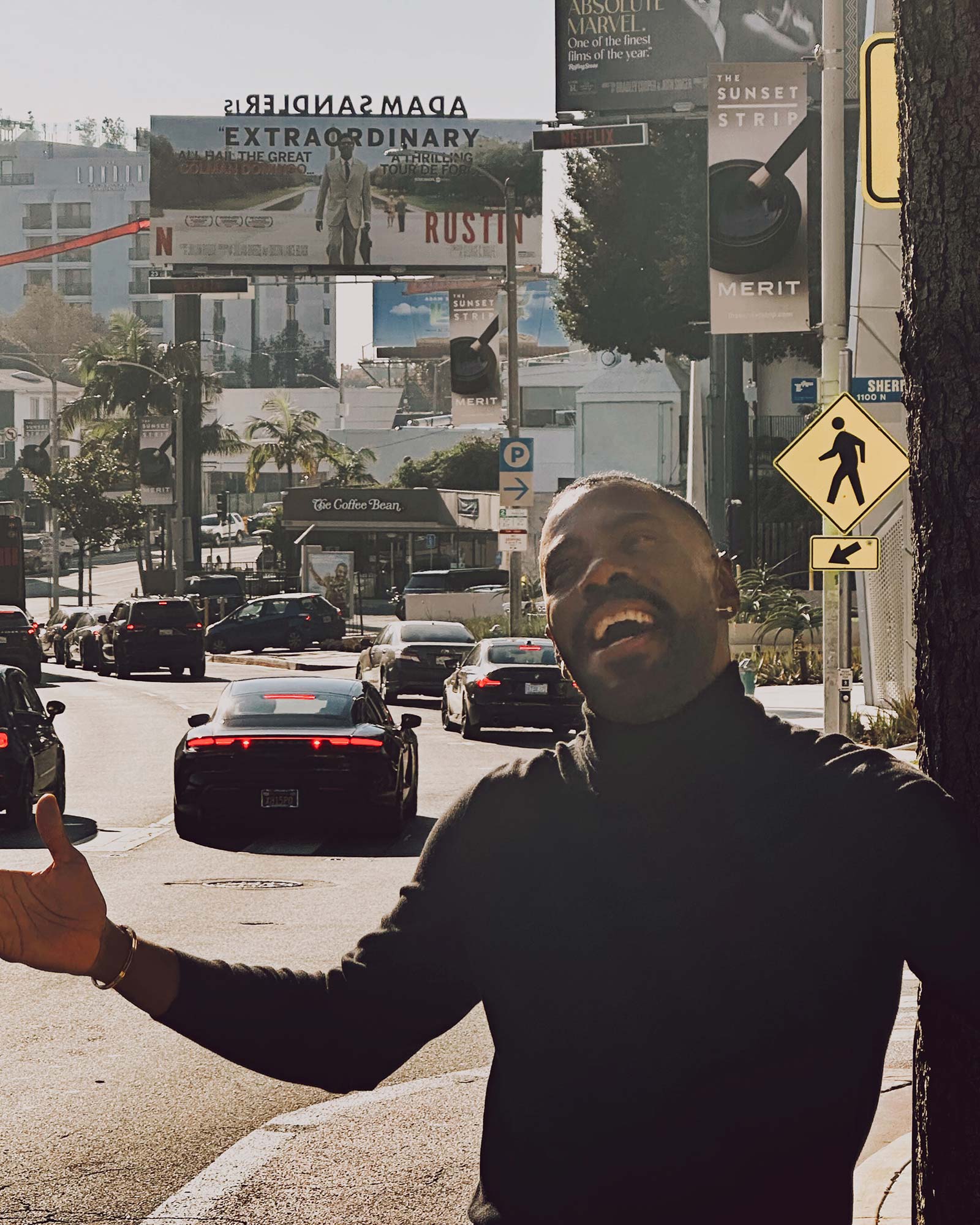
Colman’s ‘Oscar breakfast’ this morning consists of a couple of cups of coffee and the enticement of a miniature chocolate statuette; ‘I usually try to bite off the head by the end of the night.’ That’s for later; now, we are going on a tour of the actor’s LA to find out how the city shaped him. ‘The funny thing is, I was coming out to LA as a theatre director, which is wild. And then, you know, other things happened in my career… like becoming a movie star,’ he laughs. As we set off he tells me that the pivot from theatre to cinema was crystallised for him when he saw a giant billboard poster for Rustin, his first with him as lead. He was driving around LA with his friend, Jamie, and glimpsed his face, feet high, and looking down over Sunset. ‘We both cried a little bit. We took pictures because we knew it was such a big deal to have, for the first time, my face up on one of those billboards. I remember it like it was yesterday – we were both in awe. And all the superlatives for the reviews and all. We knew it was a moment. We were like: you don’t get those often.’
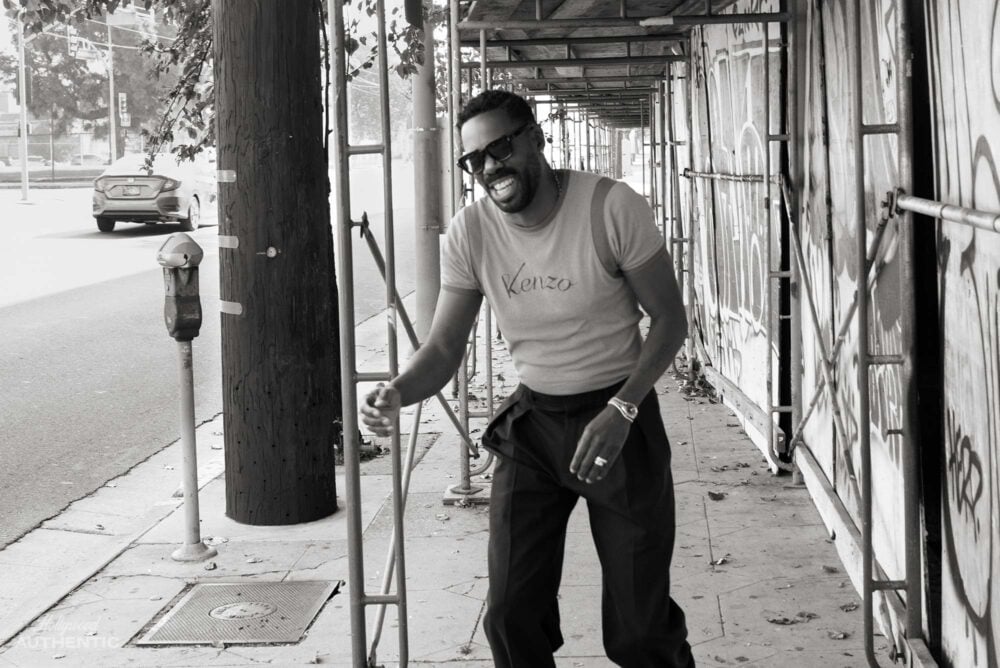
Gratitude, pausing to appreciate and having a clear sense of where he began – and the work it took to move the needle on his career – is something that I understand as Colman’s MO as I spend time with him. He doesn’t want to dwell on the past, but at the same time he honours and is reverential of it. A word he uses often is ‘build’; when he describes his approach, his preferences, the stages and steps of his career. It’s apt for an artist who has taken decades of hard work to arrive at a place where he’s admired by colleagues and audiences alike. And in service to that journey, he wants to show me the places in LA that marked evolutions for him.
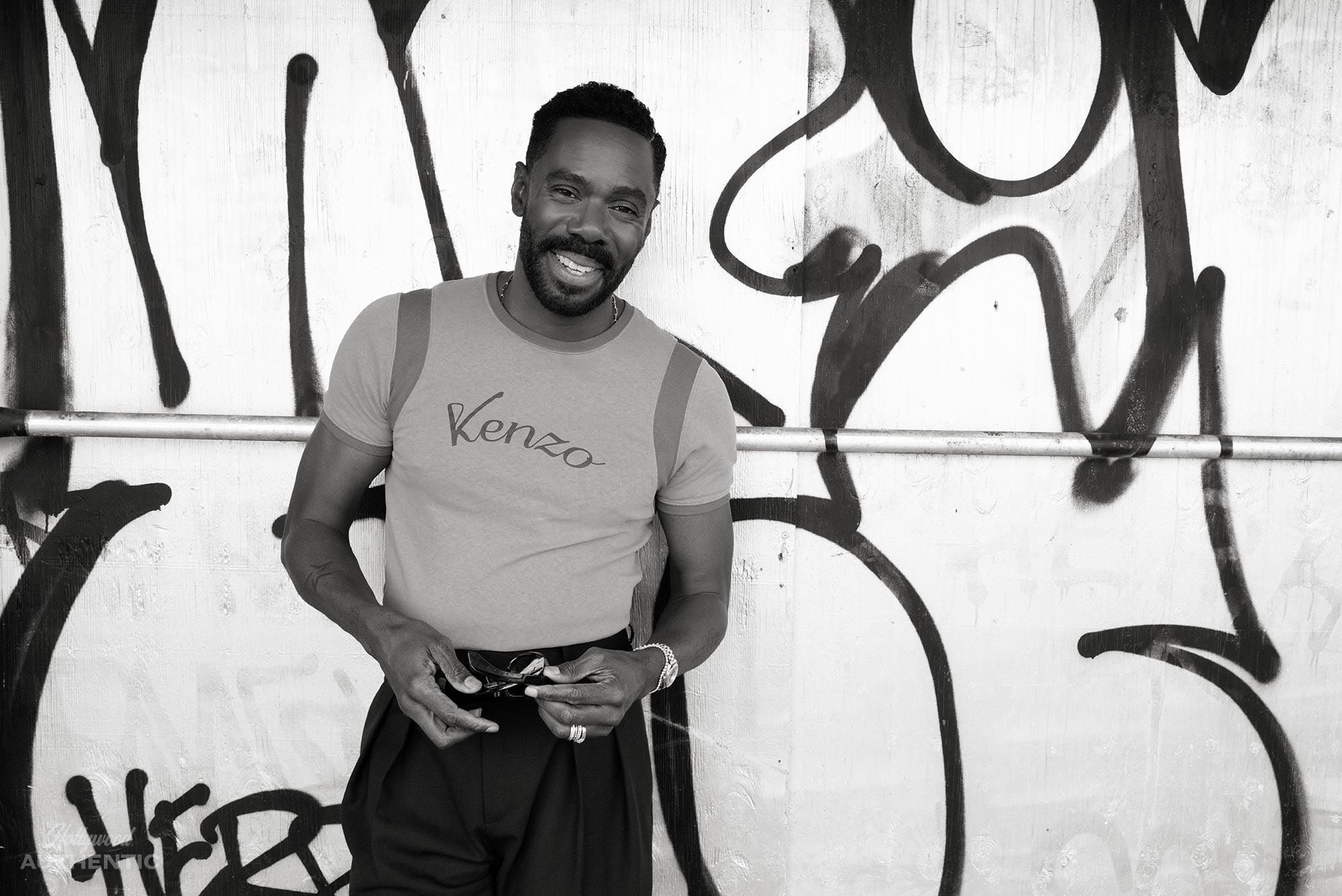
We head to the Geffen Playhouse where Colman directed Barbecue in 2016, a Hollywood satire about addiction written by Robert O’Hara (which he has since turned into a screenplay). The Geffen is also where he co-wrote and directed the musical, Lights Out: Nat King Cole, which he describes as ‘a dark night of the soul’ for the legendary singer. ‘When you deconstruct an icon like Nat King Cole, who lived with so much grace and elegance, you also start to look at the world that he was living in. How did he create all that beautiful music, living under the harshest times in American history? For me, it’s a great examination.’
I admit that I am fascinated by the artist’s ability to take pain and turn it into something beautiful. Colman nods. ‘To be honest, I come from a very healthy, happy home that wasn’t filled with a lot of heartbreak and tragedy. I lost my parents. But it’s normal stuff. What doesn’t kill you, makes you stronger. But I know I pull from a place of curiosity: what do people do with pain? How do you survive? Do I have that in me? I wonder, “Do I have Joe Jackson in me [who Colman plays in Michael]? X in Zola, a pimp? Mister in The Colour Purple? Do I have Bayard Rustin in me?” I think I’ve always looked at myself as an ordinary man – an everyman – but it’s meant that I can actually shapeshift and become all these people, and try to figure out how they live in me.’
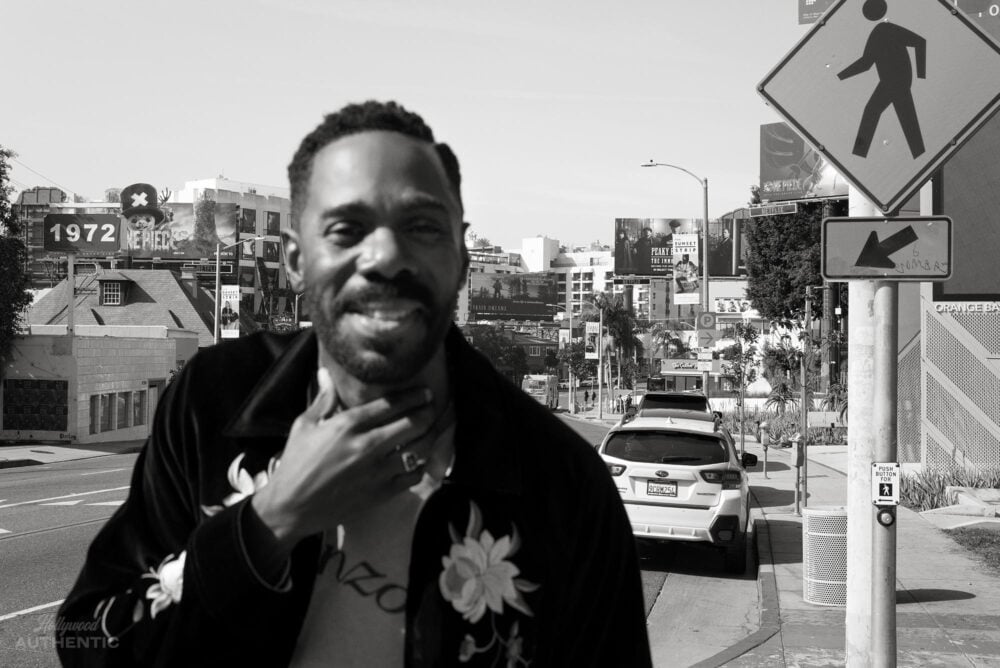
The funny thing is, I was coming out to LA as a theatre director, which is wild. And then, you know, other things happened in
my career… like becoming a movie star
As we drive to the Geffen Playhouse in Westwood Village, I ask if all actors have to be able to tap into that empathy. ‘I really think that has to be the basis of your work. If I go through a character’s perspective, then I understand him, and I can have empathy for him. That’s a great challenge right now with anybody in the world. We’re so polarised, but if we really try, we can really find the humanity in anybody. Once you examine that, I think you can also move forward, and actually find some healing, and find some grace. I think that maybe that’s what I’m trying to find in a lot of characters. I’m trying to find grace, always, even in people who don’t have it forward-facing.’
As I’ve found with many actors, there’s real curiosity that drives their work. Colman agrees. ‘No one would imagine when I was in high school that this would be my career, because I was an observer. I do now know that that’s a part of my gift, because I was very shy. I sort of decided not to be a shy person by the time I got to college. I worked in a Barnes and Noble book store in Philadelphia when I was 19 years old, and I used to take care of the self-help section and the travel section. Even then I was very curious about: how do you become a person? So I would read self-help books all day long, and then I read travel books. I think that I was really trying to figure out, and test out, how to become the person that I wanted to be. I was researching my own character. My older brother, Rick, and older sister, Avery, were very cool, athletic, gregarious and funny. And I was shyer, bookish and not cool or particularly funny. I wanted to become more like them. So I had to learn. But I think that’s the greatest part about this career, too. I’ve learned so many things. I’ve travelled. I do all these things that I would never get the opportunity for. And I feel like that’s all building blocks to becoming a person.’
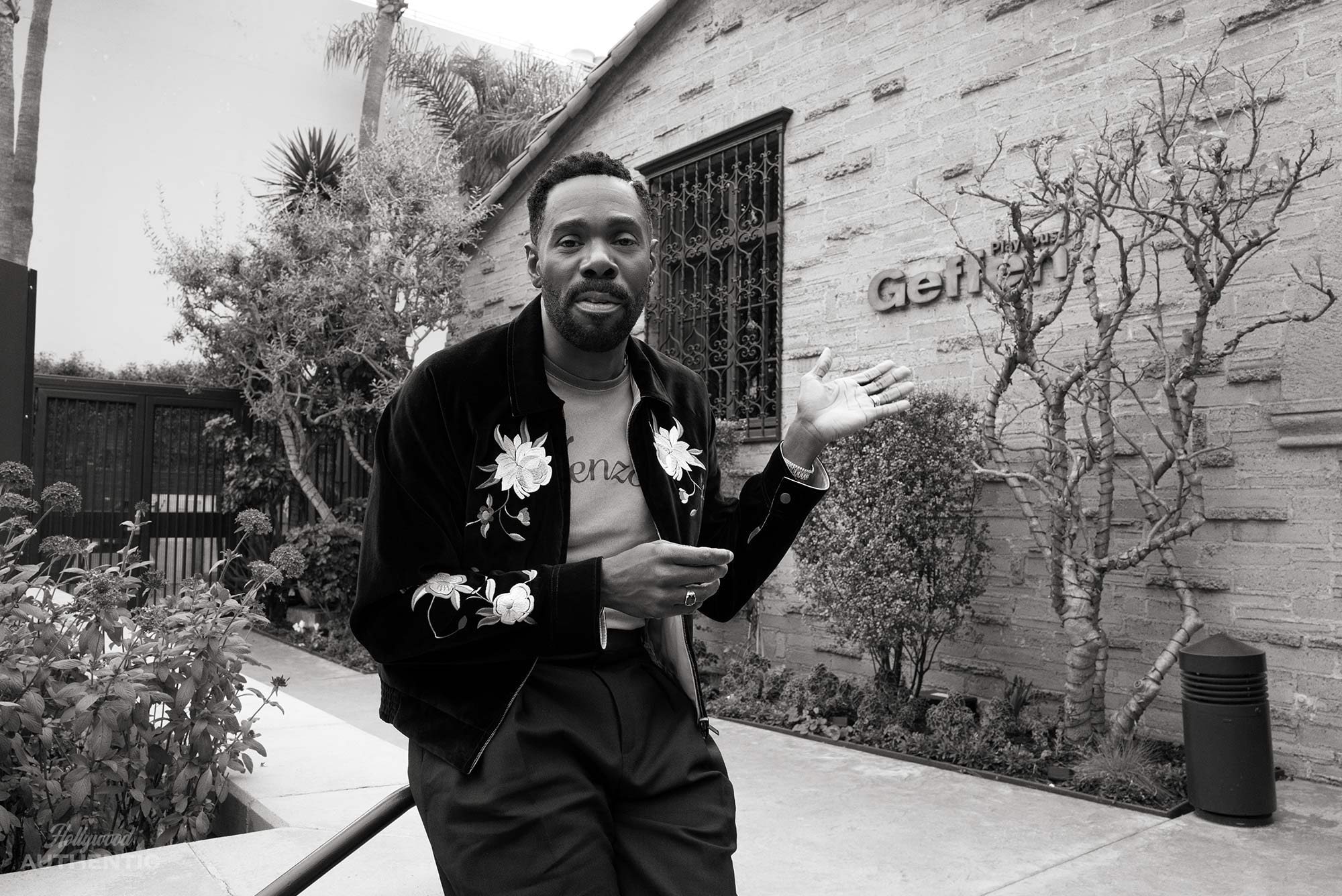
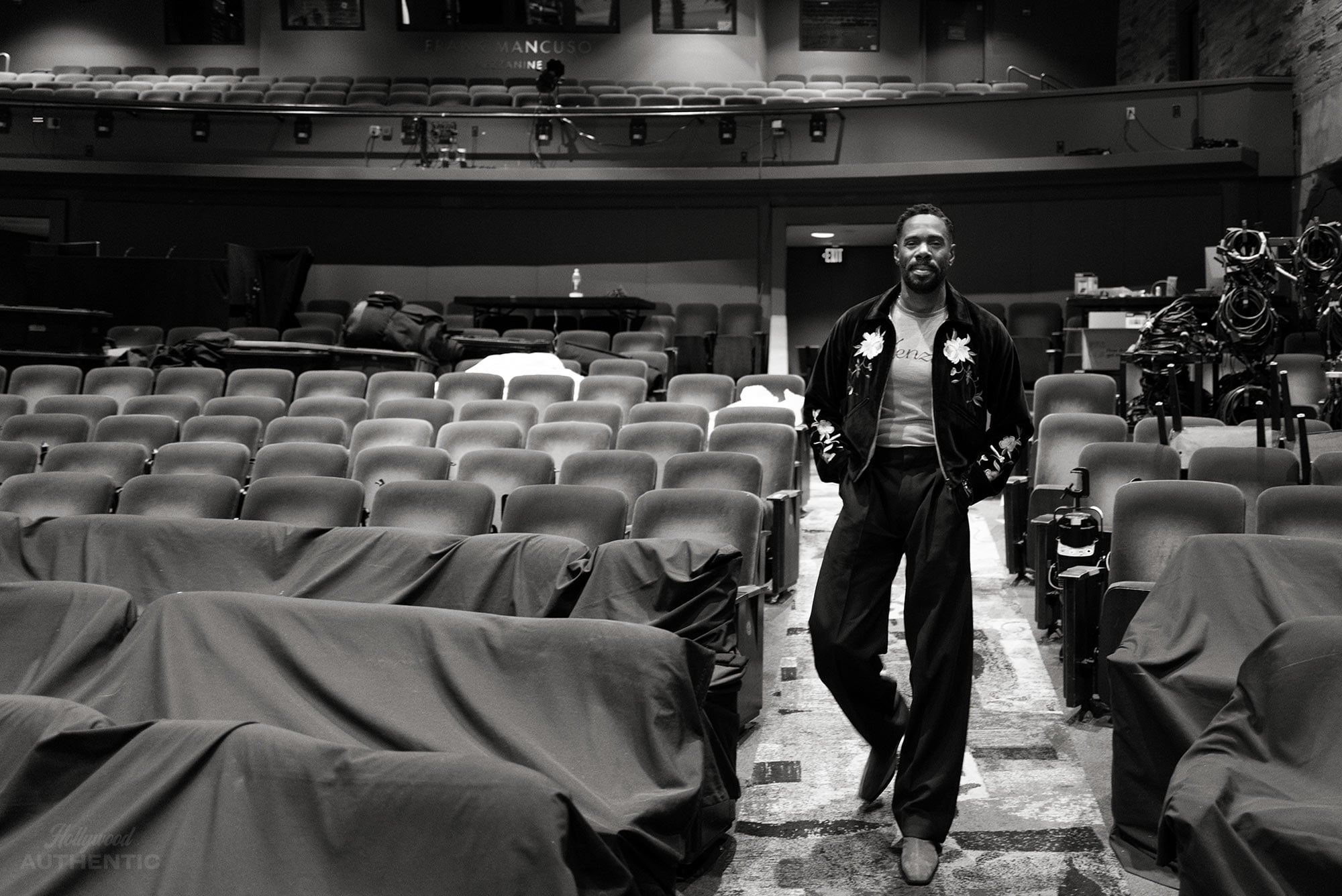
We pull up outside the 1929-built Geffen, a former Masonic clubhouse that became an Italian restaurant and the Westwood Playhouse before it was gifted to UCLA. It’s a beautiful Spanish-style period building currently run by Tarell McCraney of Moonlight fame. ‘This is such a famed theatre when you are a regional theatre actor,’ Coman explains as we enter the space. His career started in San Francisco regional theatre, where he worked for 10 years, before moving to New York at the age of 36. After 16 years there, he moved to LA. He recalls writing Lights Out: Nat King Cole with Patricia McGregor (who now runs New York Theatre Workshop) for a small ensemble here, an experience that has now led to him playing Cole himself in upcoming biopic, Unforgettable, which he has also co-written and will direct and produce.
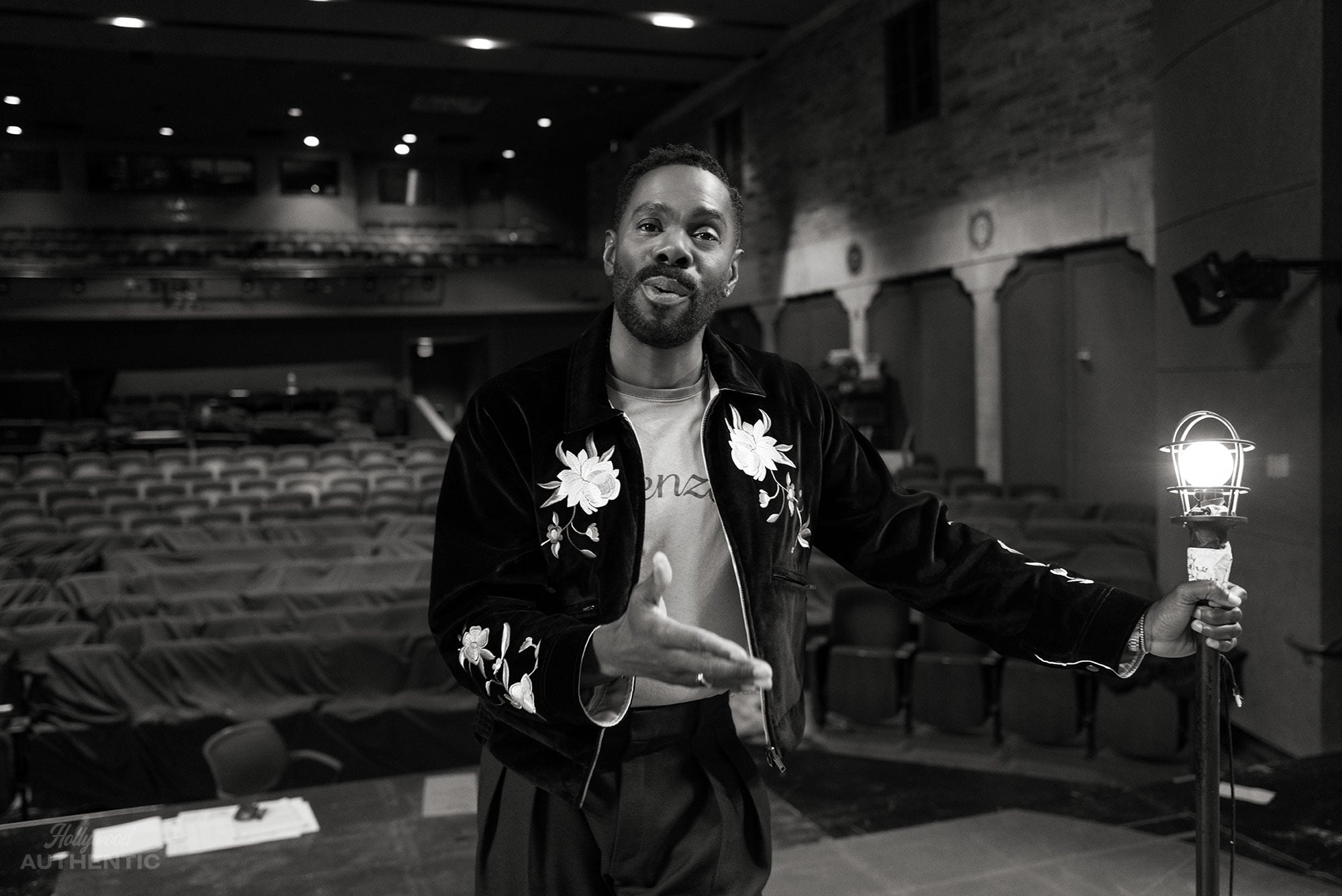
We head on-stage and he he moves towards the ‘ghost light’ glimmering centre stage. ‘You must always leave a ghost light on for the ghosts of the theatre. I think it’s the most beautiful thing. You come onto any stage, and there’ll always be a light on for the stage.’ Colman turns on the lights, almost on muscle memory from years before, clearly relishing being back in a live theatre space. ‘There’s been a lot of commentary because one of my colleagues said something that I know he didn’t mean, about performing arts, and two that are “dying”,’ he says, referring to Timothée Chalamet’s pre-Oscar comments. ‘I personally don’t think that he meant it the way he did because, my God, we need this for civilisation, for us to come together in a small room, and wrestle with thoughts and ideas on a stage. It’s older than all of us. It’s just necessary. And fundamentally – this is the college professor in me speaking now – I think that our society knows what the impact of these live art forms can do. It knows it can bring us together. It knows it’s revolutionary. It knows its power to make us have empathy for one another.’
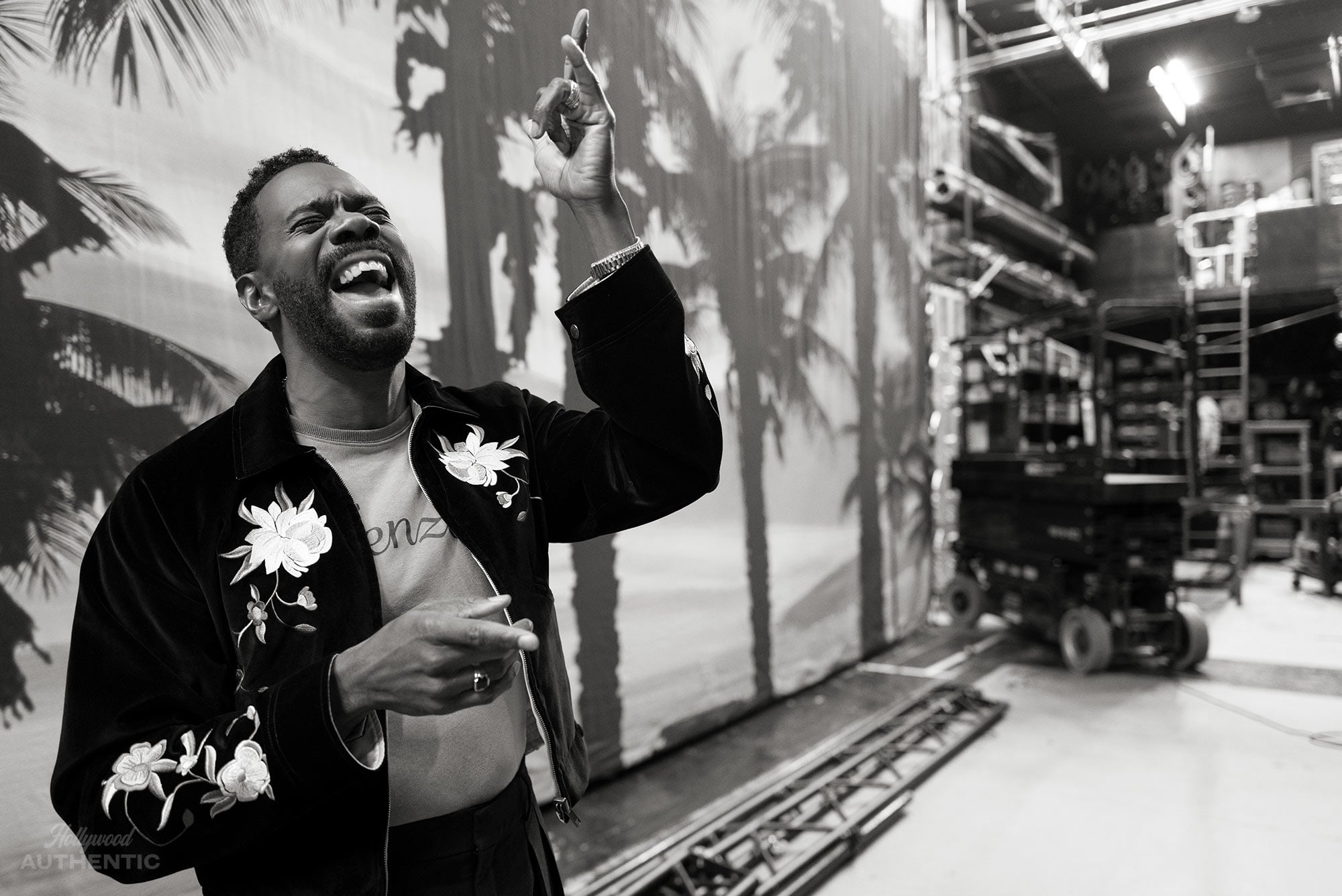
It’s clear that Colman’s rise to prominence has not been an overnight experience, and has been predicated on decades of hard work. I ask about finding success later, the satisfaction of years of graft coming to fruition. ‘It’s funny – now that I’m a discovery,’ he laughs. ‘I’ve been working for 36 years consistently. I used to make my way around the country, working at all these different theatres.’ He even worked in a circus as an aerial web artist, stilts performer, juggler and as a clown. ‘I think clowns are so smart. In Shakespeare, I played a lot of dark clowns; All’s Well That Ends Well has one of the darkest clowns. And so my clowns are philosophers, they’re the truth-tellers. People think that clowns are just being funny. No, clowns are dark as fuck, too! I think I have the heart of a clown, so that’s what I lead with. I use the clowning in everything. I’m always telling actors… I’m never unprepared. I’m researched. I do my work. I know my lines. But then I leave a part of the preparation that feels dangerous, very vulnerable. With a clown, he’s always like this…’ He opens his arms wide towards the darkened seats of the auditorium. ‘Always willing, always open. You have to have a sense of play.’
A lot of the times when you’re working in regional theatre, you’re not making extraordinary amounts of money. Most actors are getting by, working-class people. I was a working-class actor for 25 years. Wherever I worked, it also had to fuel me as an artist. I always had to have a job – I was a good fucking bartender – even as I would take a bow on stage. I would take a bow, change, get a cab, go across town. Within five minutes, I’m like, ‘Hi, what can I get you?’
I ask him to go back to his start and tell me about what drove him – clearly not the fame or fortune, though he has both now. ‘A lot of the times when you’re working in regional theatre, you’re not making extraordinary amounts of money. Most actors are getting by, working-class people. I was a working-class actor for 25 years. Wherever I worked, it also had to fuel me as an artist. I always had to have a job – I was a good fucking bartender – even as I would take a bow on stage. I would take a bow, change, get a cab, go across town. Within five minutes, I’m like, “Hi, what can I get you?” he mimics leaning over the bar ready to take an order. ‘And I don’t even know if that’s humility either. That was just part of the life of an artist.’
Things are different for Colman now: he lives in Malibu, is a brand ambassador for Valentino and doesn’t need to keep the bartending job – but the change came only relatively recently. ‘I feel like I’m playing some catch-up, even with myself,’ he admits. ‘I was actually talking to Spike Lee last night, who knows me as that guy in New York who’s living in a rent-stabilised apartment or an illegal sublet in Harlem. He asked me where I live now. I’m catching up to the fact that I’m someone who lives in a beautiful home in Malibu, and owns some other properties and things like that. I don’t think I’ve changed a lot, but I have changed. That’s OK. I’ve had to evolve.’ He tells a story about seeing someone at Hollywood events who knew him in New York and who keeps saying they miss the way things were. ‘We should evolve,’ he stresses. ‘Not everyone’s happy for you. I’ve attained a lot, and I think I’ve been in my harvest stage. I don’t want for anything. There’s a peace that I have. I know I’ve built a solid foundation of a body of work, and I’m looking for the thing that I don’t know where it exists, or when it’s going to come. But I’m cool if it’s not in six months. I’m cool if it’s not in a year. I’m cool if it happens next week. But I’m open.’
We decide to head to Sunset Boulevard and find the billboard spot where Colman first saw himself and felt a sense of arrival as a movie actor. ‘I still try to approach this industry from being a theatre professional,’ he says as we drive. ‘I try to make it about all of us, and rally all of us together; to get behind something, and not be so individualistic. My career has always been in service of the story. It’s never just been in service of me being number one, or being at the centre of the event.’ On the way to Sunset we stop at the former Complex Theatre where Colman first worked, directing Single Black Female, when he arrived in LA. The theatre is now a shell, shuttered and due for redevelopment. ‘I was just a guy who had come to LA without notions of being in film or TV. I was a theatre rat. But I got here and thought, “This is kind of cool.”’
He tells me he’s always led with opportunity over money, getting paid $150 a day for his work in Sing Sing, and taking work that excites him. He adheres to a ‘one for me, one for them’ approach. ‘Running after the money is never good. You have to run after the experience and the art, and trust that it will take care of you.’ Happily he’s in a position now to pick and choose, but when he landed the lead role in Rustin it was a game changer. I ask if he pinched himself at seeing where he suddenly was, his work recognised, opportunities offered. ‘No,’ he replies quickly. ‘Because I think pinching yourself is being like, ‘I can’t believe I’m here. I can’t believe I did this’. And without any ego, I know I’ve built this. I know every step it’s taken to get here. I do believe this has happened, because I put the work in. What I am in awe of – and this sometimes will make me cry – I’m in awe that I did it. Whatever energy from my parents, from a higher power – I’m still here, and I’m happy, and I’m whole, and I have love around me. I’m still fucking here, and I’m still the person that I know about here,’ he presses a palm to his chest. ‘I haven’t become something that I’m not proud of, or that my parents aren’t proud of. I don’t want to take any of that for granted.’
Colman lost both his parents in 2006, within a few months of each other. He shows me a tattoo on his arm etched for ‘Edith’, his mother’s name, and although he’ll talk about his parents’ love and their passing, he says he’s conscious of keeping his personal life personal. His love story with his husband of 21 years, Raul, is well known, one he describes as ‘star-crossed lovers’. The duo exchanged glances outside a Walgreens in Berkeley in 2005 but didn’t meet and found each other three days later through the Missed Connections column on Craigslist. He acknowledges that it’s a romantic, hopeful and beautiful story but ‘there’s so much more’. ‘Now I think I’m more interested in talking about the story of longevity. How do you keep reinvesting in a person? No one’s perfect and we’re trying to find some joy and grace and love and good times. You can tell if a person is loved or not, by the way they respond in every way in the world, especially with work and being a creative. I’ll walk into a room with love because I am loved. I’m not grabby for anything else.’
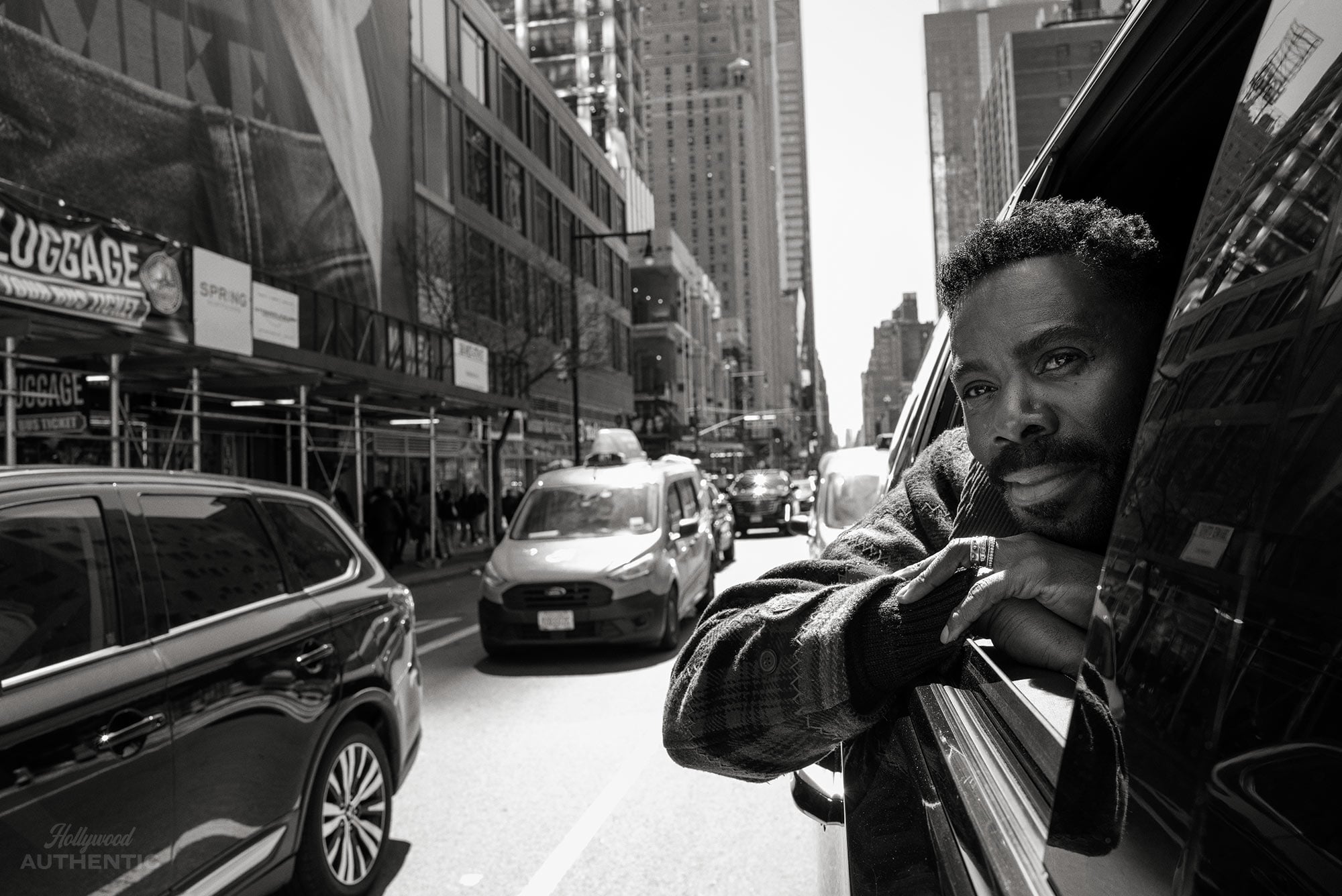
Some people have asked me if I’d have wanted the success to have come earlier? But I know that my journey has been for that to come later in my life, so I can truly appreciate it. I know the value of it. I always look at it as like: it could be my first, and it could be my last. But for now, I’m going to enjoy it
He felt love growing up in a blue collar family and that translated into support when he found acting as a teenager (he joined a summer programme at the Society Hill Playhouse) and in his sophomore year of college while majoring in journalism. ‘I just took to it. It was good for me, and I knew it. And then my teacher pulled me aside one day and said, “Have you ever thought about acting as a professional?”’ I didn’t grow up going to the theatre or believing that Hollywood was this thing that people do.’ Yet, here we are now on Sunset Boulevard, looking up at the billboard where he realised he’d made the journey to movie actor, and in his fifties. ‘The idea that it took over 50 years for me to be on Sunset Boulevard, is extraordinary. You never forget your first,’ he smiles. ‘Some people have asked me if I’d have wanted the success to have come earlier? But I know that my journey has been for that to come later in my life, so I can truly appreciate it. I know the value of it. I always look at it as like: it could be my first, and it could be my last. But for now, I’m going to enjoy it.’ As we stand there two pedestrians shout that they love him from across the street. He smiles and waves, wishing them a beautiful day.
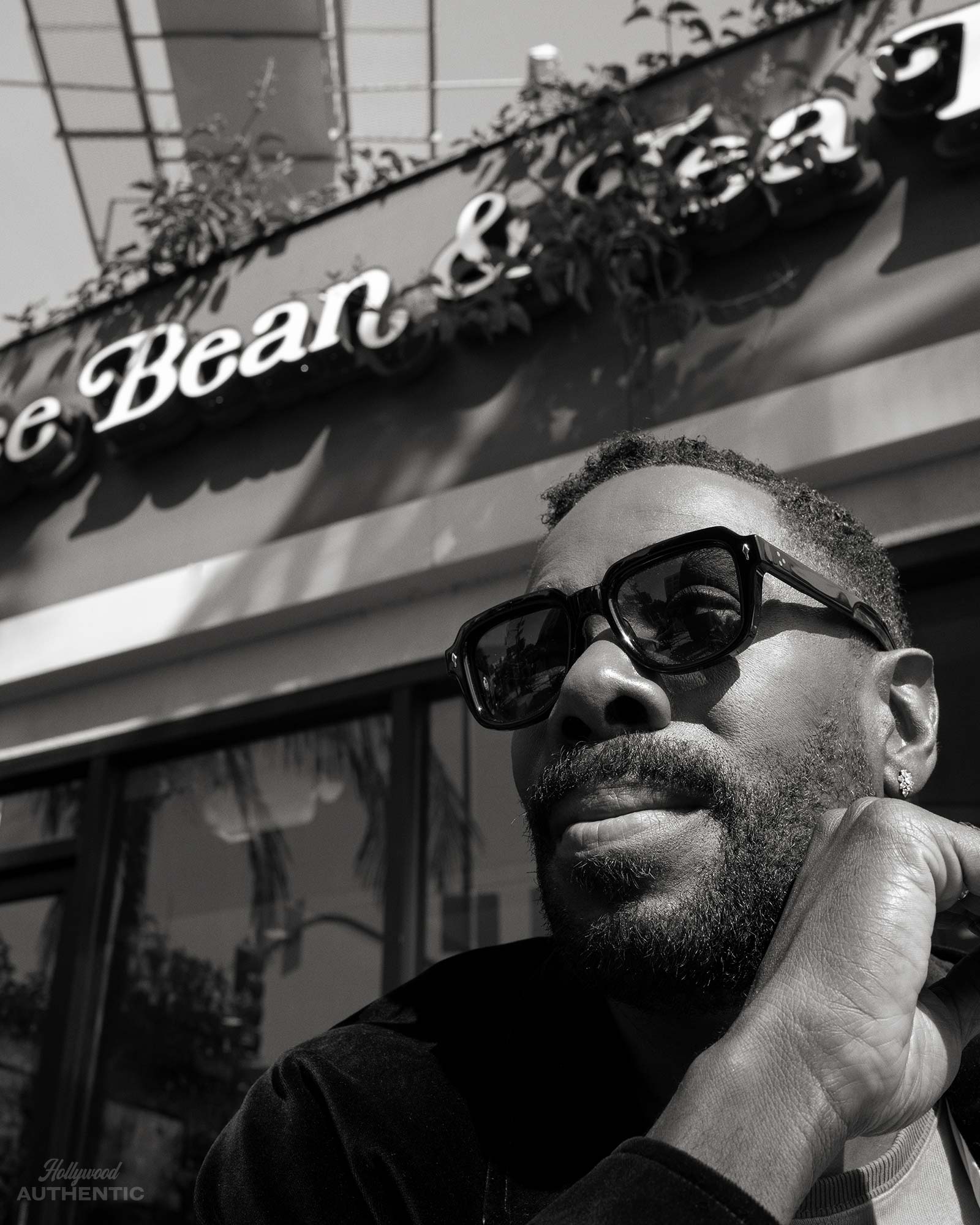
We head to grab a coffee at the nearby Coffee Bean & Tea Leaf where Colman also had a pivotal moment in his career. It was here that he had a meeting to discuss playing Bayard Rustin with director Dustin Lance Black. The two men sat at a nearby table to where we are now and decided to work together, to will the movie into existence. Two years later they made it and when it came to promotion, that first billboard went up right above the coffee shop. ‘It’s as if it was pre-destined,’ he says, sipping his Americano with oat milk. ‘Listen, my whole career has been this way. There are no coincidences.’ He tells me about working on Lincoln with Daniel Day Lewis, and his first time working with Steven Spielberg who he re-teams with on the upcoming Disclosure Day. He and David Oyelowo shared a scene together that was almost replicated, historical decades apart, when they worked together again on civil rights drama, Selma. The horse that his character held for Day Lewis’ president in Lincoln was named Glory, the title of the Oscar-winning song from Selma, and the very same horse he later rode in Nate Parker’s Birth of a Nation. ‘We’re always moving around history, and dancing around it,’ he says. ‘And if we really allow ourselves… it’s showing up in our art. And that’s why I literally believe in magic. Every time I see 3:13 – that’s my mother’s birthday. And for some reason, I always look at my phone – at least a couple of days a week, it says 3:13. Why? I believe that’s my mother saying hello to me. And I accept it as such.’
NEW YORK, 8 MAY 2026
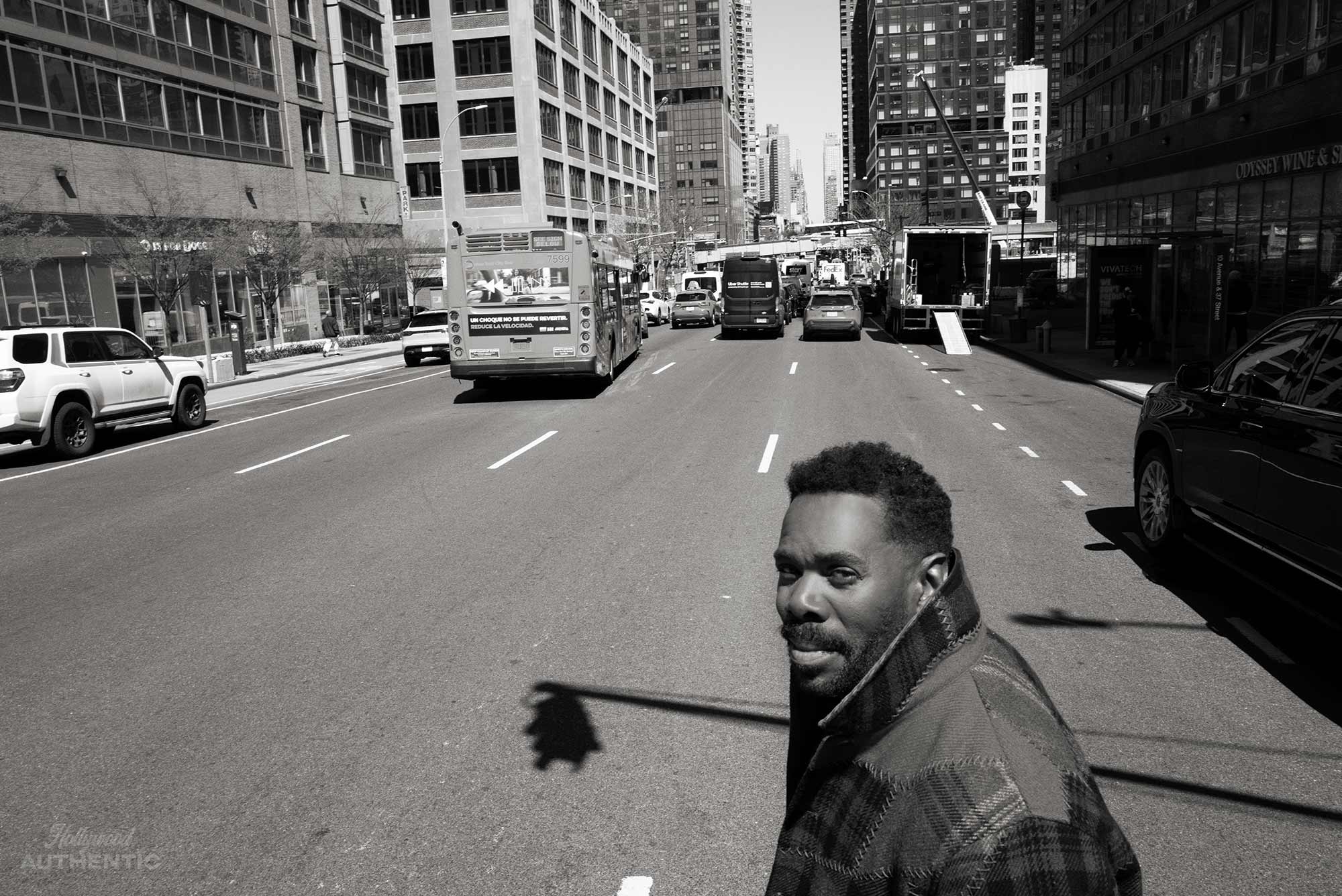
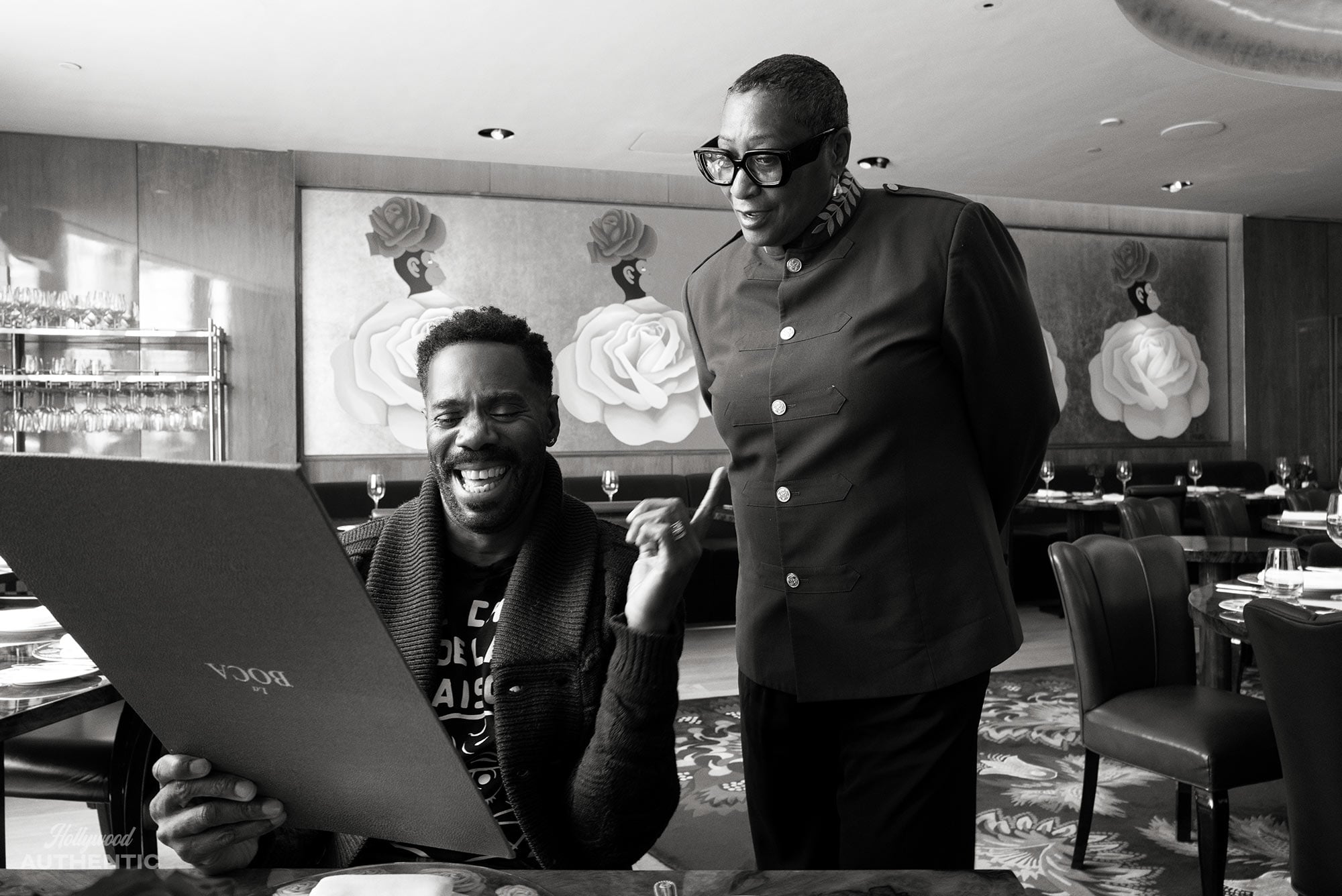
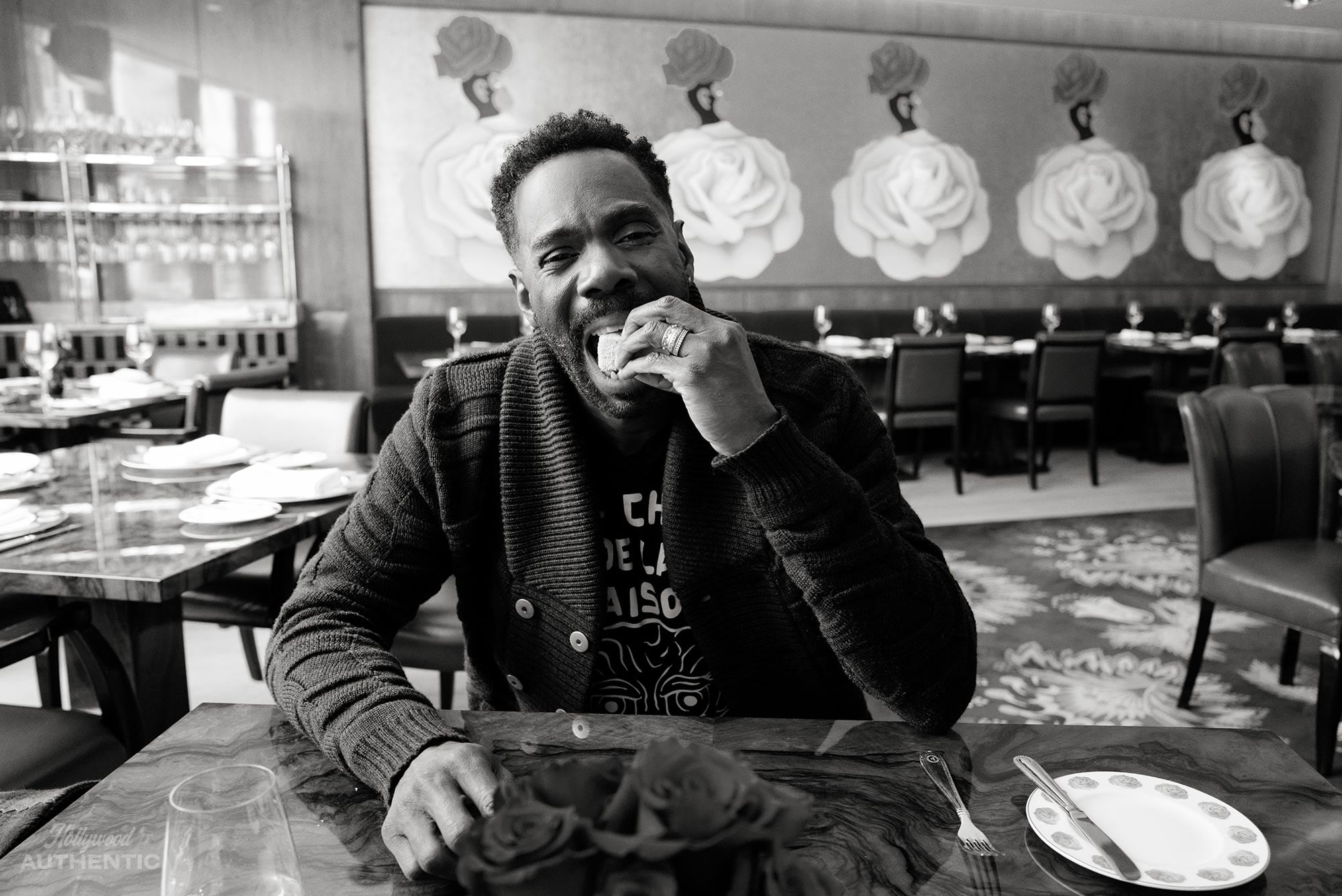
That sense of magic brings Colman and I together again in Manhattan three weeks later when we both happen to be in town the same week. For Colman, it’s a significant trip – he’s hosting Saturday Night Live!, a major milestone for any artist but particularly sweet to him as a longtime New York resident. He’s busy rehearsing for the show and having dinner with Lorne Michaels but wants to show me something of his Big Apple. We meet at the newly-opened Faena Hotel in Chelsea and decide to grab lunch at the restaurant on site. The waitress there tells me that Colman acts with spirit and soul and that he is something special as she hands over menus. He looks bashful and thanks her, and over Mendoza beef tenderloin empanadas Colman tells me the recognition he receives as he moves through the world now is ‘the most beautiful thing’. ‘People let me know that what I’ve been doing has been meaningful, and it touches people. That’s what my work is now giving me back.’
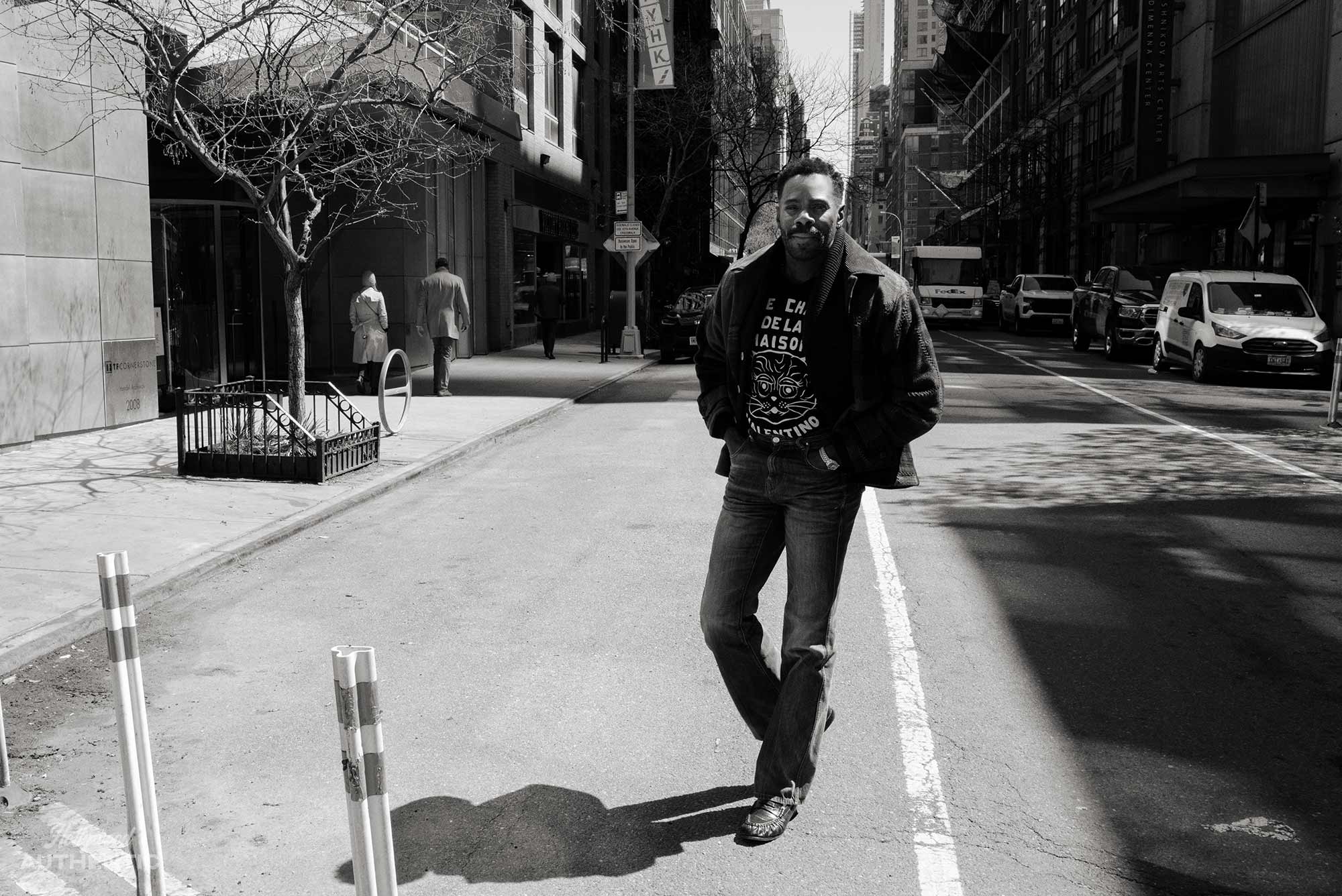
When he was a self-described theatre rat, Colman lived near here but with gentrification and investment the area is now almost unrecognisable to him. The bar he used to work at is gone, his old apartment in Harlem is now hip. ‘I know that this New York is not mine. It was mine when I was here. I’ve made new agreements with New York, because I think you’re supposed to.’ As he was in LA, Colman is very much about forward motion, evolution, living fully in the present. He can no longer walk the same streets he used to in the same way; ‘I’m a public persona,’ he states, ‘the old me – I was everywhere and doing everything in New York. But that was a different guy, a different hustle.’ He admits that dealing with fame has been a learning curve. ‘As somebody who is really about people, and being out, and having experiences, and being in the world – for me to make my world smaller is a challenge. I wrestle with that every day.’ But he insists he doesn’t mourn his anonymity. ‘Because it’s another chapter.’
This week’s chapter started on Monday meeting the SNL writers, filming promos on Tuesday, and today, deciding on the sketches that will make the show on the weekend from 40-50 options. Colman is taking it all in his stride as someone who has done fast-paced comedy before on The Big Gay Sketch Show – and because this year he’s also travelled to Africa and skydived from 10,000ft up with Bear Grylls. ‘They could be bucket list items,’ he laughs, ‘but also, SNL is one of those things. It’s a zeitgeist.’ Along with promotion work for Michael and Disclosure Day, Colman is busy – and happy to be so – but he confesses to needing to ‘go to ground’ to be creatively fertile. ‘When things start spinning, it doesn’t work well for me. I actually feel like I don’t know how to actually “create” or “do” when things are too crazy. The only way I can work is if things are hyper-organised. And then I’m like, “Oh, then I can be free.”’
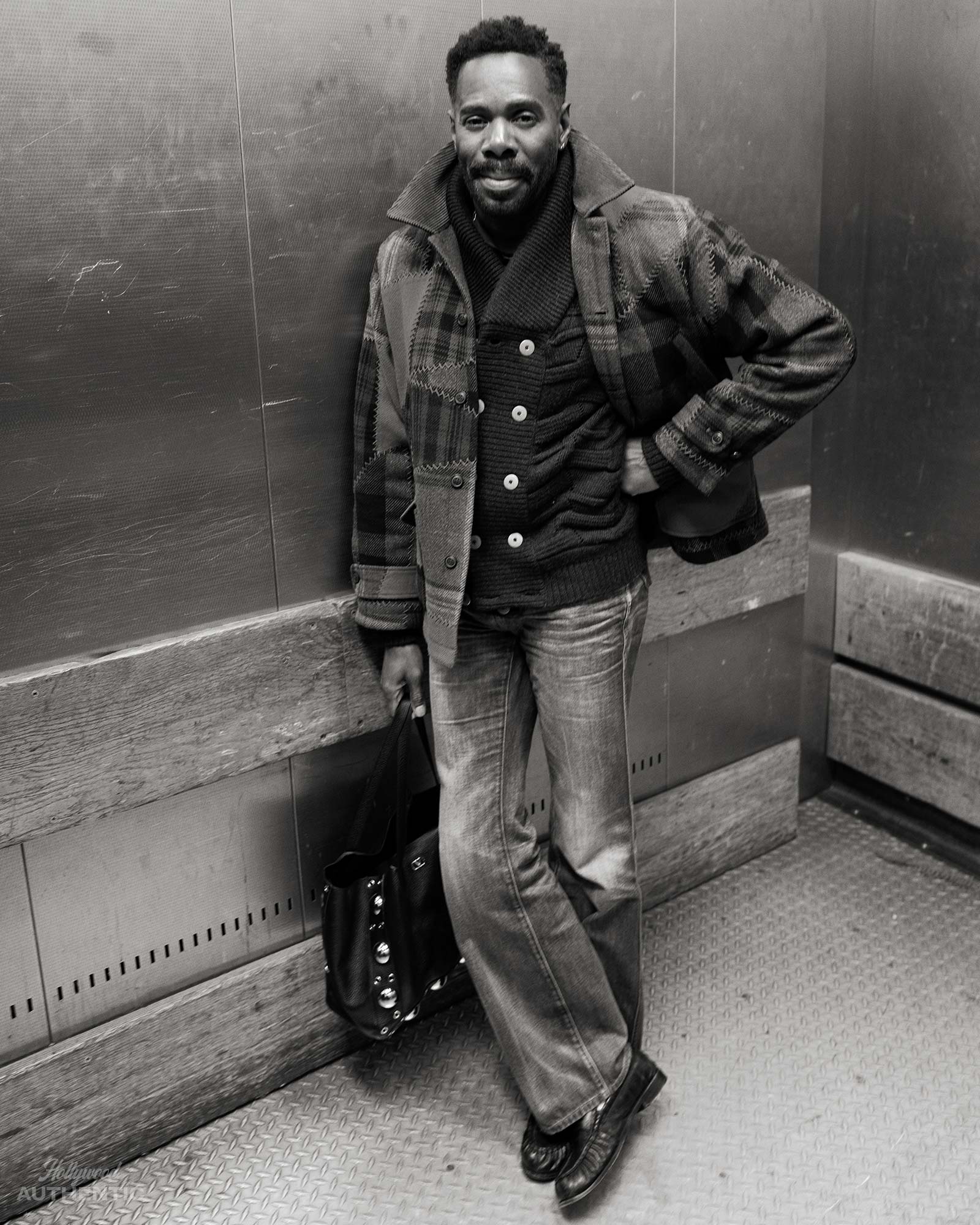
People let me know that what I’ve been doing has been meaningful, and it touches people. That’s what my work is now giving me back
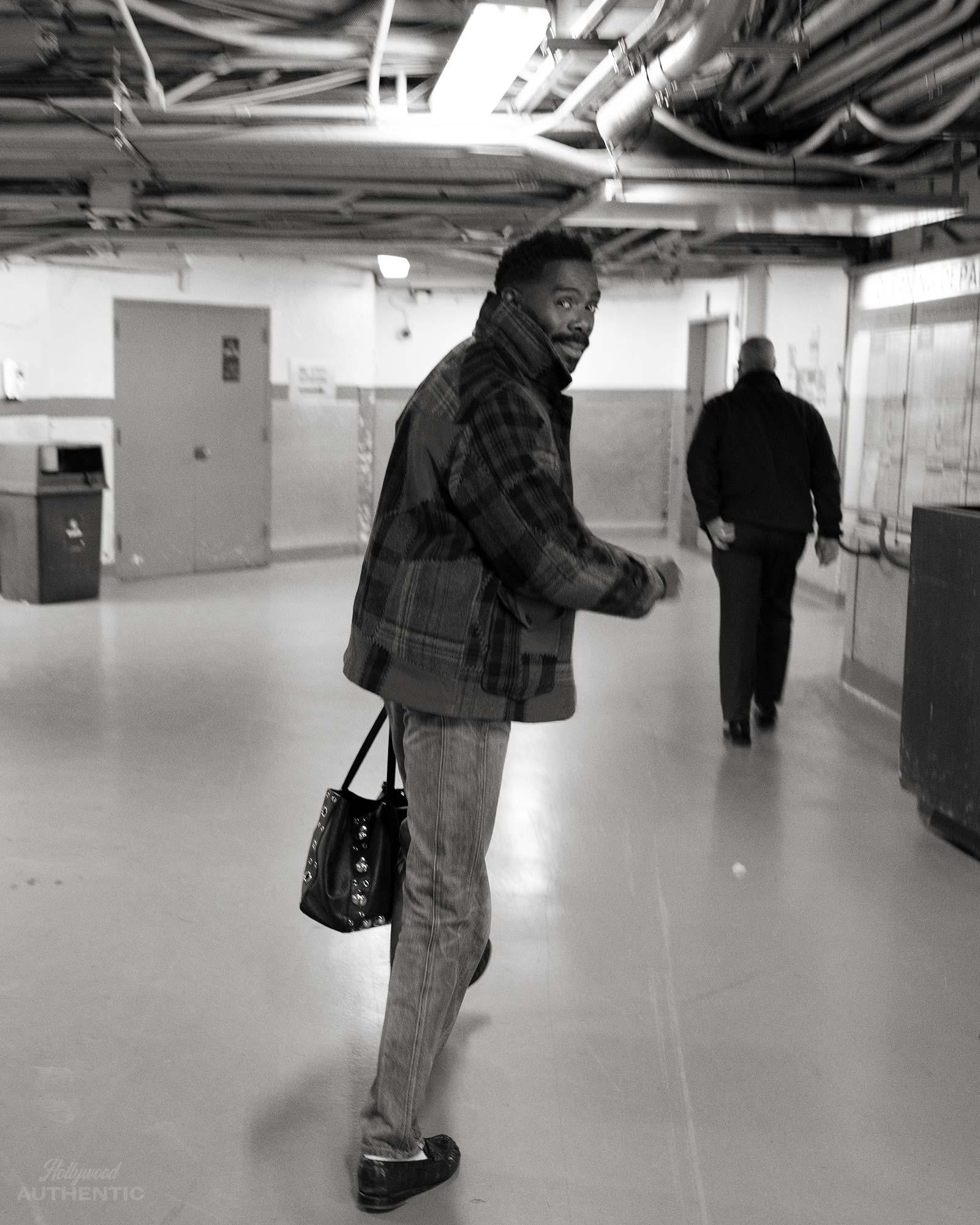
With lunch over, it’s time to head to SNL. We jump in a car and head up 10th Avenue and onto 42nd Street, Colman’s old theatre stomping ground. I ask him for his happiest memory of New York, before he made his new agreements with the place. His answer is immediate – it was living in Manhattan Plaza on 43rd and 9th, a rent-stabilised apartment building that was home to numerous artists – among them Alicia Keys, Samuel L Jackson and Angela Lansbury. ‘It gave me more freedom to just be the artist that I was. And that’s your happiest time. You’re like, “I can write the plays I want to write. I can work when I want to work, and how I want to work. I can build the rooms the way I want to build it.” I was on a waiting list for nine years to get into Manhattan Plaza. And once you’re in, you’re in. You feel like you can create with so much liberty.’
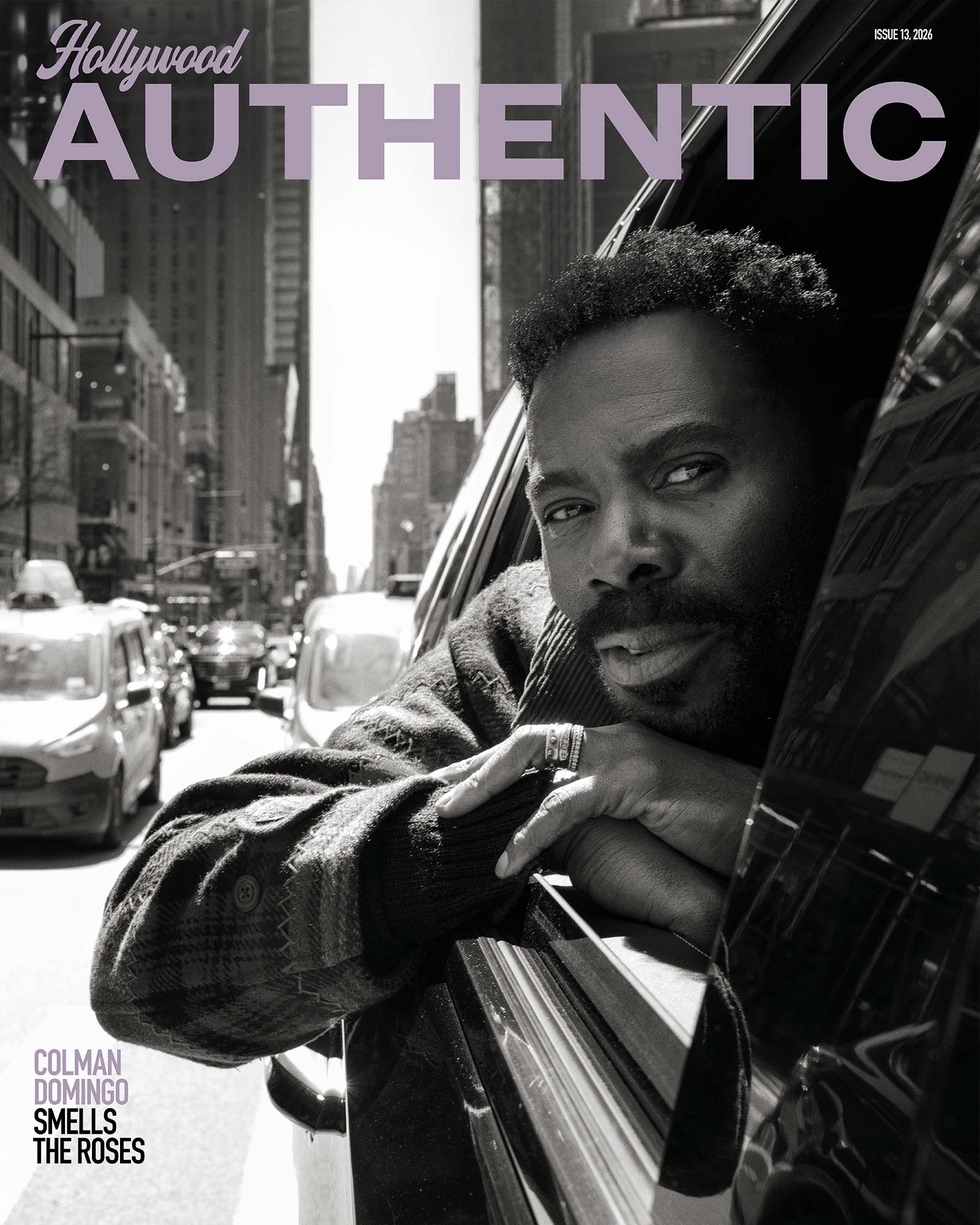
We travel onward to Times Square. ‘I used to live over here, down there, and right down here,’ he says, pointing out different apartments as they pass. ‘They say it’s the city that never sleeps, but that’s kind of a lie now, because it feels like it takes naps now,’ he jokes. ‘I worked all up and down these Broadway streets. I’d haunt them. But you don’t own this city. You own it when you’re here, when you’re young, when you’ve got your hustle on. But then you move along, and it becomes somebody else’s city. You don’t want to go backwards.’ At a stop light I move from the back of the car to the front seat and look back at Colman as he watches his former city slide by through the open window. The light is beautiful as he gazes optimistically into his future, the vanishing point of Manhattan behind him.
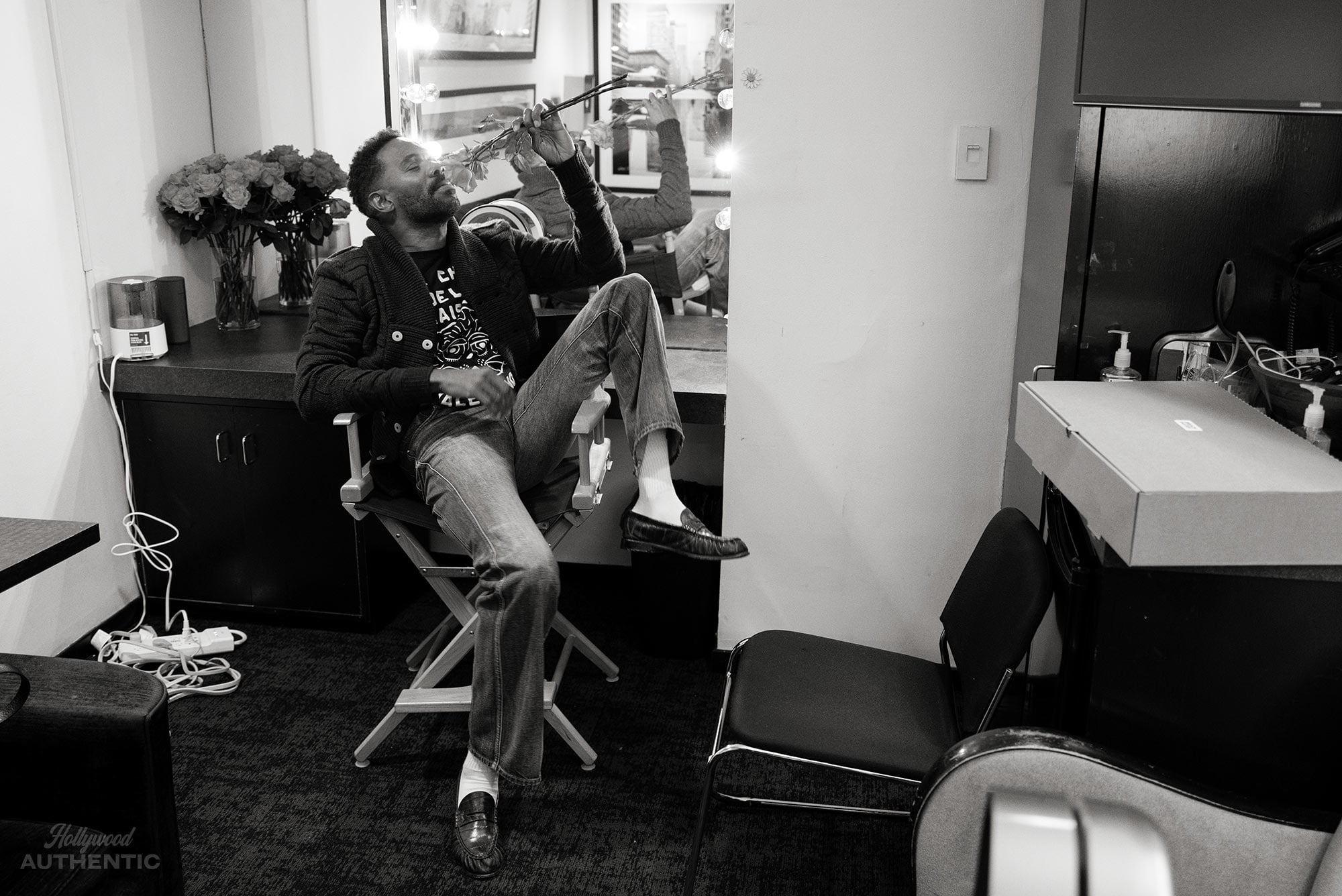
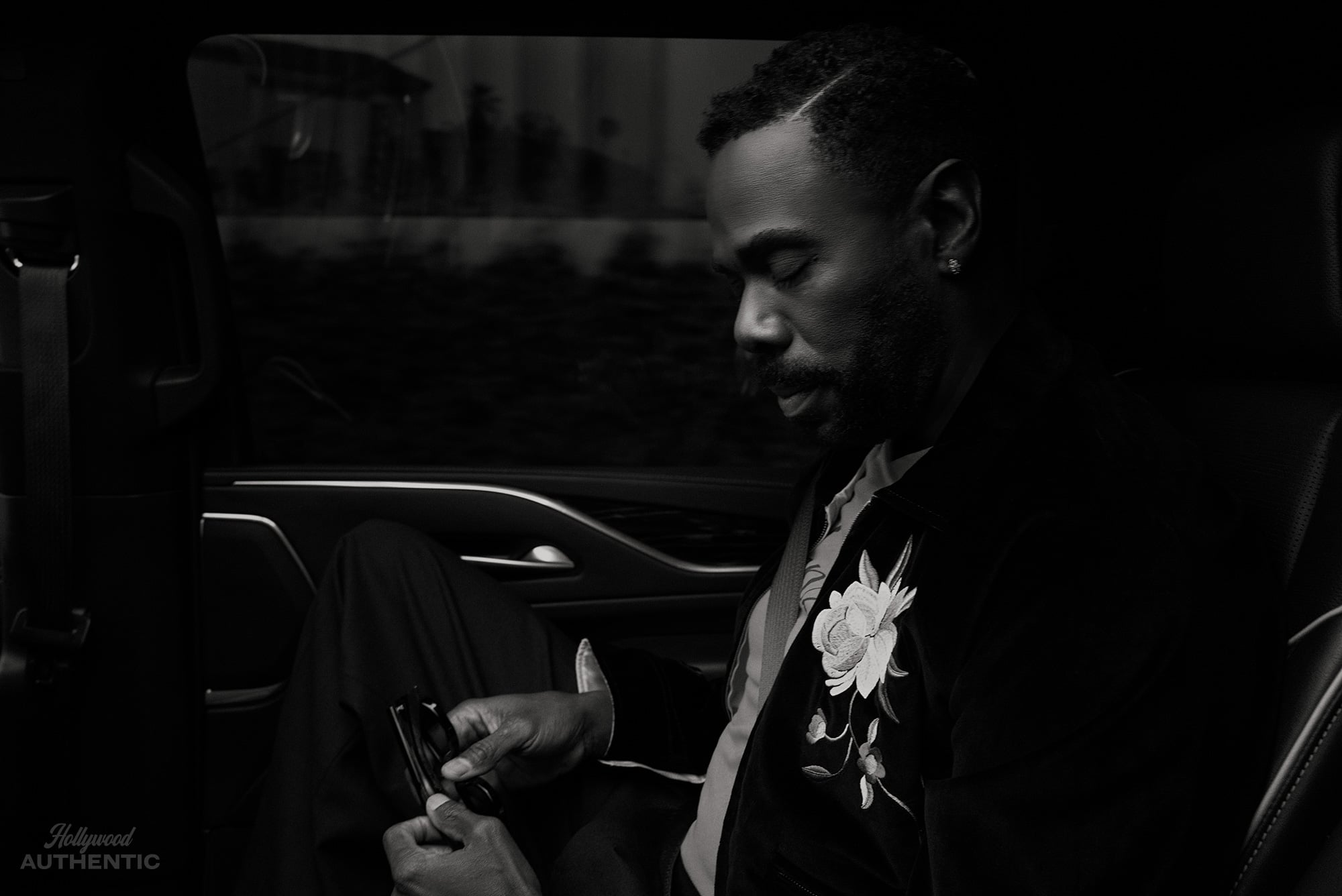
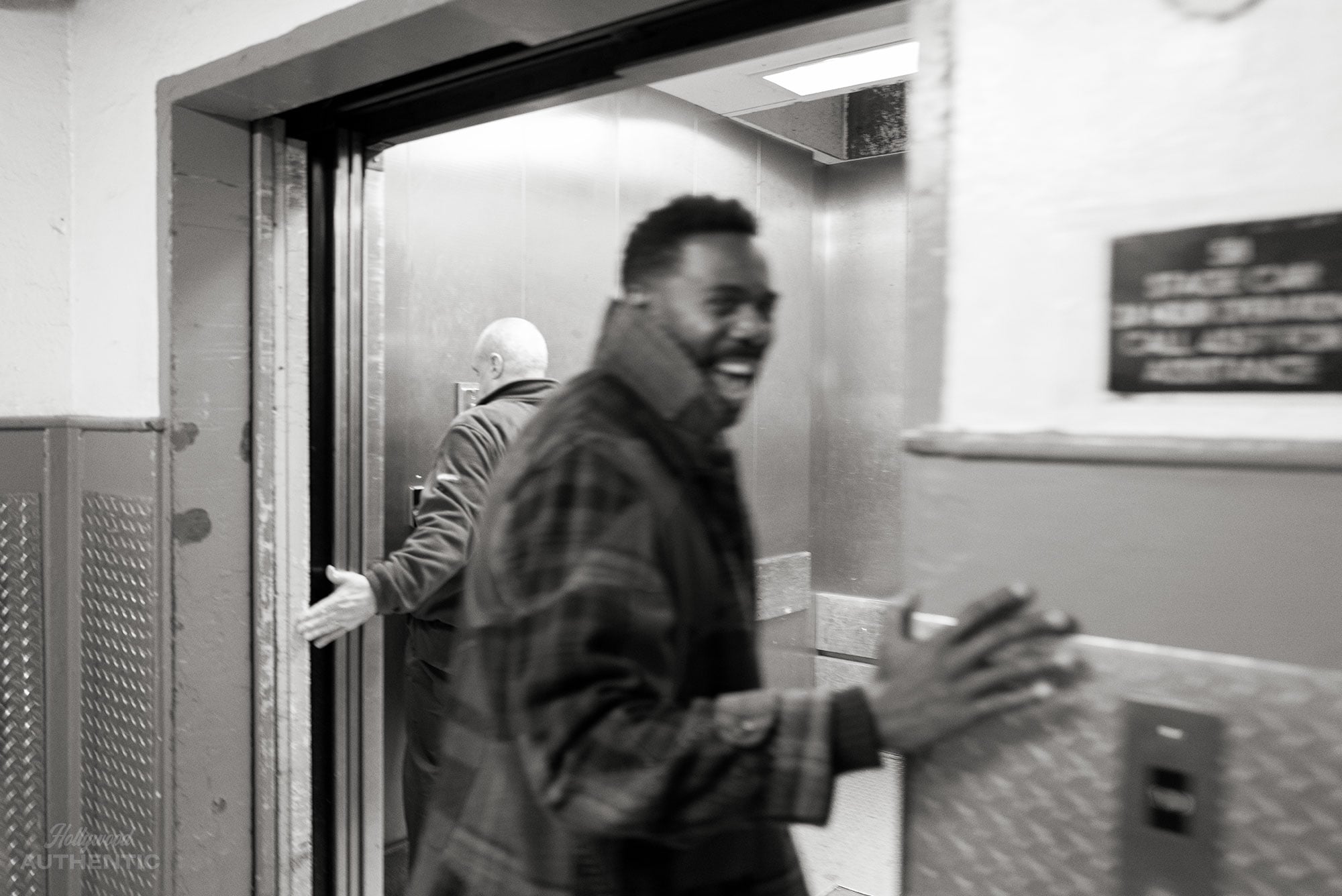
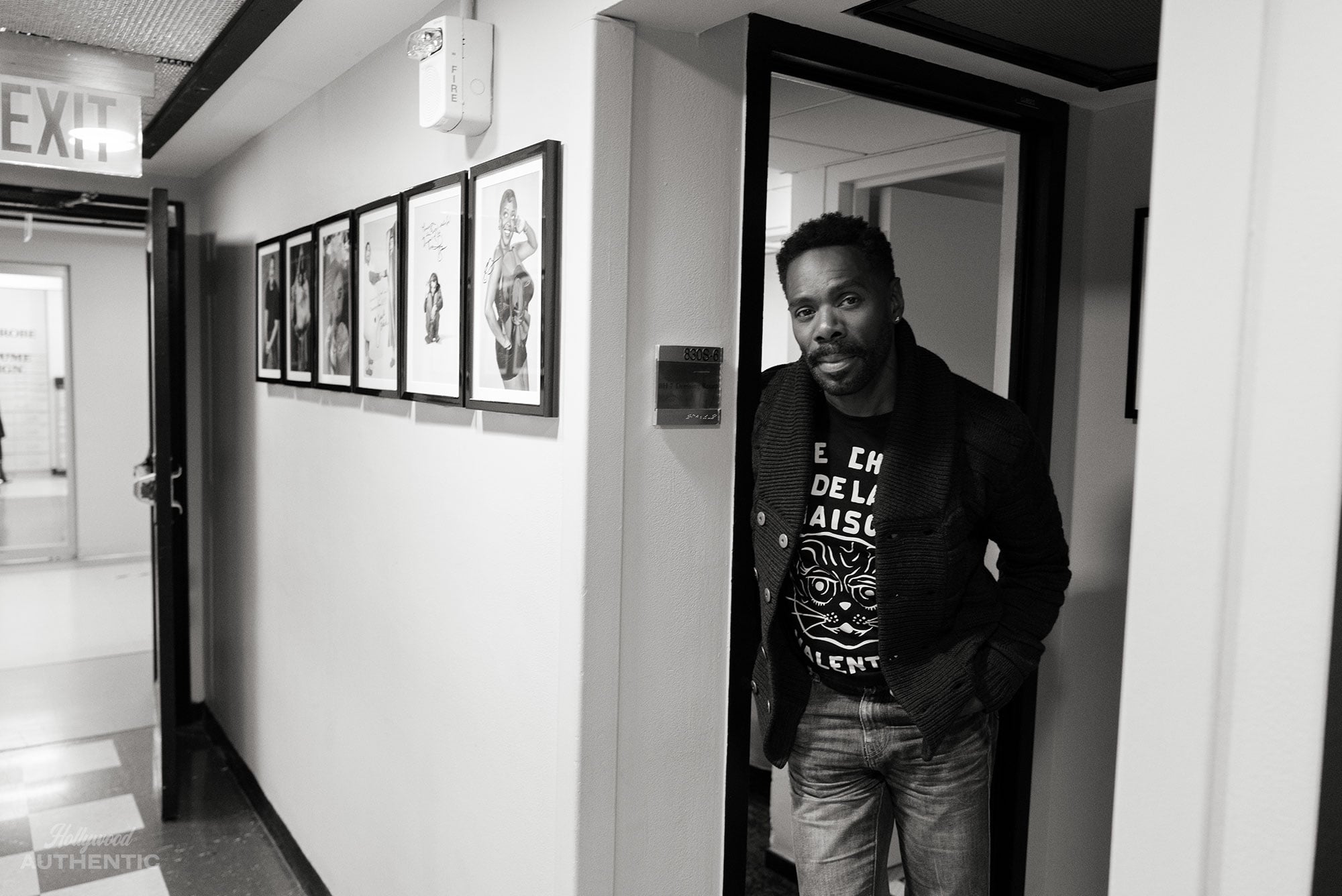
When we arrive at the SNL studios we drive under the Rockefeller Centre and down through a subterranean maze. We jump in the elevator to rise upward to the SNL production offices and walk the corridors to Colman’s dressing room. His name is on the door in that famous SNL script and a bouquet of long-stem roses awaits him in a vase on the dressing table. He has a moment of calm before the writers’ meeting and the chaos of production towards Saturday night. He smiles and pulls a rose from the bunch, sits on his dressing table chair and presses the petals to his nose. He inhales deeply, taking the moment to appreciate the scent before there’s a knock on the door and he’s whisked away into his busy schedule. Like his approach to everything else in his life, he is literally stopping to smell the roses…
Photographs & interview by GREG WILLIAMS
As told to JANE CROWTHER
Michael is in cinemas now, read our review here
Disclosure Day is in cinemas 12 June
Grooming by Jamie Richmond
Styling by Wayman and Micah
Coleman wears Kenzo, Maison Valentino, Omega and Jacques Marie Mage
Thanks to The Geffen Playhouse

Words & Interview by ARIANNE PHILLIPS
The trailblazing, award-winning costume designer, who has worked with filmmakers from Spike Lee and John Singleton to Ava DuVernay and Ryan Coogler, tells Arianne Phillips about being a ‘first’ in Oscar history and how community has shaped her career.
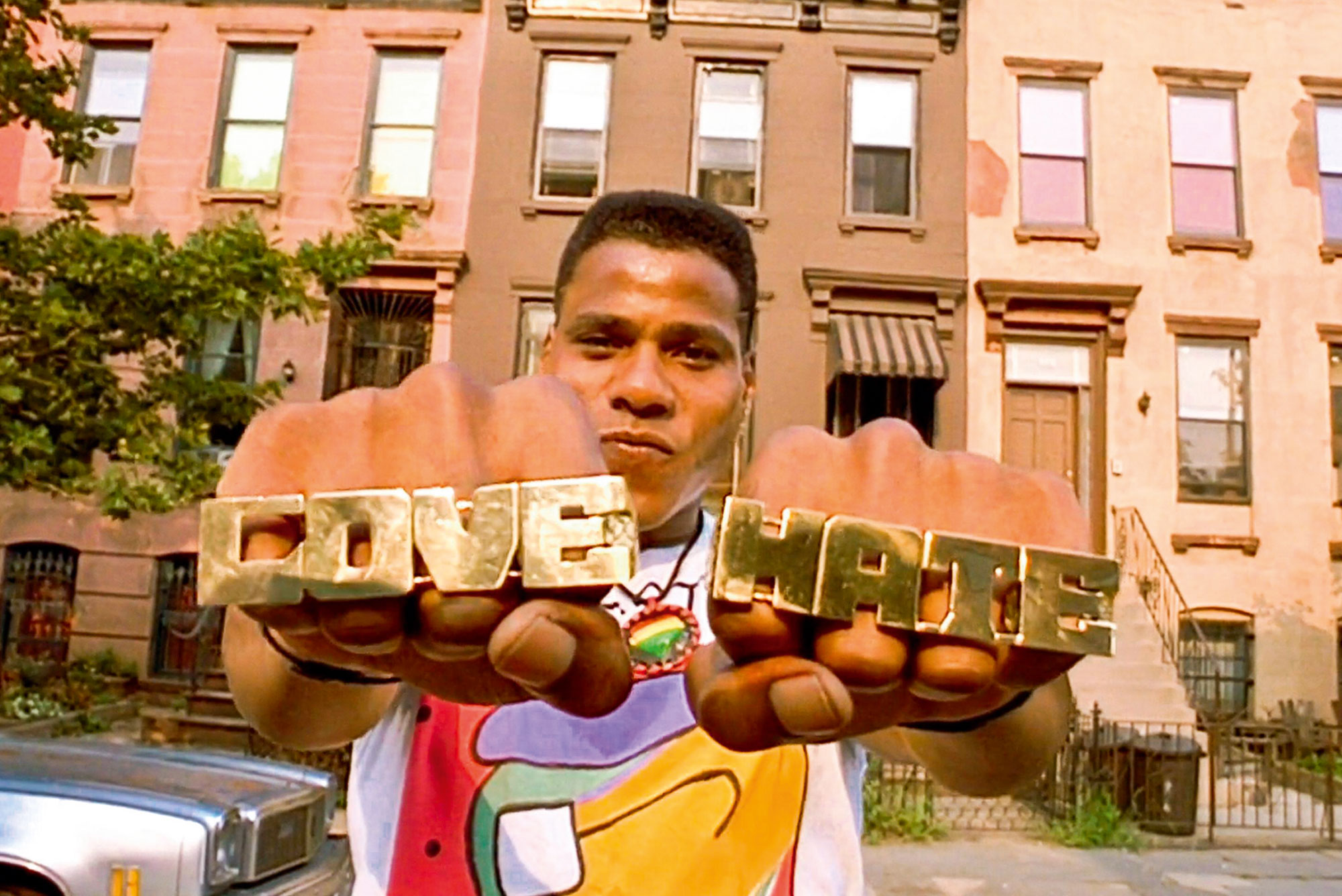
Ruth E. Carter is a costume designer extraordinaire and her body of work speaks for itself. She has designed costumes for beloved and game-changing films such as Do the Right Thing, Malcolm X, Amistad, How Stella Got Her Groove Back, What’s Love Got to Do with It?, Selma, Dolemite Is My Name, Coming 2 America 2, Black Panther and Wakanda Forever. She’s been nominated four times for an Academy Award, of which she won twice – making history as the first African-American costume designer to win an Oscar, as well as the first African-American woman to win multiple Oscars in any given category. In 2019, she received the Costume Designer Guild’s career achievement award and is the second costume designer to ever have a star on the Hollywood Walk of Fame (after Edith Head). Not only a prolific artist, she’s also a leader in the costume community, serving as a governor of the costume designers’ branch of the Academy of Motion Picture Arts and Sciences. Her book, The Art of Ruth Carter, was published in 2023 and her latest project, Sinners, is currently in cinemas.
AP: Let’s talk a little bit about your origin story. Where did you grow up, and what brought you to costume design?
RC: I grew up in Massachusetts in a little town called Springfield, the home of the Basketball Hall of Fame. My mother was a psychologist for the city – and I say that because my mom was the first person who actually taught me how to see people, and see the stories behind the people. I had two brothers who were visual artists – my brother who’s closest to me in age really loved to sketch. He loved pencil and graphite. We would sketch faces. We had a little mouse that we drew. He wore a tam [hat], and had the Black Power fist up all the time. It was fun! My oldest brother, Robert, did fine painting, oils and portraits. We all looked up to him. So my family was artistic but I tried to divert away from it when I went to college and majored in education. I decided to change my major to theatre arts, and very soon was known on campus as the costume designer. My main focus was to get theatre projects done, whether it was the music department doing a musical, or a fraternity doing some special step show, or Black theatre. They weren’t teaching costume design in the theatre department at the time. I went into a little costume shop that was in the theatre department. It was uninhabited. No one was using it. But when I opened up that door, it became my learning lab.
AP: I relate to that as a theatre kid. In your career you’ve really touched on every genre from historical pieces to biopics to comedies. What informs your choices?
RC: I would love to be the person who chooses, who goes out into the backyard to my film tree, and I pick: ‘Oh, I love this one, and then I love that one.’ But I feel like I have a certain reputation, and the films that are being offered to me, they’re in my wheelhouse. It doesn’t mean that you’re typecast, just that people think that this is something that you would be inspired to do. I’m always given the challenge. I’d love to do something one day with one person in it – you know, Krapp’s Last Tape. But I get the ones with the armies and the battles, with a cast of hundreds. I’ve been really fortunate to have offers that are really juicy, that are interesting and challenging. And that’s what I look for. I really love when I admire the filmmaker, but I also love to support young filmmakers that have promise, and I really want a good experience – for them to learn as well. When I first met Ryan [Coogler] at Marvel, I sat across a young filmmaker that admired Spike Lee, and told me that he was happy that I came in to interview. He admired my work as a student of film. So when that happens, it charges you up, and you go, ‘I am going to do the best I can for this young filmmaker, because it’s really about being part of a film family, and really liking the person you’re working for.’

AP: You created a travelling exhibition – Afrofuturism in Costume Design – your book also touched on this. I wondered if you could just illuminate a little for our audience about your relationship to Afrofuturism?
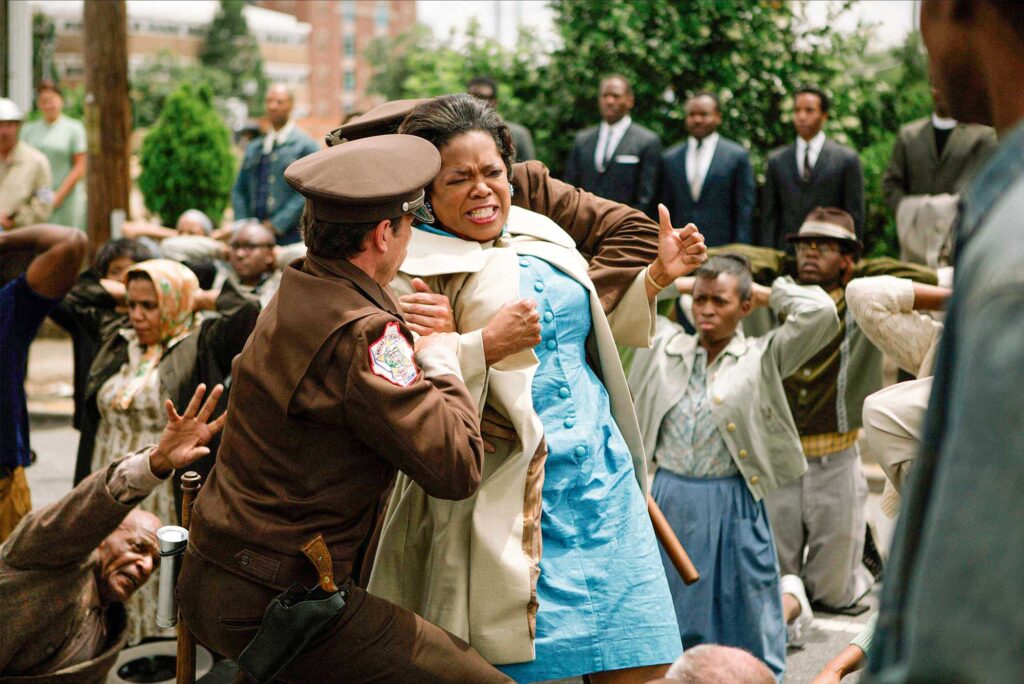
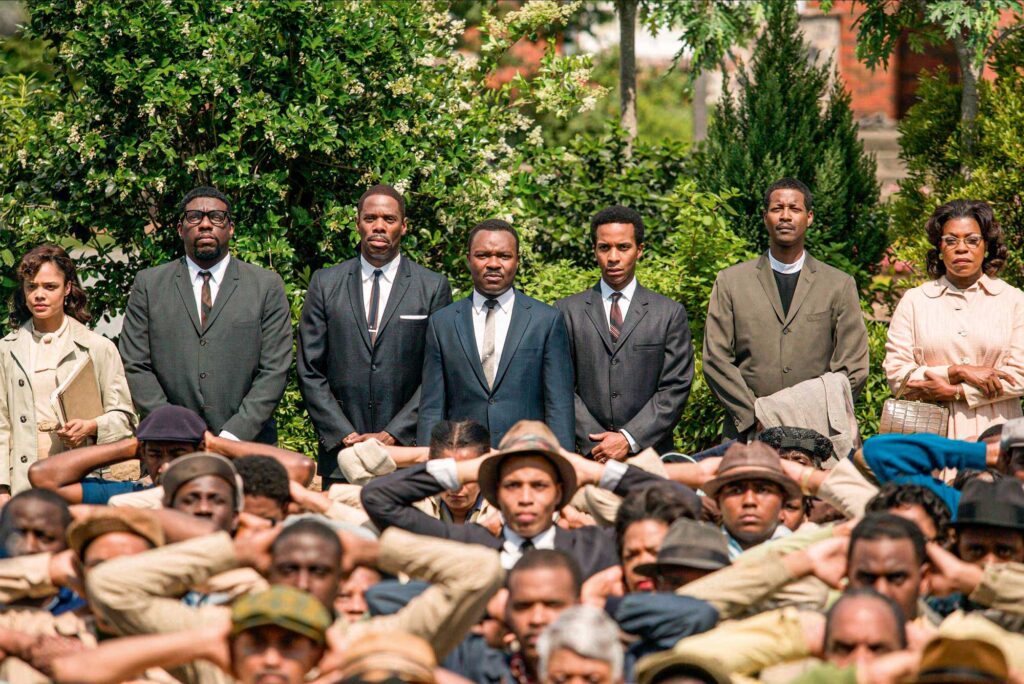
RC: I feel that my whole career has encapsulated Afrofuture. What we know of Afrofuture is taking culture and infusing it with technology, and presenting it in a way that, you know… What would things be like without colonisation? How would this technology have been advanced by these different cultures? I take Afrofuturism a step further. When I’m on the set with Spike Lee and he’s envisioning the story of Do the Right Thing, he is bringing in prose and political statements. He’s creating a protest film. I feel that Spike is embodying his own Afrofuturism, his view of a better tomorrow where we see ourselves on screen in a way that is much more realistic to what we know, and how we see our community, and how we know beauty. It’s retraining the eye, not only to see costumes in a new lens, or through beauty, but also to retrain the eye to see beauty standards differently. I think that those kinds of edicts are the things that I grew in this industry to embody and embrace, because I had a mission. I had a responsibility to that, because I was blazing a trail for the future costume designers who looked like me, and I wanted them to feel not pigeonholed or in a box to do things a certain way. When we crafted Mo’ Better Blues, we showed Denzel Washington and Wesley Snipes on stage in the jazz club. These were the images that we weren’t seeing in cinema. Also, Ava DuVernay on the set of Selma, directing. You know, we’re not only teaching through the medium of film and storytelling – we’re also teaching by example. Now our community could see a woman directing. Or a story being told about your neighbourhood. That, for me, is Afrofuture. That’s how you groom the Afrofuture for yourself and for your community.
AP: You designed films with Spike Lee and John Singleton…
RC: I met John Singleton at a panel where Spike was speaking. It was such a tight, little network in the ’90s that you might be out partying with John Singleton, having never worked with him, but we were a little film tribe.
AP: I think that one of the attractive aspects for me as a young person coming into filmmaking was the collaborative, communal idea. As artists, when we have a director, or even an actor, with the same vision and purpose, we can really be creative.
RC: And sometimes it’s just about helping them find the creativity. A lot of times, our actors will come to us from another set with very little prep, and you’ve been on it for weeks, just delving into research, and you’ve collected all kinds of things that you’re excited to show them and share with them. I’ve had someone like Forest Whitaker ask to see more of my research so that he could spend some time with it in his hotel. When they are like that, you know that they are committed to creating a great character.
AP: I’ve had that happen when they come into the fitting room, and they say, ‘Thank you. I didn’t know who I was.’ A director that I’ve worked with says that the fitting room is the most important because it’s the portal into the film. And oftentimes we’re talking to an actor, or maybe a day player, that hasn’t even got to set to sit down with the director.
RC: I’ve had an actor say his first sitting is his first rehearsal. It’s really beautiful.
AP: Can you talk a little bit about biographies versus dramas? And the challenges of dressing historical figures?
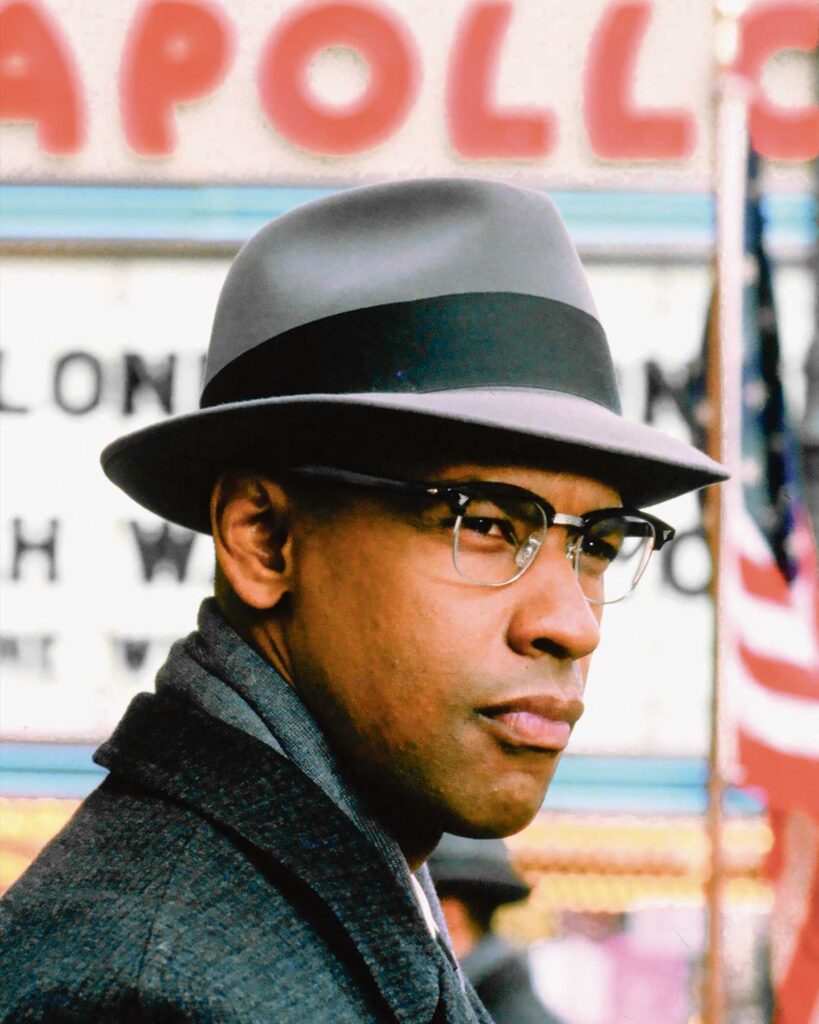
RC: Fortunately, with someone like Malcolm X, there were quite a few photographs of him, but not enough of him as he was a young boy in the dance hall years, and all of the years where he hustled in New York City. It becomes a relationship you have with the character or the person, gathering what you can see of them, and also imagining during the times what they would be challenged with. No one’s life that we portray in biopics is exactly the way that it was in their real life, even though we attempt to get as close as we can, because we only have two hours to tell their whole life. And we have to make it cinematic, and make you feel empathy, and make you cry, and make you laugh. I research a lot and that tells you things that you wouldn’t know. Like they built stoves in Detroit, so that informs ageing of the costumes – that these people who are workers coming down the street to eat, or were coming home, they could have worked at the furnace supply factory.
AP: Do you have any career highlights that stand out for you?
RC: First, I have to say that those years in the ’90s, bouncing back and forth between LA and New York every year, going to New York to work with Spike, and then coming back to California to work with Robert Townsend and Keenen Ivory Wayans – I really got both sides of the coin. I was able to do comedies like I’m Gonna Git You Sucka and B*A*P*S and understand their perspective – and then to go back and work with Spike on something rich like Do the Right Thing and Mo’ Better Blues and Crooklyn and Clockers. Really just the experience of both the East Coast and the West Coast in that way, every year for 14 years, was an incredible experience for me. But I would say that the one experience that stands out the most is being in Egypt, shooting Malcom X’s hajj to Mecca, having built the hajj in the desert, because we couldn’t go into the Holy City and shoot there. We rebuilt it. Our first day of shooting, we were shooting at the pyramids, and we left the hotel – it was still dark out – because we wanted to shoot a priest singing the morning prayer at the pyramids. I’m standing in the desert with Denzel Washington, on a Spike Lee joint, looking at the pyramids with a Muslim priest singing the prayer – it was so spiritual and so meaningful. It was an experience that you seldom see anymore, because movies will put a green screen around the whole set, and be in Egypt. But we were actually there.
AP: In terms of being the first Black woman to win an Oscar, and the second time in the same category – how does that resonate for you, not only in your accomplishment but in general?
RC: In 1993 I was nominated for Malcolm X. I was the first Black woman to be nominated for costume design. I was like, ‘Wow.’ But then I thought, you know, ‘Wow, it’s 1993. In this day and age, we’re still examining firsts.’ So that told me that the film industry was not wide open. I was able to do something that could open a door. And so my accomplishment then formed what this is going to mean for the culture. As time went on, Amistad happened, and meeting Steven Spielberg, and working on set with Steven, was another highlight. And then I was nominated. It was the loneliest nomination ever because the film didn’t get the nomination. But I was reminded that this is not the reason you’re doing this; it isn’t the crux of what makes this experience so impactful and so important for you.
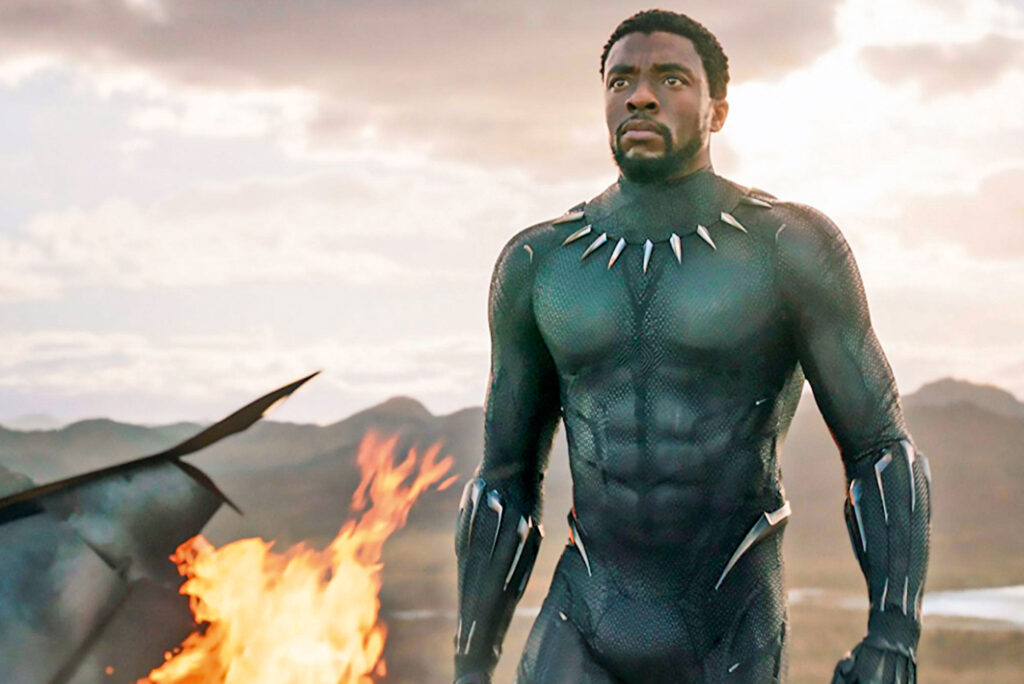
And then Black Panther happened. It was incredibly hard. It was really immersive. I look at pictures of myself, and I’m like, ‘Oof, there’s another bad hair day!’ But you had to give it your all. So to win for Black Panther, it was bigger than anything. To stand on that stage, and look out and see Spike sitting there, to see Chadwick Boseman, just smiling big and bright – it felt like I was still doing this for the culture; still achieving these goals for the community; still being an example for the next young girl coming in behind me, to show that they can, too. And that’s really what I was overwhelmed with joy about. And social media made it undeniable, because now you see the audience. You see what they want, and you’re able to actually give it to them, and talk about it. When the trailer for Black Panther dropped, I’m sitting at home, and I saw something come over my phone on Twitter. It was a question about the Himba tribe. I answered the question, and then it blew up.
AP: Can you tell us about Ryan Coogler’s latest film, Sinners, with Michael B Jordan – a departure for you because it’s a horror film?
RC: I had to get used to putting blood all over the costumes! We had to have things built in multiples because it was the 1920s, Mississippi Delta. And then, all of a sudden, here comes the vampires. It was a lot of fun. It was really wonderful to paint that landscape, to get that richness of time and place and people, and then depart from it, and have the fighting off of vampires, and stakes, and bites, and blood. Yeah, it got pretty messy [laughs].
AP: And now you are producing a film with Serena Williams…
RC: We are telling the story of Ann Lowe, who was a fashion designer. She was the first Black woman to have a shop on Madison Avenue. Her clientele were all of the high upper-class families in New York. She did a lot of debutantes, and Jackie Kennedy’s mom brought Jackie to Ann Lowe to have her wedding dress designed. When it was reported in the New York Times about Jackie Kennedy’s beautiful dress, she was listed as the ‘Negro Seamstress’. This was 1953. The Civil Rights Movement was just coming in. So to navigate these rich families, she had to kind of code switch. She had 35 people working for her. She wasn’t sewing on a sewing machine at home. She had a business. Her work is amazing, and it’s at the African American Museum in DC. It’s at the Met. People have collected her pieces in museums, but nobody knows, still, very much about her. So we are hellbent on giving her her flowers, and also showing how she was navigating the times, and how she was this genius of a woman who was doing all of these beautiful dresses.
AP: What advice would you give to a young person who wants to be a filmmaker?
RC: I think a young person who wants to become a costume designer, really needs to be committed to it. It’s a whole life experience when you’re doing costumes, and it’s not always glamorous. Come into this knowing that this is something that you really want to do, and you’re always going to be a student of it. The minute you think you know, then you’re only scratching the surface.
Words by RUTH E. CARTER/ARIANNE PHILLIPS
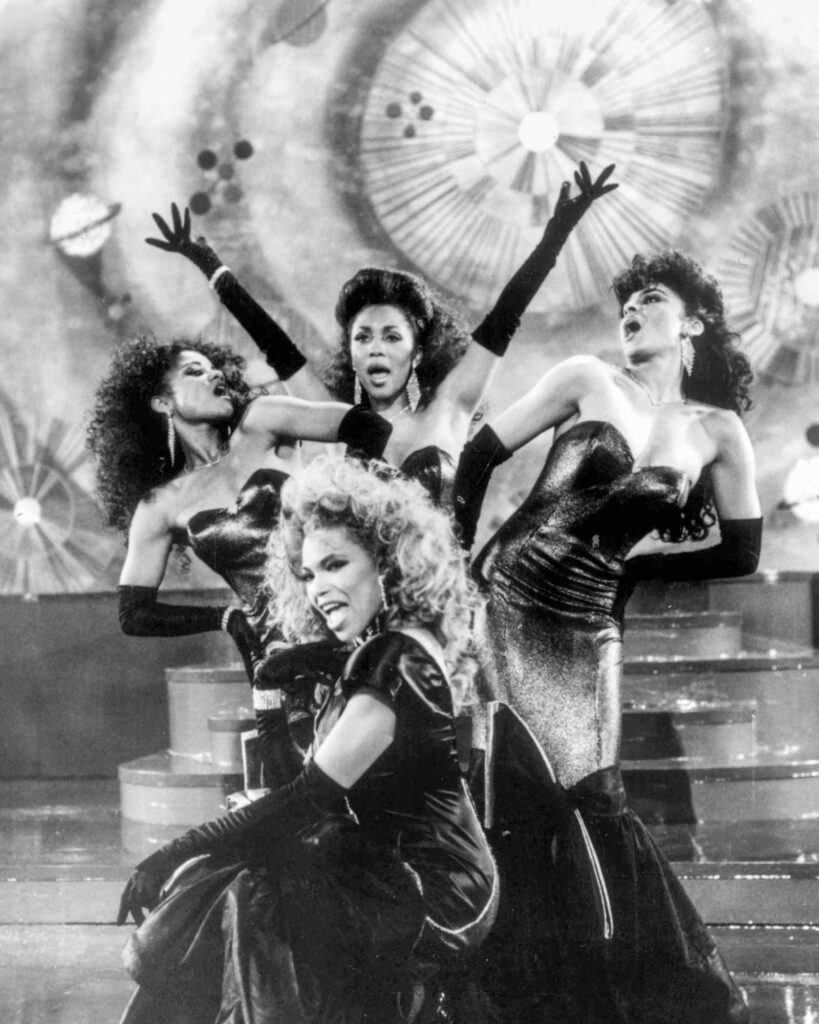
Do The Right Thing / Malcom X / Black Panther / Black Panther: Wakanda Forever / School Daze
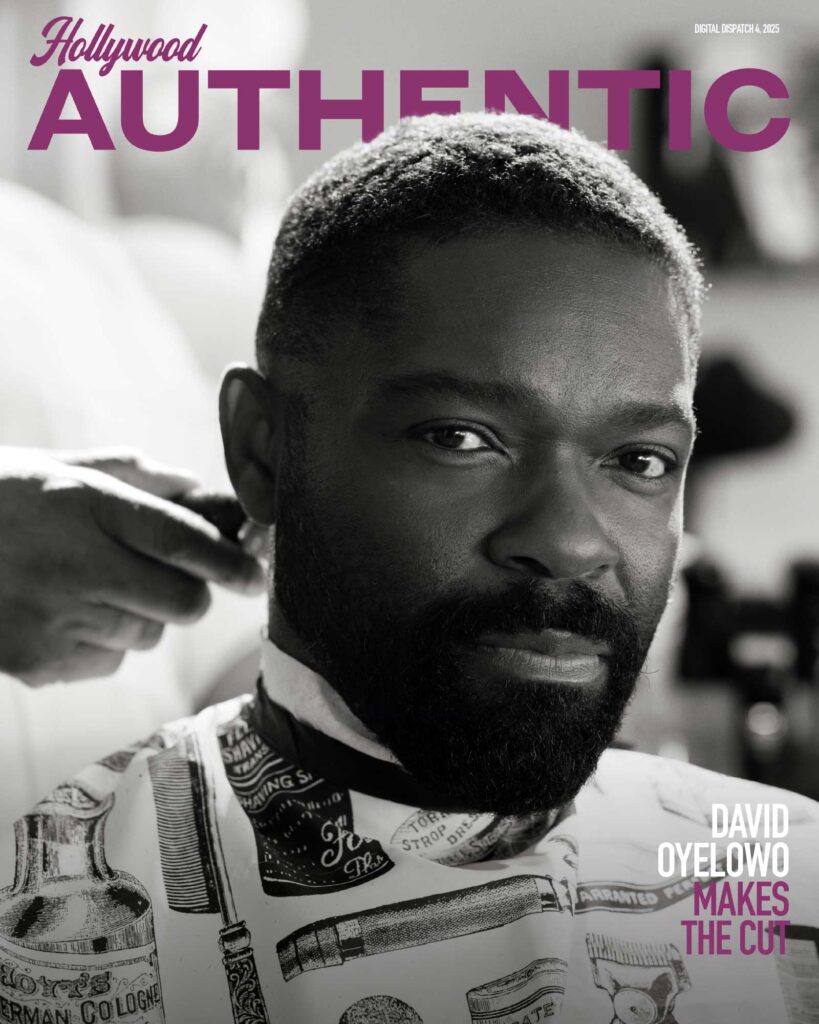
Photographs & Interview by GREG WILLIAMS
As told to JANE CROWTHER
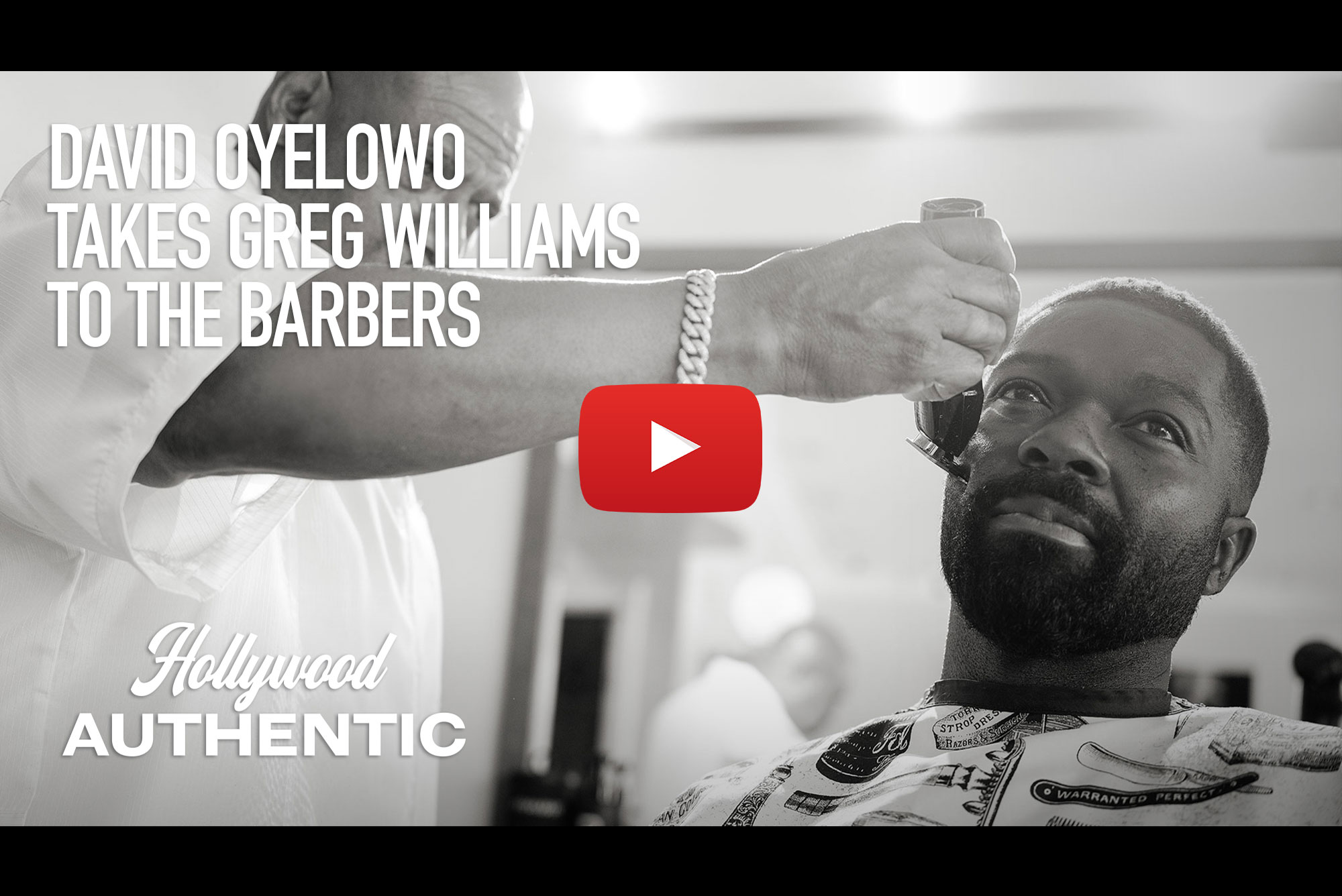
Greg Williams joins British actor-producer-director David Oyelowo at his LA barber shop to talk creating opportunity and the pursuit of excellence.
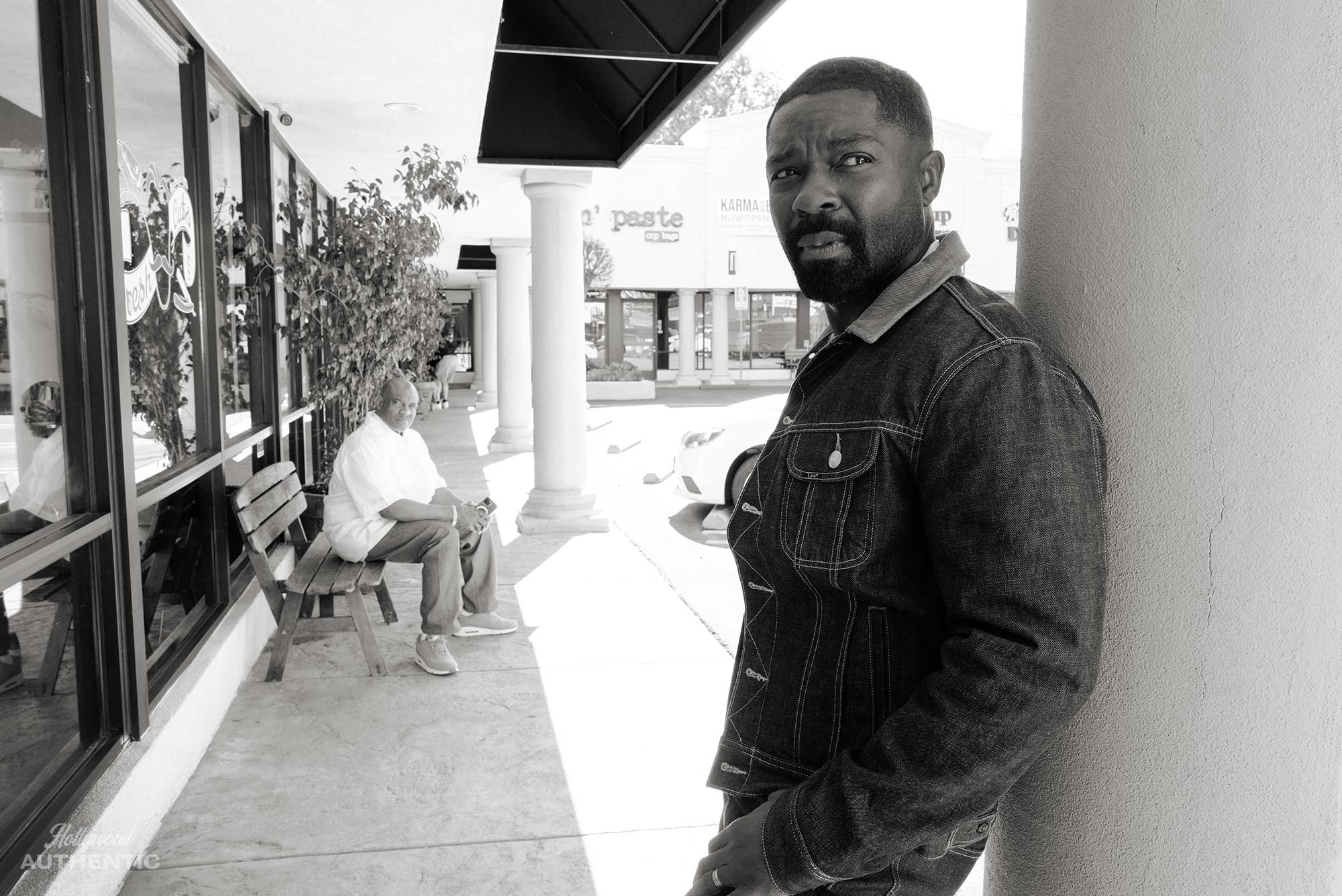
‘Getting into character, the look of the character, the physical presence of the character, is something that I tend to focus on,’ David Oyelowo tells me when I meet him at a strip mall in Tarzana one morning in February. This unassuming location off Ventura Boulevard is a place for transformation for the multi-faceted actor who has played Martin Luther King Jr. in Selma, a pharma-villain in Rise of the Planet of the Apes and the first African-American US Marshal in Lawmen: Bass Reeves. Today, Oyelowo is getting a haircut from his trusted barber, Gene. ‘He’s very detail orientated,’ Oyelowo says as we walk inside. ‘He gets me looking right.’
Sandwiched between a pilates studio and a dog groomers, the barber shop is a cosy space that Oyelowo has been coming to for a long time – Gene has been cutting his hair for 15 years. It’s one of his neighborhood spots in LA, now home since moving here in 2007 and becoming a US citizen in 2016. The valley is also the location for the filming of Government Cheese, his new ’60s-set dramedy show currently streaming on Apple TV+ in which he plays an ex-con who returns home to his family and causes chaos. He’s about to start a promotional campaign for the project and wants a sharp cut.
As Gene fires up the clippers, I ask Oyelowo about his relationship with excellence, given his prolific work output and his ability to plate-spin being an actor, producer and director. ‘A principle I live by is: the difference between good and great is hard work. I think that’s what excellence looks like. I’ve had to learn that there’s a difference between perfection and excellence. Perfection is debilitating. It’s unattainable. I think, actually, it ultimately leads to depression. The pursuit of excellence is something that is attainable because it’s basically doing your best, knowing you’ve done your best, and making peace with the fact that that’s as much as you can do. Failure doesn’t mean that you weren’t excellent. I used to actually take pride in being a perfectionist, especially with having kids, you’re trying to model behaviour that they will emulate. I recognise that them watching their dad pursue perfectionism is not a good example. But excellence absolutely is. That is what I now aspire to more than perfection.’
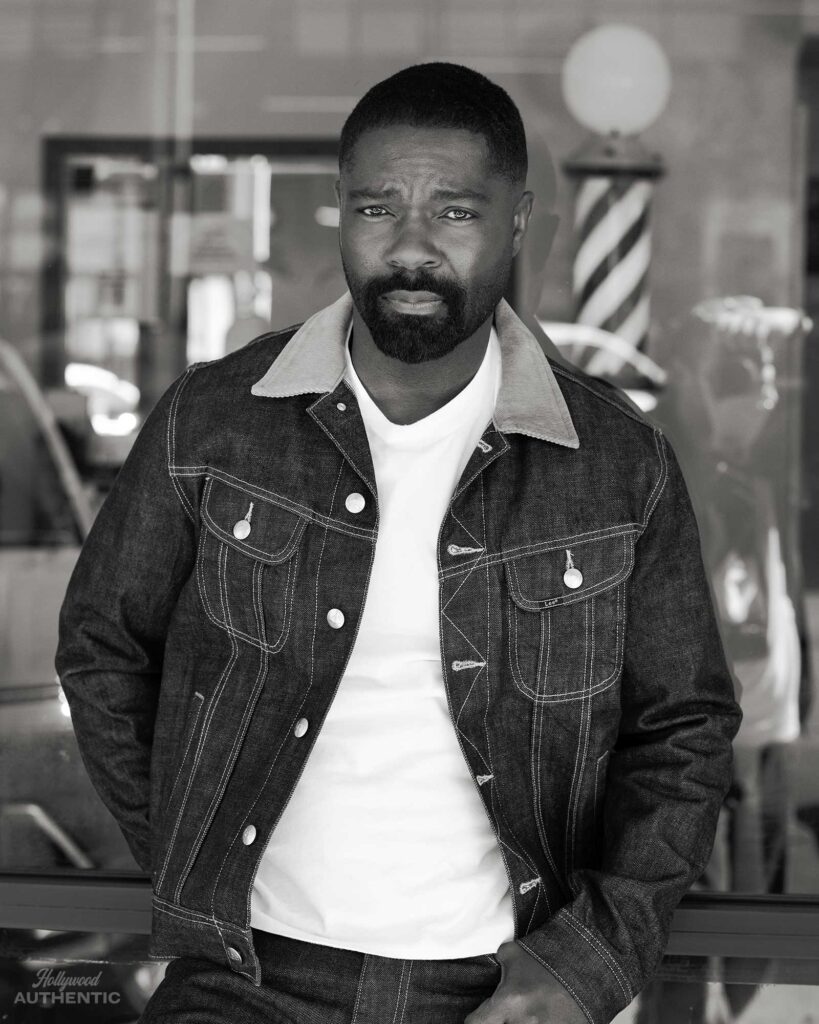
If you find good people, hold on to them for dear life
Oyelowo has certainly shown excellence in his work to date since learning his craft at the National Youth Theatre and LAMDA before making his name in BBC spy show, Spooks, in 2002. Since then he has impressed in a wide range of projects (and accents) including Lincoln, Jack Reacher, Interstellar, Silo, The Book of Clarence and most recently as Shakespeare’s Coriolanus in London’s West End. He’s been working professionally since 1995 and subscribes to the building up of a career with varied roles and experiences. ‘Young actors, or people who are aspiring to be actors, a lot of the time what they aspire to is instantaneous success, or having quite a high level of notoriety quickly. I actually think that’s a trap. What you actually want is a slow-burn career. You don’t want to have the highs be too high, and the lows be too low. But consistency is how you end up with a body of work that is admirable in its totality, as opposed to these moments that, in isolation, warrant attention, but then there’s this dearth in between. And the only way you get that is perseverance.’
As Gene carefully grades his hair, Oyelowo smiles in the mirror. ‘This is why I like having my haircut done by Gene. Every time I sit in this chair, I can tell that he is looking to do his best work. I genuinely am drawn to that. It’s one of the things that I enjoy as a producer, and whenever I’ve directed as well. It’s being around people who are brilliant at what they do. Actually, I got a great piece of advice. The feature film that I directed a little while ago, The Water Man, I called some directors who I really admire. One of them said something that really stood me in good stead, which is that your job is to hire the best people possible, communicate your vision very clearly, and then allow them to take flight. So excellent people – people who pursue greatness – is the way for you to look great as a director. And certainly I know from when I work with great directors, that’s very clearly the distinguishing factor. They surround themselves with people who are really excellent, and they model it in what they do as well.’
I ask him about working with an actor often cited for excellence, Daniel Day Lewis, who played President Lincoln to Oyelowo’s union soldier in the Spielberg film. ‘I personally think he’s the greatest living actor,’ he responds without hesitation. ‘The definition of not only an actor but a great actor is someone who is chameleonic; someone who genuinely transforms role to role; someone who clearly has studied humanity to a degree whereby they’re able to approach humanity from so many different angles and still be convincing in the roles they play. That, to me, is a master of the craft, and I can think of very few actors who take as many risks as he does, who pay a price as high as he does, and who are as successful in terms of the execution of their roles as he is. He, for me, is the gold standard. And then there’s working with Forest Whitaker on The Last King of Scotland, or a director like Christopher Nolan or Steven Spielberg or Anthony Minghella or Ava DuVernay, where you go, ‘Oh, there are levels to this thing.’ Tom Cruise is the same. These artists who you just go, ‘Oh, that’s why you’ve been doing it this long. That’s why there’s a connection between you and the audience that is not what you get everywhere.’ That gave me the blueprint, and maybe even the playbook for some of the more intense roles I’ve been afforded the opportunity to go on to play.’
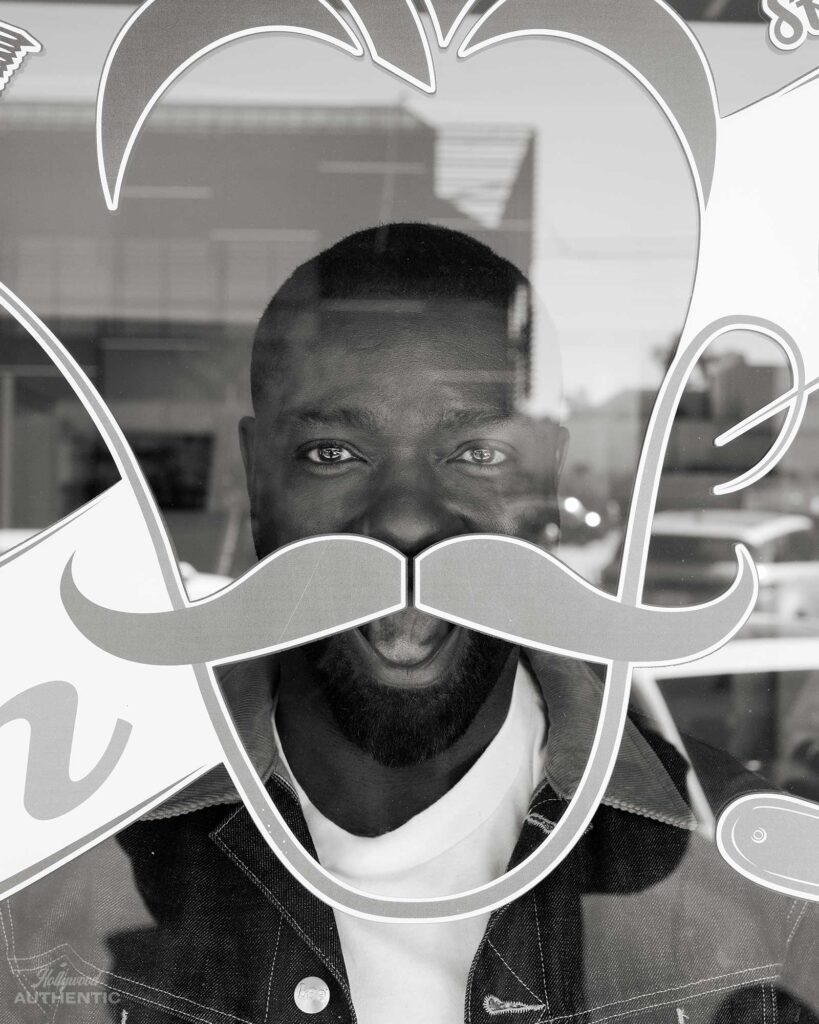
Having played two historical figures in Martin Luther King Jr. and Bass Reeves, Oyelowo was hoping to add another to his resume with a long-gestating biopic of boxer Sugar Ray Robinson. ‘I think I have to make peace with the fact that I’ve probably aged out of playing Sugar Ray Robinson,’ he laughs. ‘But I still want to tell that story, and I think I’m going to still do it, probably as a producer, maybe as a director. Sugar Ray Robinson in his prime may be something that I let someone else do. But, honestly, that is something that I increasingly have enjoyed doing, keeping open the doors that have either been opened for me, or I’ve managed to get open, and making sure that others are allowed through. A big goal of mine is to leave the storytelling landscape different than I found it. A film about Dr King where he’s central had not been made before. A show that had Bass Reeves central had not been made before. Sugar Ray Robinson was the inspiration for Muhammad Ali. We should know more about him. That’s why I’m passionate about that story. And finding different ways to get these stories out there is the thing I’m ultimately very dedicated to.’
Oyelowo’s production company, Yoruba Saxon, looks for projects that shine a light on underrepresented stories. ‘We have a motto to normalise the marginalised. Our goal of normalising that is just an acknowledgment that filmmaking and television changes culture. It’s one of the most potent means of both advancing and regressing culture. And so I definitely want to be on the good side of that fence. Telling stories, for me, is a means of entertainment and education, but it’s also a political act for me.’
His move to LA from the UK was also something of a political act. Feeling limited by the opportunities available to him at home despite success with the RSC and Spooks, he turned his eyes towards America – moving himself and his wife to Hollywood. ‘It was patently obvious that the UK was not going to provide the opportunities I aspired to. Some of that is to do with race. Some of that is just to do with the size of the industry. But the two things compound each other. If it’s a smaller industry, and Black and brown people are not prioritised, then it’s an even smaller postage stamp to land on.’ Has that changed, I wonder? ‘Where I think it hasn’t changed much is I see that for Black actors in the UK, a path to a global career is still through playing roles that are not British. You still have to play American roles, or roles that are not tied to our culture in the UK, which I think is deeply unfortunate. John Boyega has to do Star Wars. Chiwetel Ejiofor has to do 12 Years a Slave. Idris Elba has to do The Wire. Naomie Harris has to do Moonlight. Thandiwe Newton has to do Mission: Impossible. Daniel Kaluuya has to do Get Out… There isn’t the same trajectory as if they’re white, British actors. It’s different.’
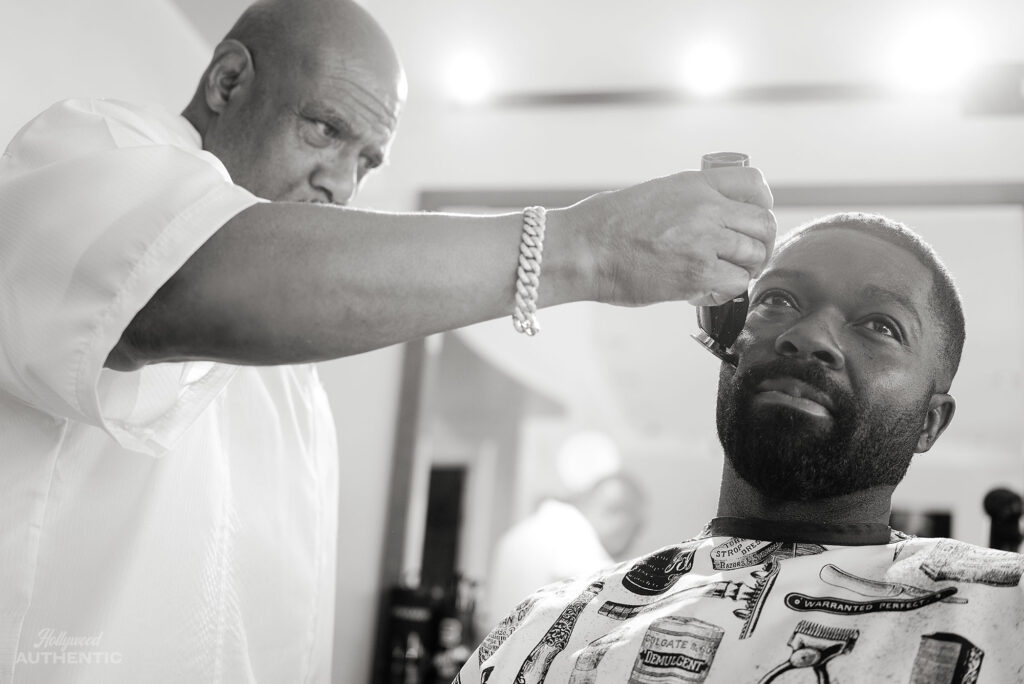
He recalls his methodology for trying to break out of pigeonholing. ‘I had to say to the people who were considering taking me on as an agent, “Put me up for the roles that are either non-race-specific or are specifically white, because that’s where there’s more dimension. And then I’ll bring the specificity of my Blackness to it.” When it’s written for a Black character, the aperture just goes so small, and it does fall into caricature and stereotype – and a lot of the stereotypes that I didn’t want to be perpetuating. Also, it made characters such that a global audience couldn’t relate to them. They felt so niche. They felt so boxed. A lot of my career has been spent exhaustingly having to educate people – my history, my culture, who I am, my journey, is not their bias or their perspective. Things are getting better but ultimately until women, until Black and brown people own distribution mechanisms, or have the resources to be able to tell their own stories outside of the studio system, we’re going to be in this cycle.’
Oyelowo leans forward in his chair and inspects Gene’s work before asking for minute calibrations in the weight of his goatee. I ask him about growing up in the UK as the kid of immigrants. His Nigerian parents from two different tribes ‘essentially eloped’ to Britain to be together, having him in Oxford before the family moved to South London and then back to Lagos. ‘You want to talk about a culture shock? Not only was it just different culturally, but it was very different familially. We didn’t really have any family in the UK, and suddenly we lived on the Oyelowo compound on Oyelowo Street in Lagos.’ At 13, the Oyelowos returned to London, to Islington, where the teenager caught the acting bug. Now he lives in Los Angeles with his family (a 13-year-old daughter and 17-year-old son; his two older sons, aged 20 and 23, have since flown the nest), three dogs and two parrots. At 48 he considers himself in the sweet spot for amassed experience and nous. ‘One of the greatest things about getting older and more experienced is trusting your gut. I think that it should be earned over time. It’s not something where you’re coming in as a 19-year-old and just throwing your weight around. I’ve seen that, and it’s not pretty. But an opinion based on knowing to trust your gut, combined with experience and with humility, I think is where you’re really starting to make a dent – a good one. That’s something that is increasing for me. And it’s amazing how much more you can achieve with genuine “sacrificial love”, where you’re putting other people before yourself, and therefore creating a culture with everyone looking after each other. On a set in particular – that’s one of the things I love about being a producer or a director. It’s having the opportunity to help establish that culture. If you’re not in a leadership position, it’s much harder to help engender that environment. The abuse of power is all about insecurity. I don’t like working with those guys or girls. That’s a luxury I now have. Not everyone has that luxury. But, boy, it’s one I take, because it’s so debilitating working with people who are power-hungry, who are not truly collaborative, who are toxic, and who just seem to thrive on making other people’s lives difficult. It’s just not worth it.’
Gene is done – it’s a fresh cut – and we return to the theme of excellence. Oyelowo thinks back to seeing the way Steven Spielberg surrounded himself with the highest level of craftsmanship on Lincoln. ‘If you find good people, hold on to them for dear life. With Spielberg – the director of photography, production designer, costumes – so many of the crew have done multiple films with him. And it’s a great way to just weed out the arseholes, and just have that shorthand with people.’ He turns to his groomer Vonda sitting nearby and asks how long they’ve worked together. The answer is 15 years. He asks his PA, Darnell, the same question. It’s three. Oyelowo throws up his hands in a ‘see?’ fashion and laughs. ‘I’ve told Darnell very clearly that I need at least seven years’ notice if she’s going to quit!’ He stands and brushes his hair off. ‘For me, that’s how you have not only a good life but a good working life…’
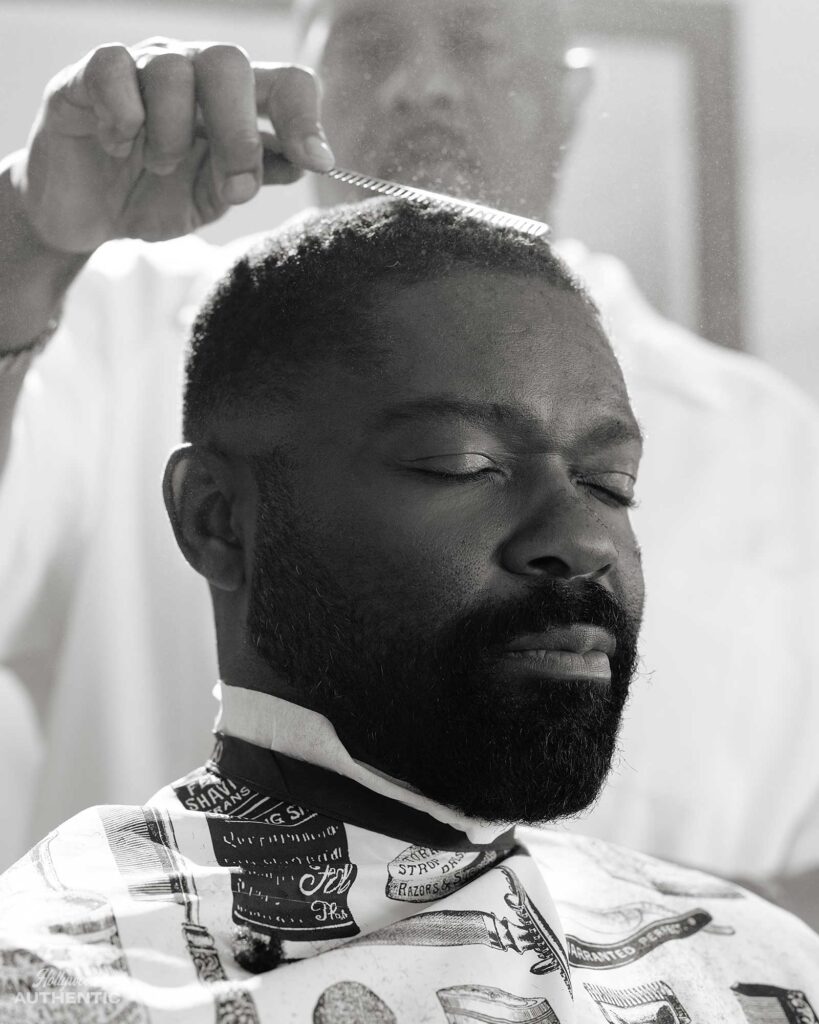
Government Cheese is streaming now on Apple TV+
Hair: Gene Miller, Grooming: Vonda Morris, Styling: Mark Holmes

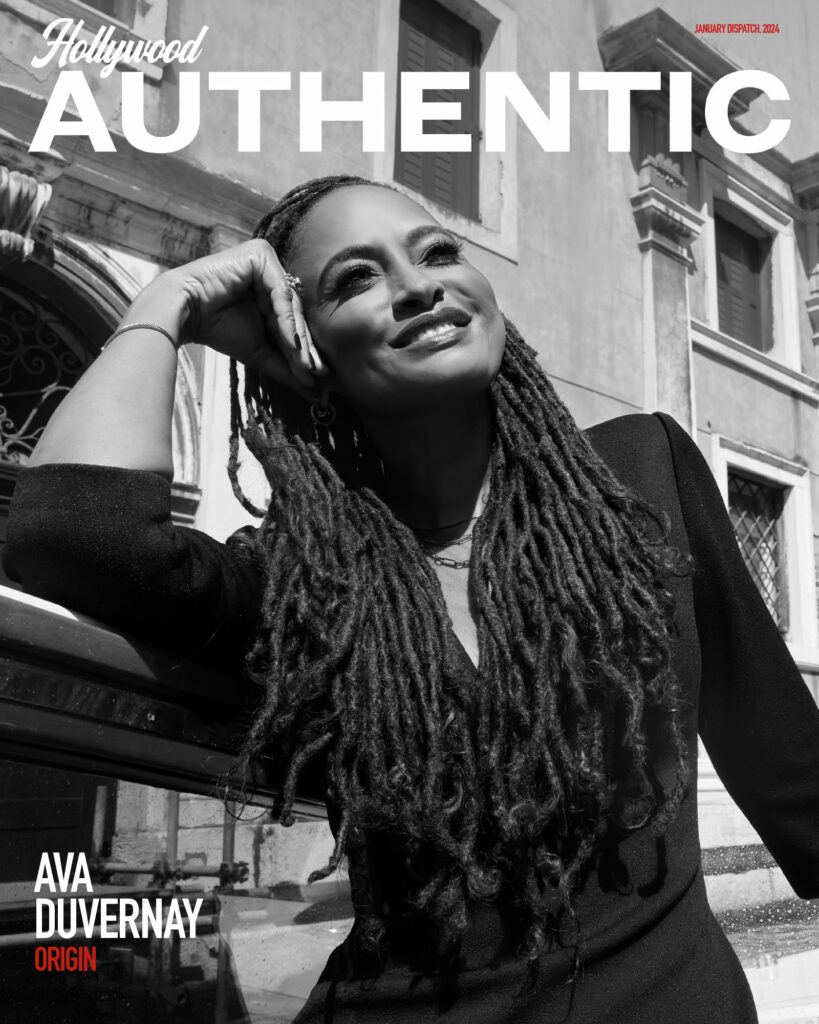
Ava DuVernay didn’t start directing until she was 32. But she’s barely stopped since. Now, as her Oscar-tipped Origin hits cinemas, the film publicist turned filmmaker has an unstoppable momentum.
Ava DuVernay films make history. She was the first Black woman to direct a movie nominated for a Best Picture Oscar with her Martin Luther King Jr. feature film Selma (2014). Three years later, she became the first Black woman nominated for a Best Documentary Feature Oscar with 13th, an extraordinary film that explores the links between slavery and the criminal justice system in the US. And now there is Origin, her affecting adaptation of the Isabel Wilkerson book Caste, which examines how a “dominant caste” might undermine a “subordinate caste”. Critically praised at film festivals in both Toronto and Venice (where DuVernay became the first Black woman to compete in the Italian festival’s 91-year history), it is likely to be a fixture of awards season.

I’m interested in your earliest memories of film or going to the cinema.
Some of my earliest and fondest memories are of taking the bus to my local movie theatre here in Los Angeles, with my late Aunt Denise, who was an avid lover of film. I wasn’t exposed to foreign or independent films as a young person, rather a steady stream of studio films released in the late ’70s and early ’80s.
When did you realise you wanted to tell stories via feature films and documentaries?
When I look back, I can see that I was interested in news stories. I thought that would be my way in. I became a film publicist and pitched stories about movies. I thought it was the best job ever because it allowed me to have proximity to films; I was on set and around film makers all the time. However, I didn’t think I could make my own films until I was in my early 30s.
Were you waiting for permission to pick up a camera or write a script?
That’s a great question, but it just wasn’t on my radar as something I could do. I loved the John Hughes movies – The Breakfast Club and Sixteen Candles – but there were no Black people in those films. One of my favourite films growing up was Grease, but there weren’t any Black people at John Travolta and Olivia Newton-John’s school. Ultimately it was less about permission than possibility.
I assume the pivot from publicity to filmmaking required sacrifices?
I sold my house. I gave away all my clients to other publicists. I had to really wrap my mind around being an independent filmmaker with not a lot of money. I’ve never really talked about this either! But yes, I had to make both practical and emotional sacrifices.
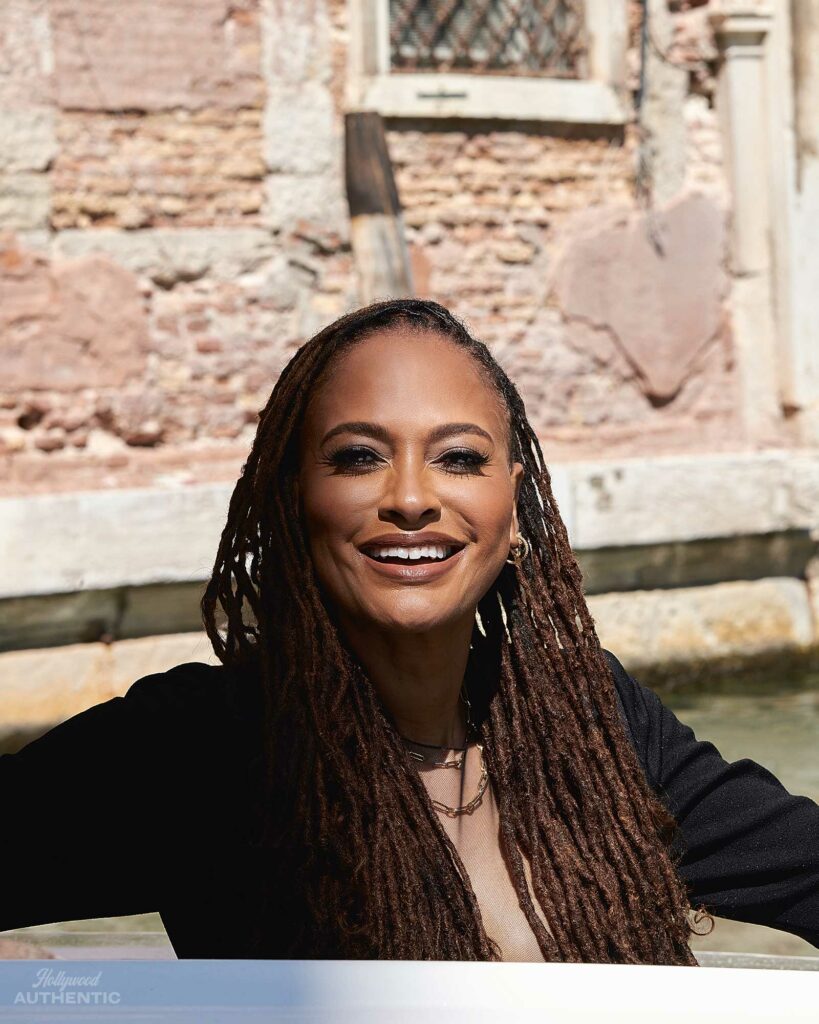
I sold my house. I gave away all my clients to other publicists. I had to really wrap my mind around being an independent filmmaker with not a lot of money. I’ve never really talked about this either! But yes, I had to make both practical and emotional sacrifices
Is it important for you to direct, write and produce where possible, to allow you to assume control of the films or documentaries you make?
I’m very much at a crossroads. I wrote, directed and produced my early work with one producing partner. And then I did Selma, Wrinkle in Time and When They See Us with other powerful producers. Good people, but without the familial aspect. I wanted to make Origin, which had a much bigger budget, with just one producer. I wrote, directed and produced it. It’s gonna take a lot to make me go back to working with a bunch of producers. I’m much happier being the true author of the work, even if it means having smaller budgets.
Your feature films and documentaries may be historical, but they have a habit of reflecting contemporary times?
I know! With 13th, Trump was running and his rhetoric dovetailed with the historical rhetoric we were exploring. In Selma, we made a film about a small Black town that was fighting for its rights in 1965, and that same year there was civil unrest in Ferguson [after the fatal shooting of Michael Brown by a local police officer]. And now, with Origin… well, I can’t believe what’s going on in the world in terms of the human hierarchy. So there’s been this slightly eerie connection that my films have with current events.
The best people have witchy qualities, right?
[laughs] Exactly! I thank you. I love it!
Were you pleased with audience and critic responses to Origin? And, of course, the standing ovation at Venice?
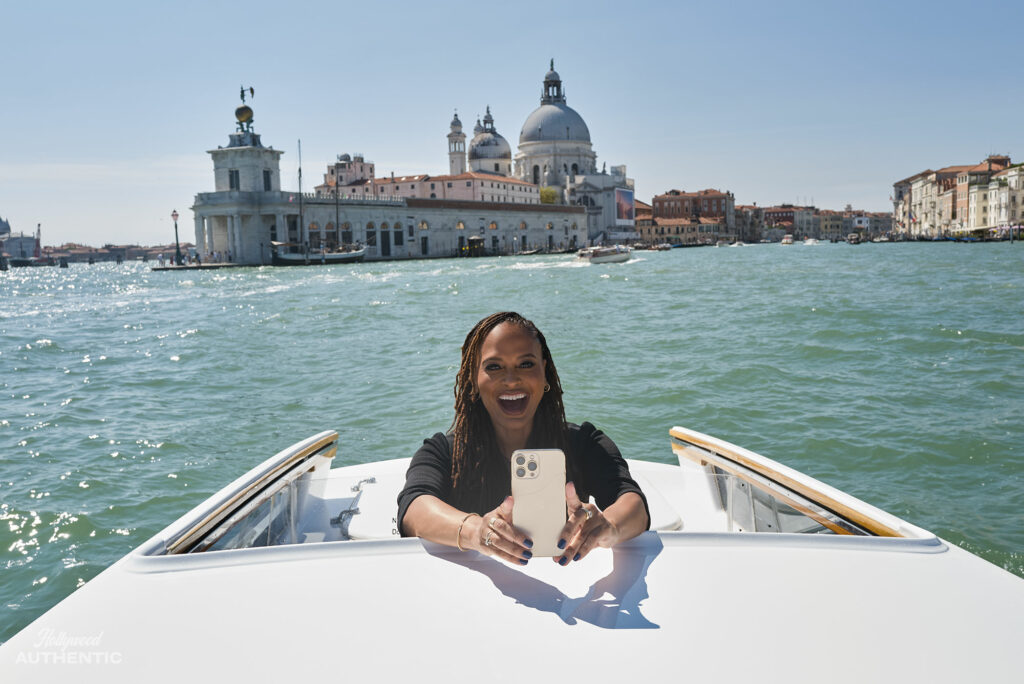
Thrilled! I was really happy with the reviews. The majority of folk are coming out of the cinema very emotionally affected, which is the goal. Before the film screened in Venice, I said to myself, ‘Please get a four-minute ovation because three minutes is embarrassing.’ I don’t often watch my own films, but Venice kind of keeps you captive so I had to go through it. I could hear people sniffing and sighing, glasses coming off, tears being wiped, laughter. But I did not expect a nine-minute standing ovation. I didn’t know what to do. Stand? Sit? It was rough. My smile started to hurt. I didn’t know where to look, so I turned away and started walking up the stairs. My publicist tried to make me stay! But it was a glorious experience.
Would you say that empathy is the common denominator in your work?
That’s what I’m trying to evoke, for sure. That’s the exact word. A sense of dignity that only comes when you have empathy for someone who’s not like you. I’ve been very focused on amplifying the experience of Black people in the United States, but Origin pushed me to broaden that lens. I really looked at the commonalities and challenges that people have across continents and time. Creating images about people who aren’t primarily Black was exhilarating. You know, we shot the film on three continents in 37 days. We shot in the square in Berlin where the Nazis burned books. I stood there as a Black American woman in the same place that Goebbels stood and denounced humans who looked like me and otherwise.
What do you think is your superpower as a filmmaker?
I really like talking to people, which probably comes from my time as a film publicist. I have no issue talking to cast or the crew. I have no fear of saying ‘I don’t know’ or ‘I don’t like that’. There was a lot of technical stuff I didn’t know when I started, but being a publicist, which was all about pitching the story, was my film school. It all worked out.
Can you tell us what you’re working on next?
When I started making films, I always had another project lined up in case they tried to kick me out. But now, for the very first time, I don’t have another project lined up. And I love it! I’ve earned it, I can take the time out. I’ve made so much stuff in the past 10 years that I’m fine to slow down. So, oddly enough, this is the first time I’ve ever said, ‘I do not know what I’m doing next.’
Origin will be released in 2023 date TBC
Special thanks to Jill Demling and Meredith O’Sullivan