


Photographs & interview by GREG WILLIAMS
As told to JANE CROWTHER
2024’s BAFTA Rising Star, Mia McKenna Bruce, meets Greg Williams for a London stroll to talk about how she transformed from child actor to artist.
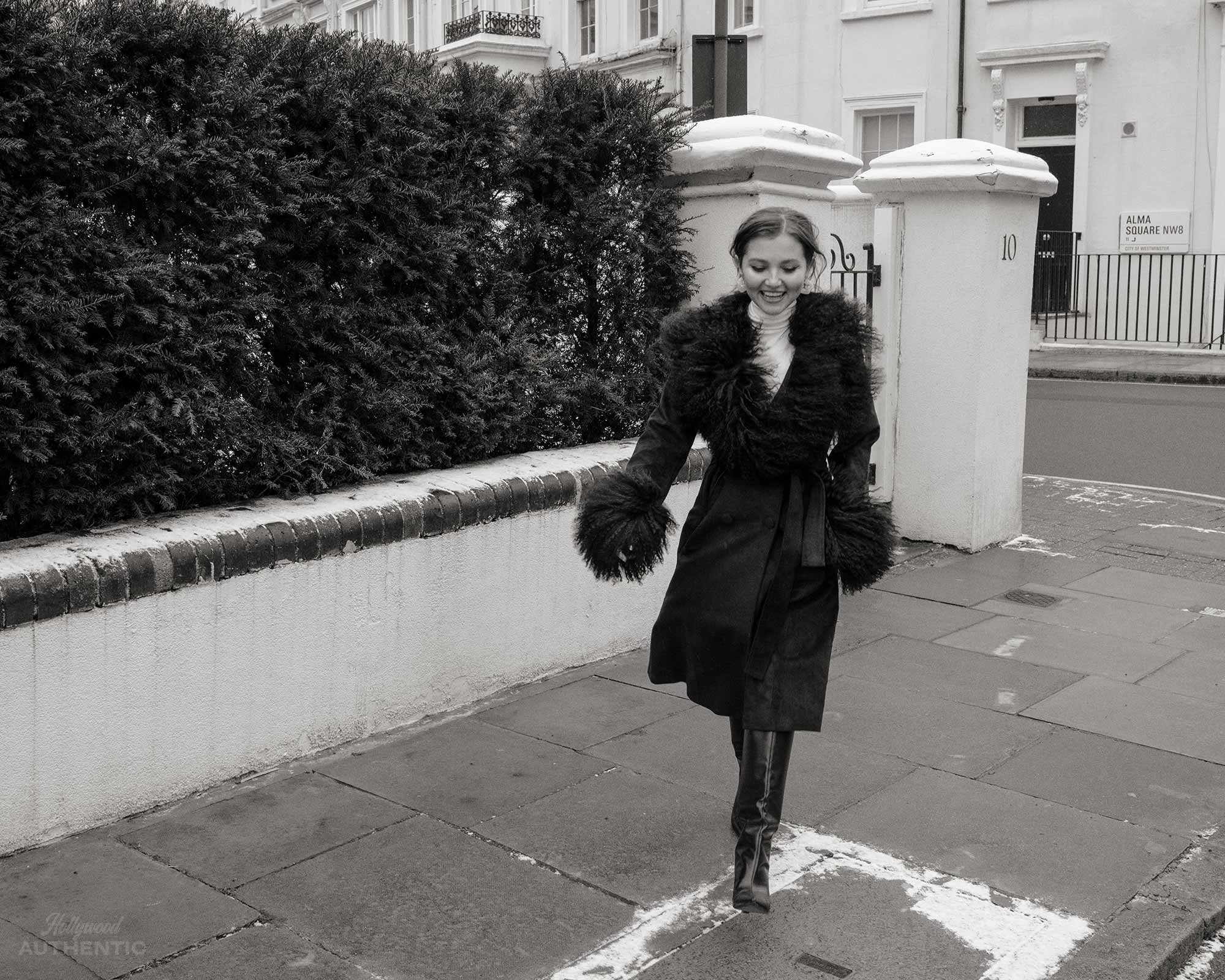
It’s a bright January day early in the month and a dusting of snow makes the St John’s Wood neighbourhood of London seem magical as I meet Mia McKenna Bruce. She’s currently filming Sam Mendes’ four-film project, The Beatles, an expansive, multi-perspective quadrant of biopics in which Mia plays Ringo Starr’s first wife, Maureen Starkey. It’s not the only project she’s got on the books, as she capitalises on the BAFTA Rising Star Award she received in 2024. I first photographed her there, coming off-stage, award in hand, and she’s booked a run of high-profile roles since.
Originally from Eltham in South-East London, Mia’s family moved to Kent when she was in year eight as her career was originally taking off as a child actor in TV shows such as Tracy Beaker and The Dumping Ground. She looked younger than her years as a kid so could play younger roles with more sophistication than smaller children. She’s 28 now, and mother to a two year-old son, Leo, but confesses that people still assume she’s a teenager. ‘I still get ID-ed for Lemsip,’ she chuckles. ‘Or I’m trying to get my son Calpol, because he’s teething, and they’re like, ‘We need your ID’.’ Her youthful look helped her play the role that put her on the map as an adult actor, playing Tara, a teen tourist in Malaga, who struggles with issues of sexual consent on a girls’ holiday in Molly Manning Walker’s’ How To Have Sex. It was, by turns, a haunting, vulnerable and bubbly performance that got her on the BAFTA Rising Star shortlist.
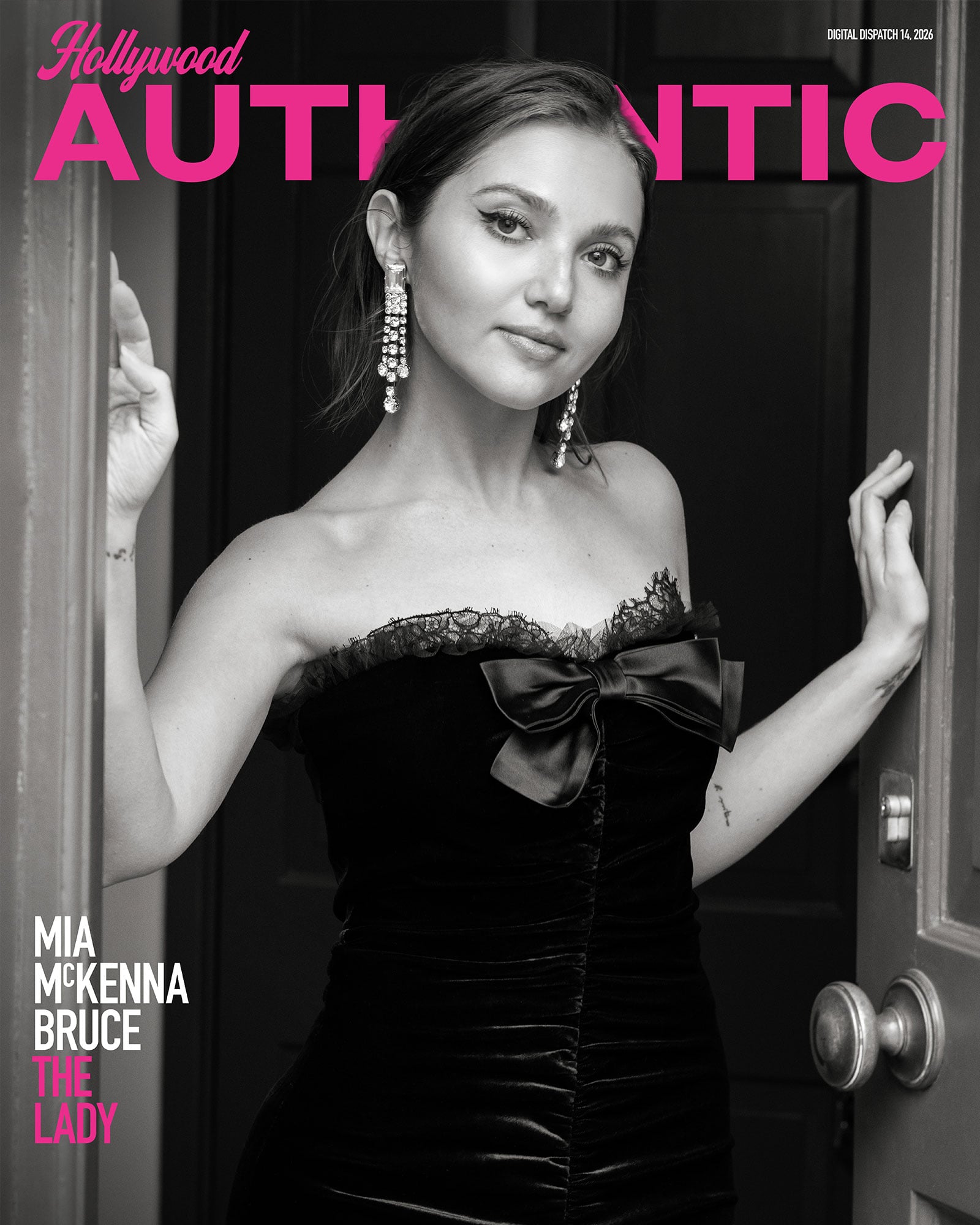
Since then she’s led the cast of Netflix’s sumptuous adap of Agatha Christie’s Seven Dials, worked opposite Matt Dillon in Claire Denis’ Senegal-set drama Fences (which debuted in Toronto last year) and played Jane Andrews, the former royal aide and dresser for Sarah Ferguson who murdered her partner in mini-series, The Lady (out now).
I ask about receiving the BAFTA. ‘It still blows my mind,’ she says. ‘That moment that you took that photo, I was literally like, ‘I think I’m going to throw up’. I was very happy, very shocked. Getting to have my family there, to see that moment, was probably the best thing about it all. That was so magical.’ When I ask what she puts getting the award down to she gasps, ‘Oh, a glorious question!’ She thinks for a moment. ‘I think I put it down to a lot of perseverance. A lot of rejection, because that feeling of rejection was horrendous for a long time. It was the thing that actually made me go, ‘I really have to just do this’.’
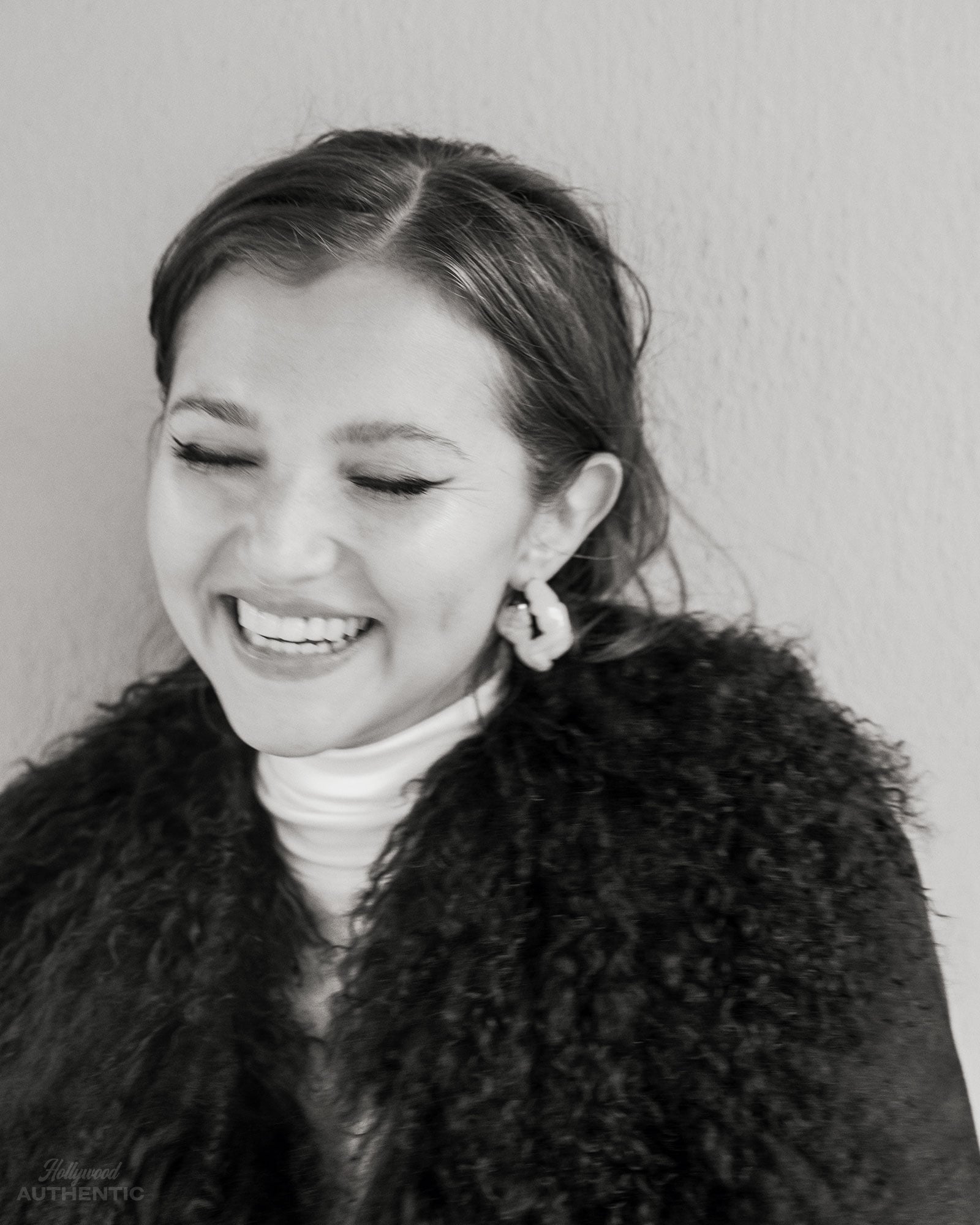
I wonder if there’s a moment she’s most proud of in her career so far. She leans on the studio railings and considers. ‘There’s a shot in How to Have Sex where Sam Bottomley, who plays Paddy, is walking away from Tara, who I play, and he says something over his shoulder. Molly, our wonderful writer-director, told Sam to throw random, horrible things at me. There’s a bit where I think you can just see that it looks like it really cuts me deep. And I really feel proud of that, because it wasn’t something that we planned. In that moment you really saw what the film was about.’
She’s not allowed to discuss the Beatles film but admits it’s ‘a proper ‘pinch me, I can’t believe I’m a part of this’ moment’. She was also pleased to headline Netflix’s most recent binge TV, playing a flapper socialite, Lady Eileen, who must solve a murder mystery at a country house in Agatha Christie’s Seven Dials. ‘What really excited me was that in the 1920s a woman is just constantly being told ‘no, no, no’. It’s pushing those boundaries. Pushing outside the box. Also, I got to learn the Charleston.’ She stops on the pavement to do the famous dance in her high heels. ‘In the snow, in the boots!’ she laughs. This is some dexterity considering she tripped over a carpet on set and broke her foot which meant her equally tiny sister had to be brought in as a body double for some physical scenes. It was a calling card for audiences as Mia teamed up with Martin Freeman’s Superintendent Battle, traded loving barbs with Helena Bonham Carter (playing her onscreen Mum) and raced cars down country lanes in search of the truth.
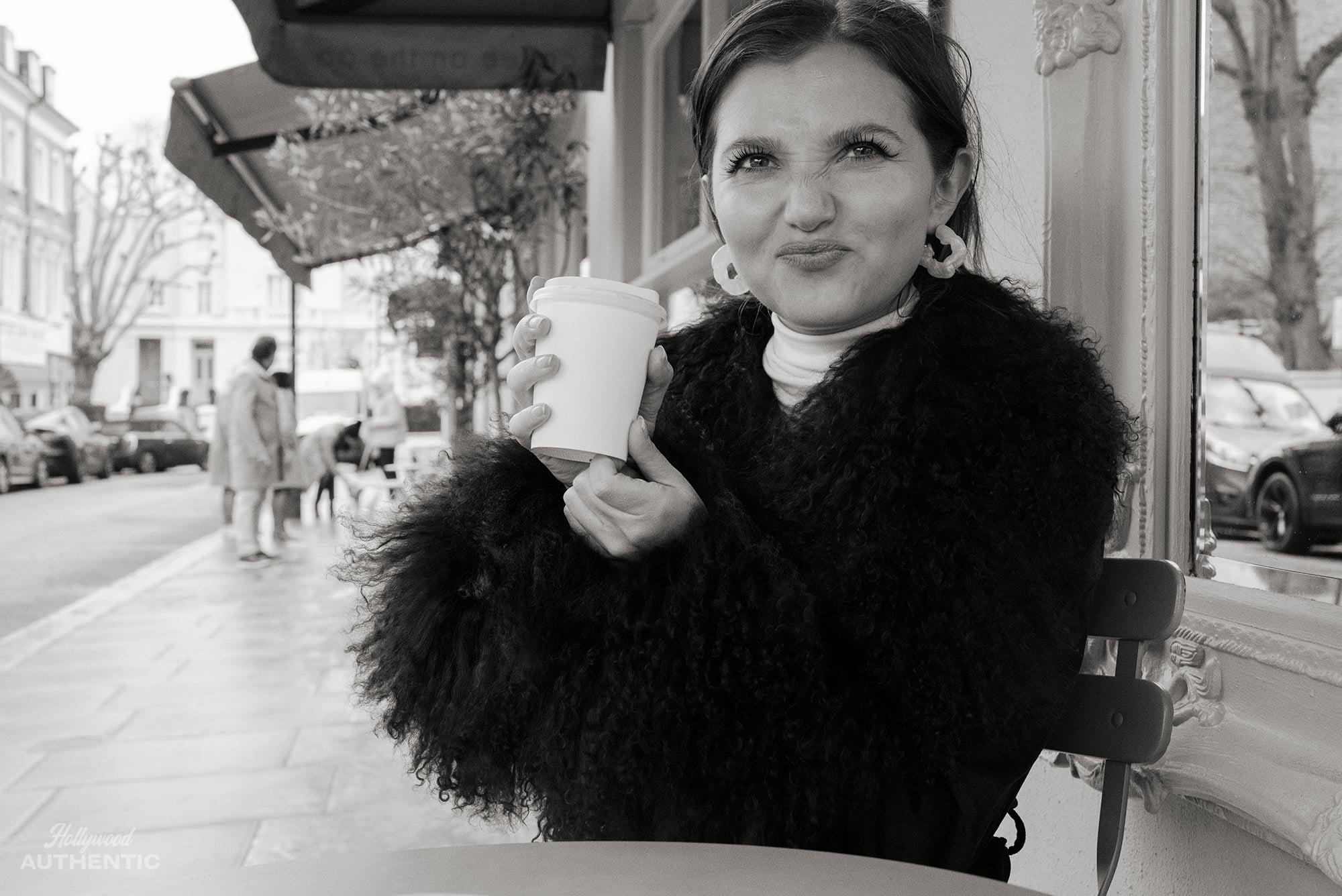
As it’s chilly we decide to grab a coffee – a latte with oat milk for Mia who describes herself as a coffee addict. ‘It’s a bit of a ‘don’t talk to her until she’s had her coffee’ thing,’ she jests. To be fair, she sounds fun on set if her gaming MO is anything to go by. ‘I’m just a sucker for a game. I always have in my bag, on set, Uno and a mini travel chess board. Because if you’re spending hours in makeup and stuff, it’s really fun to just get to play chess with makeup artists. And a new addition to my games set is Monopoly Deal. And I love bingo. We go down to Romney Sands and play bingo with all the kids, and all of our extended family. It’s great fun.’
Molly [Manning Walker], our wonderful writer-director, told Sam to throw random, horrible things at me. There’s a bit where I think you can just see that it looks like it really cuts me deep. And I really feel proud of that, because it wasn’t something that we planned. In that moment you really saw what the film was about
As someone who’s been working for years as an actor, living away from her family with chaperones as a kid, I’m curious what she thinks about that experience. Would she want her son to follow her path? ‘I wouldn’t want to say no, because obviously I wouldn’t be where I am now if I’d had the journey that I’d had,’ she considers. ‘But it’s not something I would actively encourage him to do. I knew from a very young age that I really, really loved it, and my parents aren’t a part of the industry. They didn’t push me into it, it was fully me driving it – at about seven years old. For as long as I can remember, I thought I would be a ballerina, a dancer. And then there was in the newspaper an audition for an amateur production of Zeusical the Musical in Croydon. I was begging my mum and dad to let me audition. I got in to do this show. And then I ended up doing Billy Elliot in London for two years, which was just a dream come true.’
This is a story that many people can tell, but not every child actor manages to translate their success to an adult career. How did she move from child actor to artist? ‘I was on a show [Tracy Beaker] from the ages of 10 to 18 as a child actor. It was very fast-paced. I learned very much about being on a set. I had absolutely no idea how to approach a character or a script. It meant I didn’t go to drama school. I hardly went to actual school, because I was away filming a lot of the time. So when I left that show at 18, and was auditioning as an adult at 18, I had absolutely no idea. In the room, they’d be like, ‘OK, talk about the character. Talk about the script. Talk about your ideas’. I had no idea. I got into a really bad cycle of putting too much pressure on it, and trying to navigate it myself, and having no real idea. So then I left the industry entirely. I left my agent. I went to Australia. I did a bit of party-party. And I realised that I did love it, but if I loved it enough, I had to put in the work. And so I went into workshops on a Saturday in London and started to learn about the more artistic side of acting. That’s when it started to come into its own for me.’
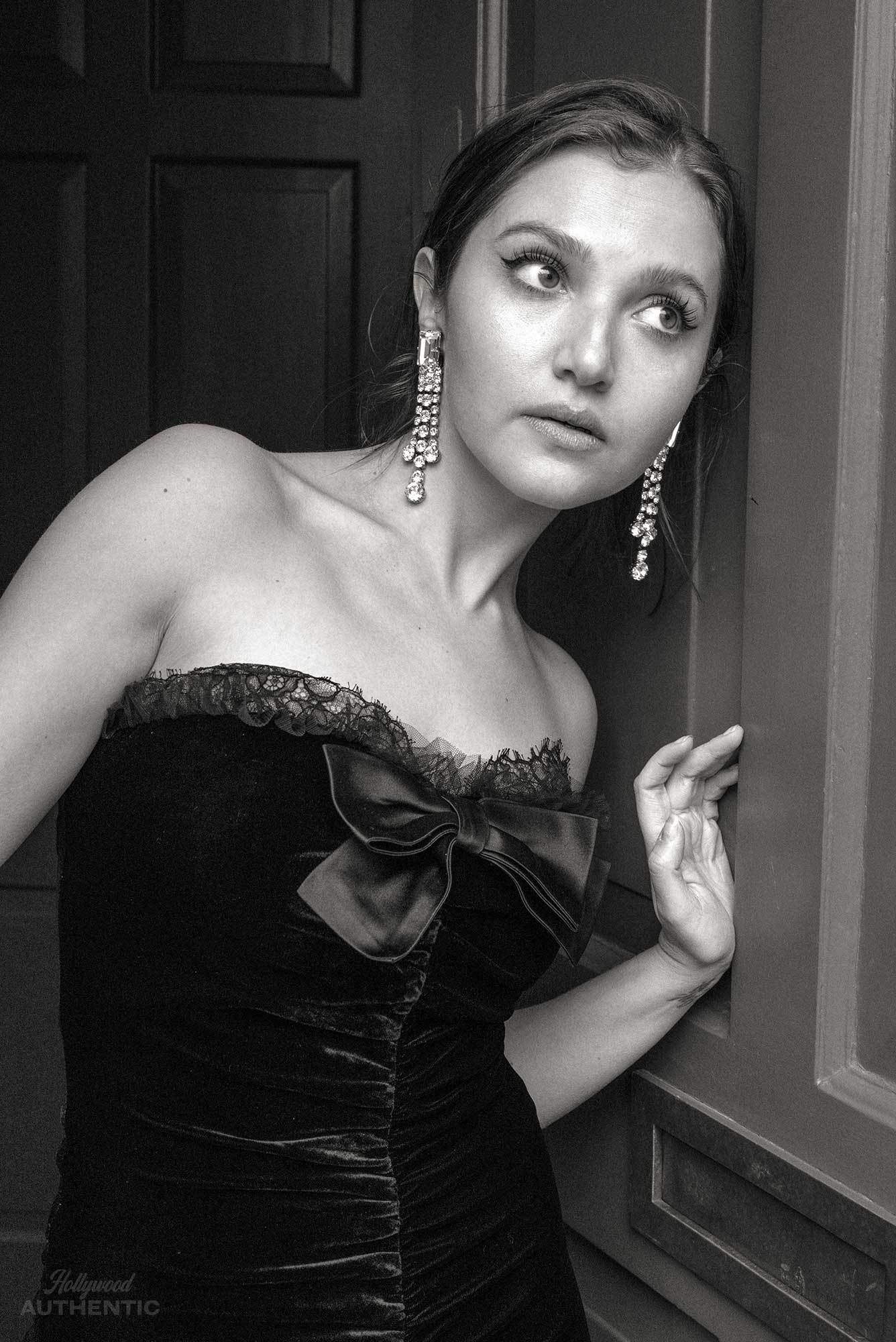
‘I learned that everyone has a very different way of approaching it. That was actually a huge thing for me, because I’d see other actors on set doing their process, and me thinking, ‘God, if I don’t do that, that means I’m not an actor’. But actually, no, we all have very different ways of doing it. I also learned the best thing is to feel scared, because that used to petrify me. And someone actually said to me in one of these workshops: the feeling of nerves and excitement is actually the same emotion – it’s just the way that you breathe through it. And that was a huge game-changer for me, because now I love feeling nervous, because it’s just excitement. Whereas before that would be crippling for me. I’d get nervous, and I’d get myself in a state, and I’d have panic attacks. But now it’s like: no, excitement and nerves mean that I just care about what I’m doing.’
The acting now comes so naturally to her that she describes not remembering the experience afterwards. ‘I kind of black out when I act, I can’t really remember. People ask, ‘Do you like watching yourself back?’ It’s not that I like watching myself back, but I love seeing stuff back, because I don’t have any real concept of what I just did. It’s not like a conscious thing. I think I had to learn to trust myself with that as well. And working with Molly Manning Walker on How to Have Sex really helped me with that.’
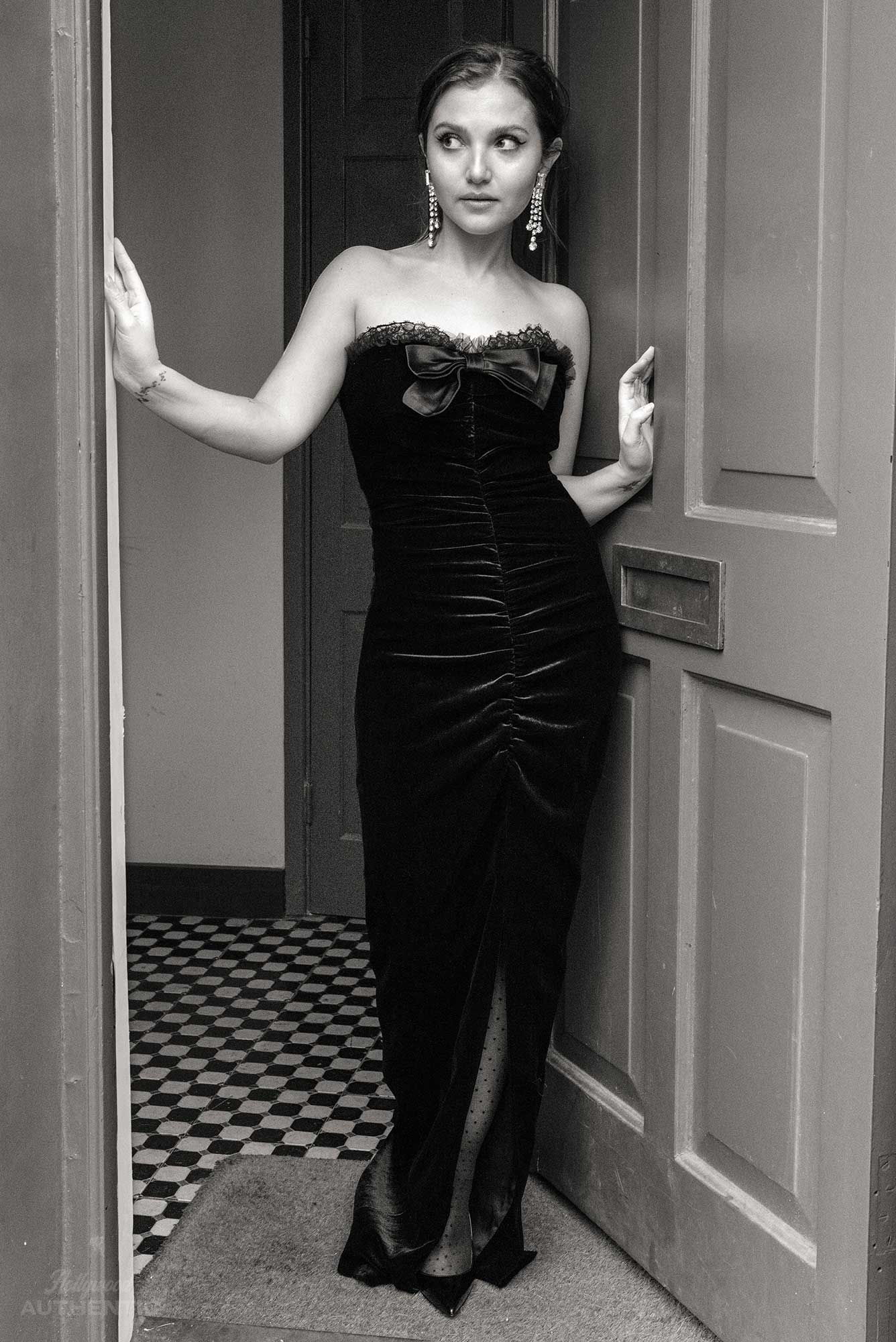
I ask if the dance background helps with that unconsciousness – in using her body as a tool of expression. She shrugs. ‘If I had to go and do a job where I had to do intense dance training beforehand for a role – a ballet dancer or something like that… something like Black Swan would be my absolute dream.’ The snow is falling more heavily now and we decide to head back to the house of one of Mia’s friends to warm up. The cold doesn’t put a dent in Mia’s mood or enthusiasm. She says she’s been likened to the Duracell Bunny. ‘Do you see it? Do you see the resemblance?’ she laughs. In terms of going on and on, I feel she’s set on a long career path…
Photographs & interview by GREG WILLIAMS
As told to JANE CROWTHER
Agatha Christie’s Seven Dials is on Netflix now
The Lady is on ITVX now
The Fence is out later this year
Hair and make-up: Caroline Barnes
Styling: Cher Coulter c/o A-Frame