



Photographs & interview by GREG WILLIAMS
As told to JANE CROWTHER
The Midlands-born Finding Emily actor takes Greg Williams on a visit to the coal-mining home town that is the key to keeping him grounded as his career takes off.
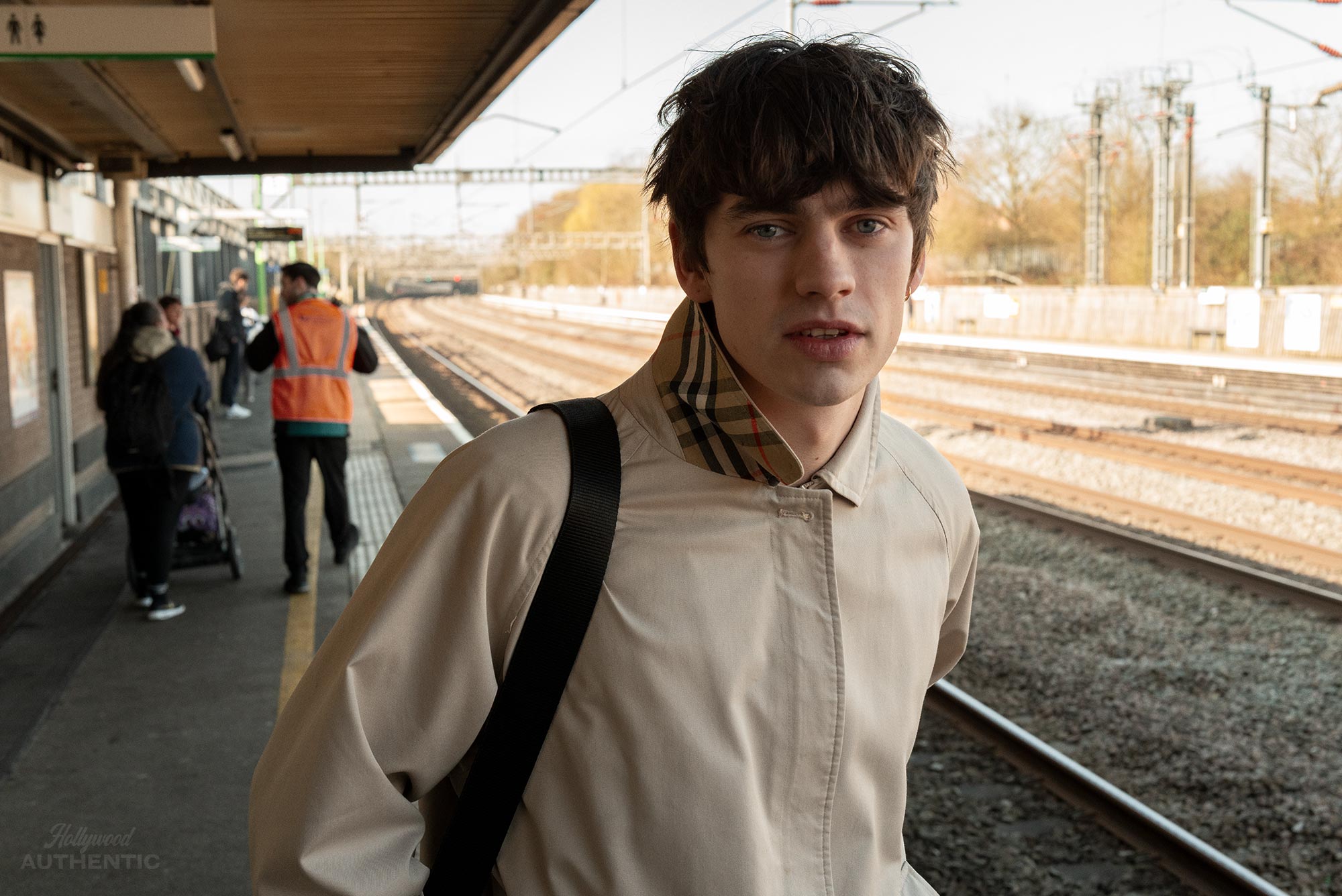
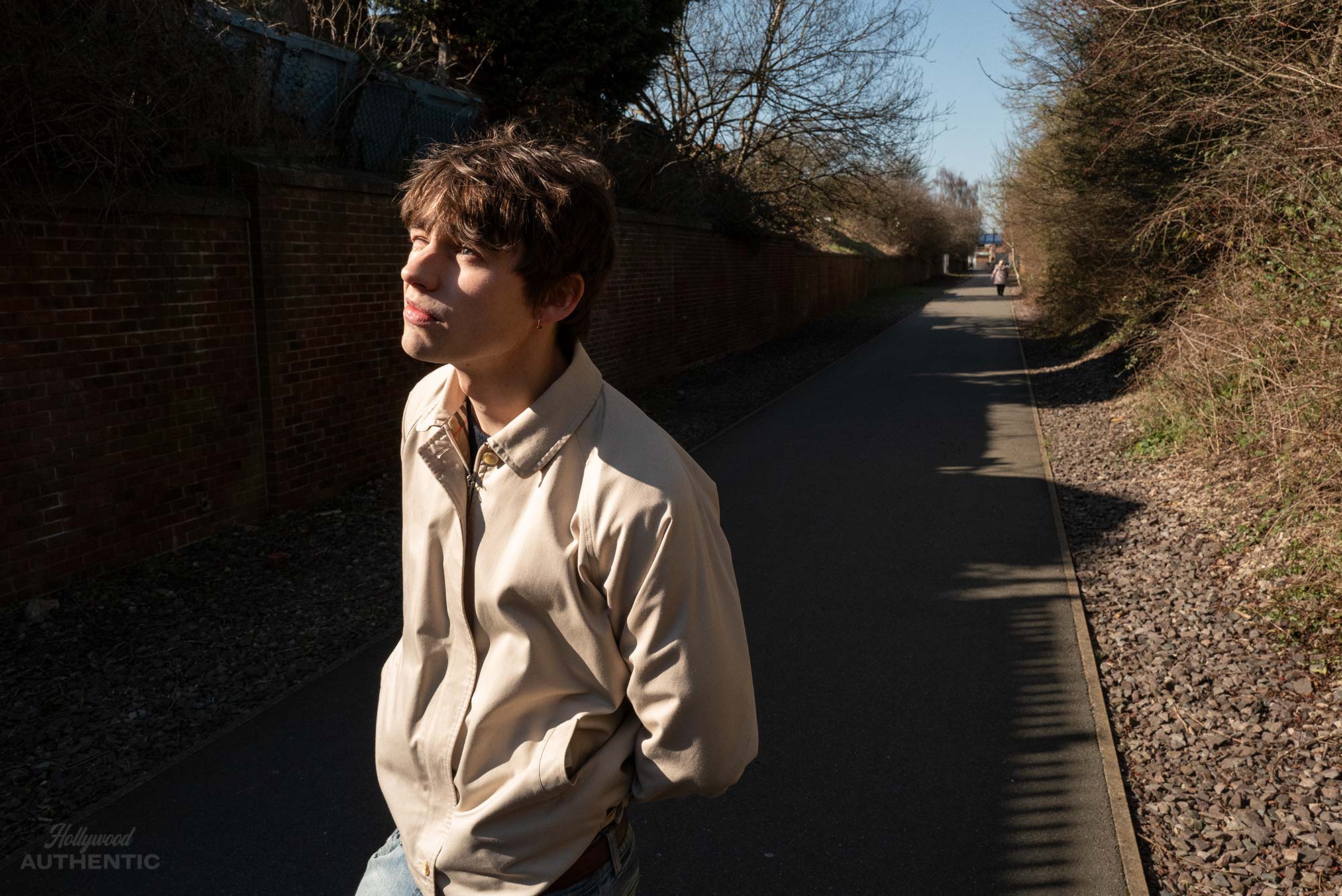
On a bright February morning, I meet actor Spike Fearn as he alights off the London train at Tamworth Station in Staffordshire. It’s the closest station to his hometown of Coalville and we’re heading back to the house and neighbourhood that made him – before he moved to the UK capital to pursue acting. Though he grew up in the small village of Ravenstone, Coalville was the place where he regularly went to Blockbuster and the cinema, fell in love with the idea of film and dreamt of making a career out of it.
Next month, the 25 year-old will make his leading role debut in Finding Emily, a Brit rom-com following an affable student (Fearn) as he tries to locate the titular girl he connected with but didn’t grab her number. His star is rising and a few weeks previously we’d met at a Cartier dinner, Fearn hanging out with the likes of Paul Mescal, Tilda Swinton, Robert Aramayo and Kate Hudson as I shot them at play in the kitchen of a luxury restaurant in London. ‘I’m still at the very, very start of my career,’ he says bashfully when we discuss the evening. ‘You know, maybe the shoelaces aren’t tied yet, but the shoes are definitely on.’ As we drive through the English countryside, Spike tells me that his background and the place he comes from are important to him as he negotiates his career. ‘I hold Leicestershire as my little place, you know? As a sort of medal in a way.’ He slows us down in the car on the B5493 road to show me a tree with a tiny front door in its trunk. ‘My dad pointed it out once. Maybe someone interesting lives there – a fairy, or an elf, or the Yucca Man from Joshua Tree…’
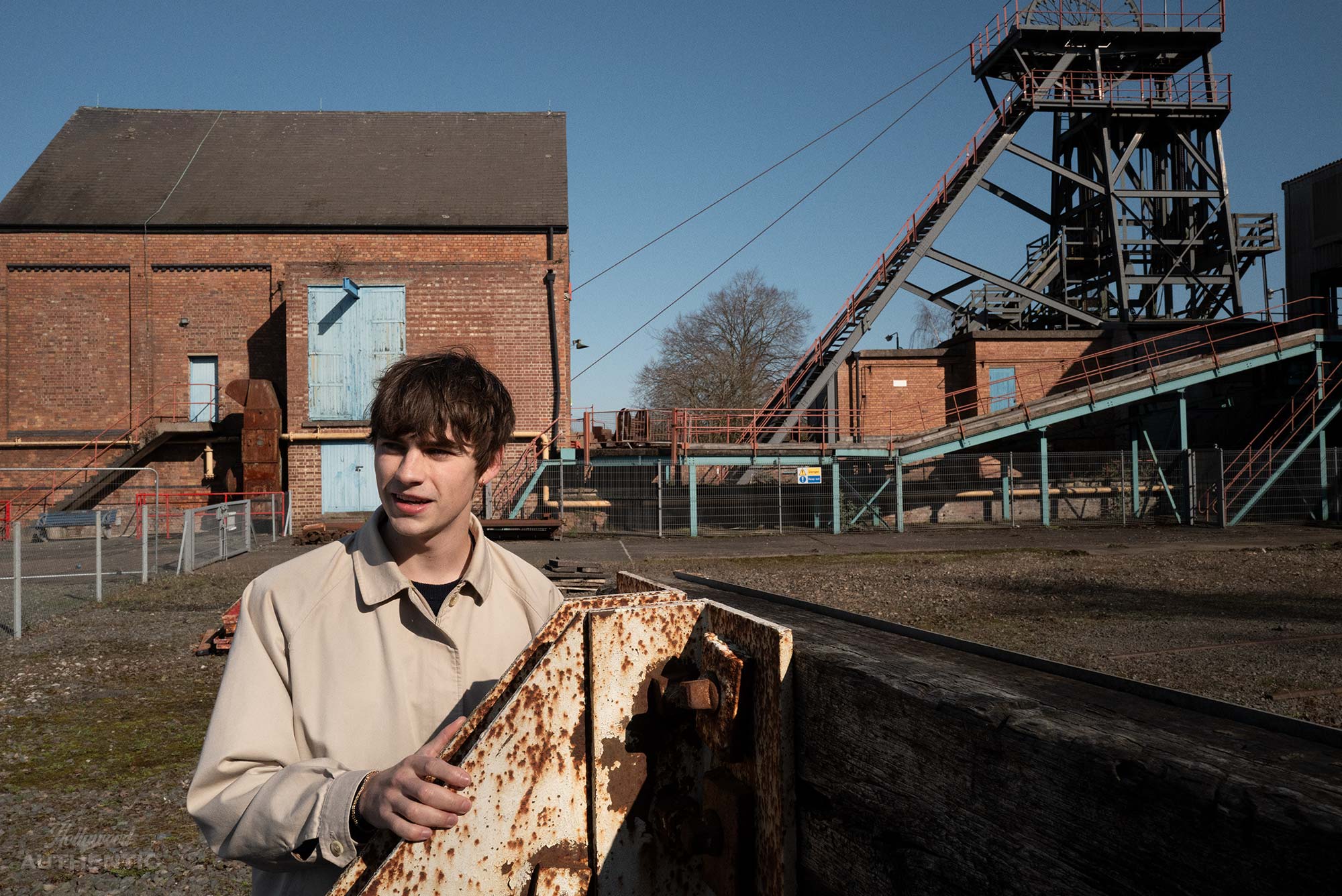
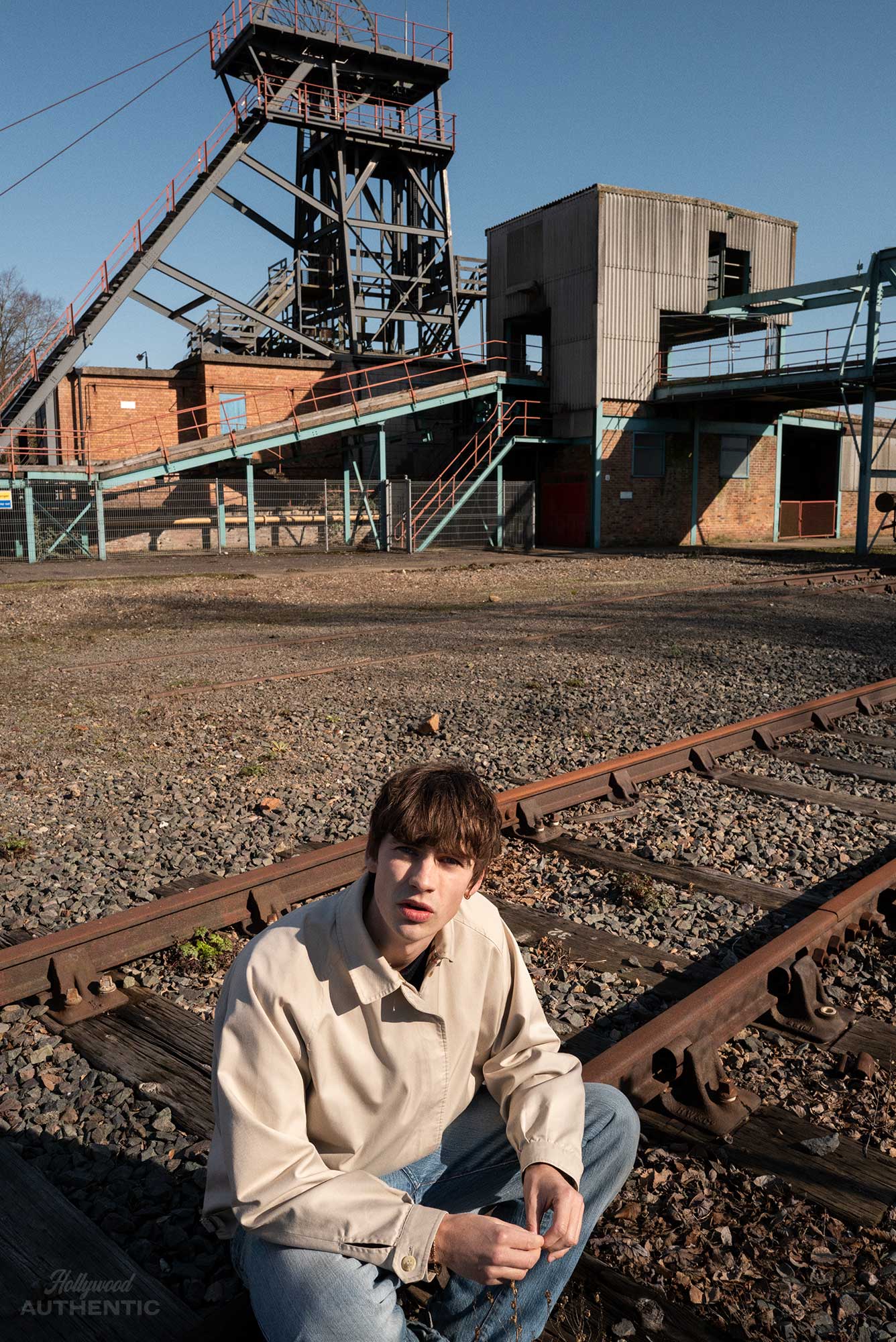
Though he now makes a trade from make-believe, Spike initially wanted to be a MotoGP racing driver as a kid. ‘Valentino Rossi was my first idol. I was obsessed. I used to wear a t-shirt with Valentino Rossi on it all the time. And that was what I really wanted to be, a bike racer.’ Though he still fancies playing a racer (citing Barry Sheene as the biker he’d like to play), the closest he’s got to being a sports star is the film he’s about to start work on. ‘I’m doing a running movie. I’m not a runner but I’ve been training – going out, doing 5K, running on a track with a lot of people. It’s been great fun.’ That, though, is his work life. When he wants to re-ground and settle, he returns home. Now he’s taking me to Snibston Colliery Park, which is in the shadow of the giant coal mine wheels that used to be the main industry of the area. As we walk towards the old colliery, I start to take photographs, and Spike tells me about his discomfort in front of a stills camera. ‘Video cameras and cinema cameras are very different. You’re playing a part at the time. Whereas you always feel like you have to take yourself so seriously when taking photos. I’m not going to lie: I always find myself smouldering in the mirror or something beforehand, and trying to find a good face. And I hate taking myself so seriously.’
Alien was definitely a step up. That was the first time – and the only time, still – of being on something of that size. The things they built inside those studios were insane and everyone was quite young on it. It felt like we were all very fresh then. I’m desperate to do something of that size again
We look at the old mining infra-structure, now a kids playground with machinery looming overhead. ‘The whole place was built on coal mining. The people that worked down here should be remembered like the people that fought in the war. I used to hang out here with my mates. We’d go to the top where the wheels are. You’d go up there, and do what young teenagers do who grew up in a town that has no money pumped into it, and there’s not much resources. Just hang out, and do stuff that you would
lie to your mum about.’ It was his mum, a school teacher, who encouraged Spike to try acting and follow in the footsteps of another of his heroes and a Midlands local, Jack O’Connell. He applied for a place at Nottingham’s Television Workshop, which had fostered talent such as O’Connell, Samantha Morton, Toby Kebbell, Tom Blyth and Bella Ramsey. He got in, trained and began building a resume with small roles in The Batman, Sweetheart and Aftersun, before graduating to TV with Tell Me Everything. He played Amy Winehouse’s best mate in biopic Back to Black before landing a role in Alien: Romulus alongside David Jonsson and Cailee Spaeny.
‘Alien was definitely a step up. That was the first time – and the only time, still – of being on something of that size. The things they built inside those studios were insane and everyone was quite young on it. It felt like we were all very fresh then. I’m desperate to do something of that size again.’ He pauses. ‘I enjoyed it, but I never wanted to. At the very start, I just wanted to do movies about the Midlands. I wanted to just work with Shane Meadows and Stephen Graham, who lives a couple of towns over – these people who I think are like trophies. I didn’t want to go to America. I didn’t want to do any of that. And now I’m finding all these great things in America, and these great experiences, and these filmmakers. I’m like, “Wow.”
America brought work with James L. Brooks and an all-star cast on Ella McCay, with Liam Neeson on graphic novel adap 4 Kids Walk Into a Bank, and with Cate Blanchett on Alice Birch’s fantasy drama, Sweetsick. ‘That was the best experience I’ve had in an acting sense,’ he says of Sweetsick. ‘When I was at The Television Workshop we were doing a lot of improv and script work – that was where I figured out that I want to be an actor. And it wasn’t just something to fuel the ADHD that I had. That’s where I learned most things. I would put that, and then working with Cate, in the same category. I learned so much from watching her… I don’t even think she ever knew that she was teaching me anything. Now I’m excited to step back in front of a camera and on a set, and be like, “I’ve learned these things, or these techniques that I think I’ve learned from watching her.” What makes her so great is that she’s such an amazing performer, but she also understands cameras perfectly. I was like, “If I’m half as good as you when I’m older, I’m going to be happy.”
His mention of having ADHD makes me ask about school. ‘I didn’t do that well at school,’ he winces. ‘I struggle with dyslexia and instead of trying harder at work, I shied away. I wish I hadn’t, but I actually thought dyslexia was a punishment, in a way. I always had a helper come in, who would help in classes and I kind of hated that. I hated all the attention on me. Which is actually weird, because of being an actor now.’ He admits he still struggles with scripts. ‘Sometimes it feels like you’re learning French or something.’
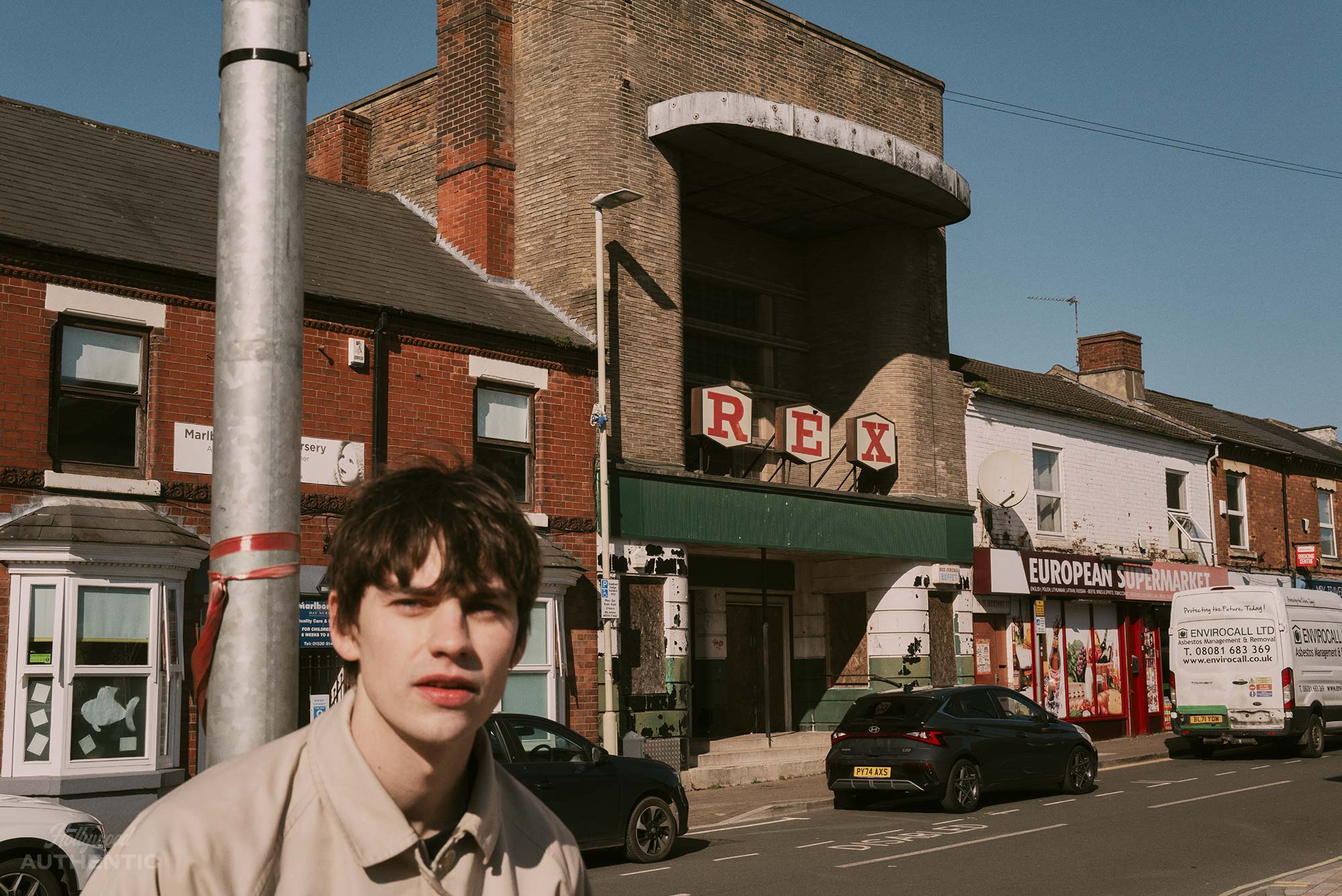
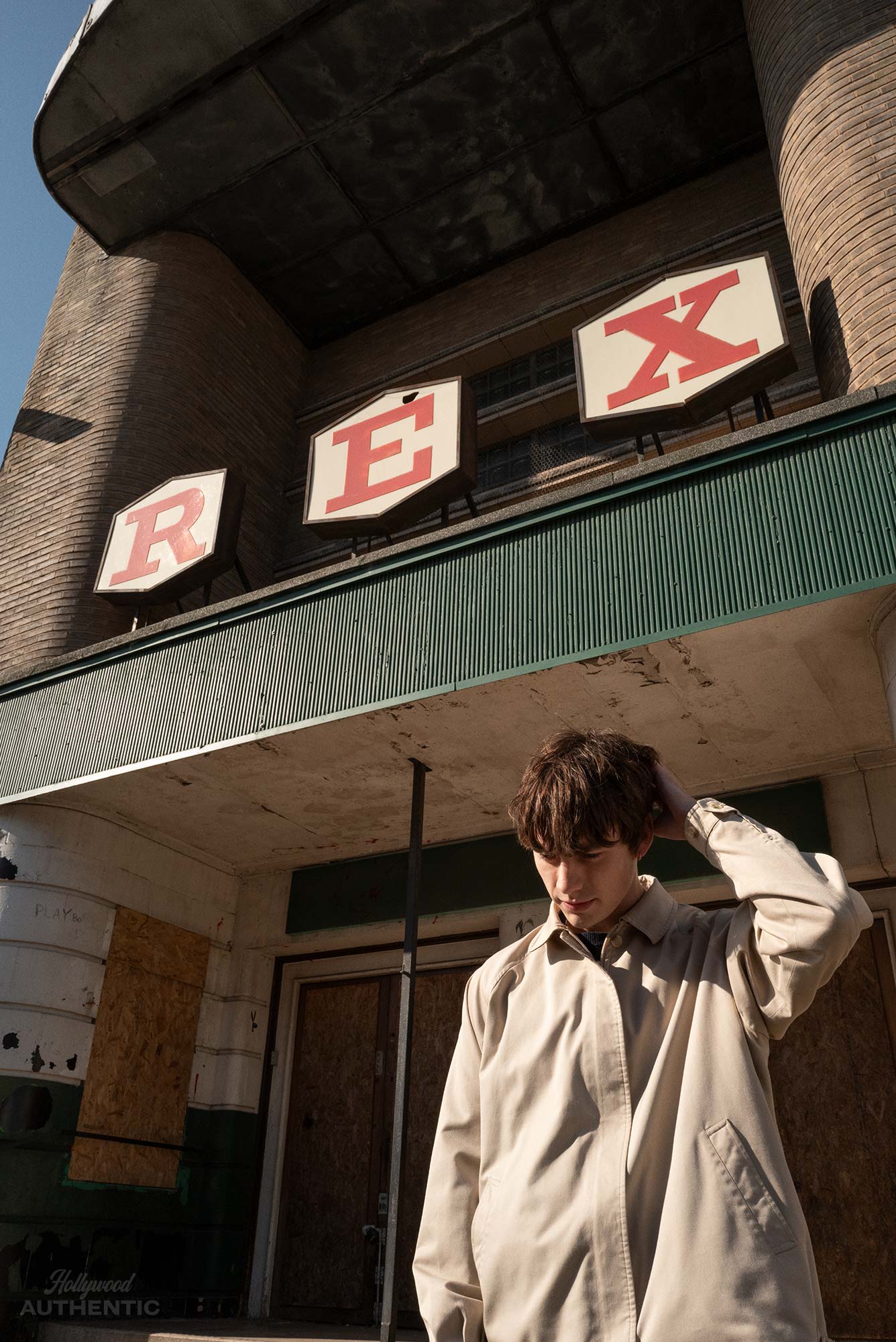
We move onto Coalville town centre and the shuttered Rex Cinema, a 1938-opened two-level auditorium with a glorious retro marquee sign. ‘It wasn’t a cinema when I was a kid. It was a carpet store. And across the street used to be a Blockbuster. So that was the only thing I knew about movies.’ The Blockbuster is now a Subway and Spike turns to look up at the faded grandeur of the Rex. ‘I’d love to eventually be able to buy this place and do what Robert Redford did with the Sundance Film Festival. Imagine a film festival in this beautiful place. Imagine being able to go and see Scarface on 35mm in here.’
When I was at The Television Workshop we were doing a lot of improv and script work – that was where I figured out that I want to be an actor. And it wasn’t just something to fuel the ADHD that I had. That’s where I learned most things. I would put that, and then working with Cate [Blanchett], in the same category. I learned so much from watching her… I don’t even think she ever knew that she was teaching me anything
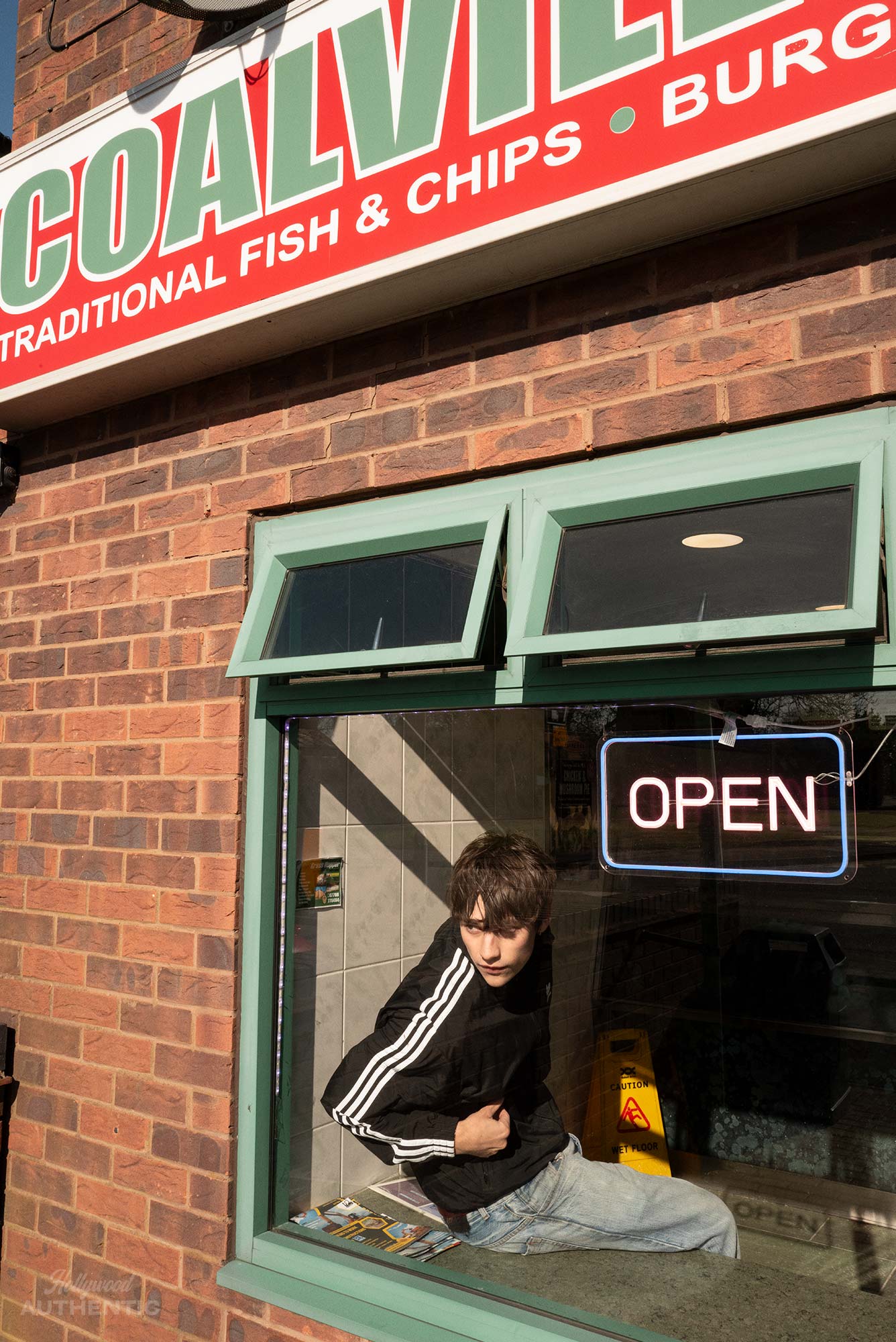
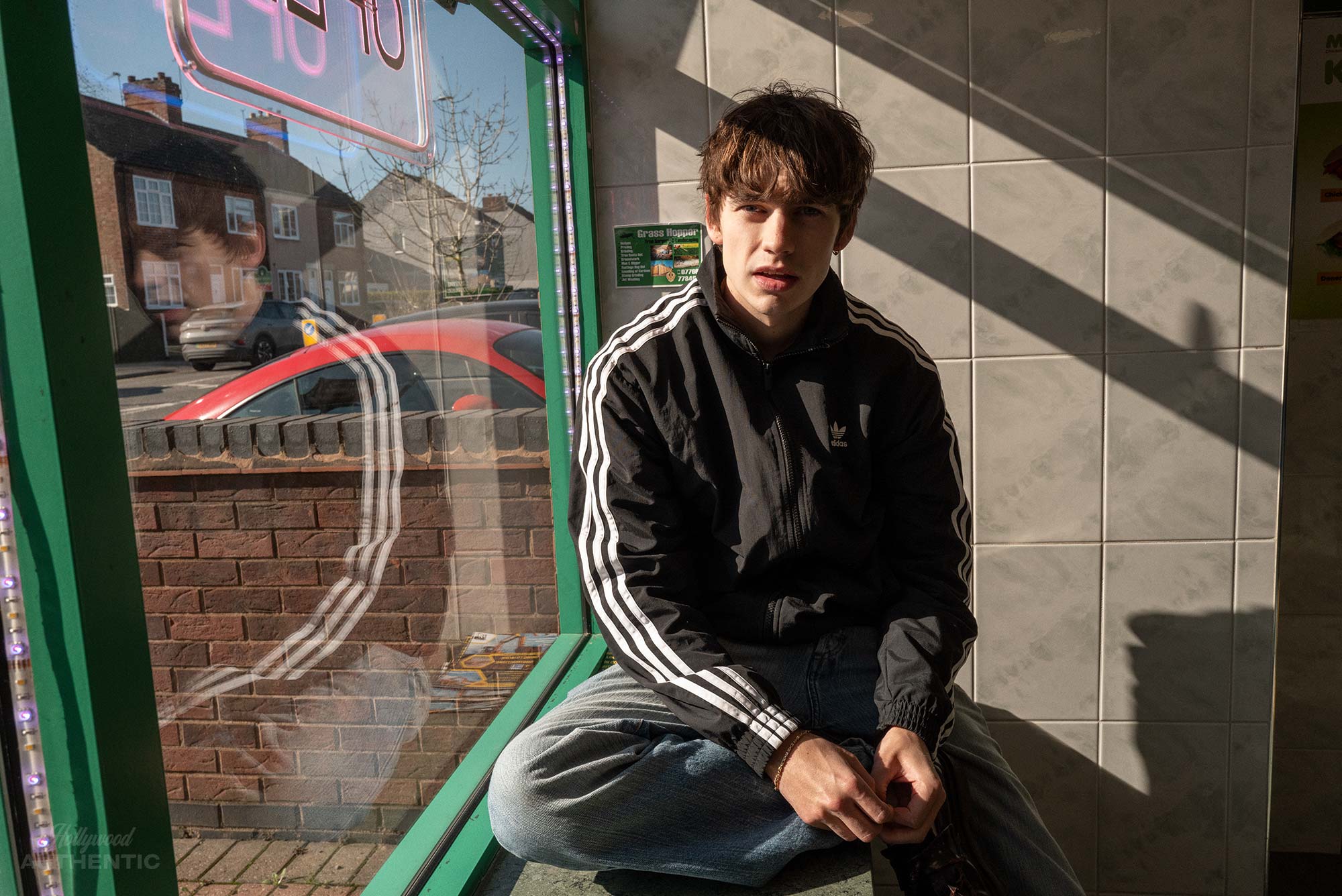
It’s lunchtime so we head to a local chippie where we both order the kids’ fish and chips and gravy, ‘as if I’m a child’. As we wait for our order (and he requests ‘loads of salt and vinegar’), he tells me about the micro-budget indie drama he’s making in New York, Pocket Dreams. Spike plays a waiter who makes an unhappily married woman question the American Dream. ‘Going from stuff like Alien, to doing these really small, tiny things – especially in New York… Being from here, you would never think you would be in New York shooting anything, you know?’
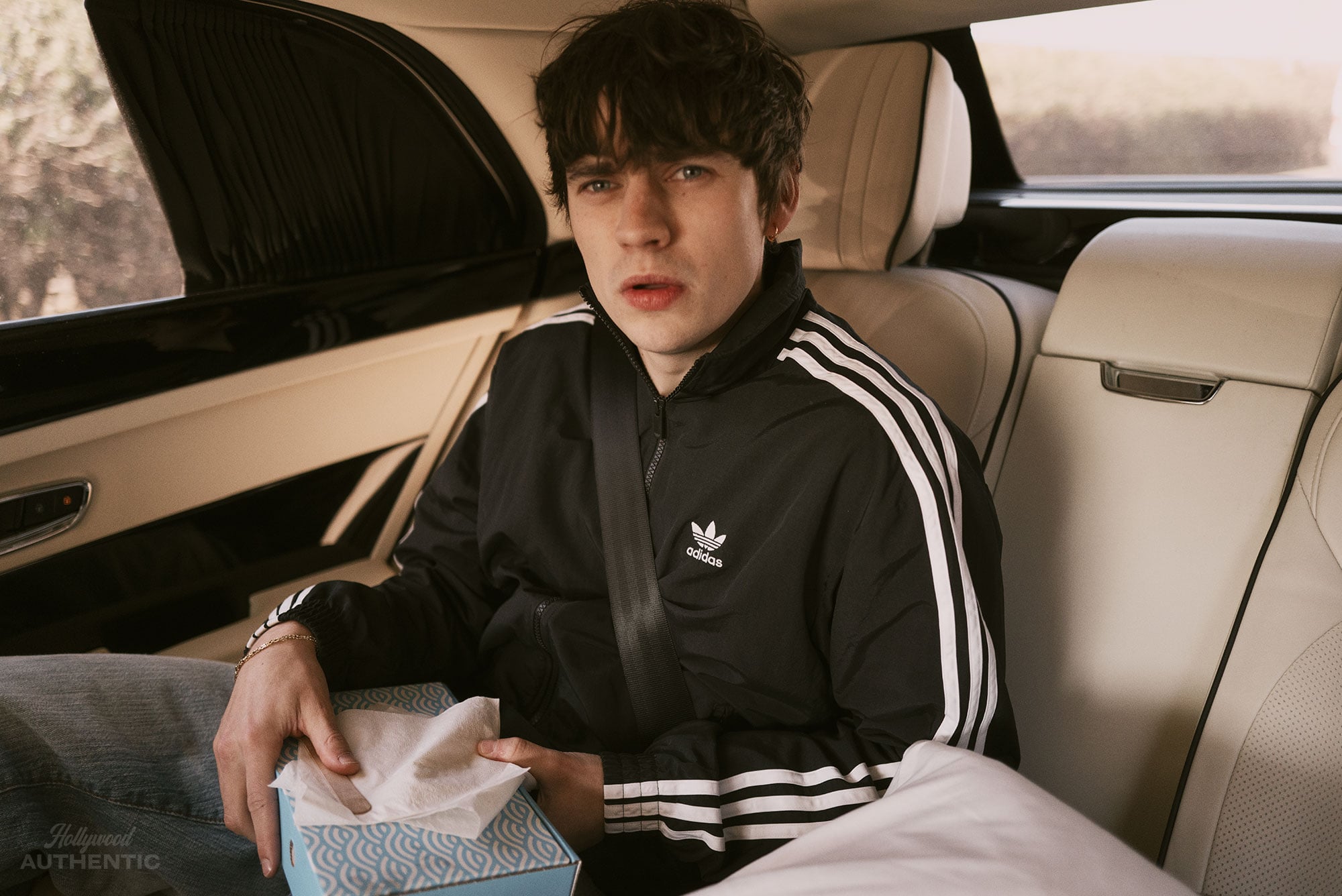
He’s about to start the running movie that will film in LA, Gavin O’Conner’s Nike movie with Apple, simply entitled Running. Then he’ll work with Renée Zellweger in London and Montreal on David Yates’ psychological thriller Phantom Son, where he plays a homeless teen taken in by a mother whose own son is missing. ‘I’m trying to be flat-out,’ he says of his productivity and admits to ambitions of creating his own stories particularly with some of his favourite actors. ‘Jack O’Connell, Stephen Graham, Leonardo DiCaprio, Ethan Hawke, Ryan Gosling,’ he reels off. ‘Actually, a funny story about chip shops is, apparently, Stephen Graham brought Leo in one of these somewhere in this area. But every chip shop says it’s their chip shop, and some say, “Oh, yeah, it was Johnny Depp or Leonardo DiCaprio.” It was one of them. But which one is it? So I’ve been in every chip shop now, around this area, trying to find out.’
We arrive in Spike’s village and decide to eat our chips as he used to as a kid, walking the fields behind his house. ‘They’re building houses on all these fields now, and they’re going to destroy it with all these new builds. But growing up as a kid, I used to walk through these fields, and I used to pretend that I hadn’t seen civilization in a very long time. And that I had a broken ankle or something. I would walk up this hill, listening to ‘The Ecstasy of Gold’ from The Good, the Bad, and the Ugly and as I see that house for the first time, it was like pure joy that I was walking across this field with a broken ankle, you know? It was way before I wanted to be an actor. I guess I’ve always just been obsessed with pretending, in a way.’
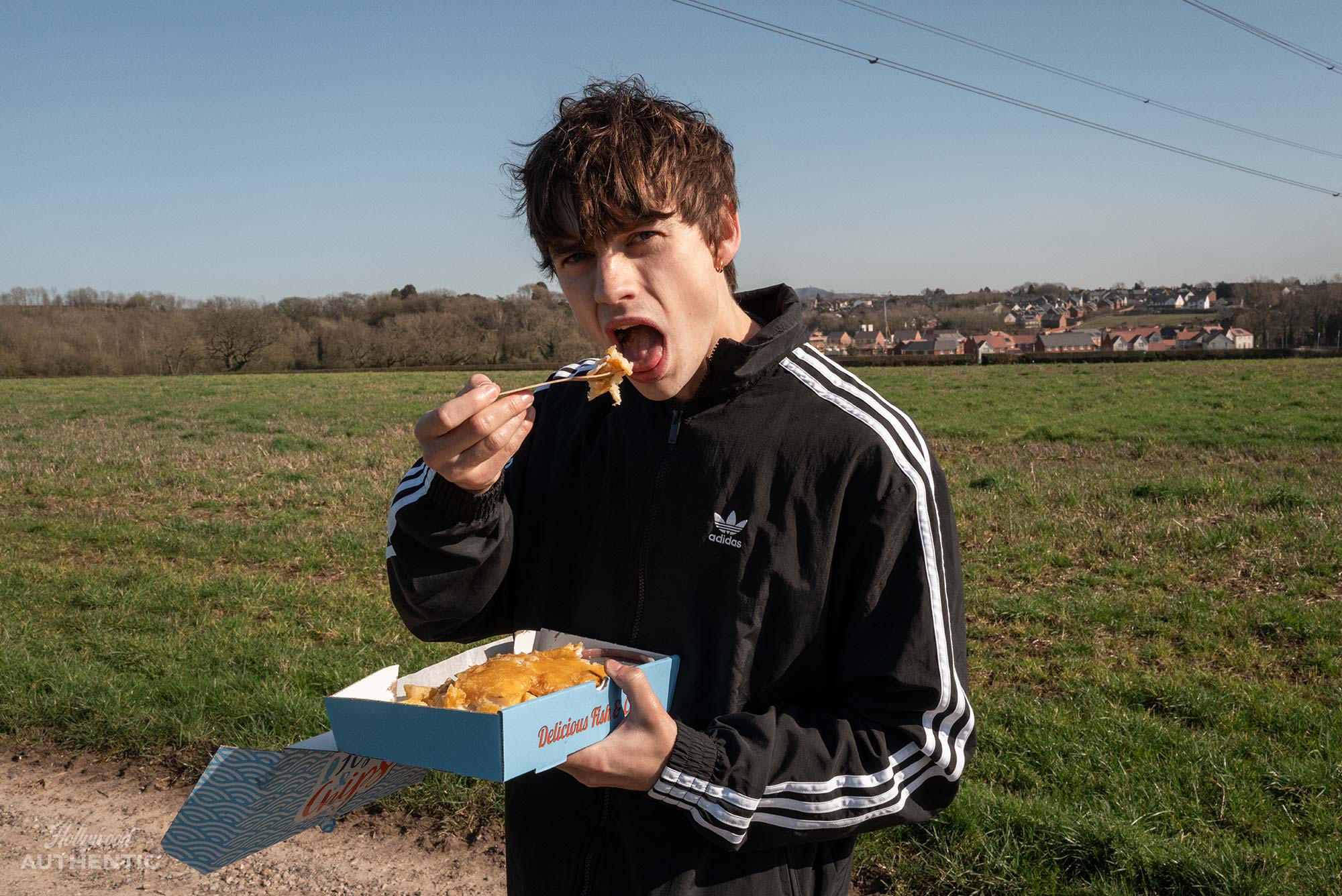
He looks across the fields, chip fork in hand. ‘I talk about Leicestershire like it’s a personality, because I feel so proud of it. But I think this is the place that I spend time doing the most thinking. I haven’t really left yet. I’m not as far forward in this career as some people that I watch and look up to. But I feel like I’m getting inches and inches away from this area every time I go back to London. And I like to just come back, and be free. I’m really in this weird decision right now of whether to move back here, or stay, or try to fly away further. Every time I come here, I feel like there’s this special ball around me with friends and family and greenery. The air feels more crisp here. And also no one cares about anything other than just their lives here, you know?’
He points out the highest point in Leicestershire, Bardon Hill, and tells me that his parents often drive up to watch the sunrise from there. ‘When I came off of doing Alien, I was in this bubble. I was doing a thing that I’d always dreamed of. I came from here to being in Budapest, in these huge studios. I didn’t really know how to deal with the contrast. At that point, I didn’t want to be here. I wanted to be there. Always there. But then I’d come back…’
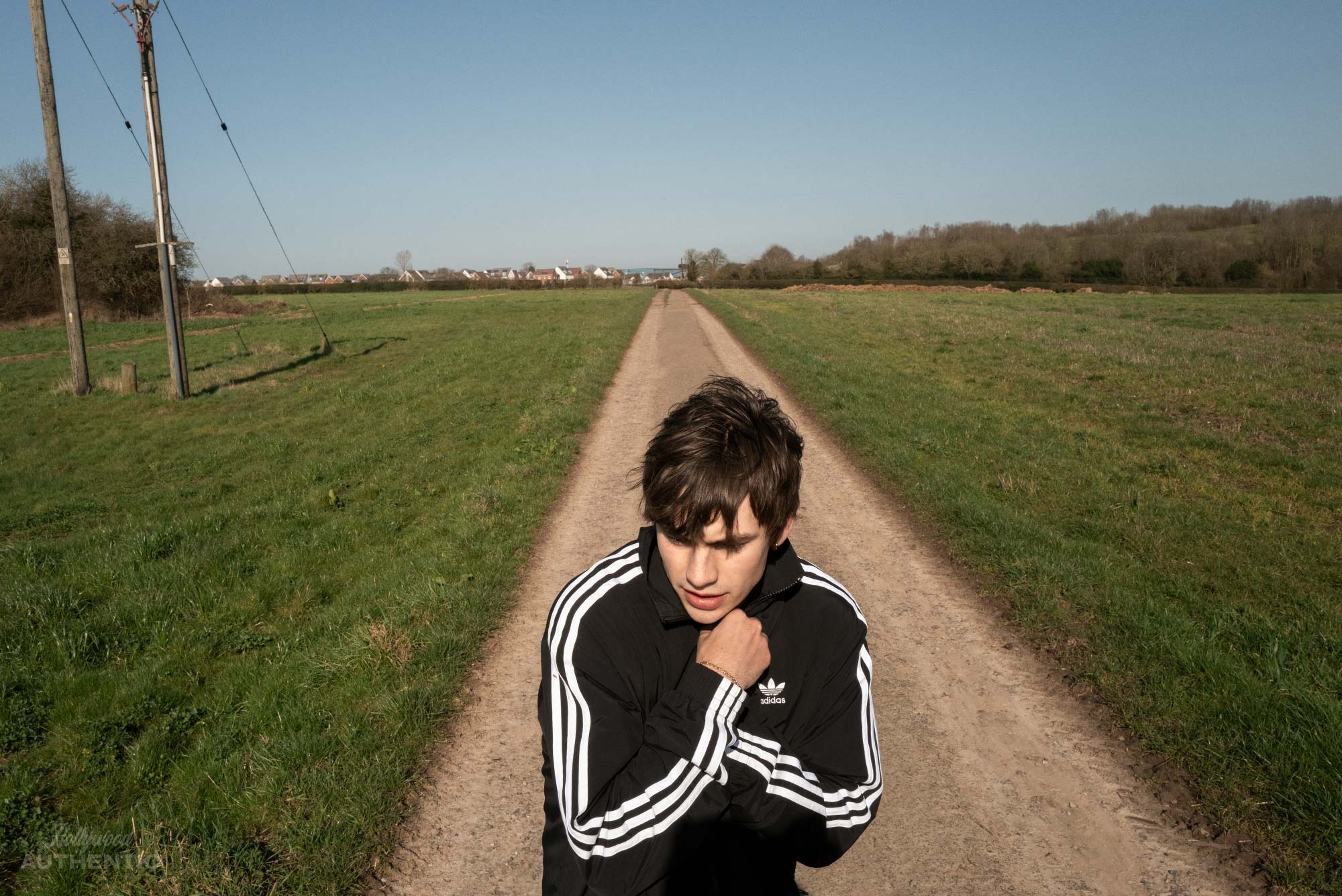
A keen painter from being a teen, Spike still enjoys losing himself in the activity when he comes home. ‘I once painted in my mum’s garden with my niece in the summer, and I remember feeling, “I never want to lose this. I have to be here to be the human I want to be.” I want to be a complete chameleon in the acting space. But here, I don’t want to be a chameleon. I want to be myself and this place still holds that for me.’
We finish the mini fish and chips, something of a treat for Spike as he’s shedding weight for two upcoming roles. ‘I’ve never lost weight for anything. But the role I’m about to go and do is the type of role I’ve thought about since I was 16 years old. It’s really gritty, but it has a twist. So I don’t want to half-arse it. I get scared of messing up anyways. But with something like this, I’d kick myself for the rest of my life if I messed up.’
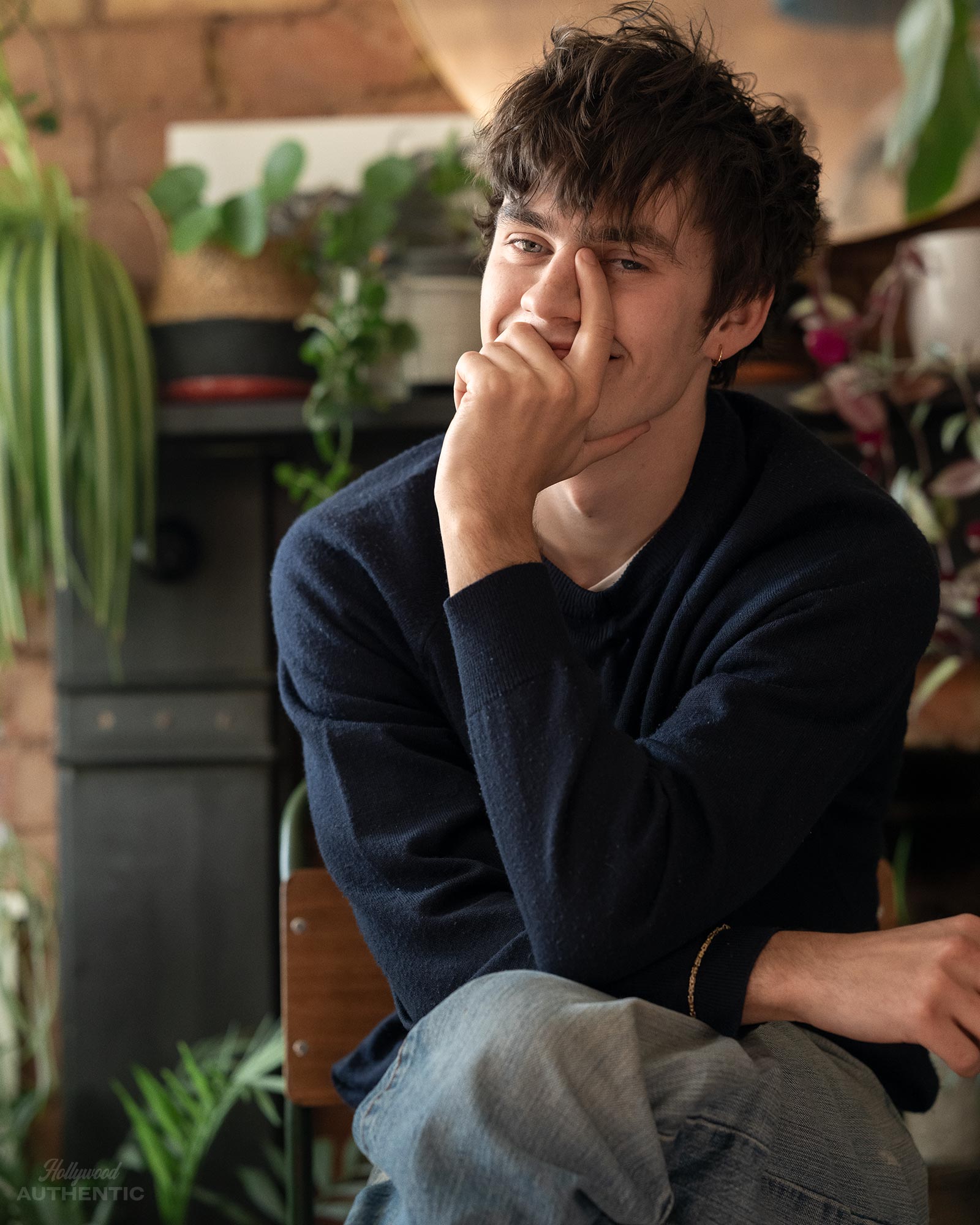
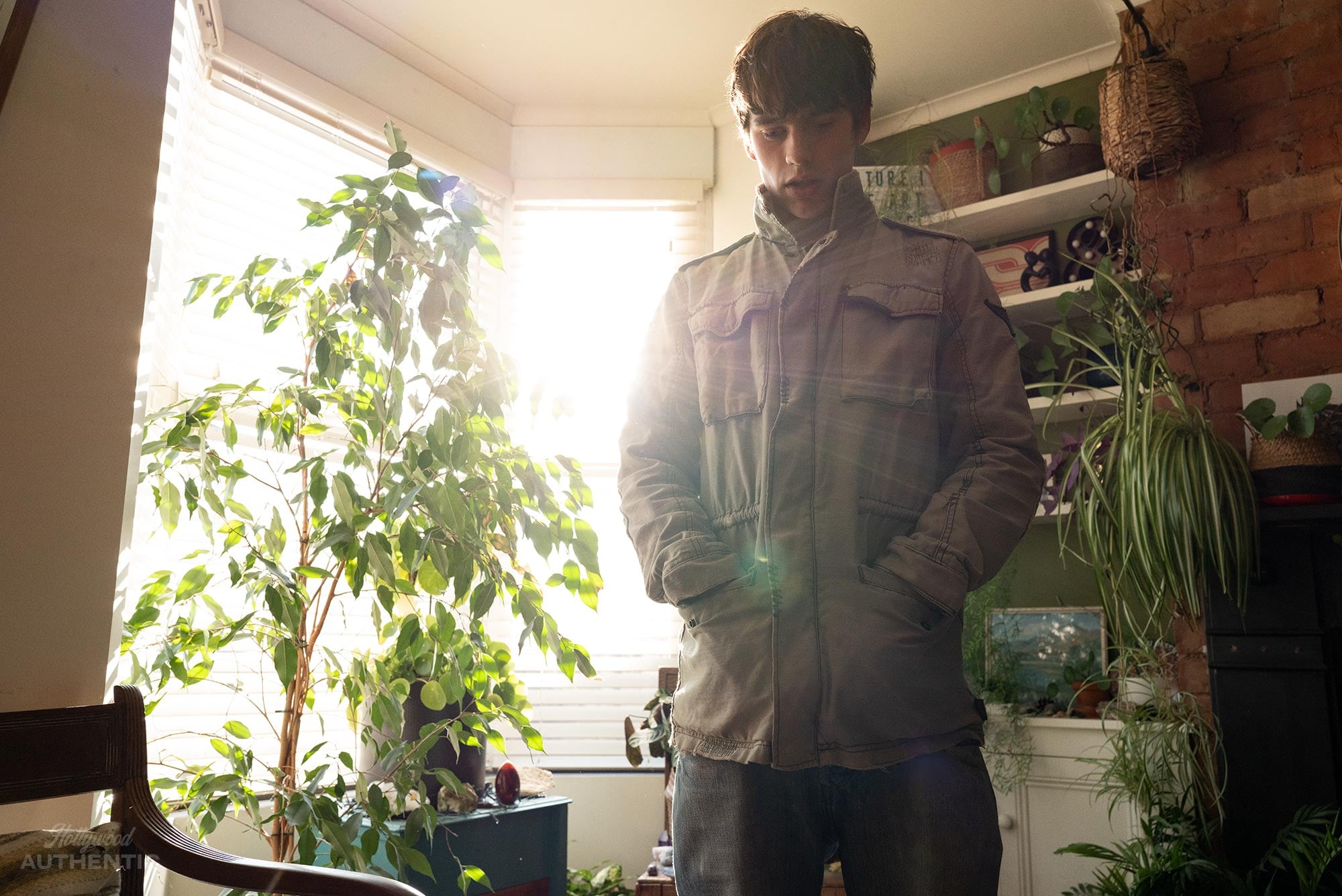
We decide to head to Spike’s parents’ house where Jodie the dog is waiting. Spike picks up a guitar in the front room and noodles – he learned to play for his role in Finding Emily. ‘There used to be a little box TV that we used to sit in front of and watch old films on,’ he reminisces of his childhood with his sister. ‘I remember watching Jaws and Alien very young. The Good, the Bad and the Ugly was always on, is still always on.’ His dad is a film and music enthusiast who has been a big part of Spike’s cinematic education. Dad is also key in his interest in fashion, which Spike studied at school. The actor regularly raids his dad’s vintage closet for clothes, even now. He shows me a hand-me-down military green jacket that he cherishes. ‘The first play I ever did at the workshop was called Middletown. I played an alcoholic drug addict when I was 17 years old, and I wore this jacket. I feel like Taxi Driver, you know?’
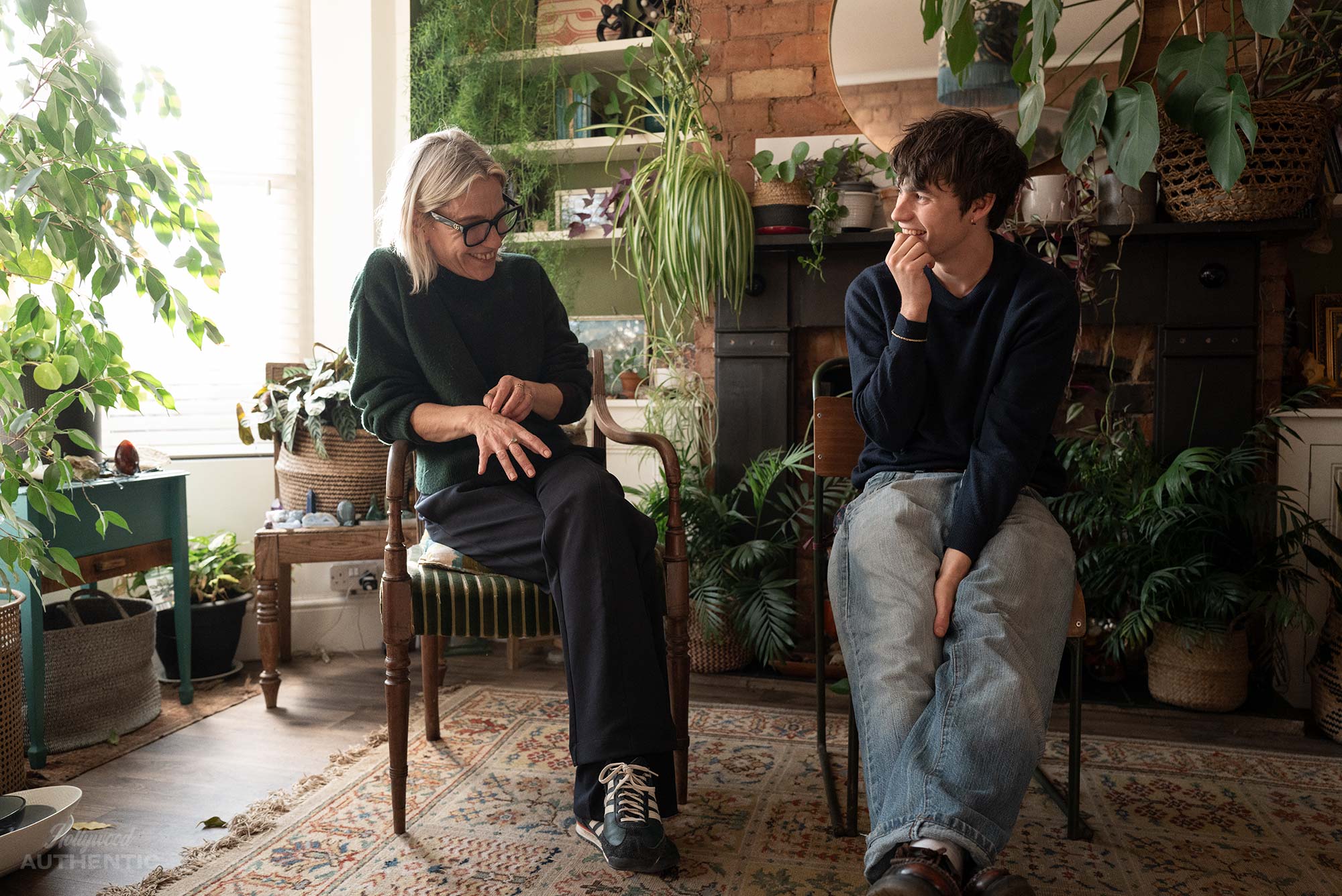
The front door bangs and Spike’s mum, Jadie, has just returned from work. She greets me warmly and we’re soon in conversation about crystals, Action Man’s ‘eagle eyes’ and her memories of the pits closing locally. She tells me she studied film as a Theatre Studies uni student in the early ’90s and I wonder if this might have partly inspired Spike’s creative path. She agrees there may be something in the DNA but like her son, thinks the place he grew up is special. She tells me their town is a deprived area but that ‘in the poverty of Coalville you’ve got the heart. That lingers on’. She looks fondly at Spike. ‘He’s full of light. He’s got his divine purpose, hasn’t he? He’s got his divine soul, and he’s driven by that.’
Spike nods. ‘At school I wanted to be an artist in some way. I was studying art and fashion at the time. But when I found movies, that became the art that I wanted to jump myself into. But I don’t just want to be thrown everything, and do everything. I want to really do it smartly, and be around for a long time and be remembered for being an actor, rather than someone who was once smiling on social media. That’s how I’d rather be seen…’
Photographs & interview by GREG WILLIAMS
As told to JANE CROWTHER
Finding Emily is in cinemas on 22 May