Damian Lewis takes Greg Williams to the footie.




Photographs & interview by GREG WILLIAMS
As told to JANE CROWTHER
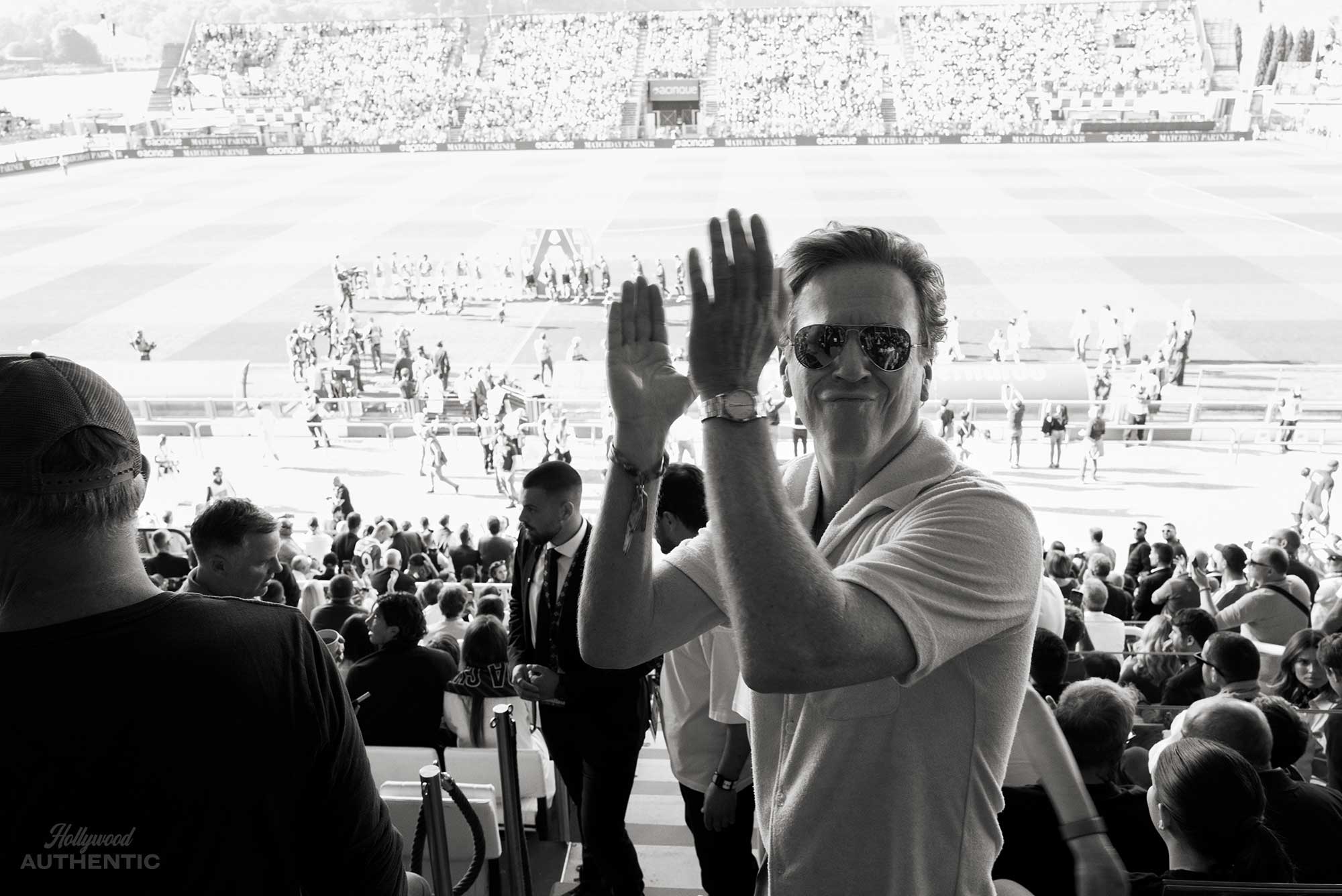
Actor and musician Damian Lewis tells Greg Williams about his latest role in WWII film Pressure and his passion for artistry on the stage, screen and pitch as he attends a key Como 1907 game at their lakeside stadium in Como.
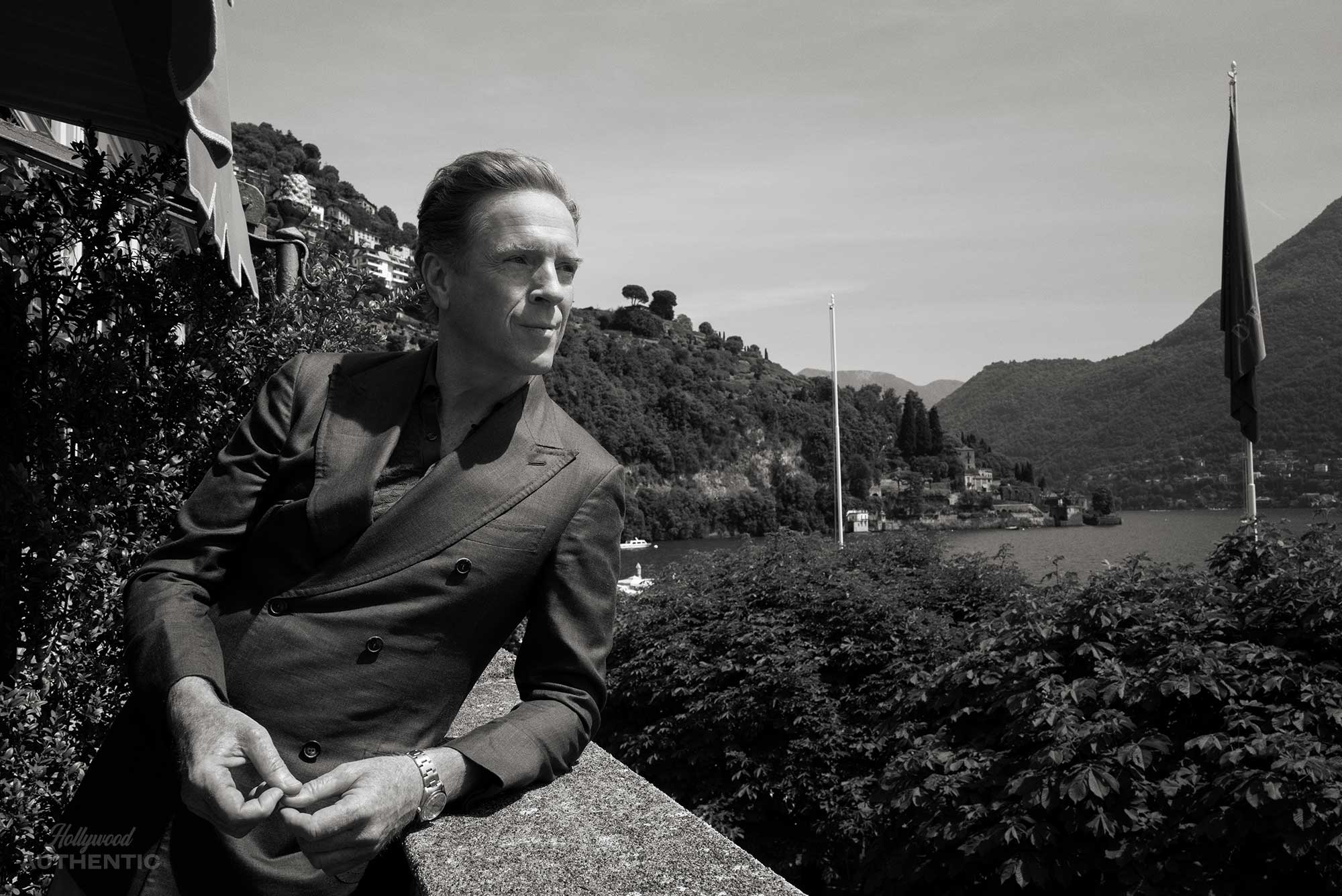
When I meet Damian Lewis on a beautiful sunny day in May at the lakeside Villa D’Este, it’s gearing up to be a scorcher. ‘Already hot for a ginge,’ Damian grins, lounging on the balcony in Brioni, ‘but I’m muscling through. I’ve got my Factor 50 on. And I’m about to go and watch some footy.’ The actor and musician is in Lake Como to watch local team Como 1907 play a crucial Serie A game against Napoli in the hopes of qualifying. ‘Not dissimilar to my team, Liverpool, who are loitering in fourth position, and hustling for a Champions League place as well.’ Damian has long been a football fan (‘Liverpool when I’m in the UK; when I’m Italy, Como 1907 is my team’) and played the sport seriously as a teen to schoolboy trials level as a striker wide right, or wide left. His path didn’t take him further in the sport (‘I had the body of a 17-year-old poet, with not much poetry to show for it,’ he jokes), his interest turning to acting instead.
These days, he still plays charity matches (he regales me with a self-deprecating tale of having Brian Robson telling him to keep his legs together at such a match before being nutmegged by Zidane at Old Trafford, to his great public embarrassment), but can see a correlation between the beautiful game and acting. ‘There’s something about the geometry and the preoccupation with an objective,’ he says. ‘On a football pitch, it’s very similar to being on stage – a sense of where you are dynamically in relation to your fellow players or your fellow cast members, whilst moving towards a shared objective goal – narrative – and the story, and knowing how you’re driving that together on stage. It’s total, total focus, away from the outside world; away from anything else that you’ve been thinking about for the rest of the day. Just the patterns on the stage, or on the pitch.’
Great footballers are artists, he considers. ‘There are footballers who are artists, because when you see them move, the grace and precision… Zizou is like long grass in the breeze. But what is the definition of great art? It’s something expressed personally that speaks universally. Great artists sometimes labour for a lifetime to create the thing. Or sometimes it’s in a moment of pure animal instinct that’s so pure and beautiful.’ The thought puts him in mind of another entertaining anecdote (Damian has many). ‘I’ve always loved this story about Paul McCartney going to see Julian Lennon because he’s got recently divorced parents. And he gets stuck in a traffic jam, and he’s just sitting there. And in the space of half an hour, he’s knocked out Hey Jude. That’s lightning in a bottle, isn’t it?’
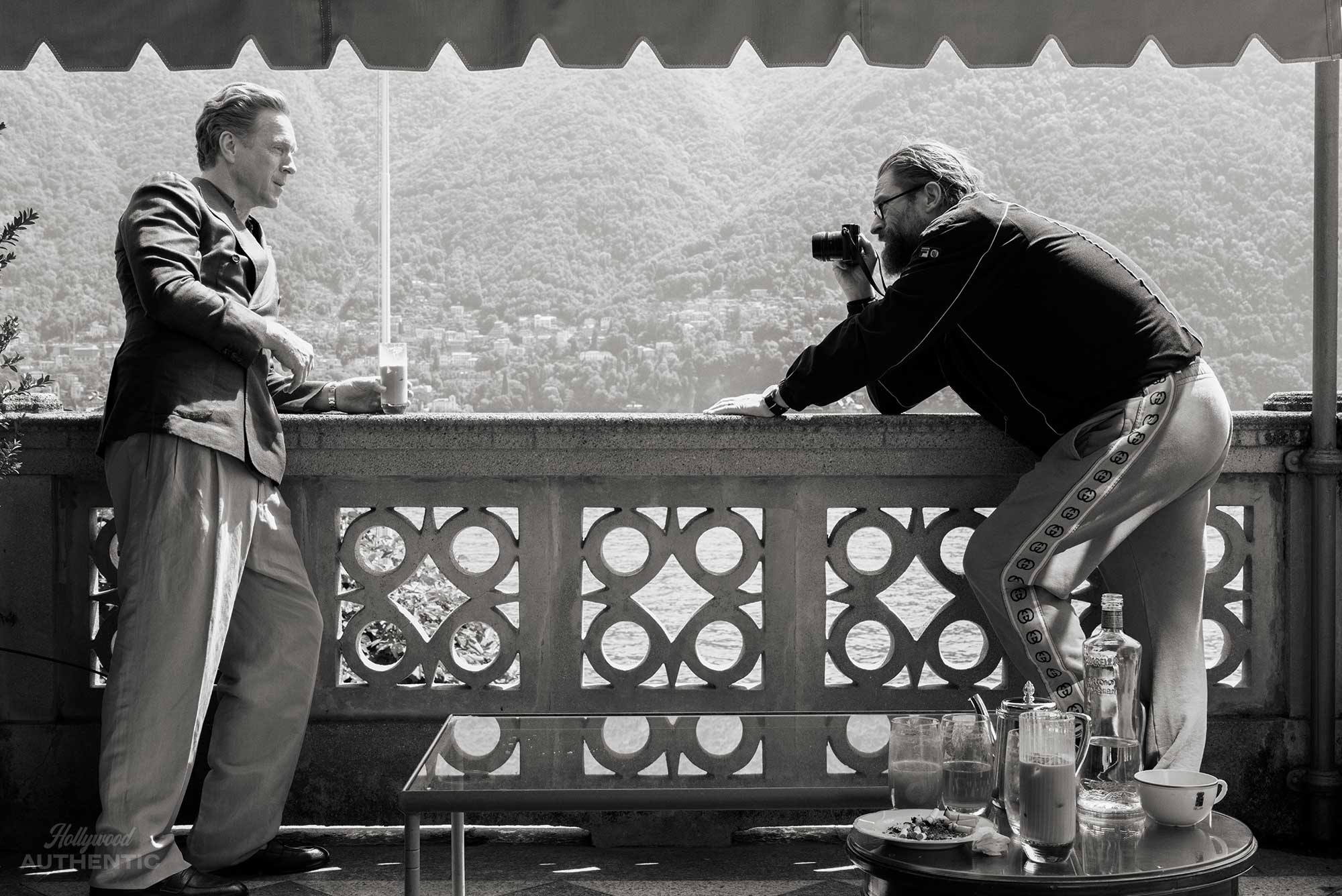
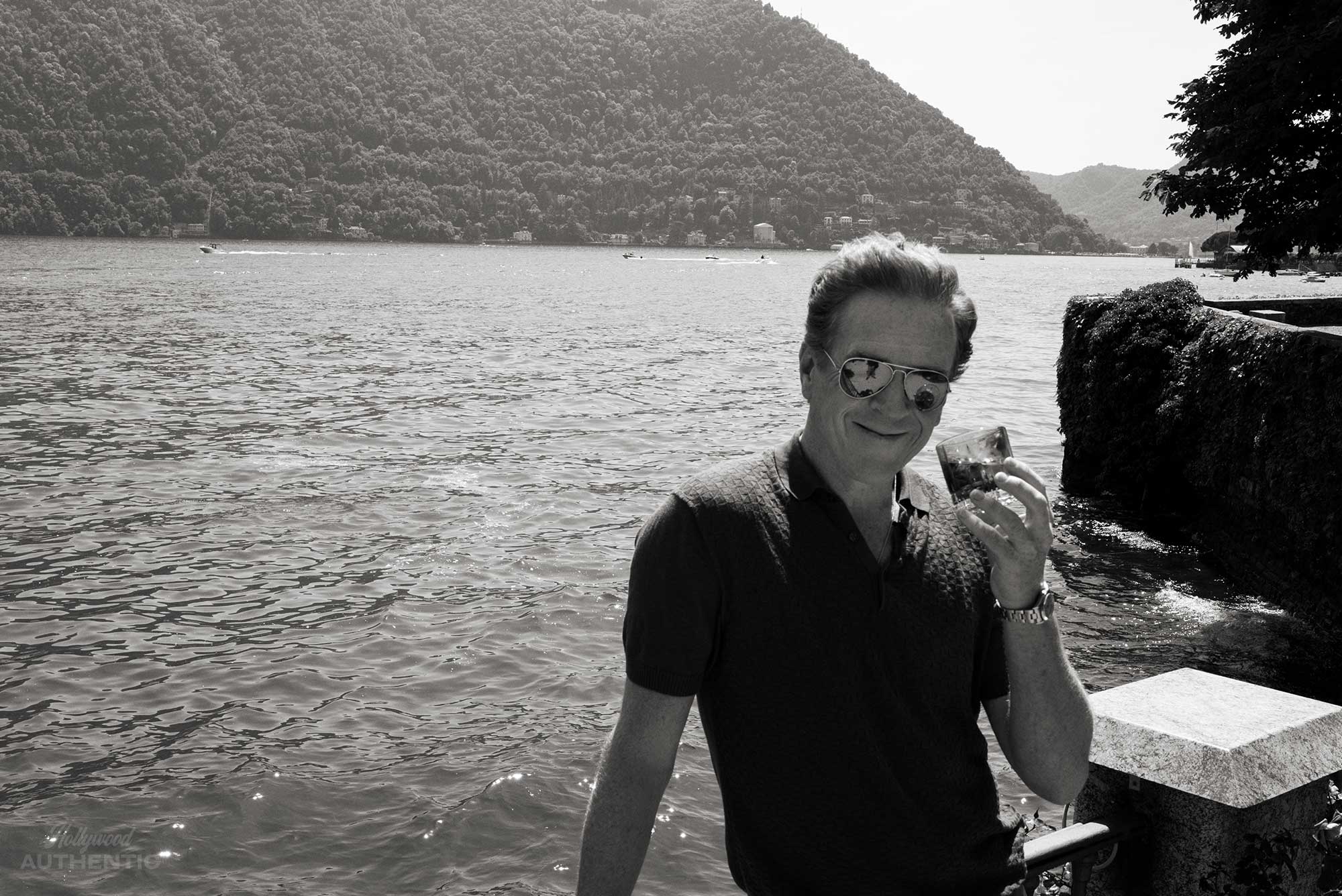
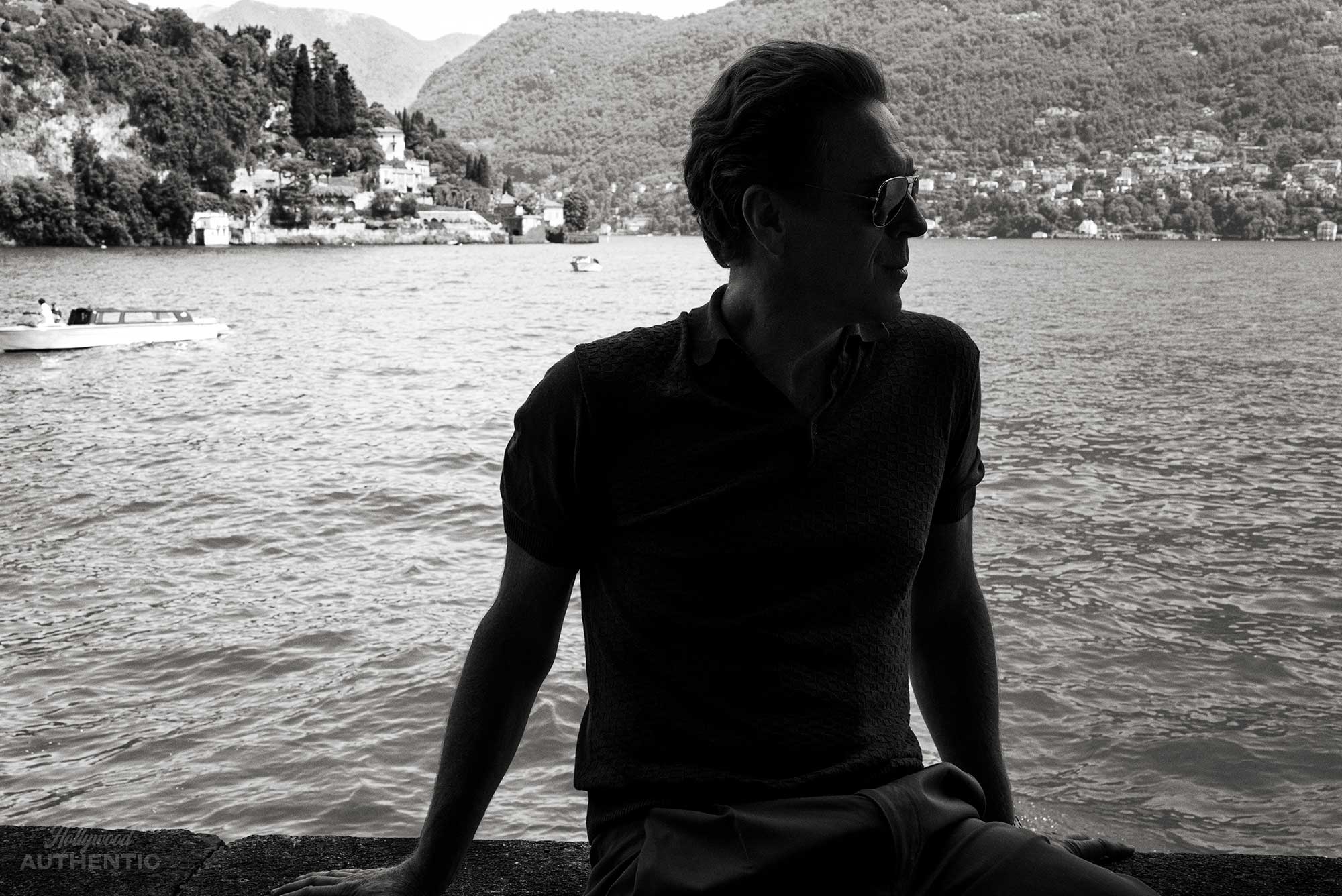
Lightening, and all manner of weather, is something that preoccupies Damian’s latest role, playing Field Marshal Montgomery – ‘Monty’ – in Pressure, the true story of the meteorologist called in to help make one of the most crucial decisions of WWII: when to deploy troops to the Normandy beaches for D-Day. As Eisenhower (played by Brendan Fraser) tries to make a decision, weatherman Captain Stagg (Andrew Scott) tries to deliver an answer on best timing. Monty, a vet of two world wars, is light comic relief in Damian’s hands, with his outraged outbursts over delaying because of a spot of rain. We walk down to the shady edge of the lake, Negroni in hand, as Damian describes the man he plays.
I ended up in two fabulous projects telling the story – one behind enemy lines at night, and then Monty on the other side, with Eisenhower and a weatherman trying to figure out how to get our lads safely on to the beaches
‘Monty was a complicated character. A big ego. Stubborn. One of our great war heroes, of course, but he couldn’t really say his ‘R’s. Obviously I didn’t want to make a caricature out of him but I said I’d like to do it with the weak ‘R’, and the pedantry, and the ego, and the stubbornness. So hopefully we’ve got that, whilst, at the same time, showing that his side of the argument was valid. It’s the largest invasion force in history trying to cross the channel to liberate Europe. And he’s just asking how we keep this plan secret if we delay. Monty is hopping up and down like a sort of terrier in the background.’
Damian came to attention for many as Captain Winters in Spielberg’s watershed TV show Band of Brothers, and enjoyed the throughline from that to this. ‘What I loved about doing Pressure was that as Monty was planning the liberation of Europe with the Navy and the Air Force, in Band of Brothers, the 101st parachute regiment, Easy Company, who Captain Winters was commanding officer of, were landing behind enemy lines that night. There’s one crucial episode of Band of Brothers – episode two, which is now used as a training tool at West Point Military Academy in America – where Dick Winters takes a small group of men against a much bigger force, and takes out the FH-88 Howitzers, which are shelling the beaches as our boys are coming up the beaches. I ended up in two fabulous projects telling the story – one behind enemy lines at night, and then Monty on the other side, with Eisenhower and a weatherman trying to figure out how to get our lads safely on to the beaches.’ There’s another connection between the stories. ‘Lovely Andrew Scott was in a scene with me, in episode two of Band of Brothers, which a lot of people don’t know. He had one scene playing a young, scared soldier, and he hooks up with Winters, and it’s just those two walking through the woods. It’s a nice circle of life, I think.’
Damian came to Band of Brothers from theatre – he was part of the Royal Shakespeare Company in Stratford – having attended drama school at Guildhall School of Music & Drama alongside Daniel Craig and Ewan McGregor (both in years ahead of him). He recalls being inspired by their success. ‘I always remember Ewan saying, “I want to be a movie star” and everyone chuckling, going, “Yeah. Alright, Ewan.” And then he just immediately became a movie star.’ All I wanted to do was theatre. I was completely obsessed with being the next, you know, Branagh, Olivier. I didn’t really think about making movies until I saw my peers; people around me, who I liked, who are pals – making films. I thought that was for other people. I just realised there was a bigger canvas out there.’
The legend goes that his big break came after Spielberg and Tom Hanks saw him in a production of Hamlet on Broadway. ‘It’s sort of been misreported that they saw me in that, and put me in Band of Brothers. Actually, neither of them remembered really seeing me,’ he laughs. ‘Me getting Band of Brothers was totally a needle-in-the-haystack casting. I’d gone through all the endless auditions and interviews in a damp basement in Soho in London, over a period of four or five months. And then suddenly the producer of the show got up one day, out of his chair, and said, “Damian, how would you like to fly to LA, and meet Steven and Tom?” I went, “Sure. Let me just check I haven’t got lunch with my granny.” I went and met Tom, did some readings. I had a friend in town. We went out and got loaded. We were out late. And then I got a call at like eight in the morning from Meg Liberman, the casting director, saying, “Damian, Steven would like to see you at 11 o’clock.” I had 73 cups of coffee and three showers. When I arrived there was an unbelievably good-looking actor sitting outside. I look at him, and I think, “You are the spitting image of Dick Winters.” I just literally thought, “Well, that’s been a fun ride.” He goes in and when he comes out, he really generously says, “Good luck, man.” And he walks away. I go in, and Steven and Tom do the interview. They literally say in the room, “OK, we’re going to start bootcamp in April. Go get in shape…” I love that story because it is my young actor Hollywood story. It’s that break. It’s that moment. I’m fully aware that not everyone gets that moment. It was very ‘two different worlds’. I loved being at Stratford-upon-Avon, playing Shakespeare, putting on my tights. But actually, this might be something I could do.’
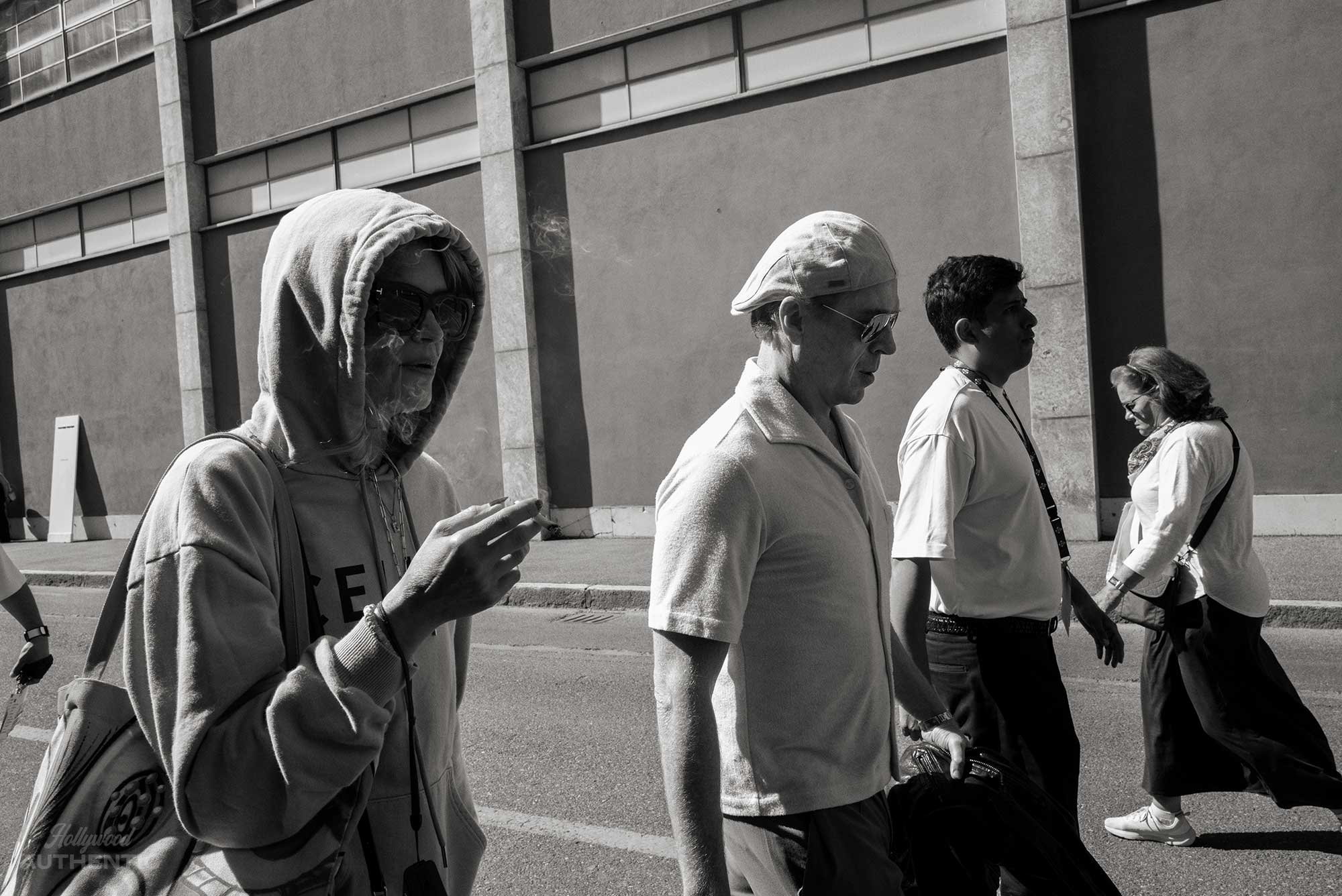
Acting is an interpretive skill. The guy who put the words on the page – that’s the source. Everyone else after that point is an interpreter. I love the psychic journey of an actor. I love the sublimation of self to become someone else. I love going down the rabbit hole, and transforming… walking into a different person; walking through a different world; being in a parallel reality
I ask if he thought he’d return to theatre after the show. ‘I always wanted to go back and do theatre, but I think what happened, without me knowing it, is that Band of Brothers was one of the shows that was right at the vanguard of this golden era of TV. The Sopranos was out. The Wire. Band of Brothers came out. Suddenly, everyone was talking about TV in a slightly different way. And film people were coming into TV. And then Breaking Bad, Mad Men, Homeland, which I was in. I went off down a route that I hadn’t imagined for myself, because so much interesting work, and so many interesting people, were in it.’
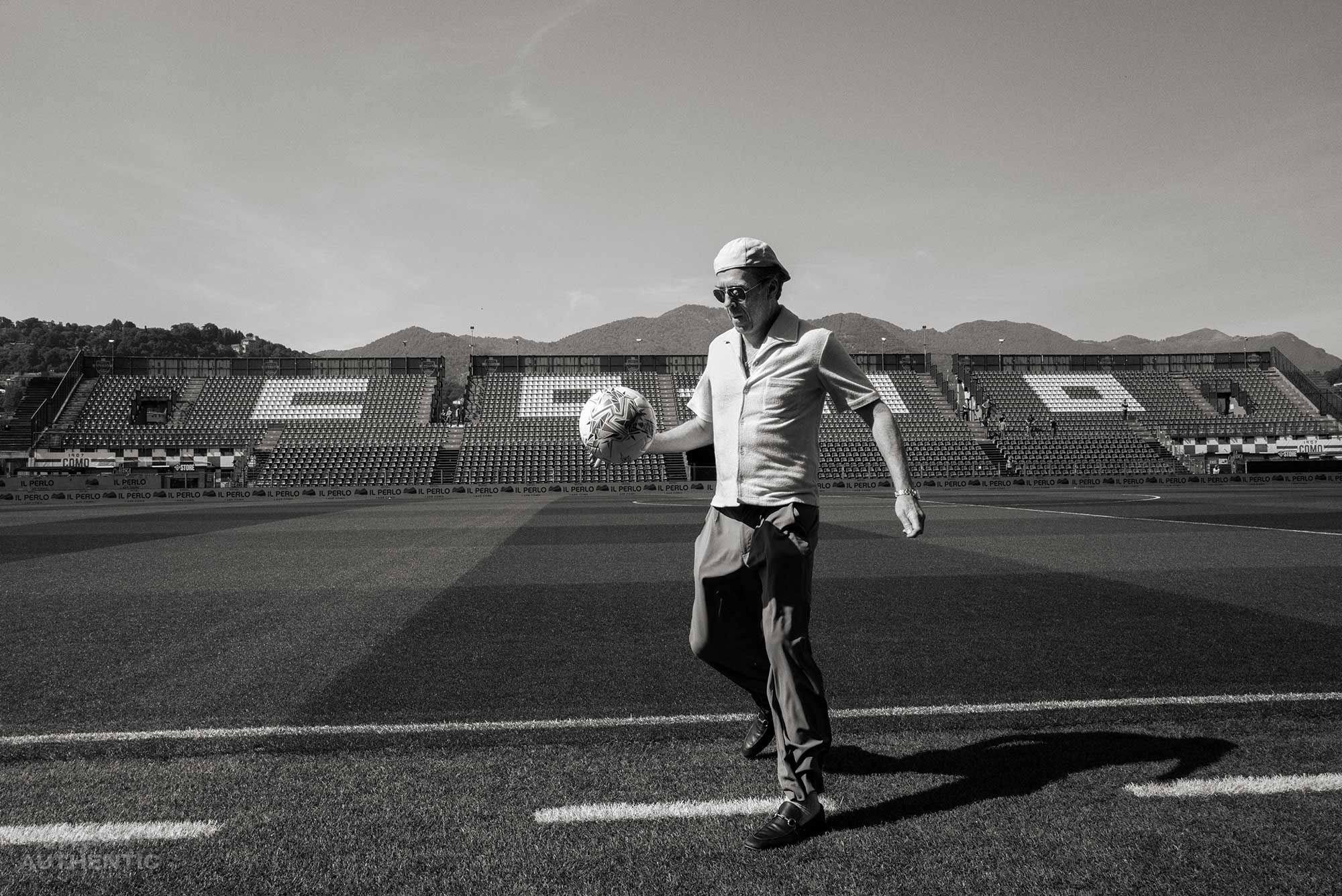
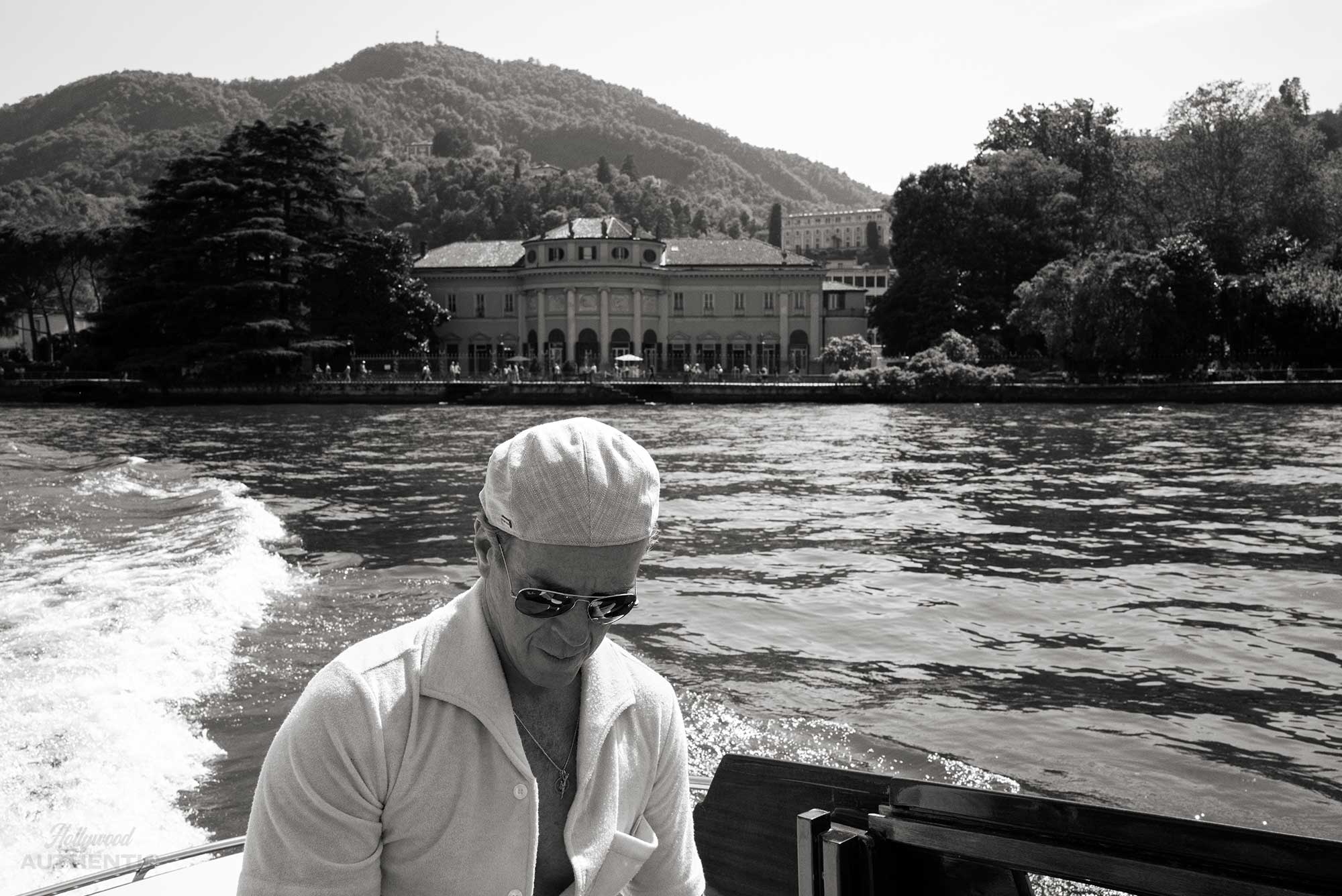
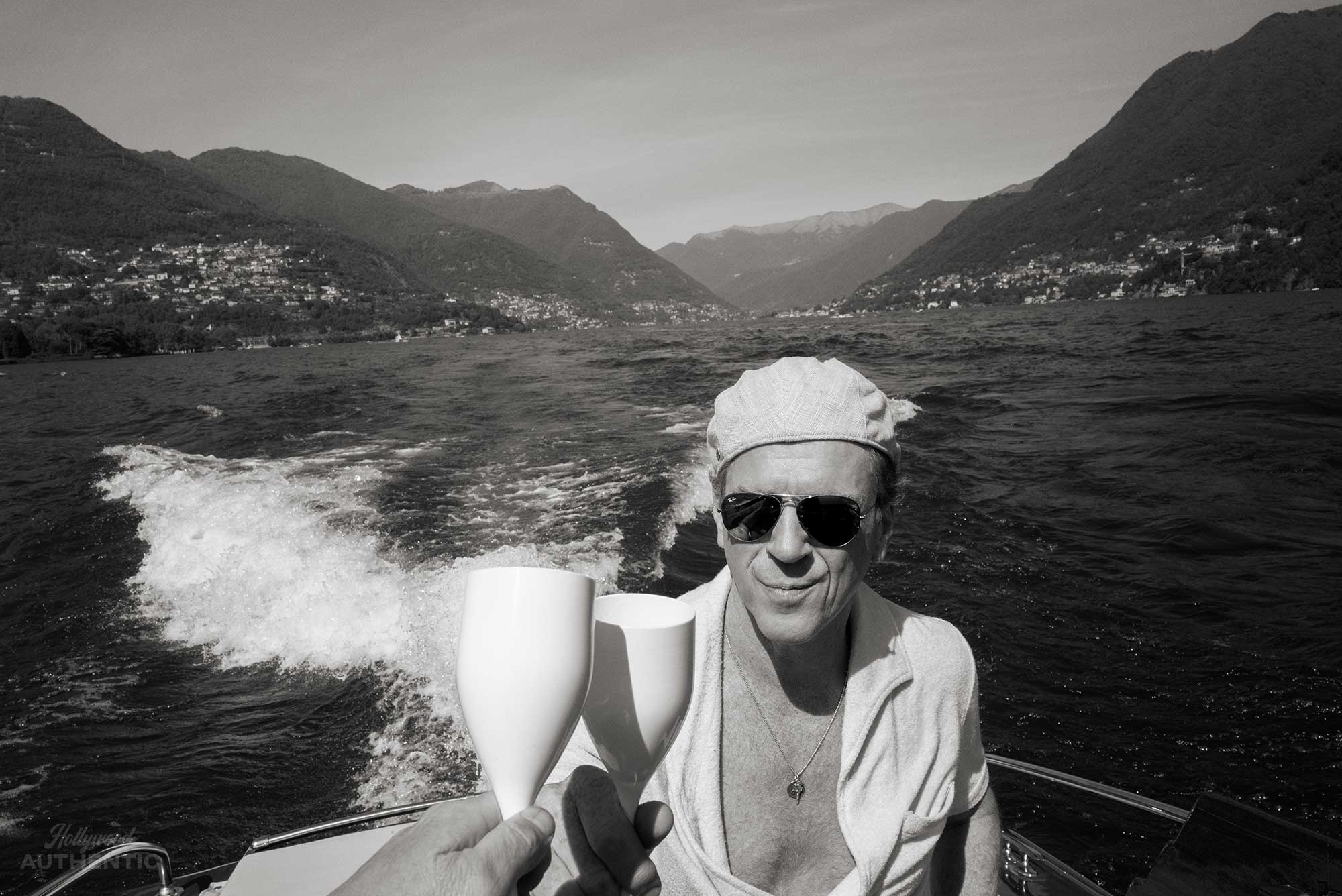
With Negronis drunk, it’s time to head to the match. We jump in a boat to get to the lakeside stadium. As we drink in the views, Damian tells me about his music, having recently released his latest single, Sweet Chaos. ‘I’ve always played music. But I’m doing it more formally, I guess. When I was in my 20s, I used to motorbike around Europe with my guitar and a tent, and I used to play in the streets and busk. And then acting took over. There are often pathways in life. You come to forks in the road. I was married to Helen McCrory. We very much identified as an acting couple. I loved that life.’ He didn’t turn his attention to music until he met music manager and agent, Steve Abbott who suggested making a record together, Mission Creep. His latest album, also called Sweet Chaos, is out in June. ‘It’s definitely a passion, a way to creatively express yourself,’ he says of songwriting. ‘It’s not a vanity project. It has to pay for itself. If it doesn’t work, and people aren’t getting paid, and not enough people are liking or listening to the music or showing up to gigs or buying records or a bloody tote bag – then it doesn’t add up. And I won’t be doing it any longer. But I love writing songs. I love getting to the studio and recording them. I’m obviously much better known for my acting and that will probably never change. But I hope people find the music, and take it on its own terms. Changing lanes in this country can be tricky. It takes a bit of time for people to get used to that kind of thing. You don’t persuade everyone. I’m sure I won’t. But I love doing it.’
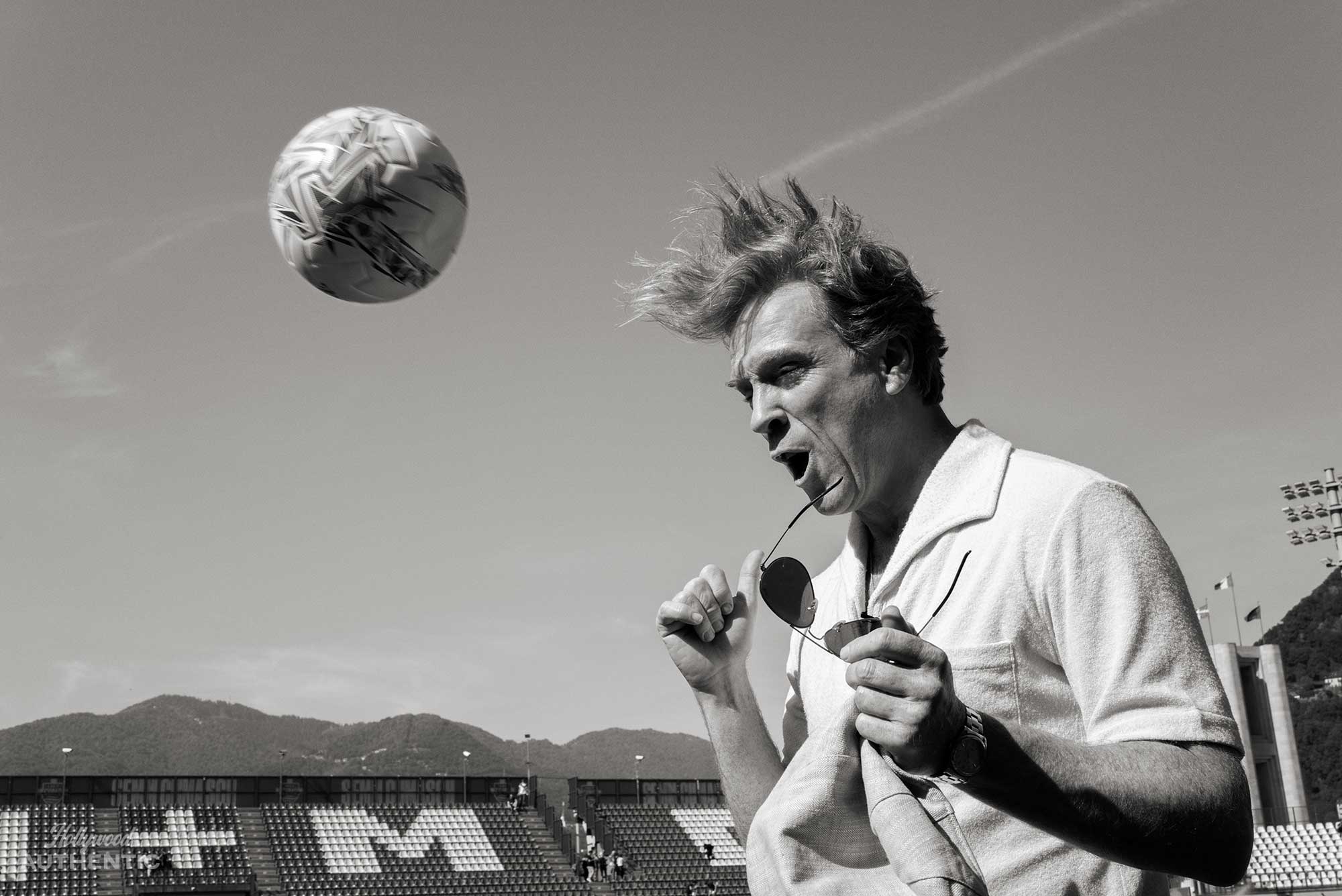
As we bob along he considers what music gives him that acting doesn’t. ‘Acting is an interpretive skill. The guy who put the words on the page – that’s the source. Everyone else after that point is an interpreter. I love the psychic journey of an actor. I love the sublimation of self to become someone else. I love going down the rabbit hole, and transforming… walking into a different person; walking through a different world; being in a parallel reality. Imaginatively, creatively, psychically – it’s quite a long journey to travel. It’s quite a long way to come back as well, if you really are an actor that believes in immersing themselves. And I try to be that kind of actor. Doing music has given me a different sort of agency and authorship that I love. I write the songs. I then go and record them with amazing musicians, and then I go on tour, and then I perform them. So every stage of the way, it’s mine. I really enjoy that process. It’s quite exposing, but I find acting quite exposing, too. I think any good art, where anyone is committed to it – is exposing. It’s a place of vulnerability.’
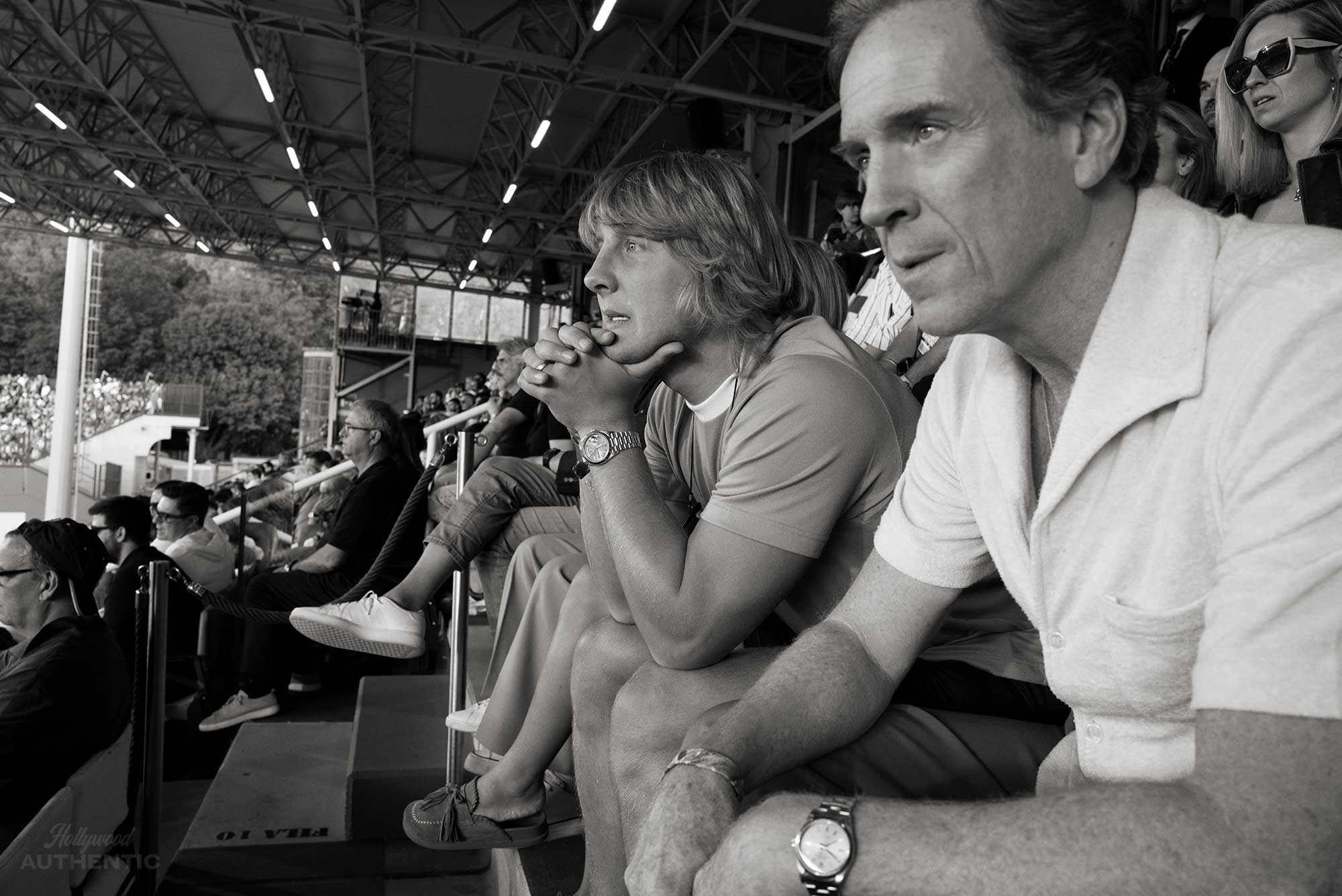
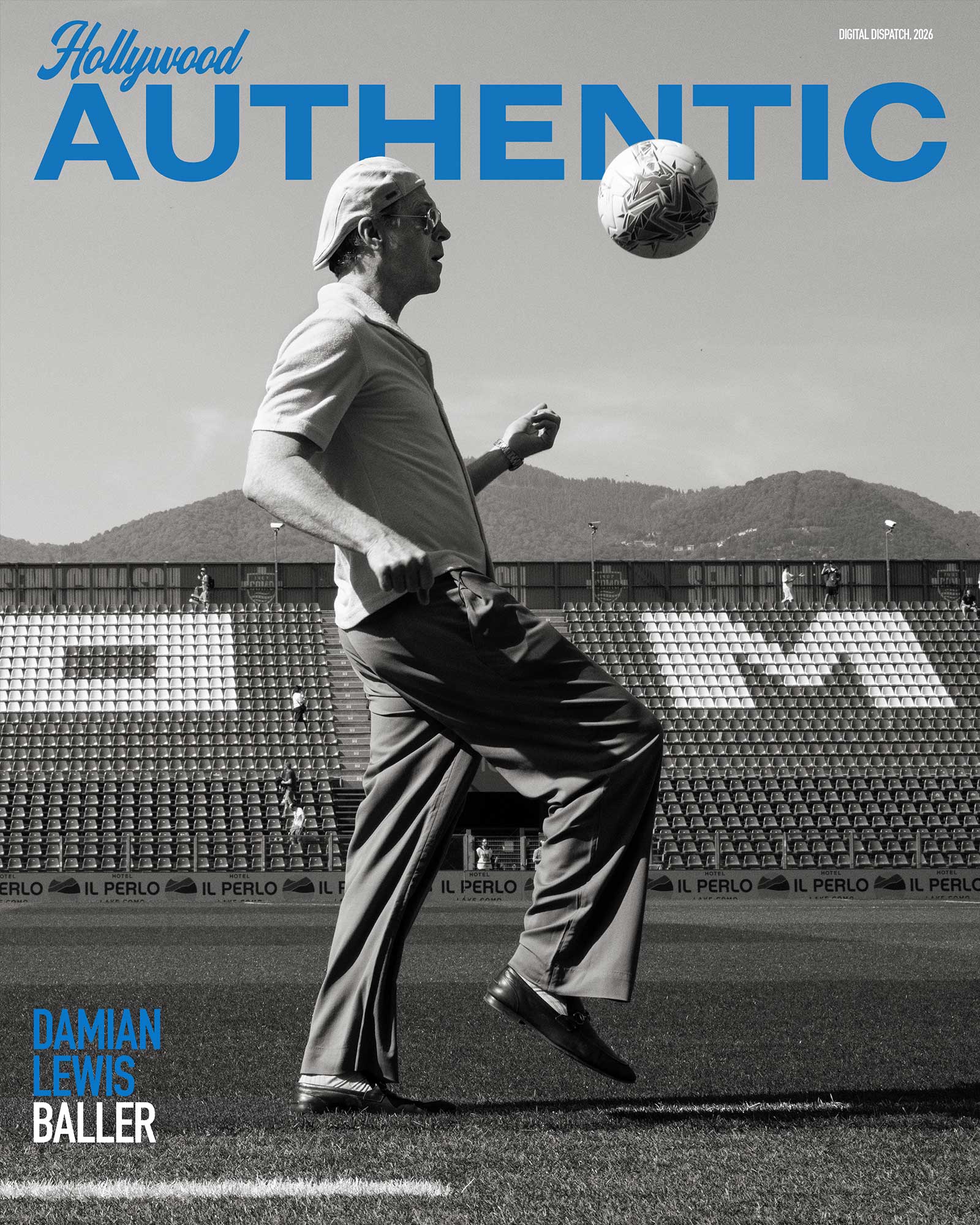
We arrive at the stadium for the Como/Napoli game and walk towards the 12,000-seater venue. When we get inside and head to the pitch, he immediately starts inquiring about the grass and anticipating the atmosphere when the place is full of fans. I rustle up a football to give him a bit of pre-game keepy-uppy, which he tackles enthusiastically. He’s buzzing with pre-kick-off excitement as we head up to the bar of the Art Deco stadium where Damian chats to local fans about the match and his home team of Liverpool. He smiles broadly, in his element. He’s ready to see some of Como 1907’s artistry on the pitch…
Photographs & interview by GREG WILLIAMS
As told to JANE CROWTHER
Pressure is in cinemas on 29 May