


Words by JANE CROWTHER
The title’s monster is the handle of a suspected trafficker and consumer of child sexual abuse material, tracked down to his bucolic home in the German countryside, a team of hardened specialist officers grimly explaining rights, bagging laptops and cuffing the suspect. It’s clear there are victims and trauma associated with the case, but what Maria Kreutzer’s study focuses on is the emotional, mental and moral fallout of those who thought they knew the perpetrator. And in doing so, showing the huge, wide-reaching impact such crimes create.
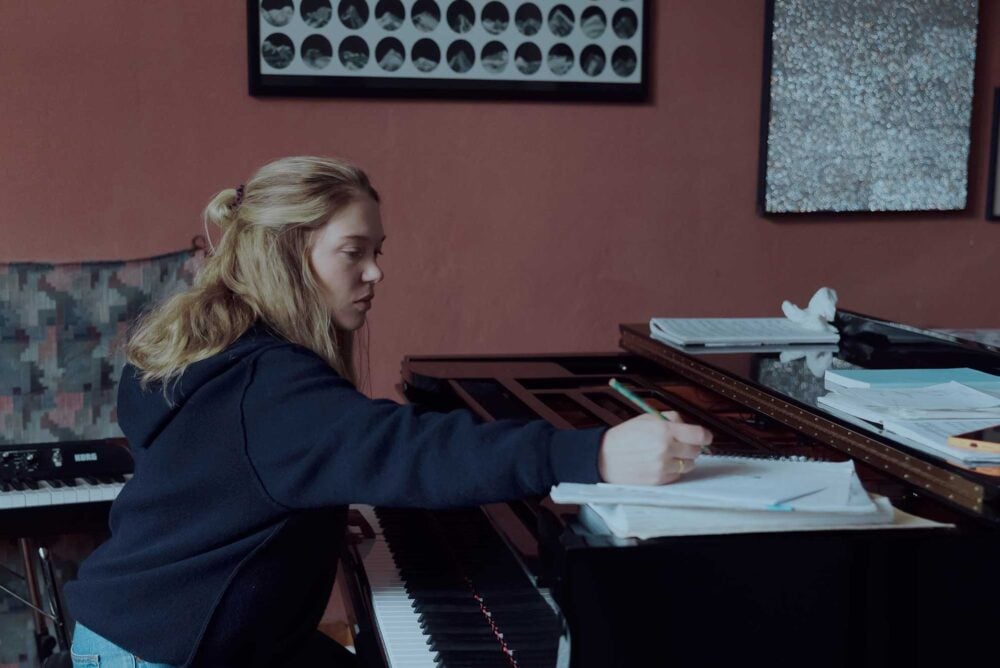
Musical performance artist Lucy (Léa Seydoux) is married to the suspect, Philip (Laurence Rupp), his early morning arrest a shock on every level. This is the man she has moved to the countryside after a work burnout, the father of her little boy, and the man she enjoys having languorous sex with. When he is accused, Lucy reexamines their life together, reappraising the safety of their child, contemplating the true meaning of Philip’s voyeuristic home videos, grieving the loss of her perception of her partner.
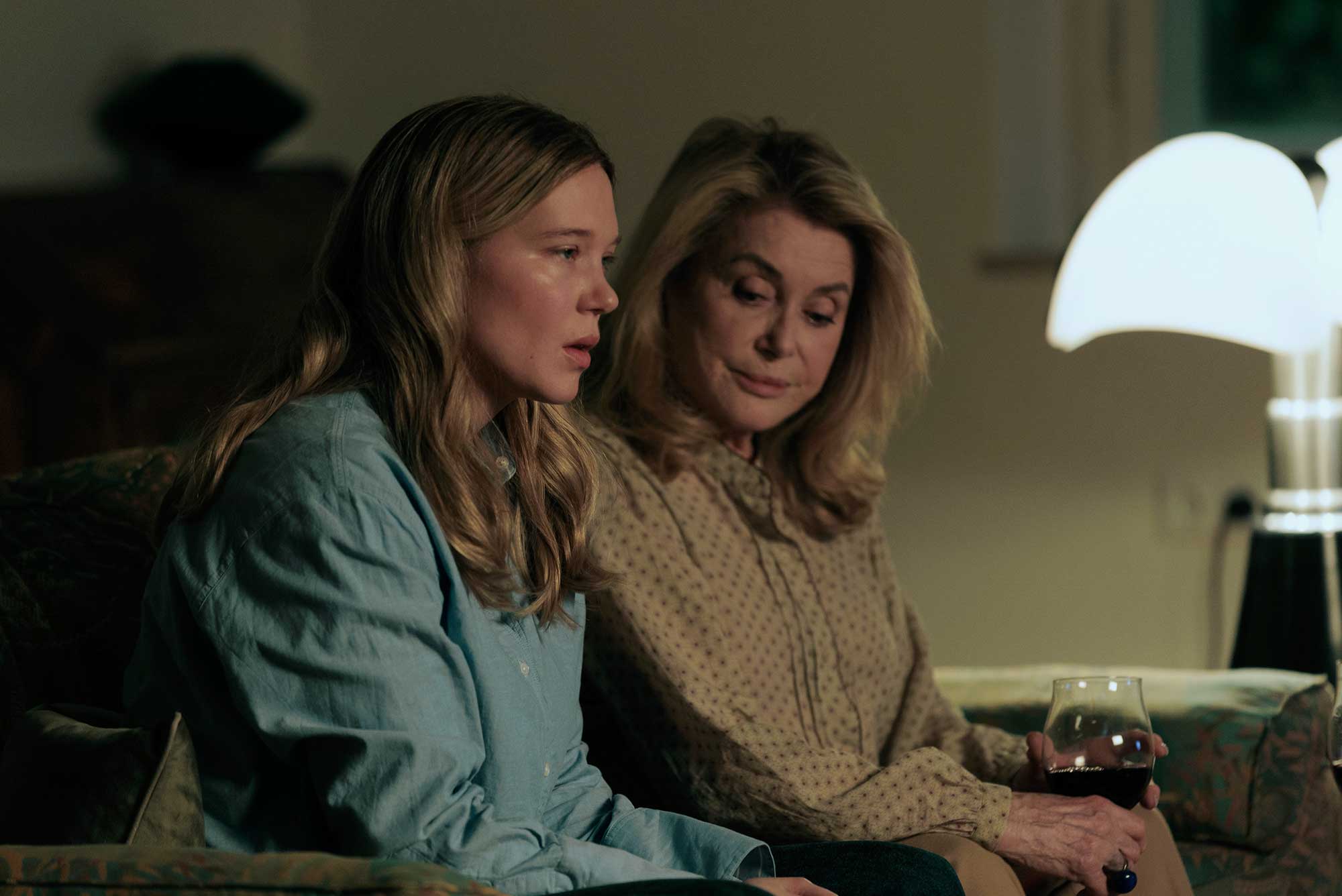
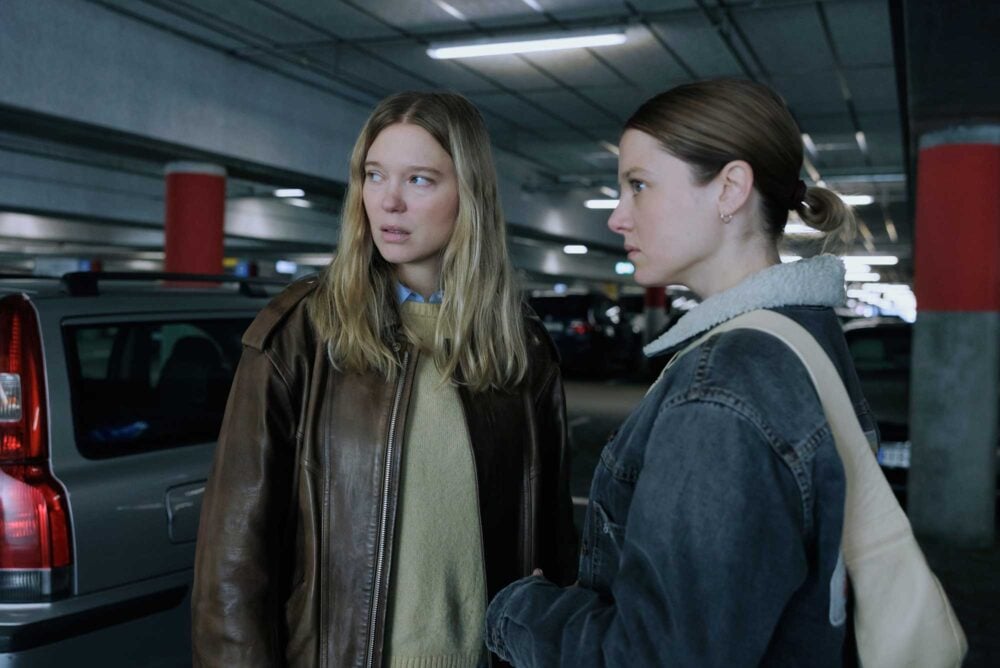
Philip claims innocence and this could be true, but so too could the accusations made against him by a detective (Jella Haase) who is also dealing with the loss of a man she knew, her dementia suffering father who is sexually harassing his carer. As Lucy navigates her life after this arrest (and Philip’s family and friends), the truth of the situation comes slowly to light – revealed like sickening twists that wrack her with doubt, guilt, rage and grief. With the help of her no-nonsense mother (Catherine Deneuve), Lucy must build a new normal, but what does that look like?

Kreutzer was inspired to write the film from news headlines which became personal when one of her cast on Corsage was accused of the same crime. Perhaps that’s why Lucy’s confusion, horror and hope feel so truthful as she flip-flops between believing her husband and not. And why art, in Lucy’s piano recitals which take male songwriters’ work and turn them into something uniquely female, feel like necessary healing and processing. As she tells an interviewer ‘I take their words and question them’.
In Seydoux’s expressive hands the experience is visceral. Lucy is French, living in Germany and speaking English around the house, a multi-language scenario that echoes her sense of isolation when Philip is arrested. Shame and doubt prevents her from talking to others, her shifting position on believing her husband means she never quite understands who her community is, and her difficulty in expressing her turbulent emotions (apart from through performance) is like her constant switching of language until the moment she speaks in her literal mother tongue to her Mum.
Seydoux is mesmerising as a woman who knows two things can be true at once: she can love her husband and also abhor him. She charts the agony of suddenly not fully knowing a person while also fearing that one may not have been vigilant enough in protecting a child. And while the idea of committing the crime may be unfathomable to audiences, those feelings are entirely recognisable, making Kreutzer’s film a discomforting and vital watch. Meanwhile, Seydoux’s vanity-free, raw performance should land her in the season’s awards conversation.
Words by JANE CROWTHER
Images courtesy of NETFLIX
Gentle Monster is in cinemas now
