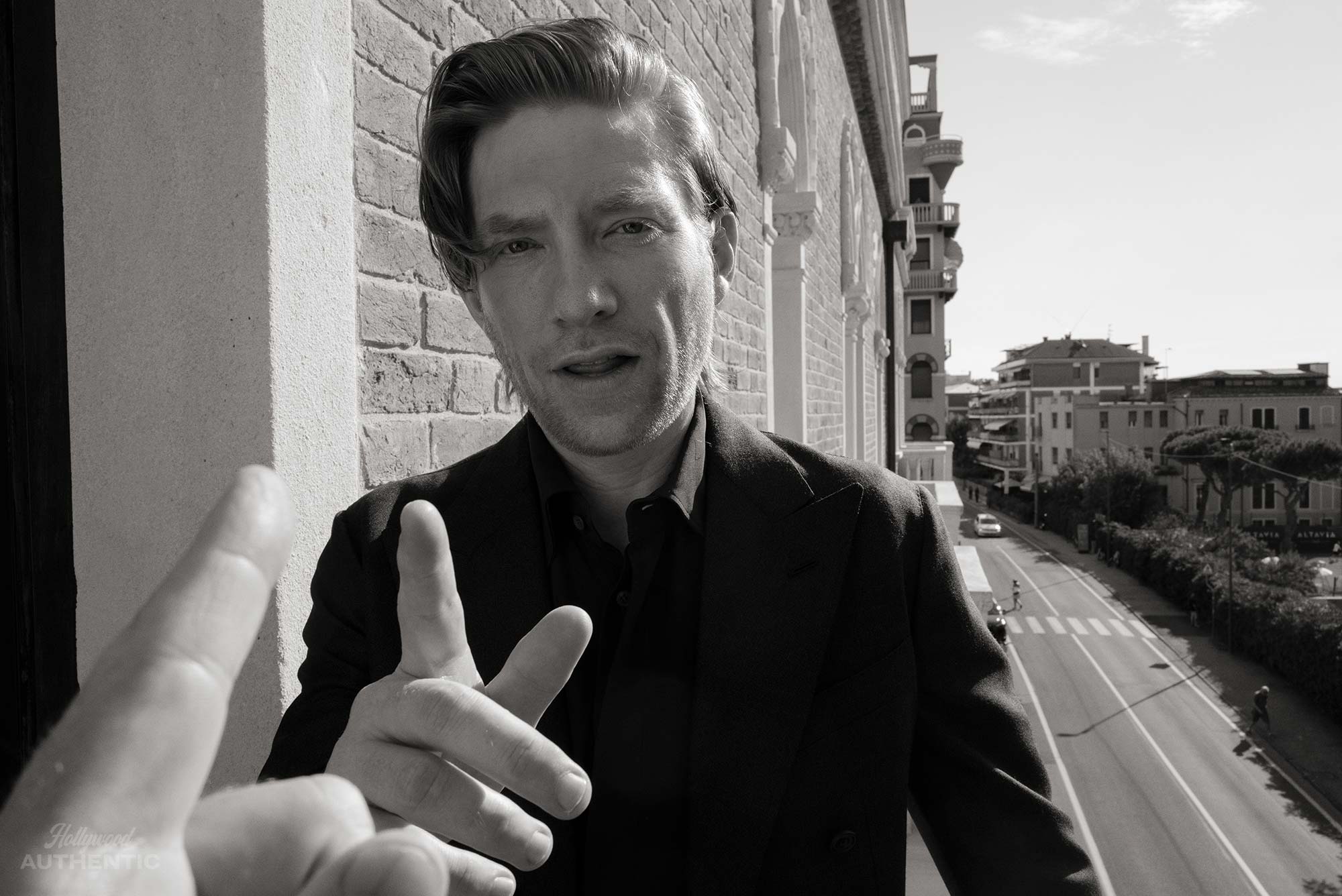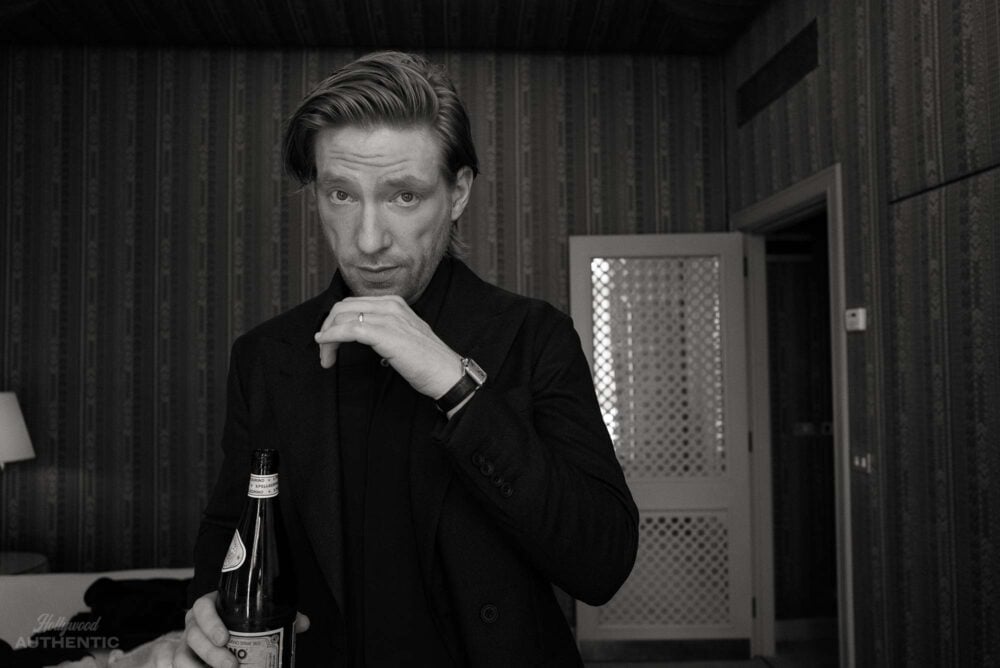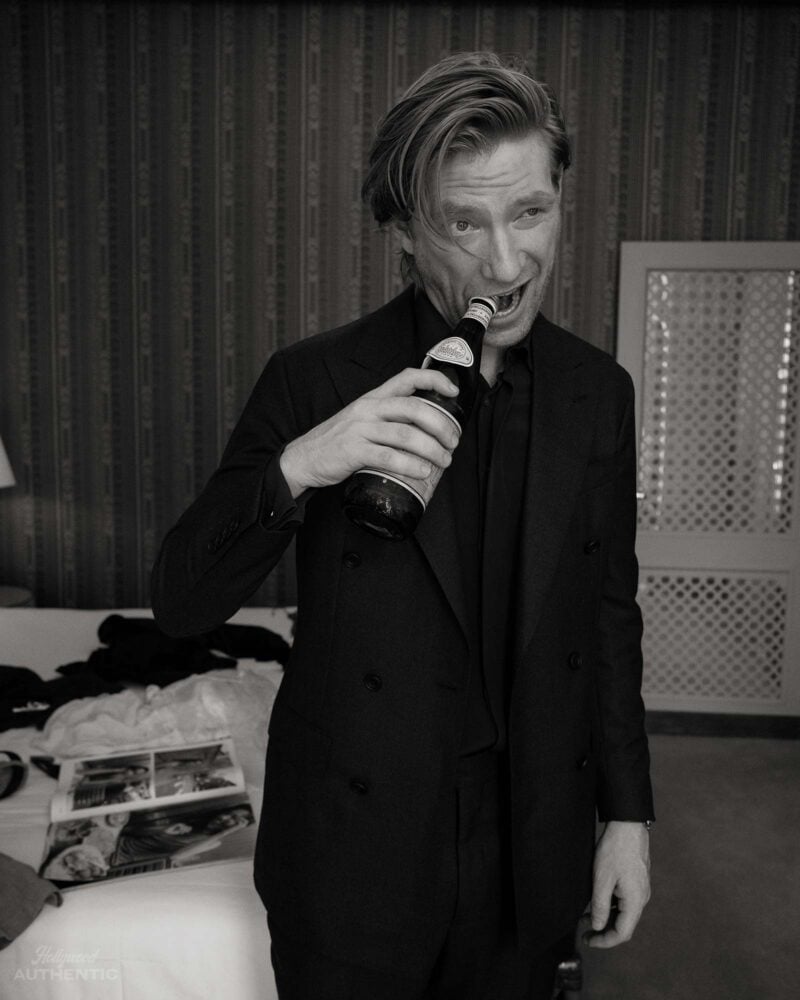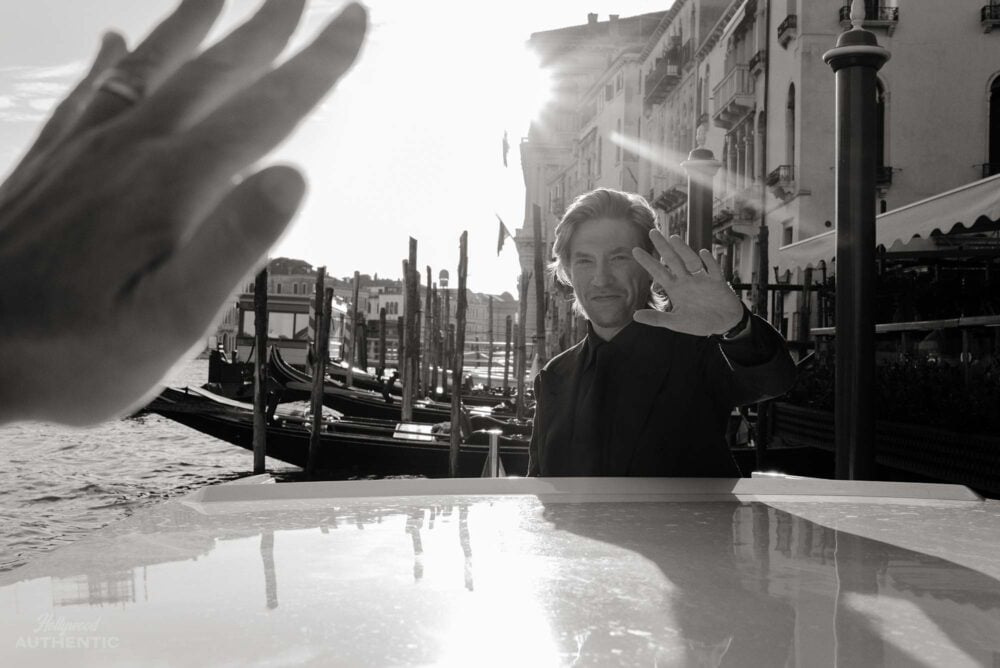


VENICE DISPATCH
Photographs GREG WILLIAMS
As told to JANE CROWTHER
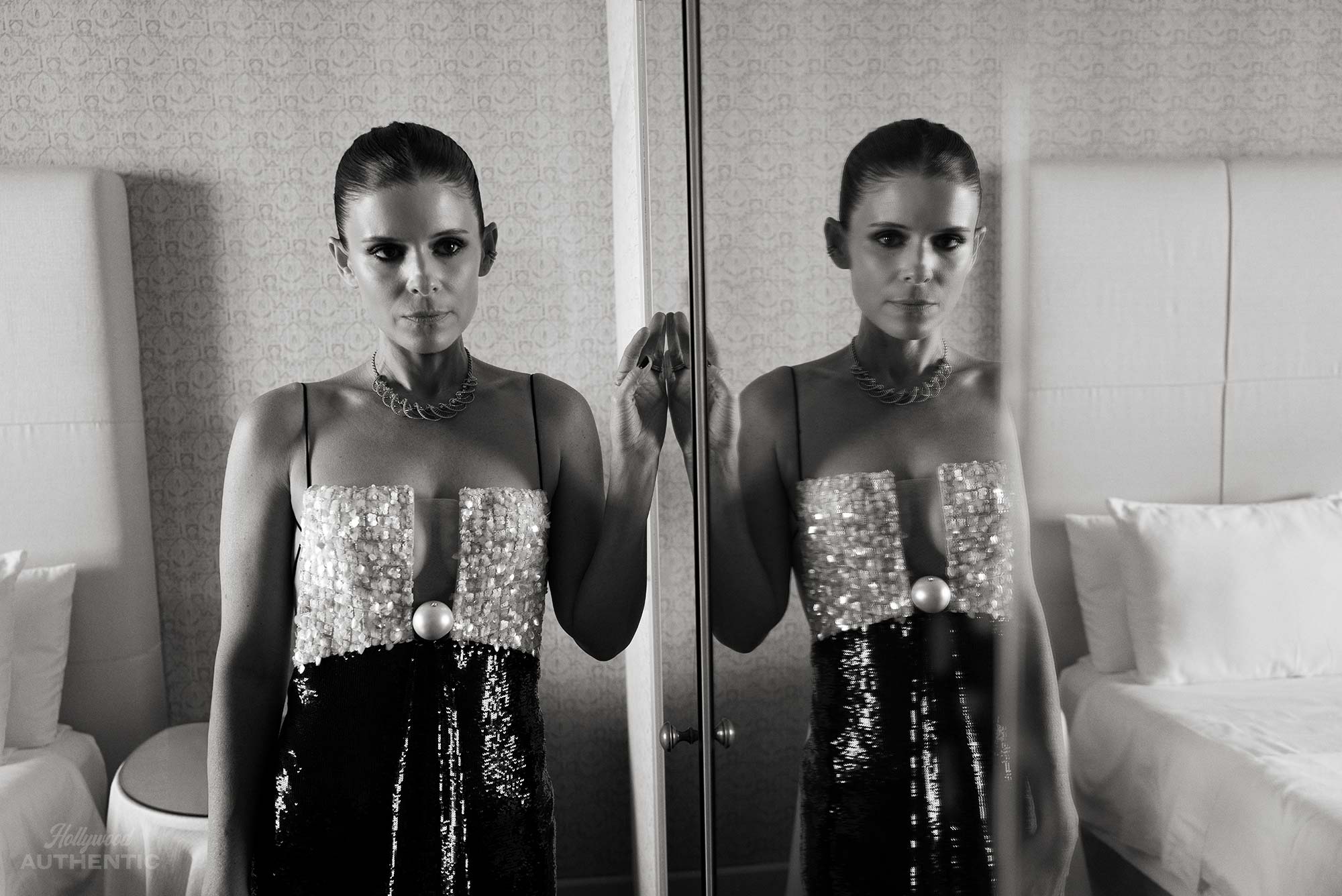
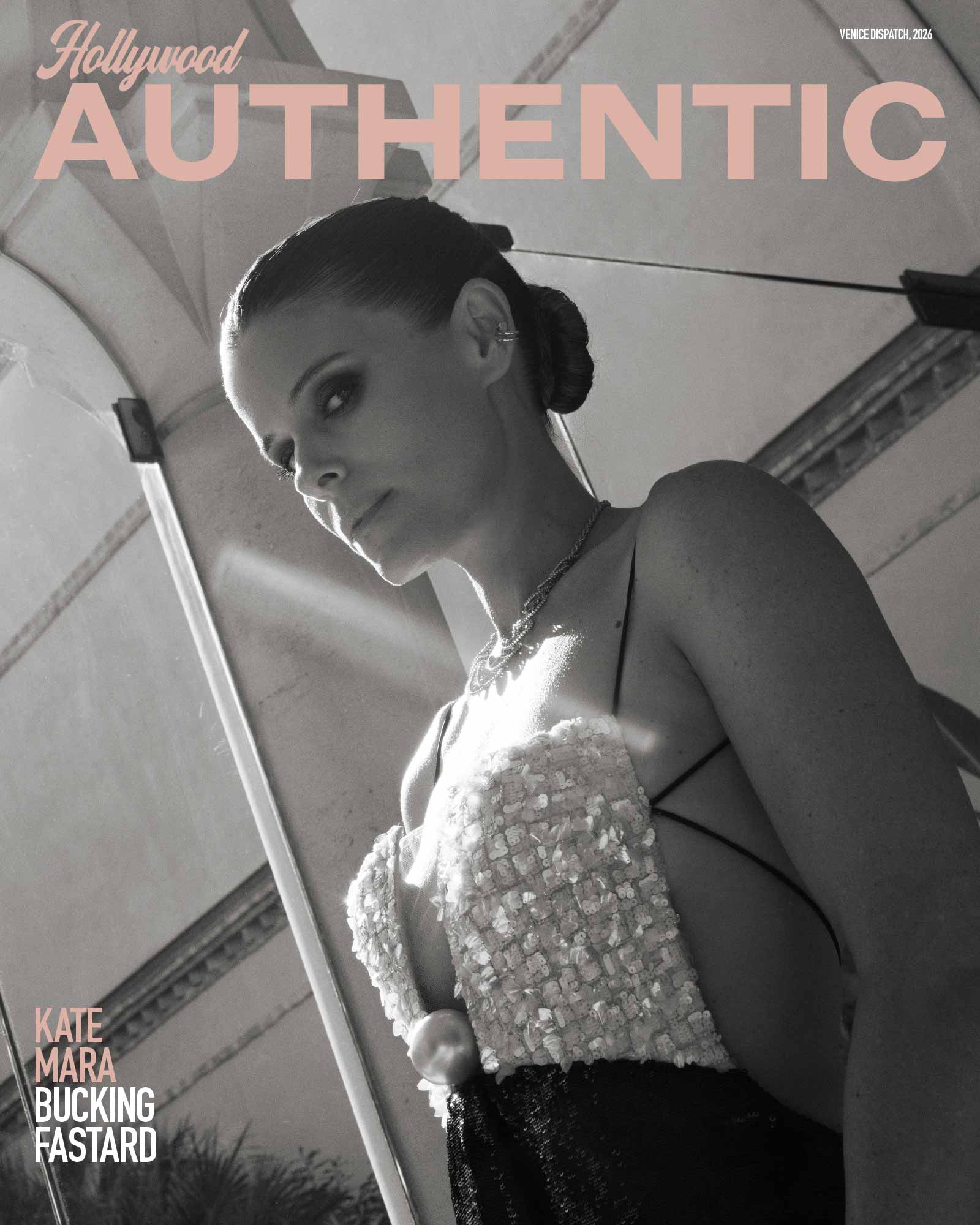
Kate Mara tells Hollywood Authentic how she wants to feel fear in her work and why Werner Herzog’s Bucking Fastard gave her and the most important girl in her life – her sister, Rooney – the greatest artistic gift of her career so far.
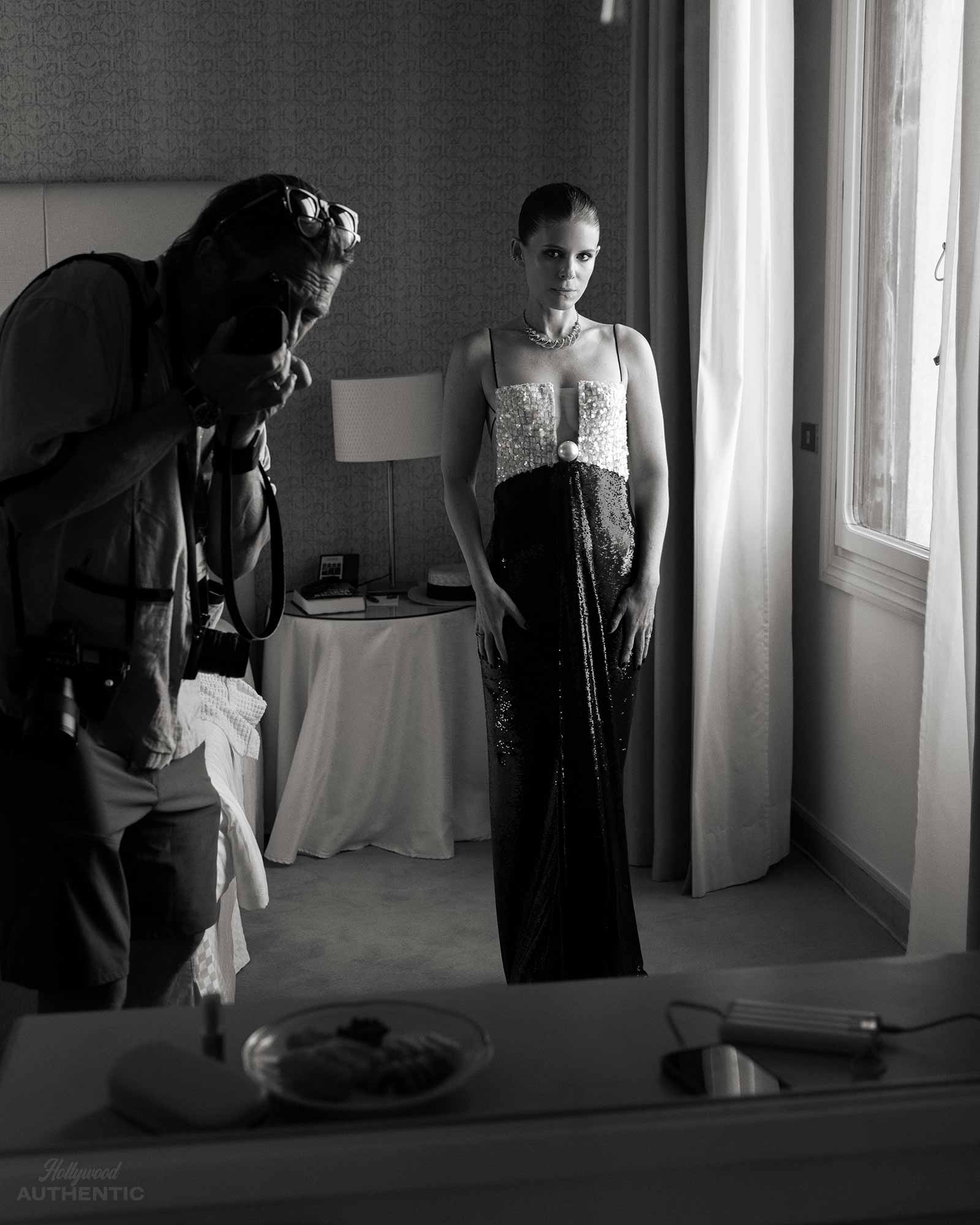
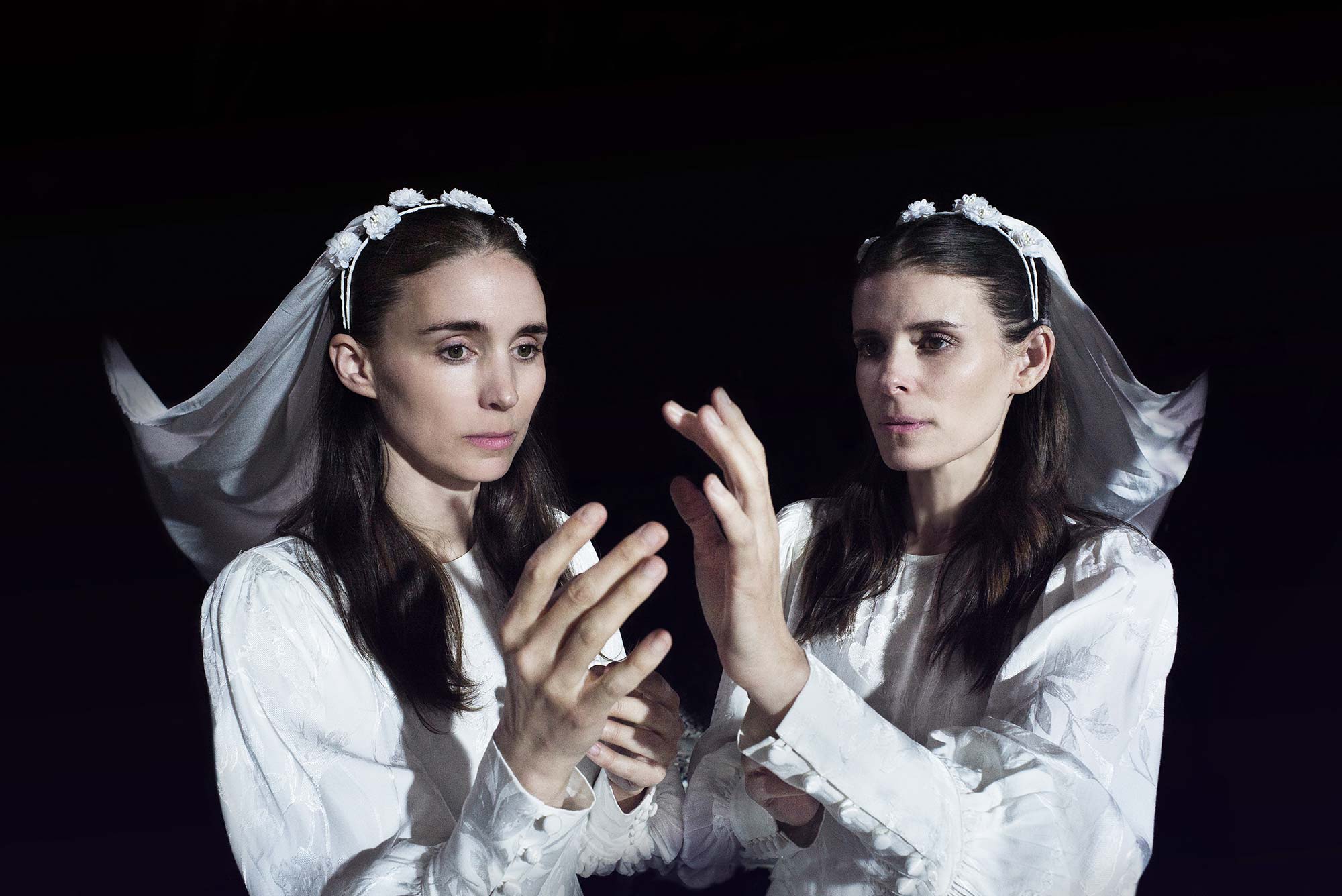
When writer-director Werner Herzog wrote to Kate Mara, and her sister Rooney, proposing that they play synchronised siblings desperately in love with the same man, and romance itself, Kate Mara knew this was the project for the duo to make their onscreen debut. ‘It became two dreams in one, because it was the dream of working with my sister and working with him. So it was double the excitement to do it,’ Kate says when Hollywood Authentic catches up with her after the film has bowed at the 83rd Venice Film Festival. Mara is a fan of Herzog’s work, citing Fitzcarraldo and Grizzly Man as two movies that have inspired her artistically. ‘All of his films are so clearly his, but also so different, you know?’
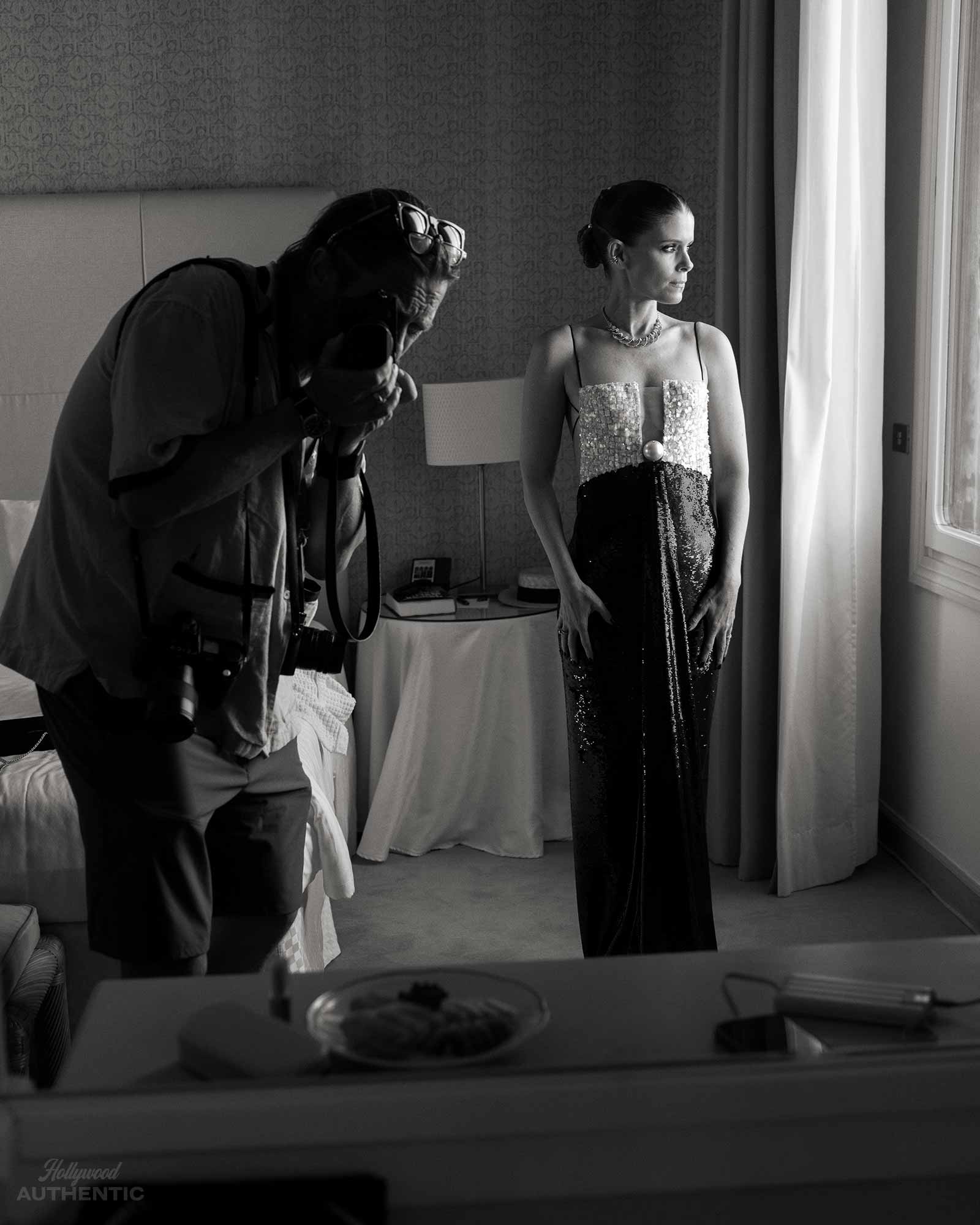
Bucking Fastard is another pivot for Herzog, a female-centre whimsical drama about two intensely-connected sisters on an odyssey to find meaning and love, and the script was something that spoke to Rooney and Kate. ‘We’ve always wanted to work together, but we’ve never been offered something that was an obvious ‘yes’. We’ve been sent a few things that either didn’t make sense for both of us as actors, or didn’t make sense based on the filmmaker or the script. This one was just obvious. I do think the two most important things when you’re deciding on a job is the role and the director. Maybe even the director before the role. So for us, Werner was an obvious ‘yes’. But then you want the script to be as interesting as the filmmaker, and you want the roles to be equally interesting. This was just a hysterical opportunity to play two different people but as one.’
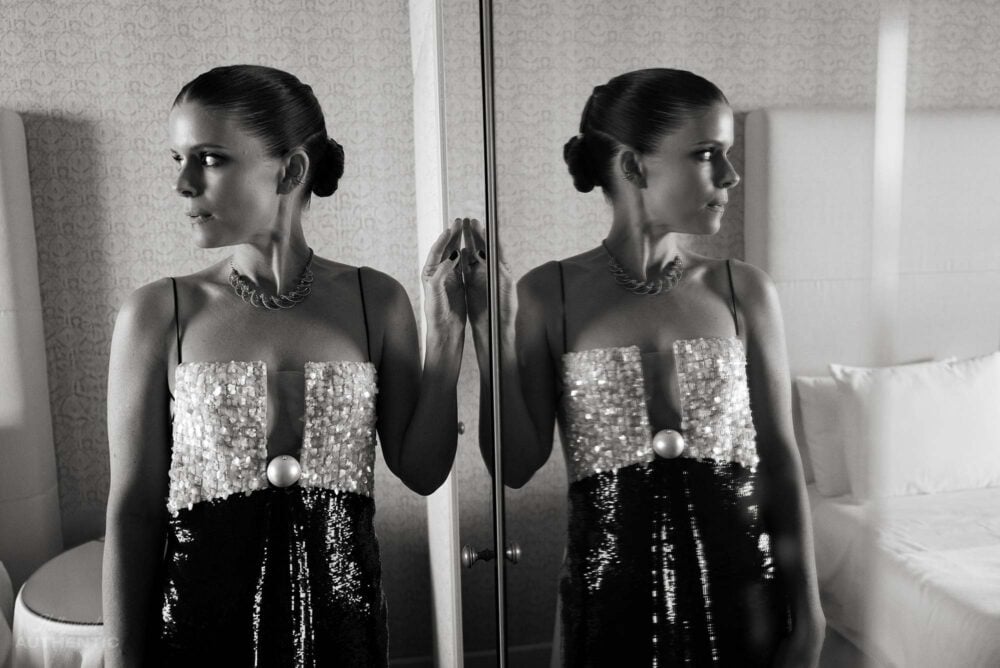
The task for Mara and her sister was to play a role as a singular entity: speaking and moving in tandem to hypnotic effect. ‘We were both nervous,’ Mara admits of tackling the project. ‘That challenge of having to speak and do everything in unison, was probably the thing that was intriguing about it – it was very much a puzzle that we had to figure out together in the work. But it’s not really interesting to do roles that aren’t scary. I’m only really interested in playing roles that are challenging in some way.’ Though the physical act of speaking and acting like a two-person Greek chorus might have taken work, Mara rejoiced in the mental and creative place it put her. ‘To live in that head-space was only joyous. It wasn’t going home with some sort of loneliness. I got to play with my sister for five weeks, or longer if you include the prep time. We were sad when we knew it was coming to an end because it was such a lovely experience.’
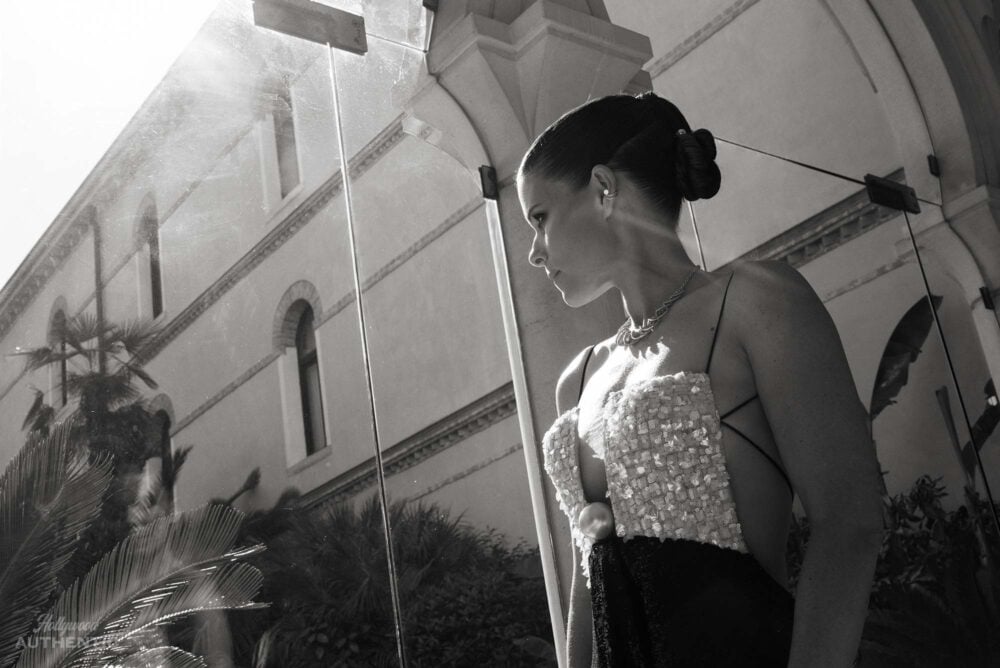
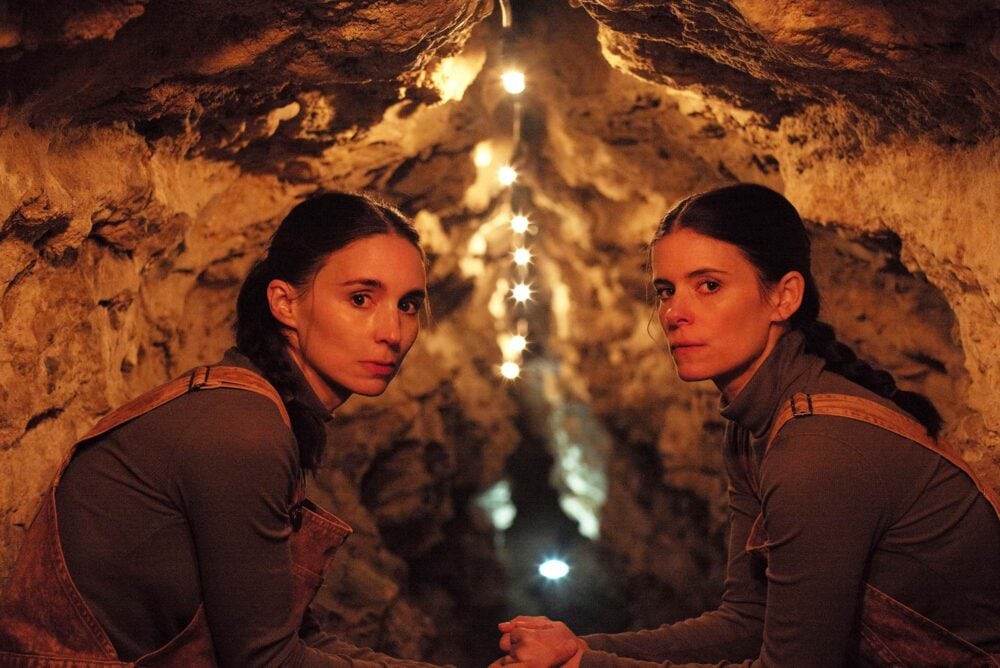
The only nerves while filming were in working at night in the Postojna Caves in Slovenia – a fairytale space in the characters’ perception, but a daunting set for Mara. ‘We were nervous to film in the cave. That was something that when me and Rooney read the script, we were both worried about that experience of it because Werner is an absolute adventurer. We were worried we were going to get claustrophobic. It takes about 20 minutes to get into the cave, and then once you’re in there, you can’t go back out, because it takes too long. We had to be there all night and it’s cold. And then when we actually experienced it, it was so expansive and massive. It was really magical.’
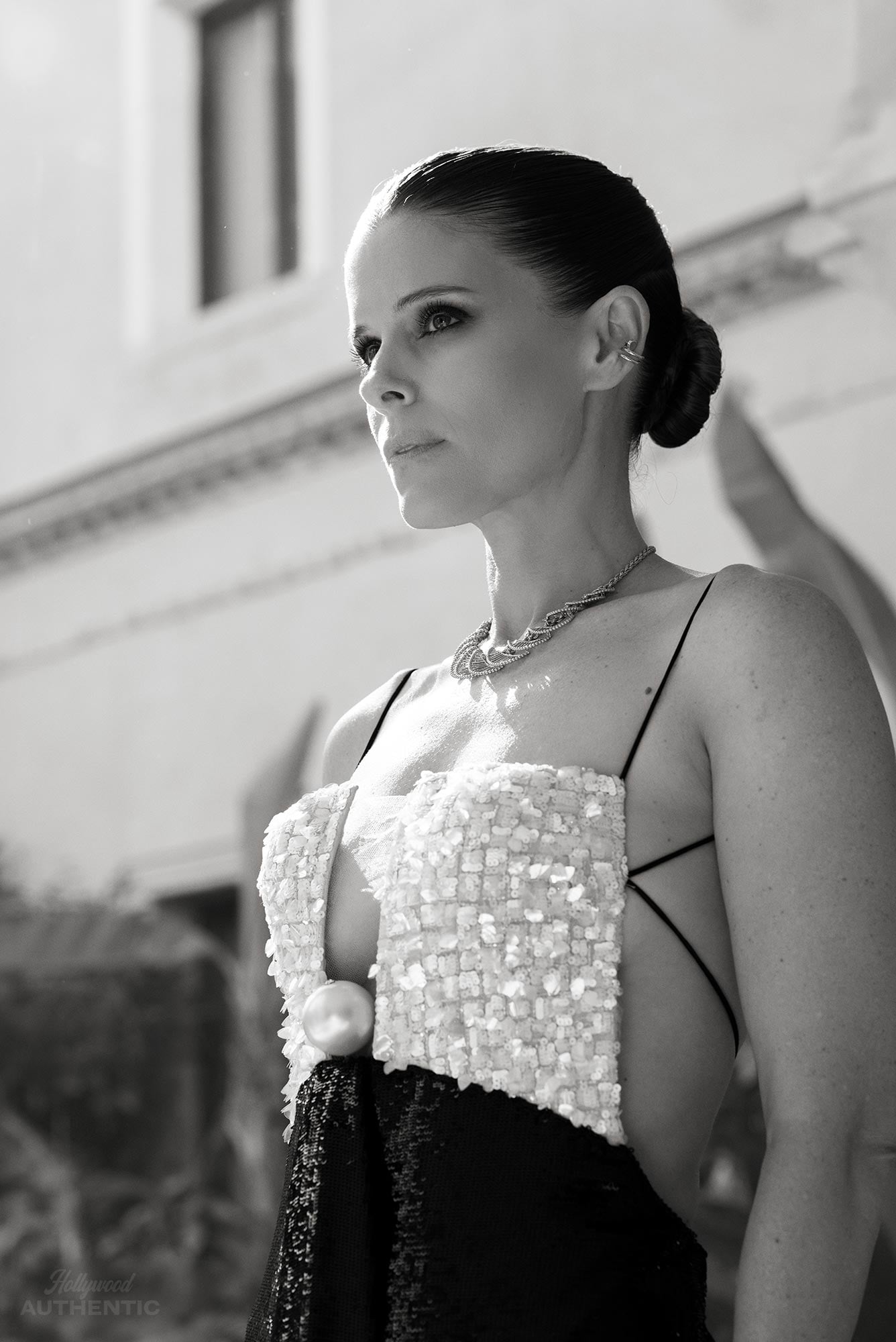
The whole experience was bewitching, Mara says. ‘As long as I’ve been acting, I think I’ve always wanted to do films that are different from anything I’ve done before; challenging and expansive in the artistry of it, where you can really grow. Growth can come in so many different ways. You don’t always know what that means when you’re in it, or necessarily when it’s over. Sometimes you realise it years down the line. But for this, it changed my relationship with my sister in that I feel closer to her now than I ever have because it was such a bonding experience. This film means more to me than almost any other, because of the long-lasting effect it has on my life with the most important girl in my life – my little sister. It will be special to me forever for that reason. And it did make us want to do every movie together. We cannot wait for the next opportunity. It just needs to come along.’
Mara’s solo work will be taking centre stage in the immediate future. She has new TV show, Roman, upcoming which charts the drama at a fictional Las Vegas casino. ‘It’s an ensemble I just couldn’t say no to including Betty Gilpin and Oscar Isaac. Scorsese is producing it. I play a madam, and it’s different to anything I’ve done.’ She’s also just wrapped on Will Graham’s military drama Trust The Man playing the wife of Jonathan Groff. ‘Such a beautiful experience,’ she enthuses. ‘I said yes before I even read a script, because, besides my actual husband [Jamie Bell], he is my dream husband. And he knows it!’
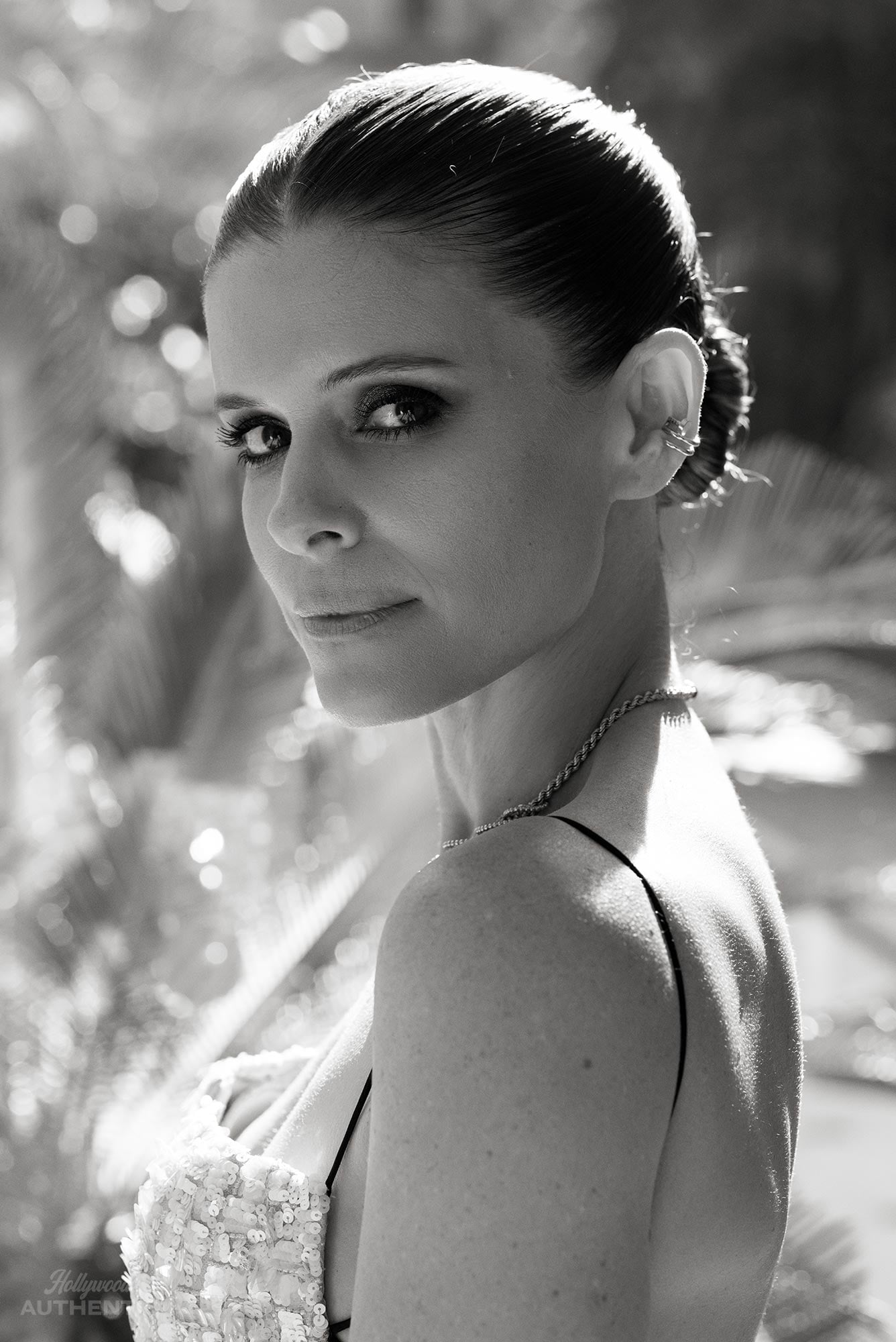
Speaking of husbands, Mara is keen to build on her resume with projects that keep it in the family. ‘I’d love to work with my husband at some point, we both hope that. I’d also love to do Broadway. I moved back to New York a year ago and that’s something that I’ve been trying to figure out as well. I just hope that I keep getting the opportunity to work with great filmmakers and great actors…’
Photographs by GREG WILLIAMS
Interview by JANE CROWTHER
Hair by JERROD ROBERTS
Makeup by RUTH FERNANDEZ
Kate wears Armani Prive
Jewels by Cartier
Bucking Fastard premiered at the 83rd Venice Film Festival
Read our review here