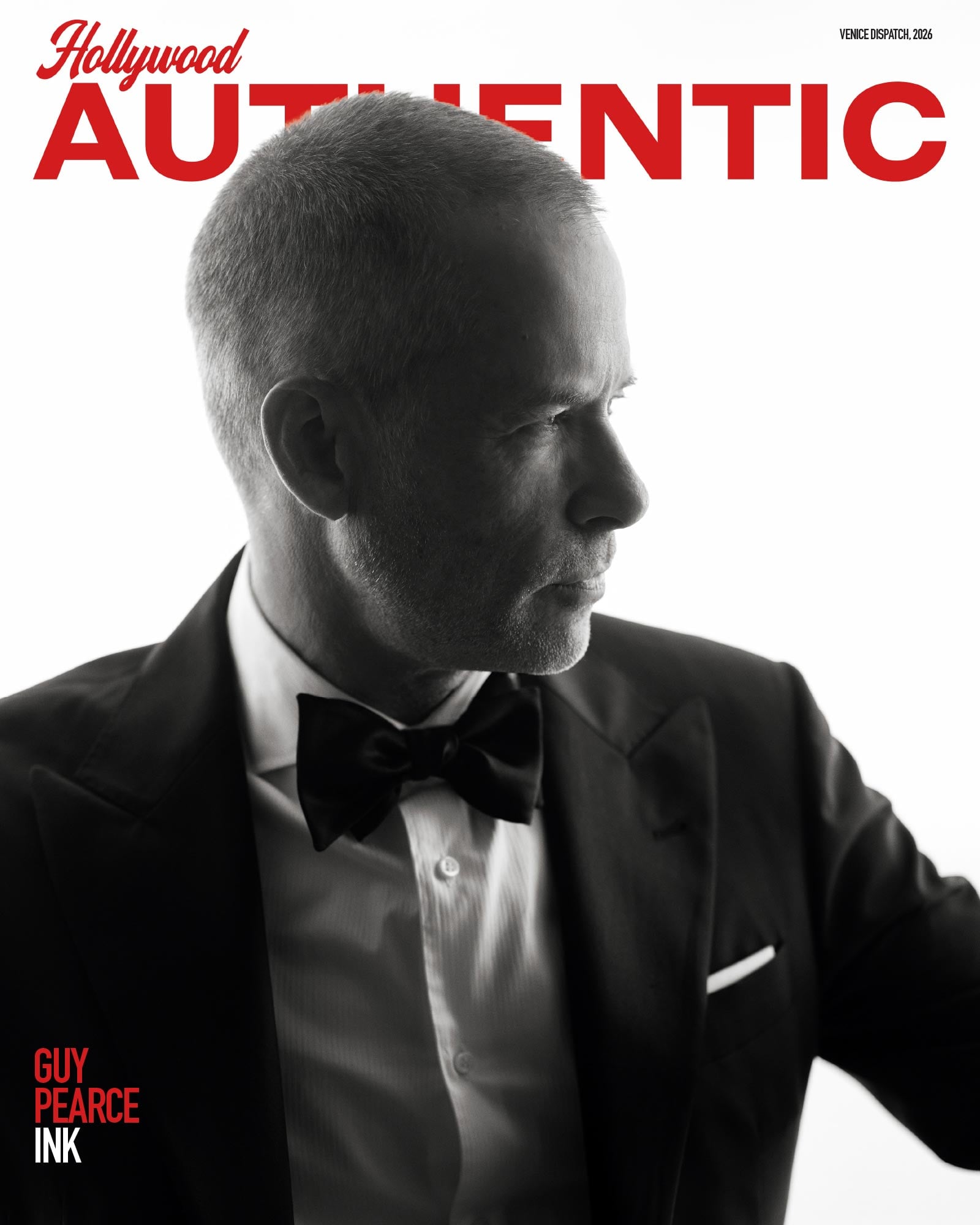




VENICE DISPATCH
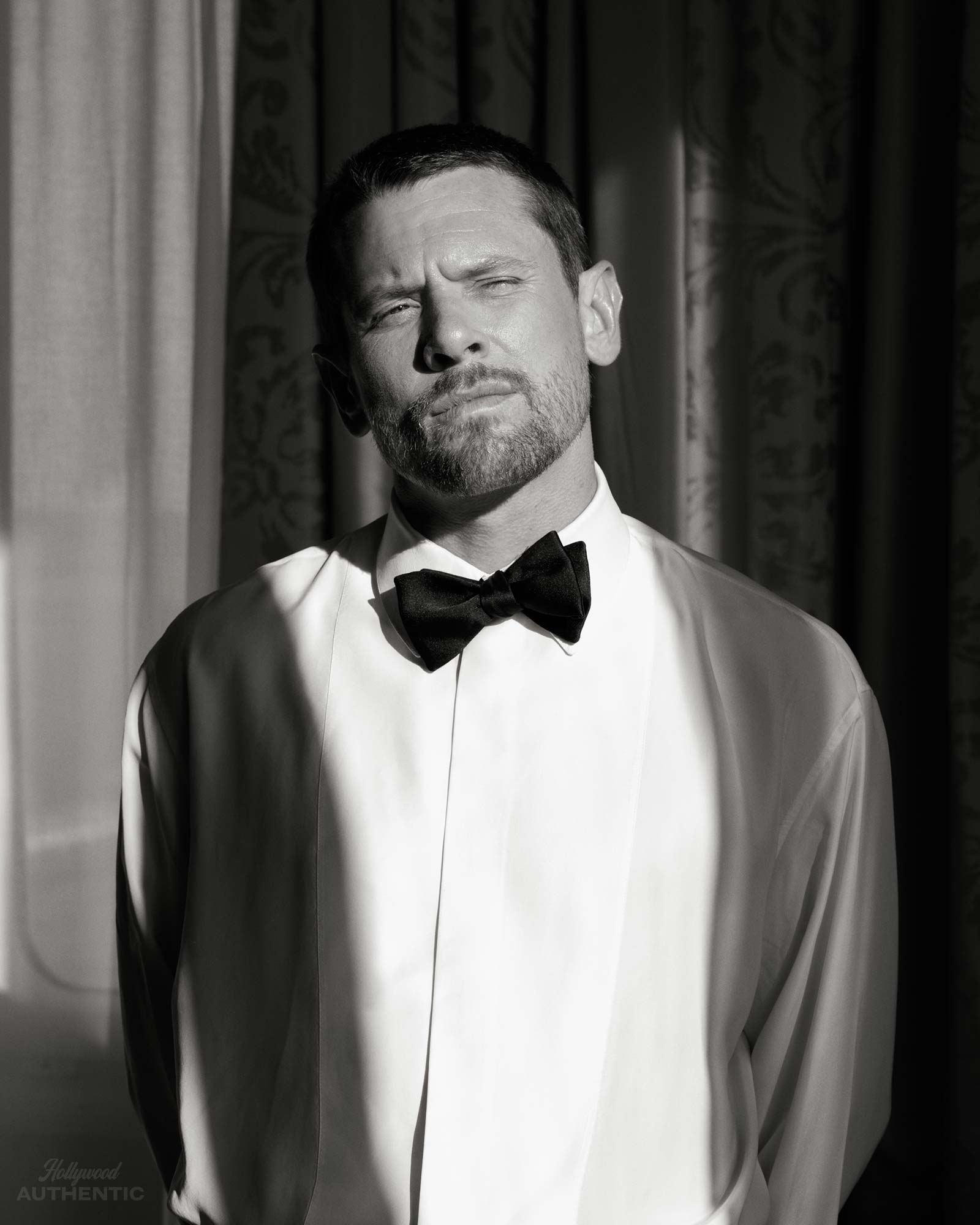
Photographs by GREG WILLIAMS
Interview by JANE CROWTHER
The Ink actor tells Hollywood Authentic about the art of print, the sexism that women continue to fight and how she surrenders herself to opportunity in film.

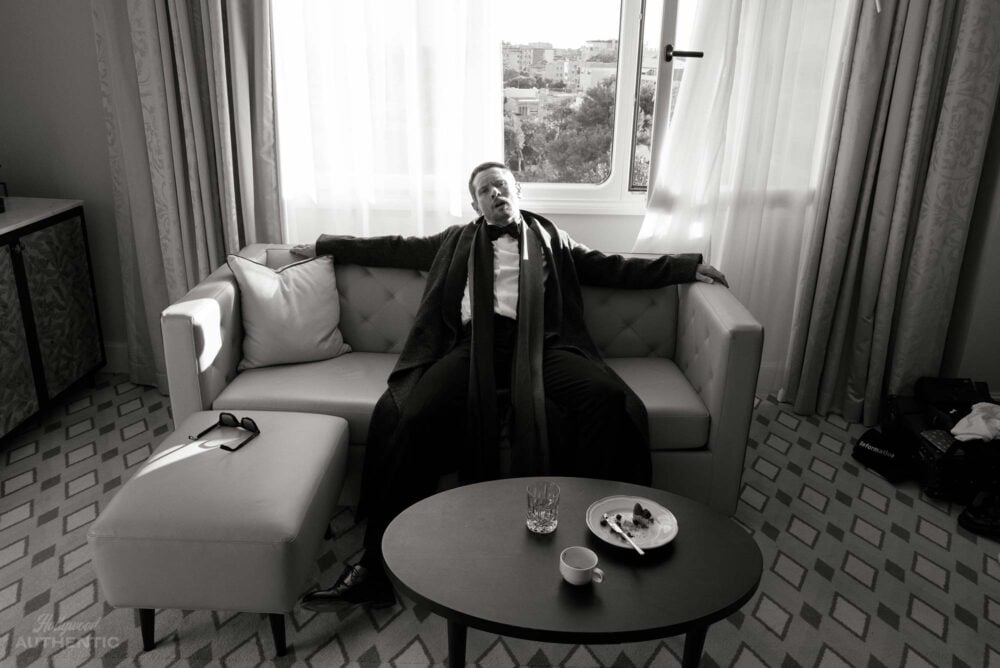
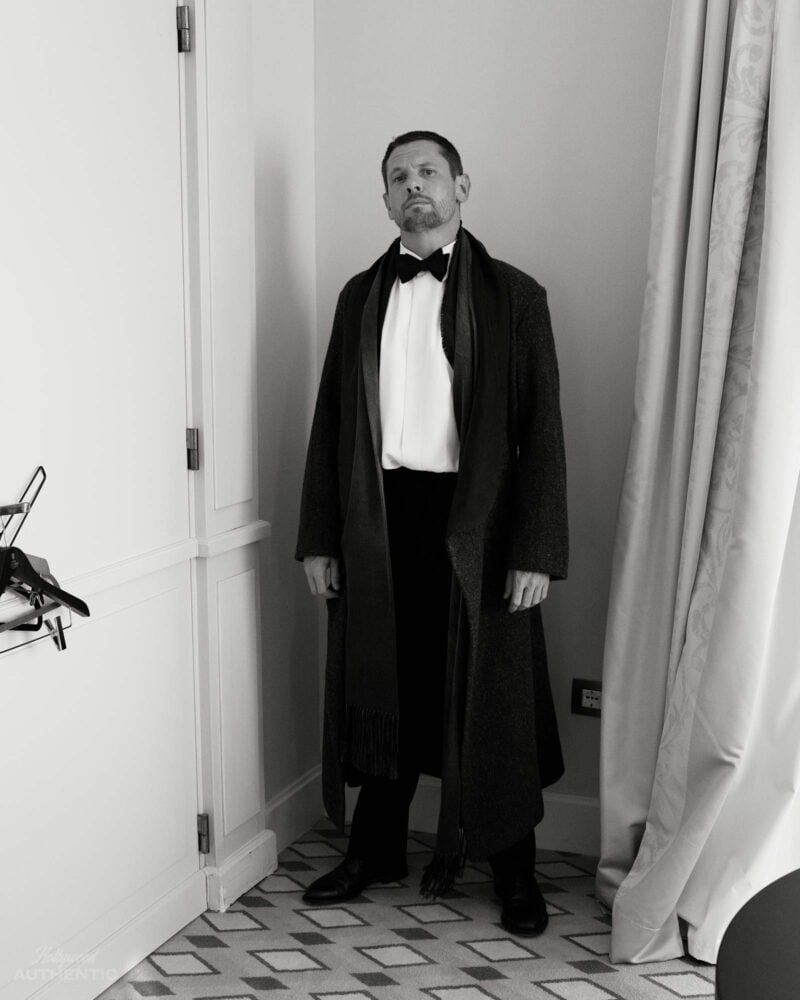
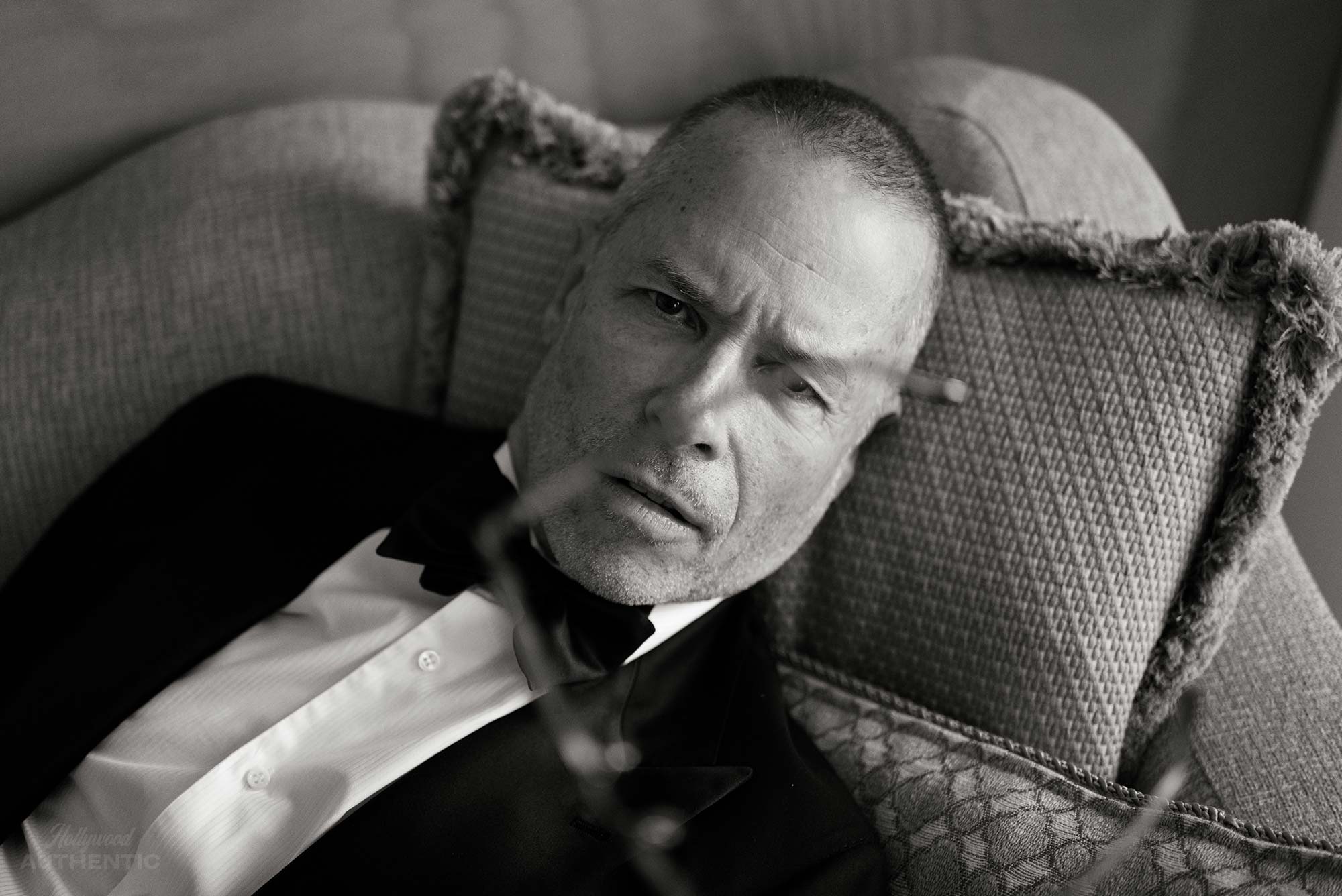
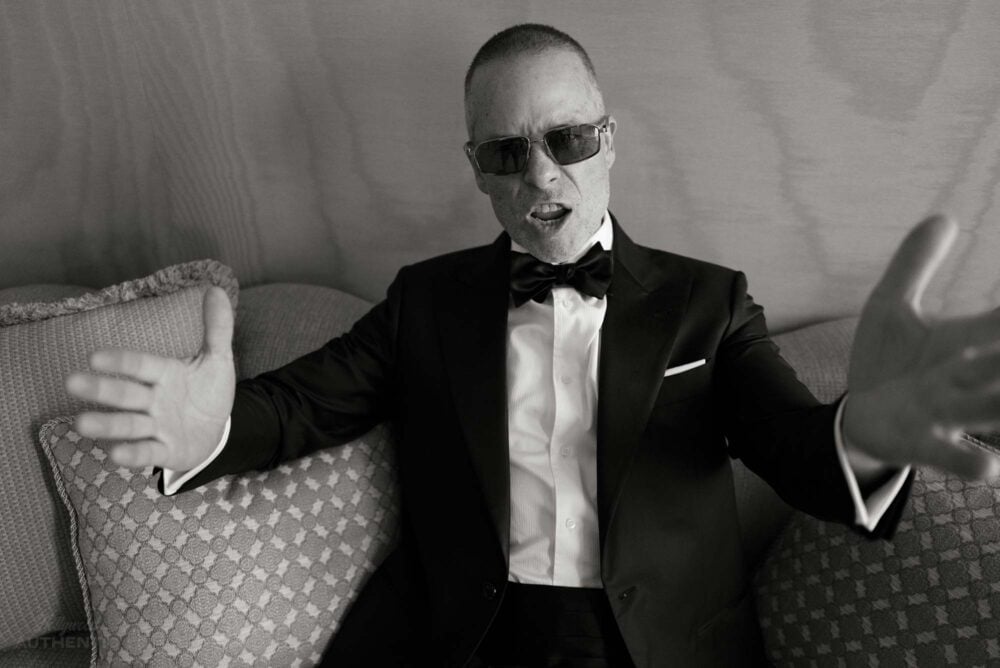
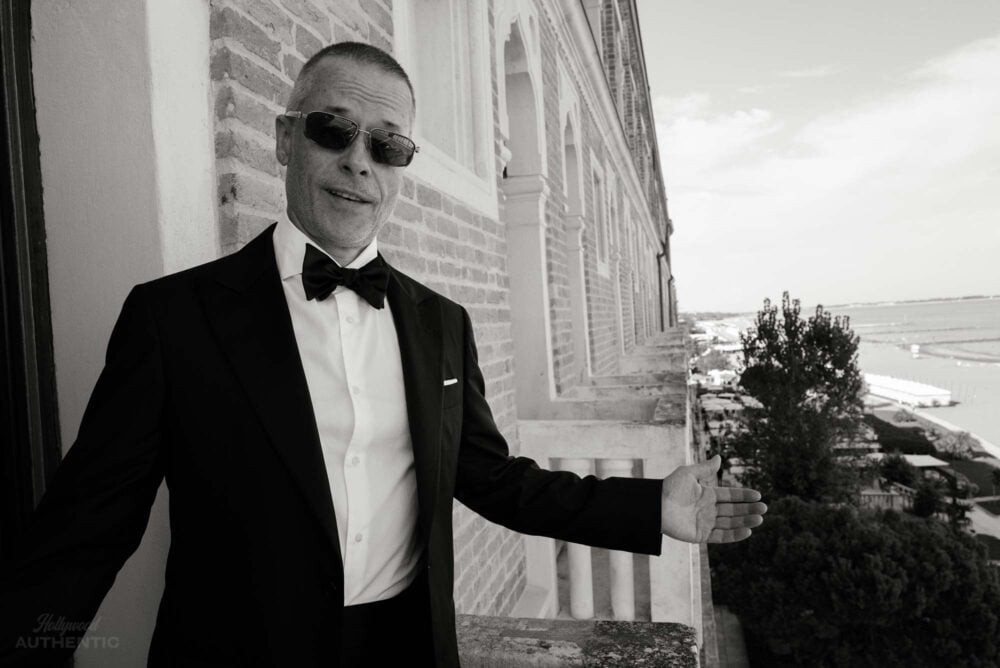
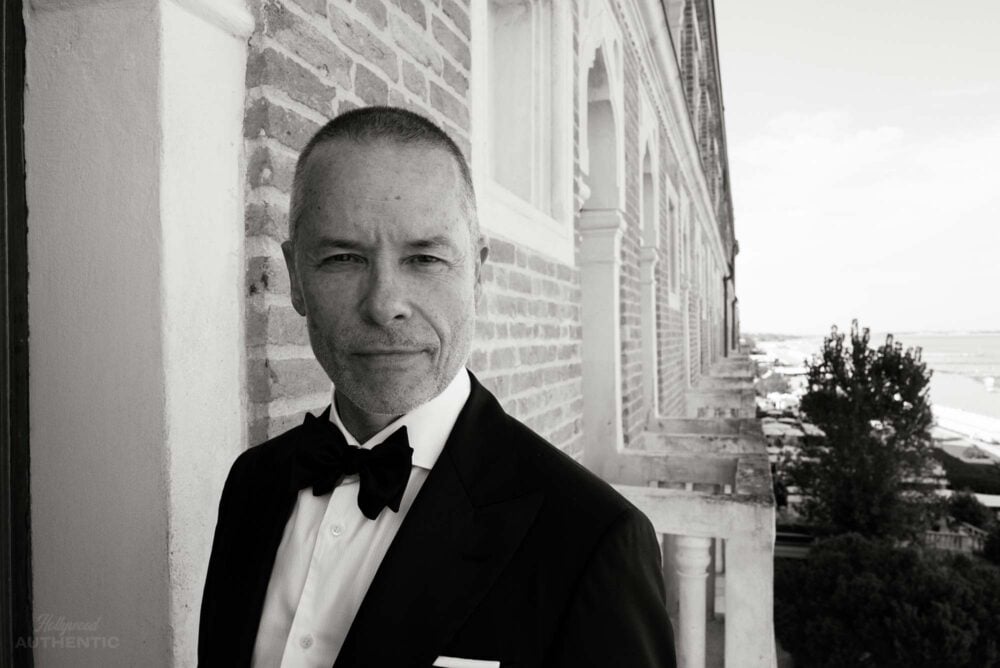
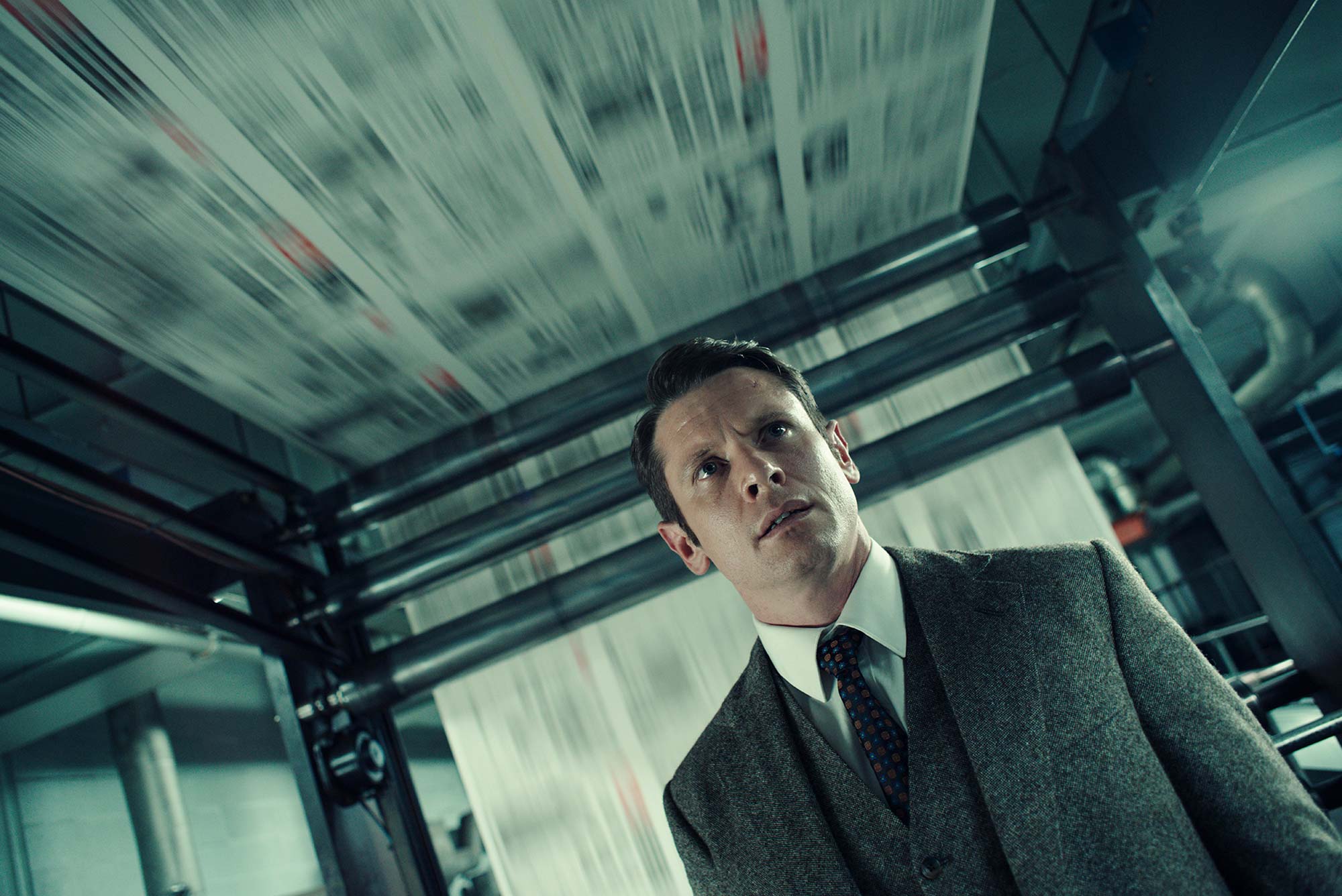
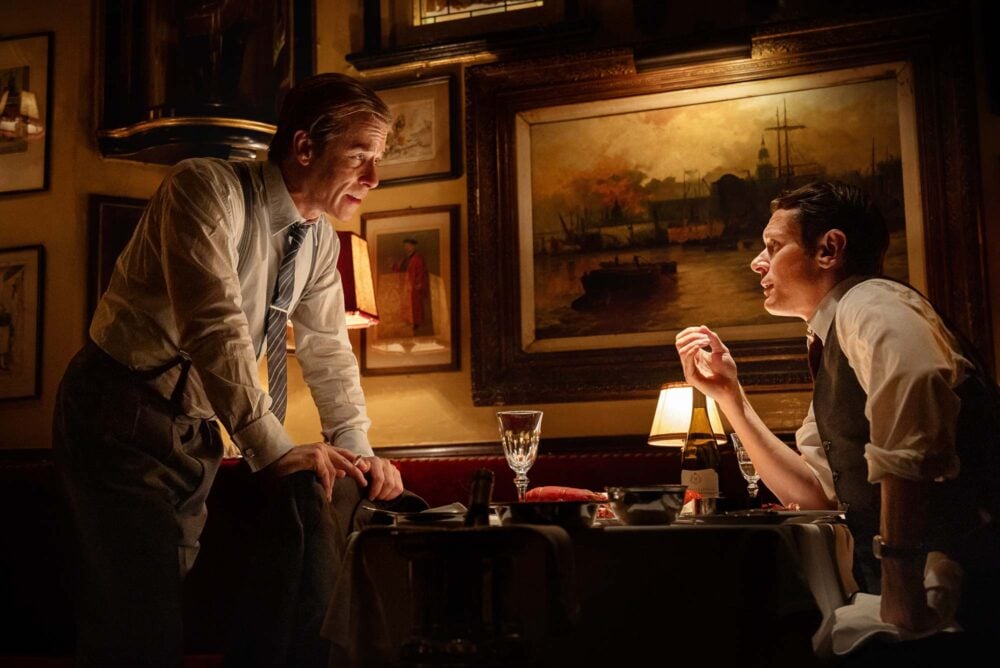
Danny Boyle’s Ink, the opening film of Venice Film Festival this year, is very much about boys’ clubs. The elite, London-centric Fleet Street establishment, the male-dominated newsrooms of the ’60s, the way then-fledgling tabloid The Sun newspaper used female flesh to sell copies. In the middle of the story of proprietor Rupert Murdoch (Guy Pearce) and gonzo editor Larry Lamb (Jack O’Connell) is Jules, a composite character based on a number of female journalists at the time, played by Claire Foy.

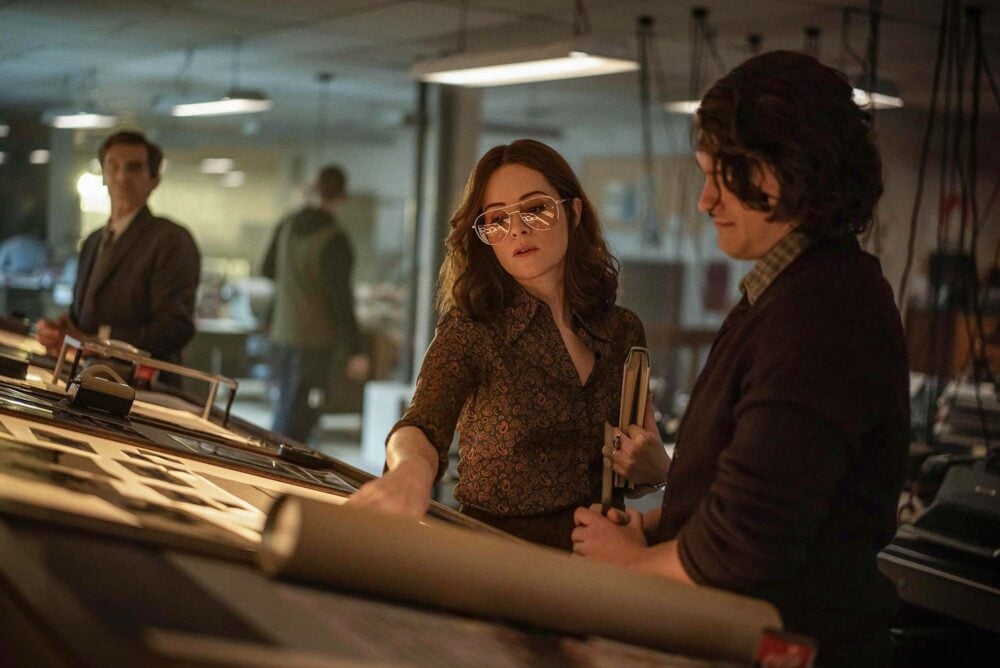
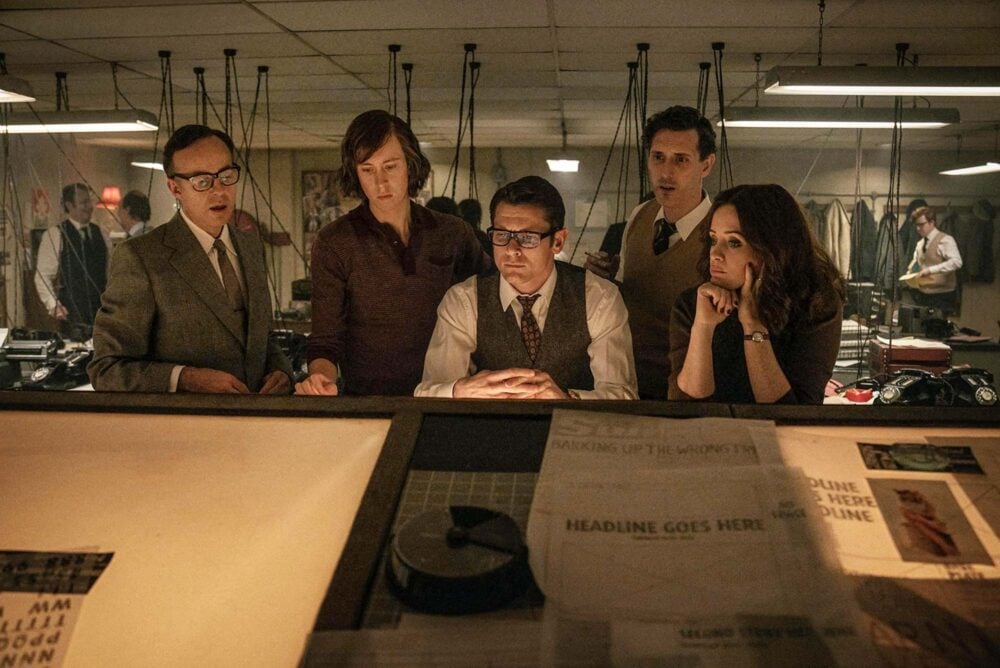
‘Obviously lots of the people in the film are based on real, living journalists, and Jules wasn’t,’ Foy tells Hollywood Authentic on her flying visit to the Lido for the red carpet premiere of the film. ‘My job was to draw on experiences of women in editorial positions in 1969 in Fleet Street. So I read lots of accounts like Julie Welch in her book, The Fleet Street Girls, and I spoke to Eve Pollard, and just tried to gather as much information as I possibly could. It was important for me to make sure that I was portraying those women and their experiences, even if they weren’t actually being depicted.’ As Jules, The Sun’s first Women’s Editor, Foy rocks vintage clothes and gives as good as she gets in a bawdy, macho atmosphere where women are either wives or page three girls. ‘Unfortunately, it’s not much of a reach to imagine that scenario,’ Foy says. ‘Roy Greenslade [sub-editor on The Sun in 1969] came in and spoke to us. We really made sure that the environment, the atmosphere, the energy and what appeared on screen was as accurate as it possibly could be. We observed how the printing press worked, learnt about the delineation of the unions and the journalists, and how crucial that was. The artform of what it was to print a newspaper was extraordinary to see.’

The idea of sexism is not confined to an era or an industry, as Venice jury president Maggie Gyllenhaal pointed out in her opening press conference – film itself is still a male-dominated industry. ‘Jules is an incredibly bright, ambitious, capable, brilliant journalist, and she knows she is. She’s just not afforded the opportunity of exhibiting that. But she is able to grab hold of an opportunity and make the most of it. And I think that in lots of different professional spheres, that’s what women have had to do. Women have had to prove themselves ten times over for many of the positions that they’re in, and work ten times harder to feel the justification for why they’re allowed to be there. You have to work within it and tolerate it.’’

The film also asks audiences to consider their complicity in the tabloid-ification of the media world, even reaching to politics, which Foy thinks is an interesting debate to leave the movie theatre with. ‘It’s a conversation that lots of people are having – where the power lies, and whether the people who are dictating what we absorb and read are really understanding what we want. They just take the numbers, and go, ‘That’s what we should be giving’ without considering whether it’s what anyone wants at all.’ In this respect Ink bucks the trend for movies that are known factors. As an original film based on James Graham’s award-winning play, it’s not a franchise, a reboot or a superhero movie. That, says Foy, is down to the creative spirit and vision of Danny Boyle. ‘What I loved about being with Danny in Venice is that he says what he thinks, what he believes and what he stands for. It’s really refreshing to see someone who has the gravitas, the experience, and the authority to be able to be totally himself as a filmmaker. That doesn’t come without having done decades and decades of incredible work, and also challenging himself, and putting himself in different scenarios as a storyteller. We need to support filmmakers like him. This film is funny and entertaining but it’s also a film of our times.’

Foy went straight from the Venice red carpet to starting work on her next project, Lenny Abrahamson’s eight-part adap of David Nicholls’ bestselling book, You Are Here, the story of a midlife romance, co- starring Matthew Macfadyen. She describes herself as ‘very much in the foothills of making it’ but that it is ‘a really beautiful, quiet story’. ‘I just feel really passionate about making things like that, about people who aren’t 20 years old,’ she laughs. ‘Because I’m not anymore.’ She’s also looking to surprise herself with the work she does next. ‘I’m totally surrendered to the industry I’m in. It’s not something I can dictate or control. You just have to go with it, follow your nose and hope that if you go into something with the right intentions, then you’ll have a good time and feel fulfilled. That’s been working well so far…’
Photographs by GREG WILLIAMS
Interview by JANE CROWTHER
Hair by GARETH BROMMELL
Makeup by KELLY CORNWELL
Styling by JONATHAN HUGUET
Claire wears BOTTEGA VENETA
Jewels by SWAROVSKI
Ink premiered at the 83rd Venice Film Festival
Read our review here