



Words by ELEGANCE BRATTON
By Any Means director Elegance Bratton was named one of Variety’s ‘10 Directors To Watch’ – he tells Hollywood Authentic how Martin Scorsese’s mafia classic spoke to him as a New Jersey kid, explores American psyche and helped shape his own career.
GOODFELLAS (1990)
I was 10 years old when I saw Goodfellas in a movie theater. Looking back, I’m amazed anyone sold me a ticket. But I was a classic 1980s latchkey kid, part of a generation that often came home to an empty house and a television that became both companion and babysitter. Movies raised me as much as anyone did. Before Goodfellas, I had already fallen in love with Martin Scorsese through Taxi Driver. I couldn’t have explained why at the time, but Travis Bickle felt familiar. Here was someone who had been forced to become an adult long before he was emotionally prepared. As a kid growing up too fast myself, I recognized something in him. Goodfellas became the next chapter of that recognition. It asked a question that has stayed with me for decades: what happens to children when the adults responsible for raising them fail to show up?
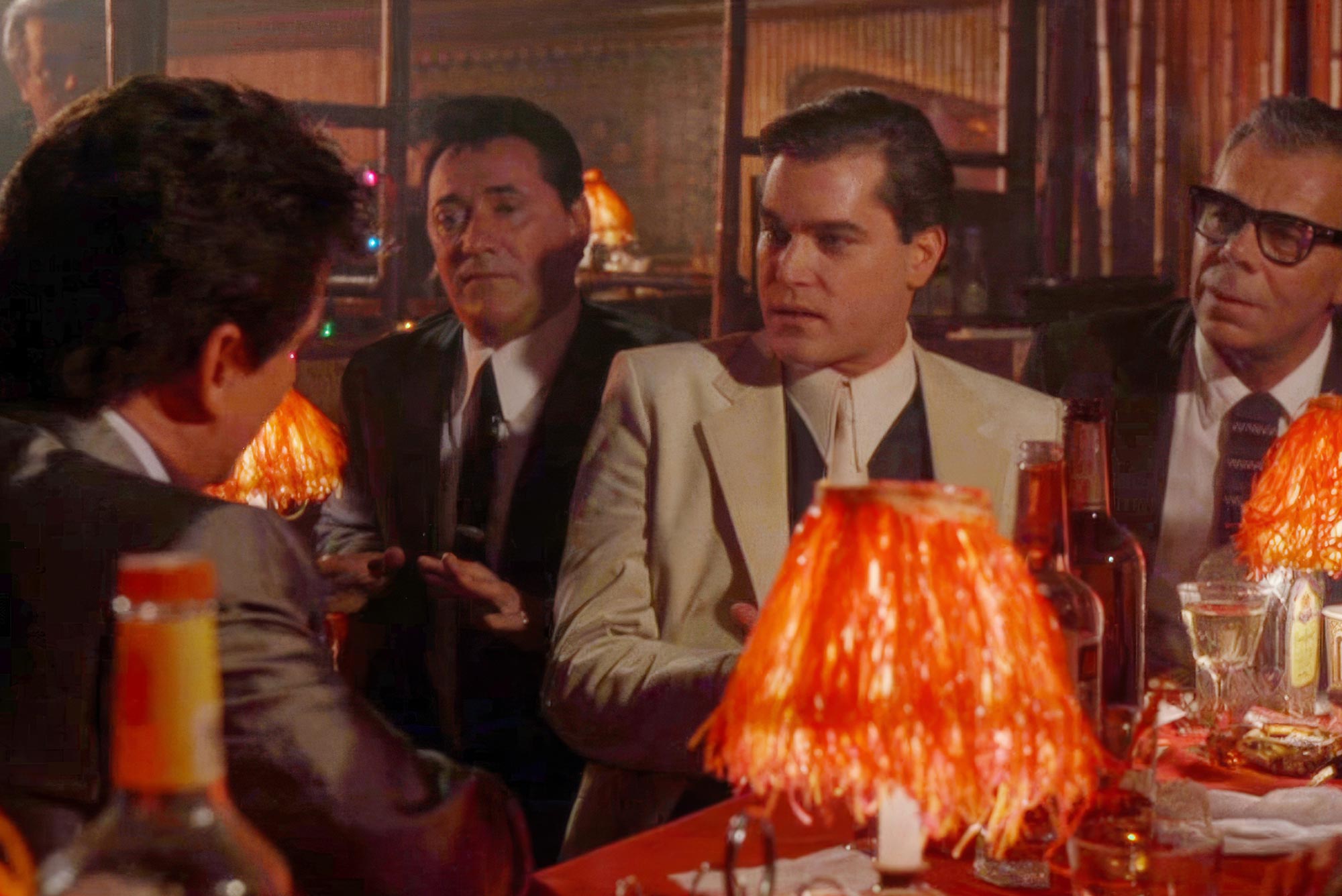
I’ve always thought Goodfellas has been misunderstood as a film about the Mafia. The Mafia is its setting, but not its subject. What Scorsese is really investigating is masculinity—how it is inherited, how it is performed, and how boys become men when the examples placed before them are both intoxicating and deeply broken. Henry Hill’s journey is not simply one of crime or ambition. It is the story of a child looking for a father, and of the terrible things that can happen when the first man to truly see you is also the man most capable of exploiting you.
That idea resonated with me on a deeply personal level. Like Henry, I came from a working-class background. He grew up in a Catholic household; I grew up attending Catholic school. We were raised within institutions that prized discipline but didn’t always know how to nurture vulnerability. Henry’s parents are physically present, but emotionally he is left to fend for himself. The men across the street notice him in a way his own family cannot. They offer him responsibility, attention, purpose, and, perhaps most importantly, the feeling that he matters. Every child wants to be seen. Before we crave success, before we crave money, before we crave power, we crave recognition. Scorsese understands that truth with remarkable precision.
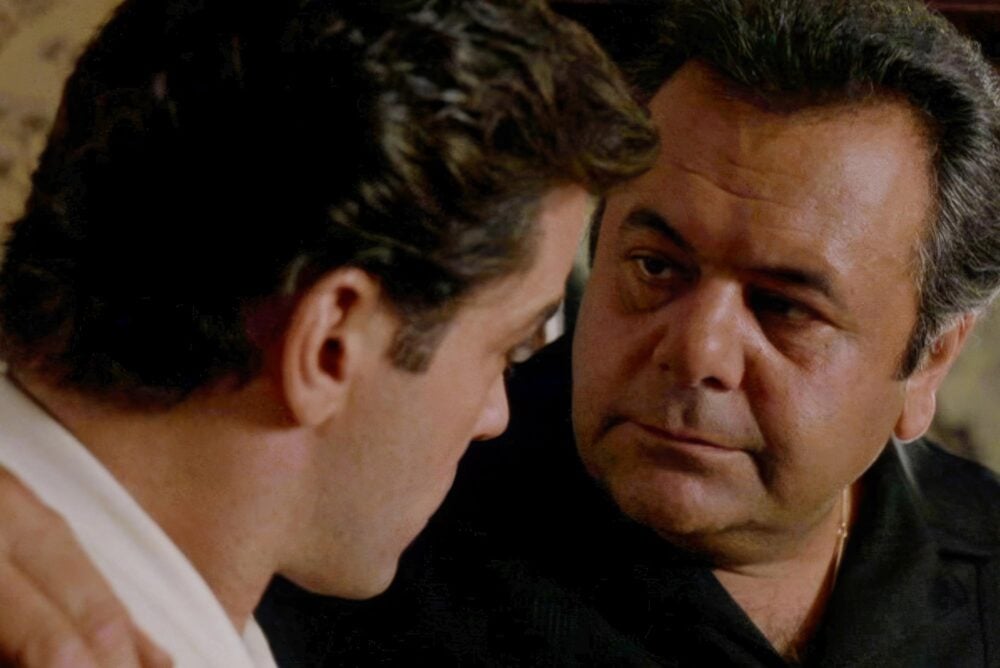
As I’ve gotten older, I’ve become increasingly suspicious of the language we use to describe complicated relationships in movies. We are quick to divide characters into heroes and villains, saviors and monsters, when life is rarely that simple. Paulie is often described as Henry’s surrogate father, and in many ways he is, but that description alone misses the emotional complexity of their relationship. Paulie does not rescue Henry. He recruits him. He recognizes a lonely boy whose need to belong makes him extraordinarily useful. He gives Henry structure, confidence, and a sense of identity, but every one of those gifts comes with conditions attached. Henry mistakes conditional acceptance for unconditional love, and that confusion becomes the emotional engine of the film. Children who grow up unseen rarely ask whether someone deserves their admiration. They simply cling to the first person who makes them feel visible.
That is one of the reasons Goodfellas continues to feel so contemporary to me. It refuses to simplify the dynamics of power. Scorsese isn’t interested in telling us whether Paulie is good or evil. He is interested in examining the vacuum that allows someone like Paulie to become indispensable. Whenever families, schools, neighborhoods, or institutions fail to raise children, someone else inevitably fills the void. Sometimes that person is a teacher. Sometimes it’s a coach. Sometimes it’s a pastor. Sometimes it’s a gang leader. Sometimes it’s a mob boss. The tragedy lies less in who arrives than in the absence that made their arrival necessary.
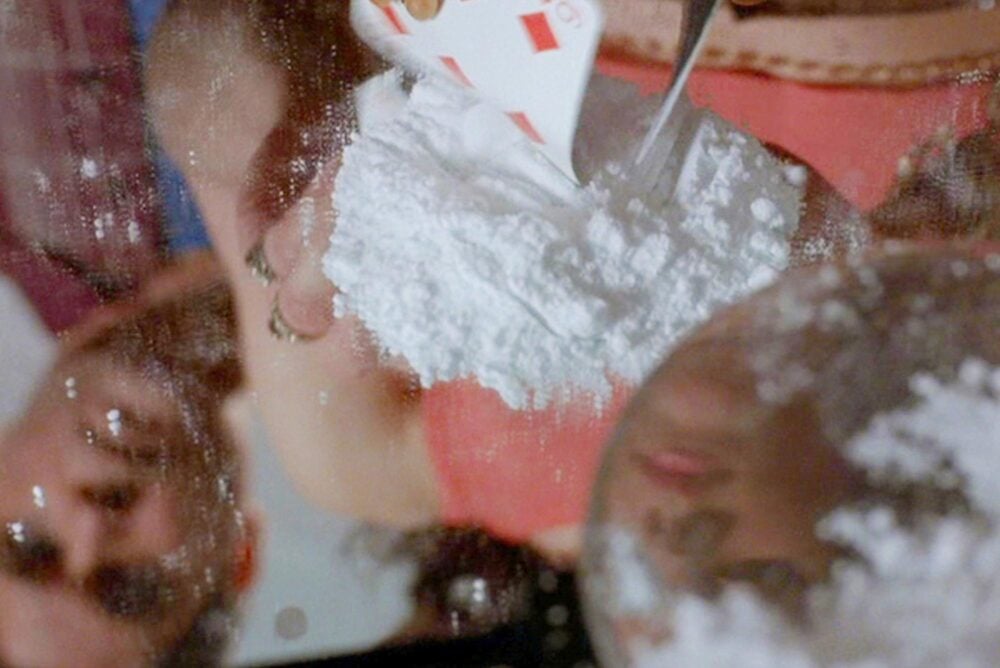
Growing up in New Jersey, I also recognized something profoundly cultural in Goodfellas. It remains one of the few films that captures the emotional rhythm of the place where I grew up. Hollywood often mistakes regional identity for accents or wardrobe, but Scorsese understands something much more elusive. He understands cadence. He understands families that communicate through sarcasm as often as affection, where loyalty is assumed rather than declared, where laughter and violence seem separated by only a single sentence. The overlapping dialogue, the endless teasing, the arguments that somehow become expressions of intimacy—it all felt familiar. Watching Goodfellas wasn’t simply watching another world. It was recognizing pieces of my own.
What strikes me most now, though, are the women. Lorraine Bracco’s Karen Hill is one of the great performances in American cinema because she refuses to become a passive observer of the story. Karen is often described as someone seduced by gangster glamour, but I think Scorsese is making a more complicated observation. Karen is not attracted to violence itself. She is attracted to certainty. Henry moves through the world with absolute confidence. He appears capable of imposing order on chaos. In the infamous scene where he pistol-whips her neighbor, Karen experiences something deeply unsettling. She mistakes domination for protection. Henry mistakes violence for love. Neither understands the difference because both have inherited a culture that teaches power is the surest expression of care.
That may be one of the film’s most enduring insights. Patriarchal systems do not seduce only men. They promise everyone something. Men are promised respect, authority, and purpose. Women are promised safety and stability. The tragedy of Goodfellas is watching those promises slowly dissolve. Karen spends much of the film performing the invisible labor required to sustain Henry’s fantasy of manhood. She raises children while he pursues appetites. She balances the household while he accumulates enemies. She absorbs the emotional consequences of choices she never truly controlled. Scorsese never judges her for staying, nor does he romanticize the life they have built together. Instead, he quietly reveals how exhausting it is to love someone whose understanding of masculinity is built entirely upon performance.
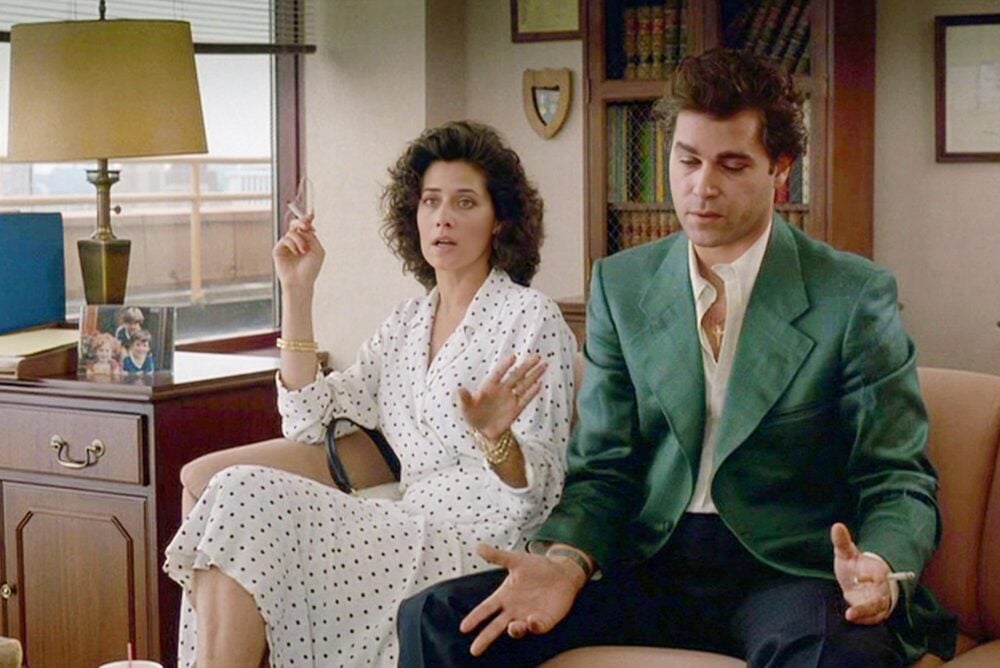
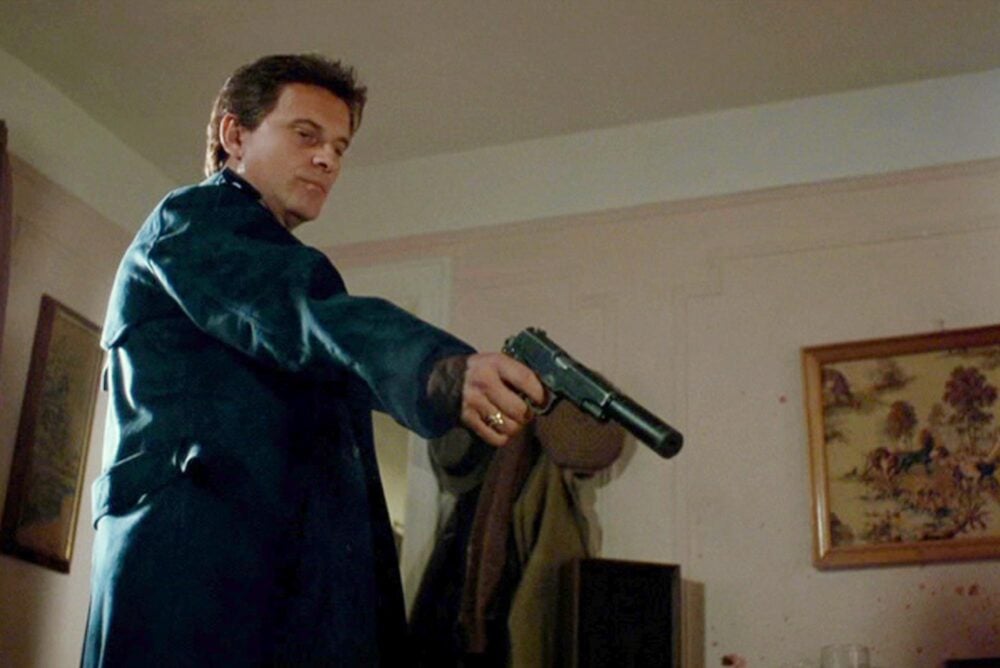
That word—performance—is central to how I understand Goodfellas. Every man in the film is performing an idea of himself. Tommy performs fearlessness. Jimmy performs control. Henry performs confidence long before he actually possesses it. The rituals of masculinity become so elaborate that the men themselves eventually disappear beneath them. By the final act, the codes they believed would protect them have collapsed. Loyalty proves conditional. Brotherhood proves transactional. Father figures prove temporary. The institutions that once promised belonging ultimately consume the people who believed in them most.
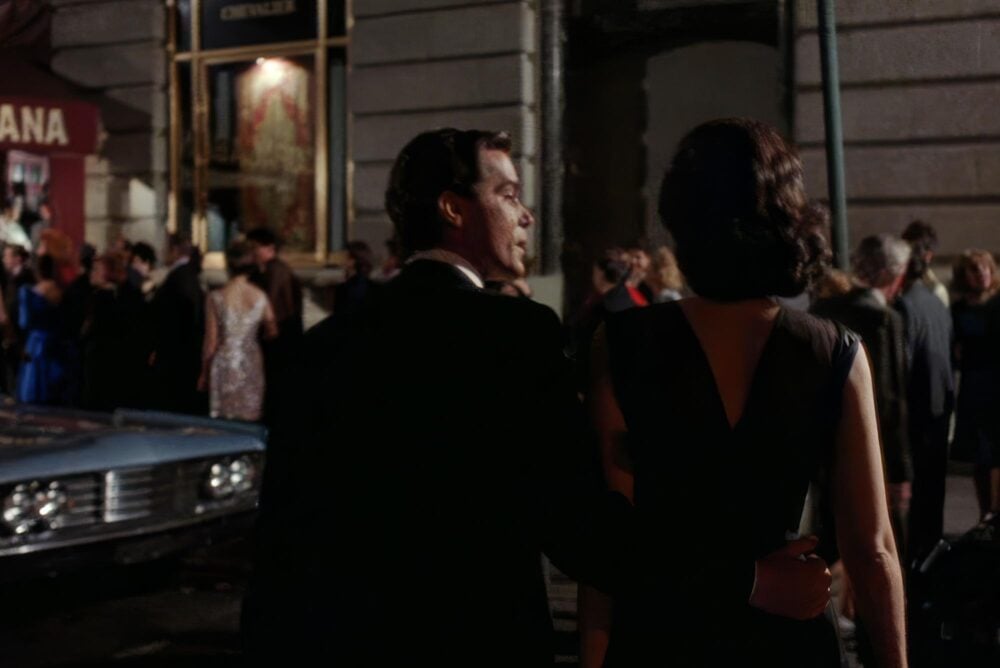
As a filmmaker, I continue to return to Goodfellas because every technical decision serves these larger emotional ideas. Michael Ballhaus’s extraordinary camera movement isn’t simply virtuosity. It allows us to experience seduction. The famous Copacabana tracking shot is remembered because of its complexity, but what makes it unforgettable is that it places us inside Karen’s perspective. We understand exactly why she falls in love with Henry because the camera falls in love with him first. Doors open. Tables materialize. Rules seem to disappear. For a few magical minutes, Henry appears capable of bending the world to his will, and we surrender to that illusion right alongside Karen.
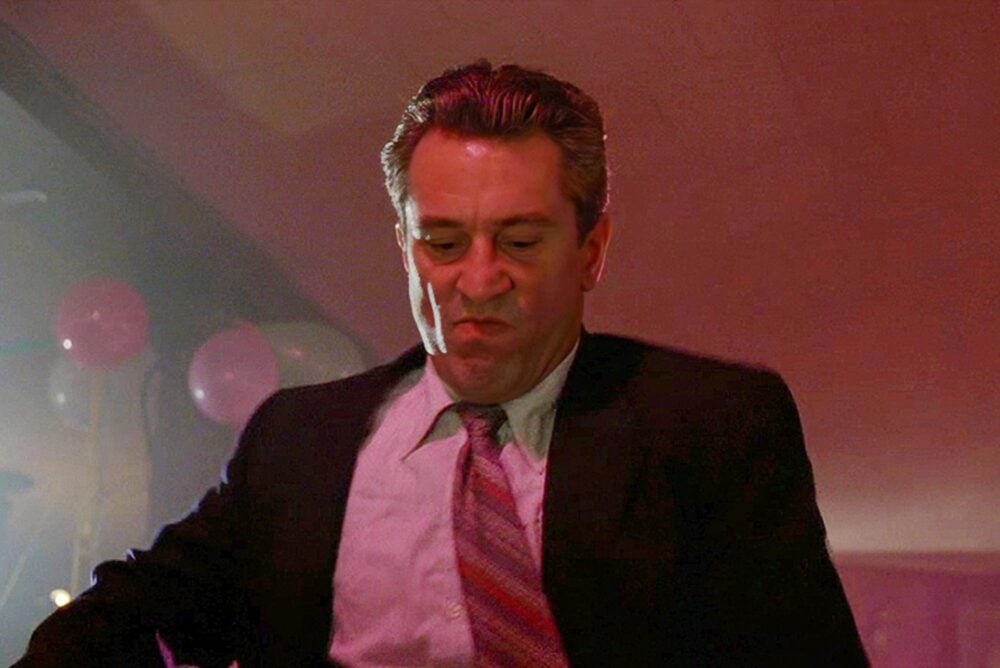
Thelma Schoonmaker’s editing accomplishes something equally remarkable. The rhythms of the film are emotional rather than mechanical. Scenes don’t merely move the plot forward; they reveal Henry’s evolving state of mind. By the cocaine-fueled final day, the editing itself has become an extension of his fractured consciousness. Every cut reflects anxiety. Every transition reflects paranoia. Style and psychology become inseparable. It is filmmaking of the highest order because technique is never allowed to exist independently of character.
What has always distinguished Scorsese, in my eyes, is his compassion. He understands people without excusing them. He refuses to flatten human beings into symbols or moral lessons. The people in Goodfellas are neither saints nor monsters. They are damaged individuals searching for belonging inside an institution that rewards their worst impulses while satisfying their deepest emotional needs. That balance is extraordinarily difficult to achieve. Lesser filmmakers imitate the music cues, the freeze frames, the tracking shots, or the violence. Scorsese understands that none of those things matter unless they illuminate something truthful about the human condition.
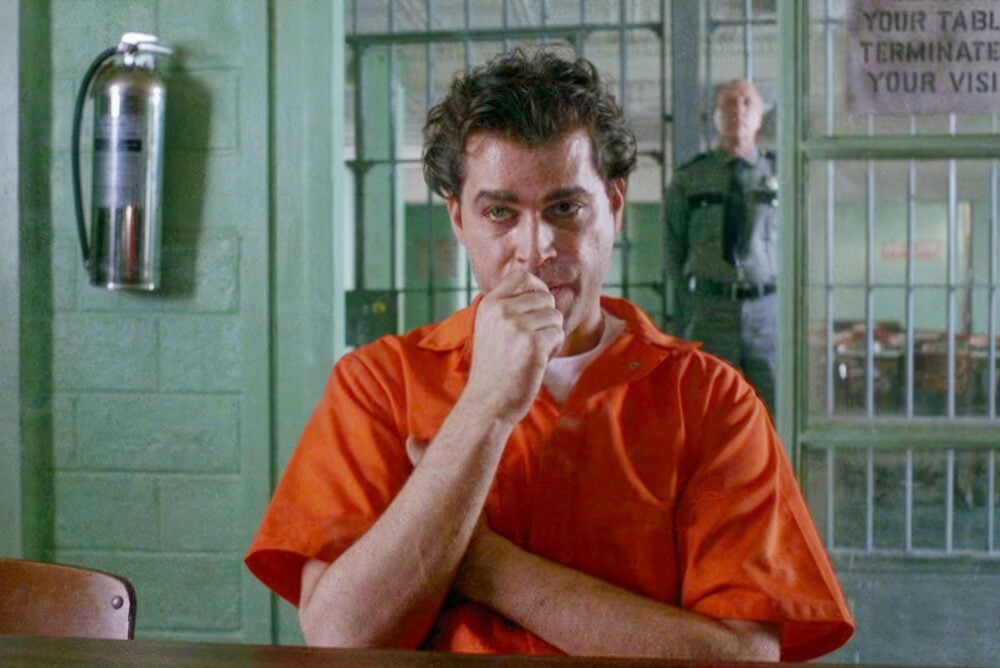
When I was 10 years old, I thought Goodfellas was about gangsters. Today, I understand that it is about America. It is about the stories we tell boys about what makes a man. It is about the institutions that step in when families fall short. It is about the seductive promise that power can heal wounds created by neglect. It is about women carrying the emotional burden of masculine mythology. Above all, it is about the universal desire to be seen and the devastating consequences that follow when the people who finally see us ask us to become someone we were never meant to be.
Thirty-five years after I first sat in that theater, Goodfellas continues to reveal new layers every time I watch it. Few films have explored masculinity with such honesty, or understood so clearly that the most dangerous people in our lives are not always the ones who hate us. Sometimes they are the ones who love us just enough to make us believe we finally belong.
All images © Warner Bros. Pictures
Goodfellas (1990) the original theatrical release
By Any Means is in cinemas 4 September