



Words by JANE CROWTHER
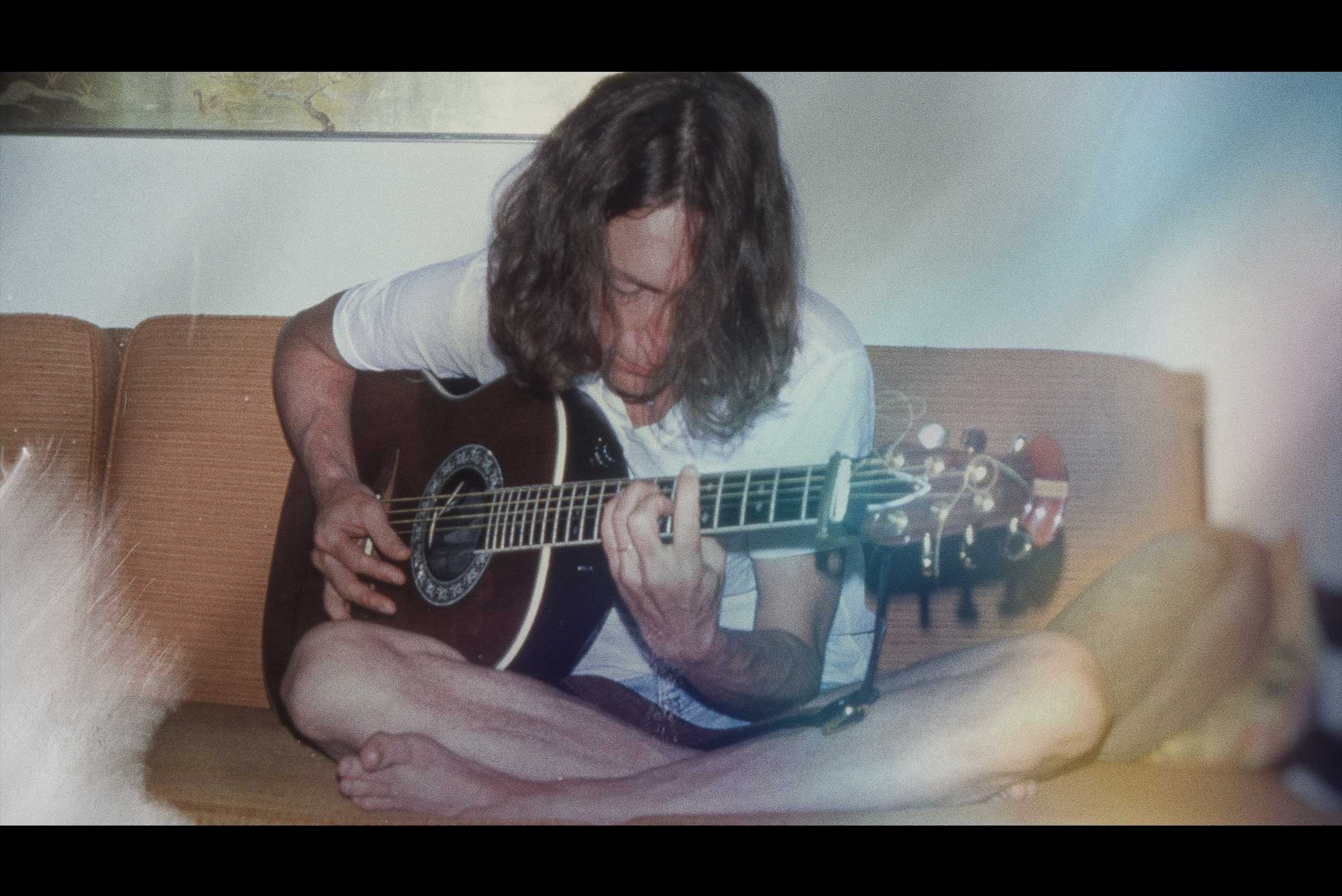
The 8th December 1980 is a grim date for Lennon fans – it’s known that the former Beatle was gunned down by Mark Chapman outside his apartment in New York’s Dakota Building. What is less known is the free-wheeling interview he gave to a radio team from San Francisco in the hours before. Having just made Double Fantasy with his wife, Yoko Ono, after a step back from the spotlight to become a house husband and dad to his son Sean, Lennon was full of renewed creativity and opinions on everything from masculinity, politics and childcare to fame, legacy and artistry. Intro by the team who interviewed Lennon aside, Steven Soderbergh has taken that audio interview and laid it out in all its prescient, charming, time-capsule glory.
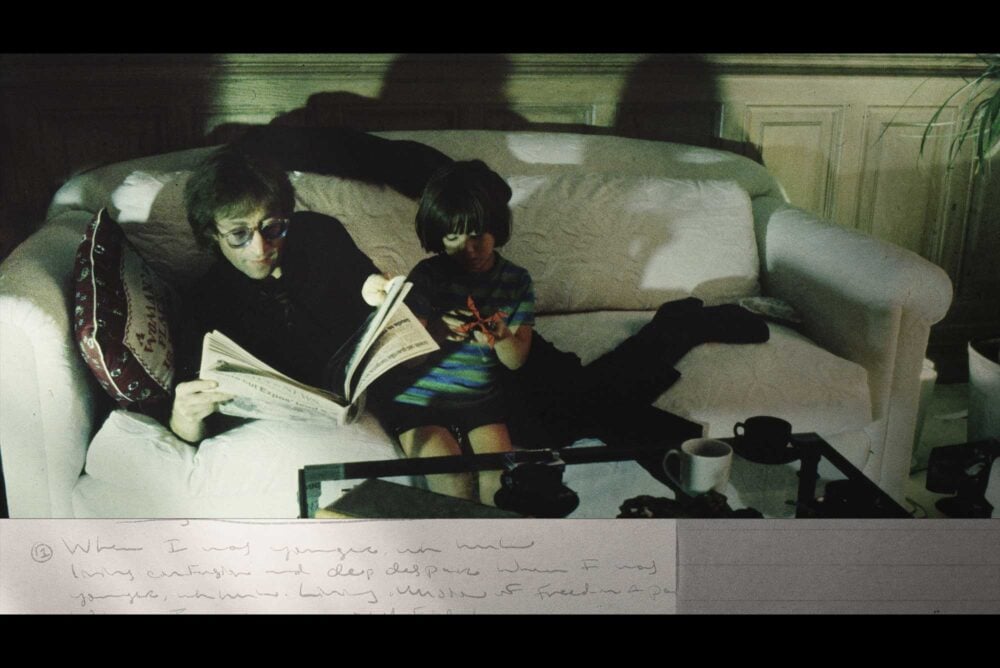
Despite the interviewers being warned that Lennon should not be asked about the Beatles or his past, he’s an open subject – volunteering memories of meeting and gelling with McCartney, delving into his first date with Yoko (‘we didn’t make love’) and discussing his party boy era. It’s unusual to hear such a huge star talk in such an unfiltered and personal way, and feels like a true window into the person behind the personality. Also on the table for discussion: the pro and cons of global fame, the public hatred of Yoko, trying to keep your kid off sugar and marketing, the daily schedule of a creative couple and why celebrities are so inclined to join cults and movements. Intelligent, informed and disarmingly self-aware, Lennon is an entertaining orator and in many ways, ahead of his time in his thoughts on working-from-home, ally-ship, Totalitarian governments and polarised politics.
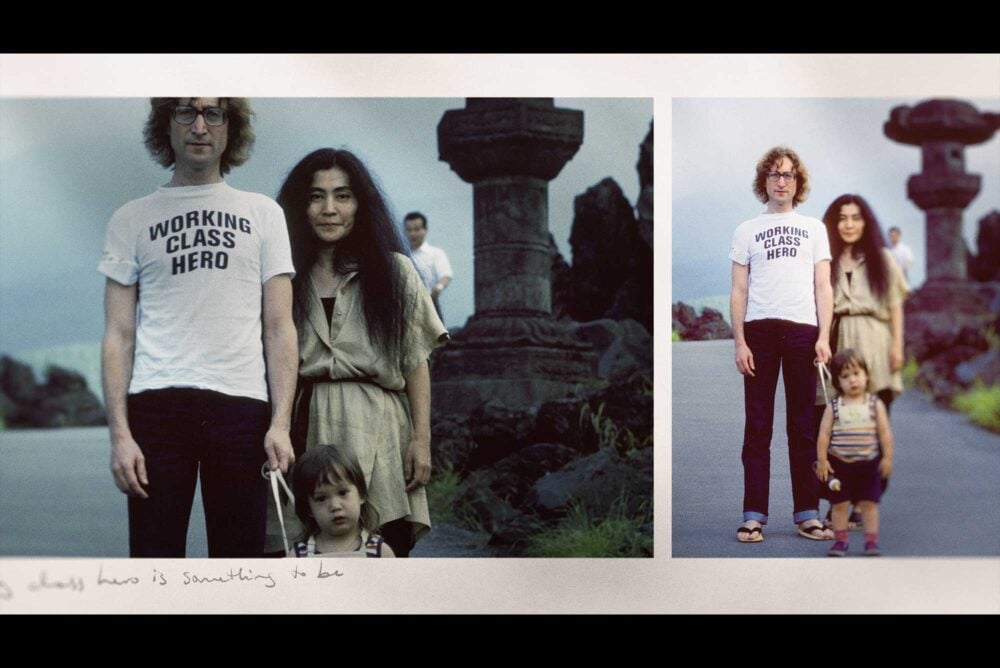
Yoko is equally fascinating, heard at the beginning of the interview but rarely later, despite having insight into a phenomenon that still continues: the particular public punishment of women. It’s clear she and John had a magnetic attraction, understanding and partnership – yet she is sidelined fast, whether by the interviewers at the time or by Soderbergh’s editing. It’s also a shame that the personal photos and footage of both of them run out towards the end of the film to be replaced by AI slop, something it feels likely hand-on creative Lennon would not have been into.
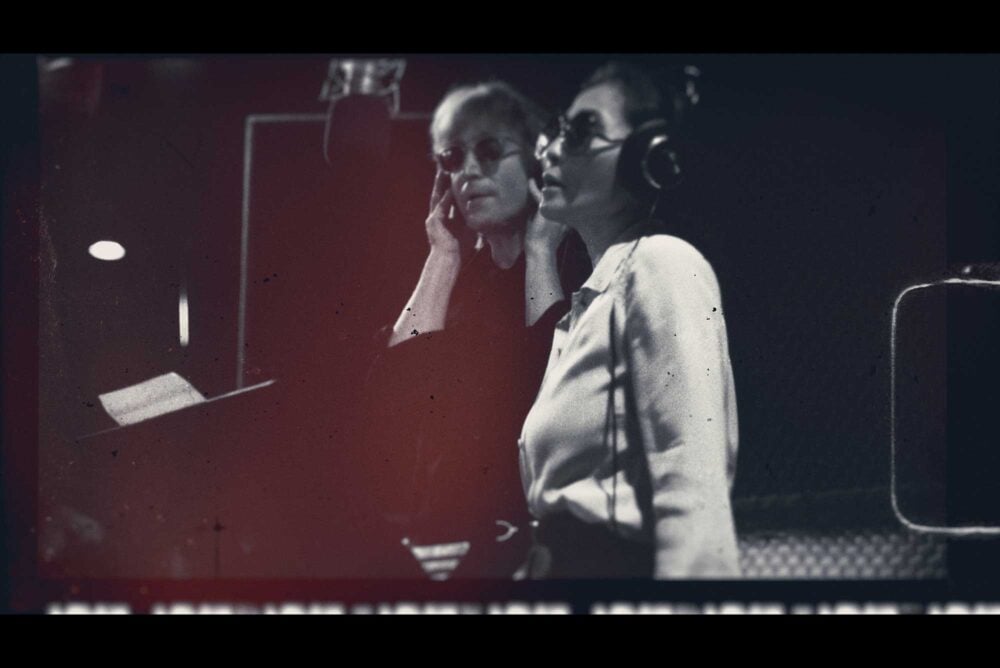
Still, as a film that captures a cultural icon at a crossroads in his life when he felt he was on the cusp of transformation, it’s both sad and celebratory. Lennon had achieved so much before that December morning and felt that he was about to embark on a new phase of prodigious songwriting, instead his potential was extinguished by someone else. It’s a Sliding Doors interview: had he planned a different day after his chat instead of heading out of the door, what might we have seen from him? As a historical record of a mobius strip moment it’s an intrigue.
Words by JANE CROWTHER
Images courtesy of MISHPOOKAH ENTERTAINMENT GROUP
John Lennon: The Last Interview premiered at the 79th Cannes Film Festival