
September 4, 2026

Guy Pearce, Jack O’Connell, Claire Foy, Danny Boyle
Ticket
Guy Pearce, Jack O’Connell, Claire Foy, Danny Boyle

CANNES DISPATCH
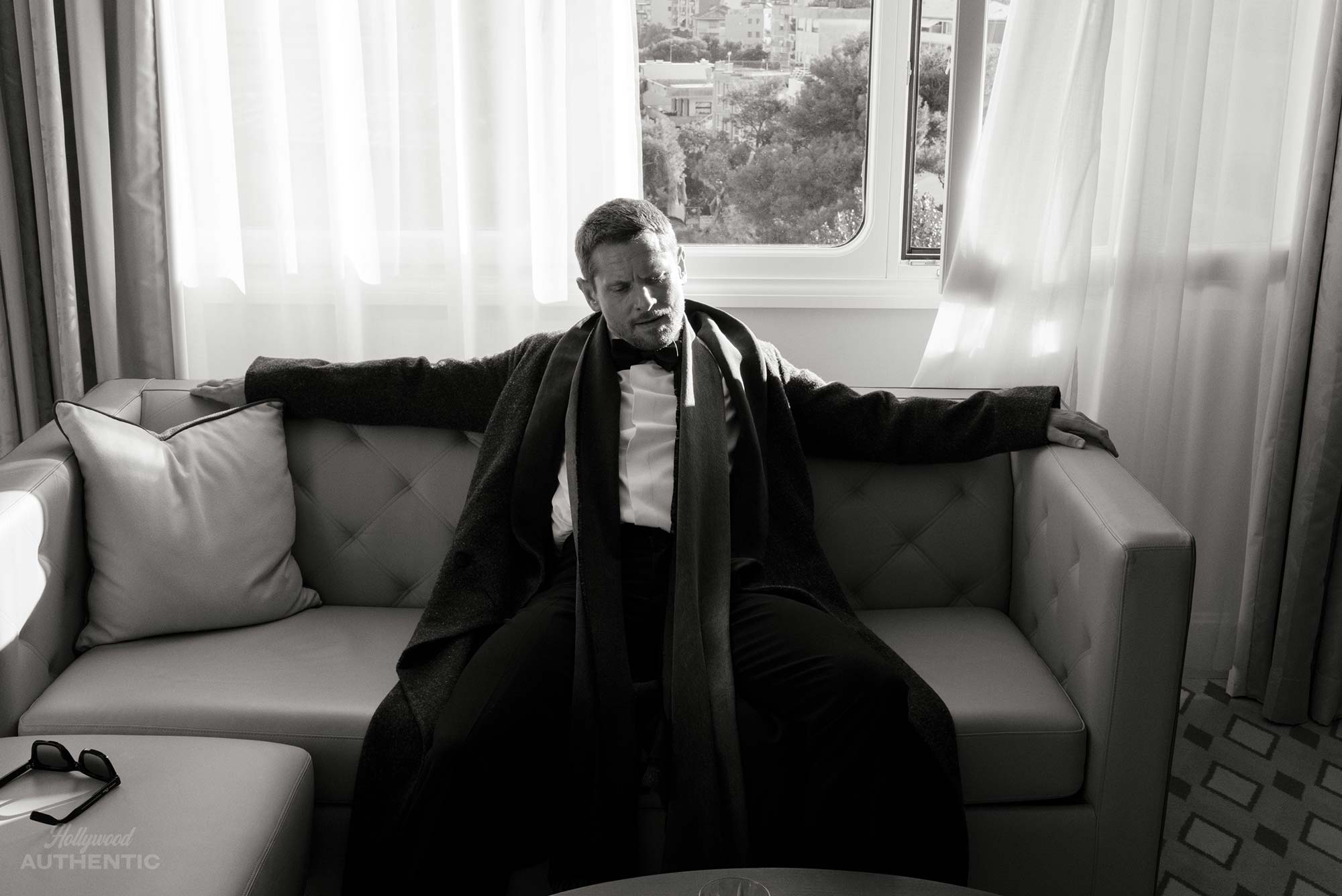
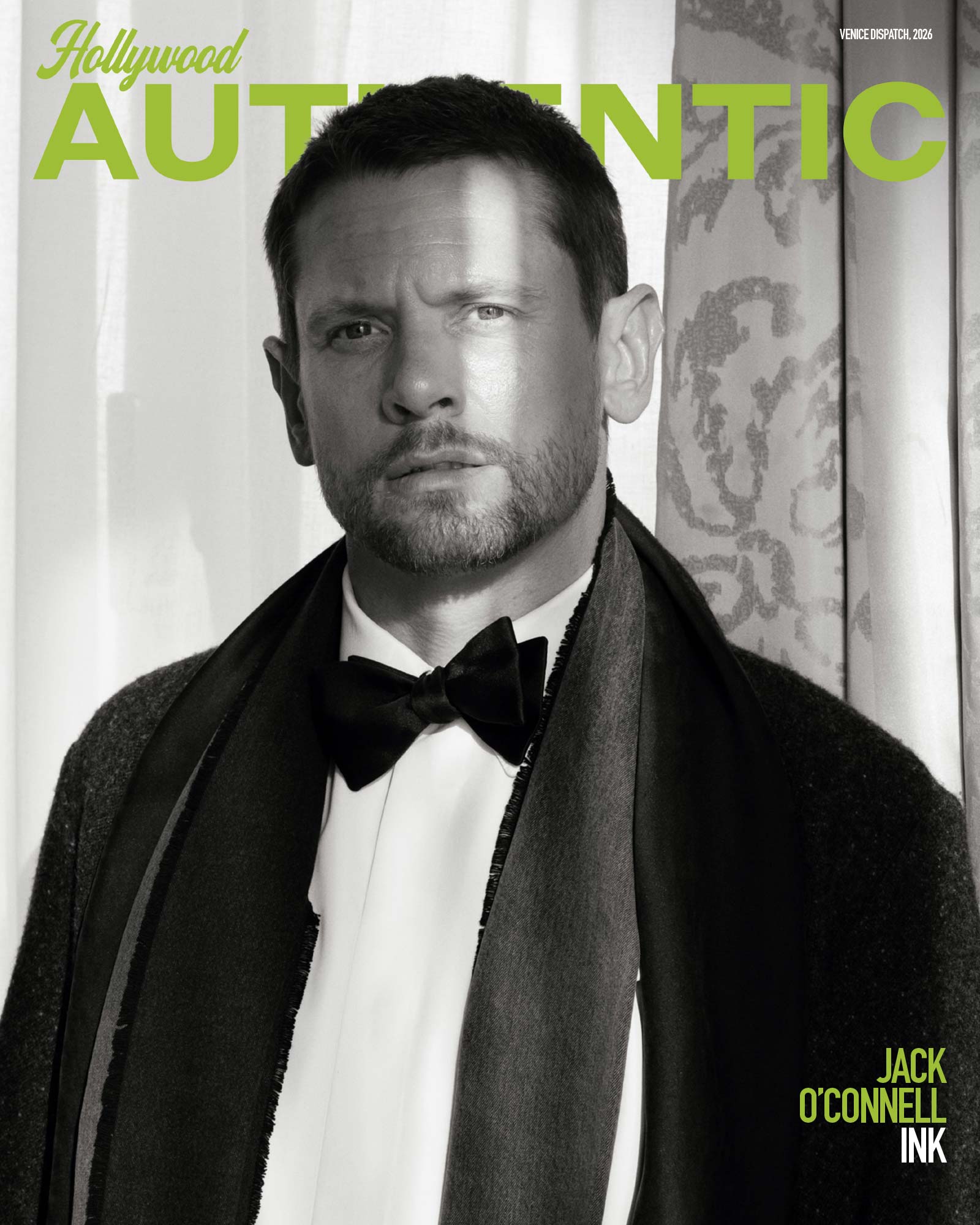
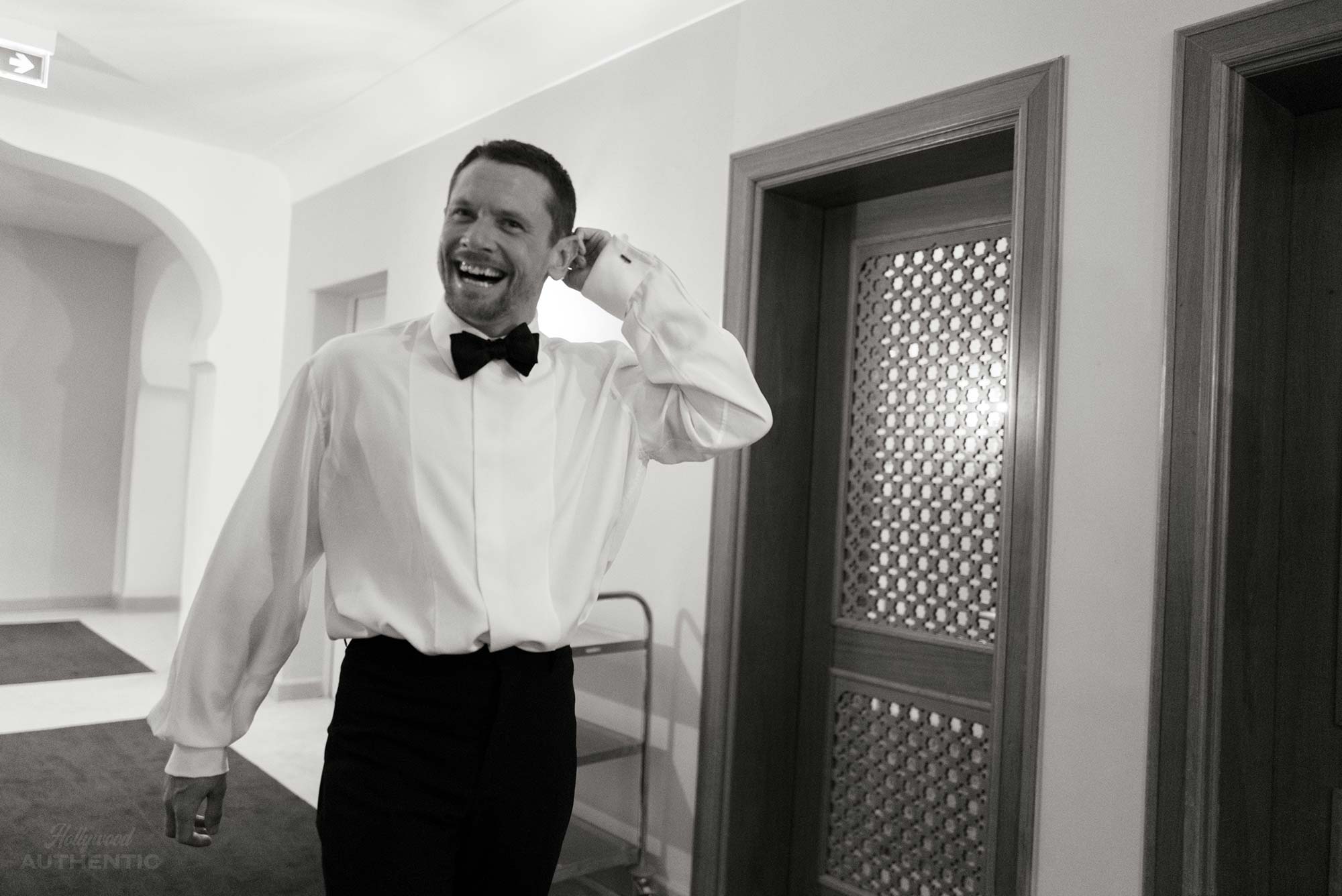
Photographs GREG WILLIAMS
As told to JANE CROWTHER


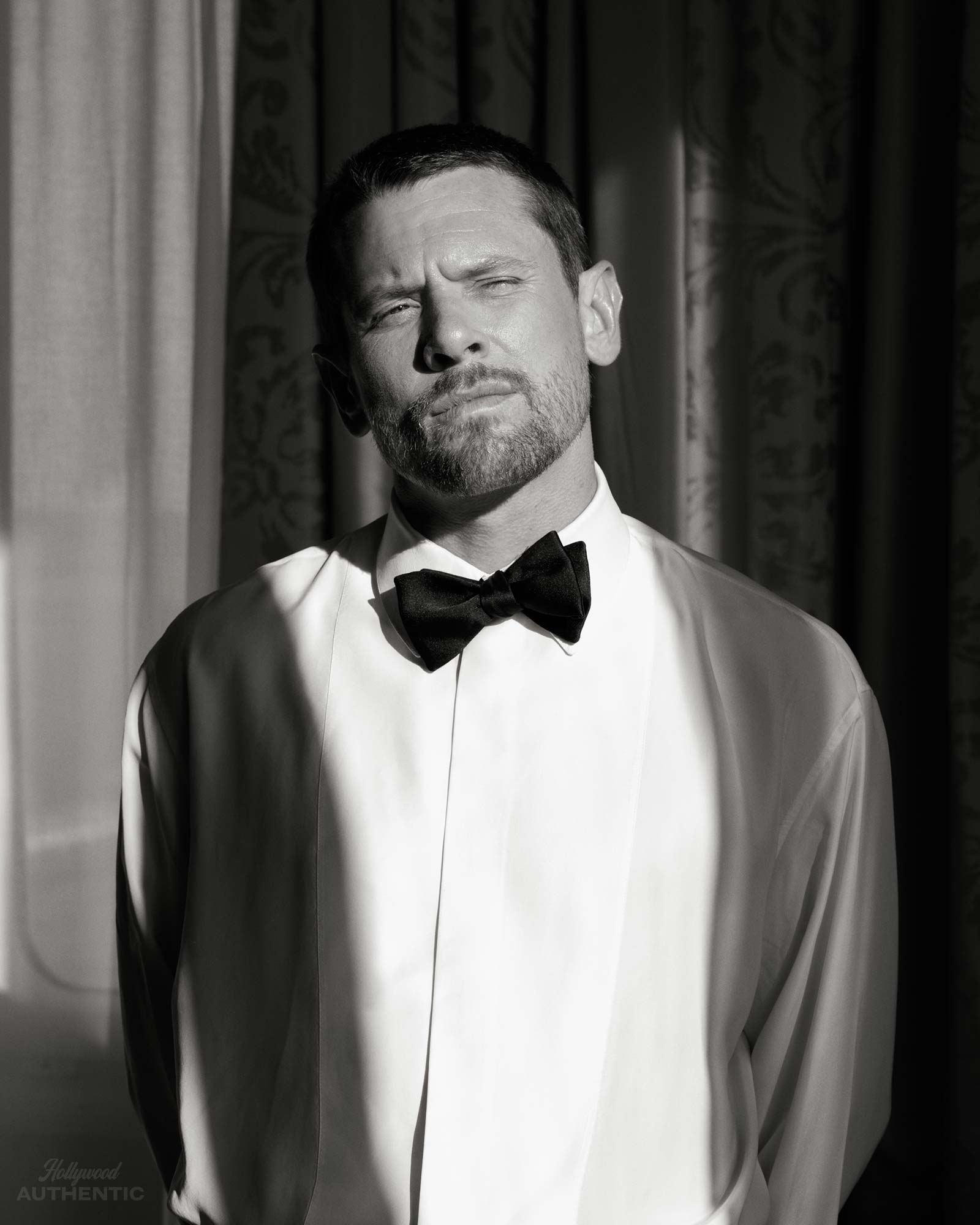
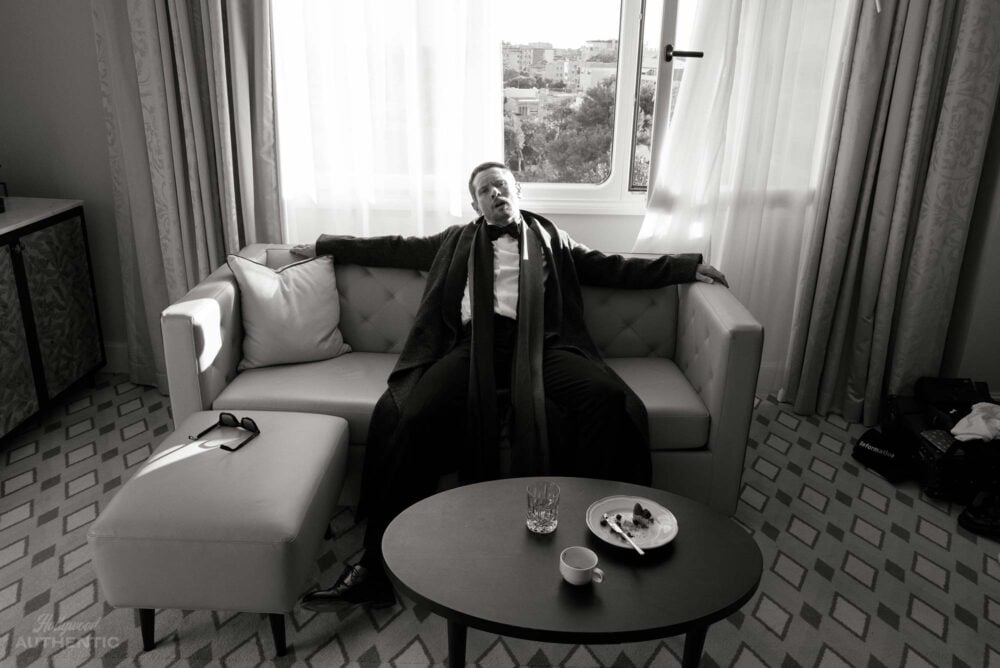
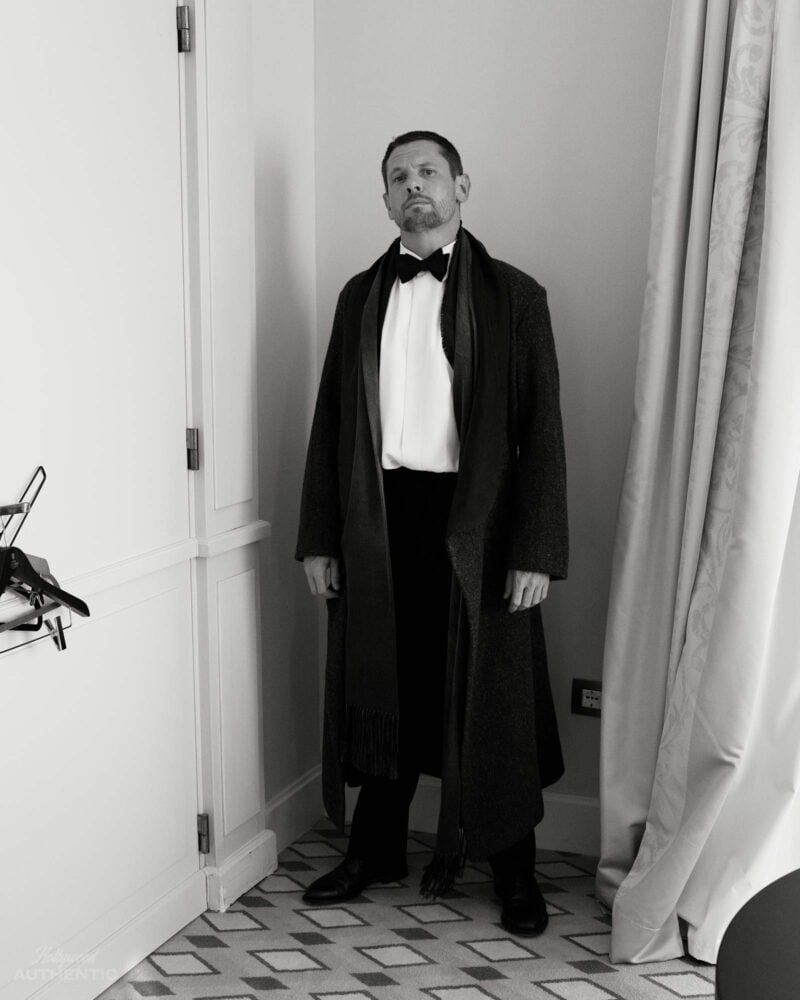
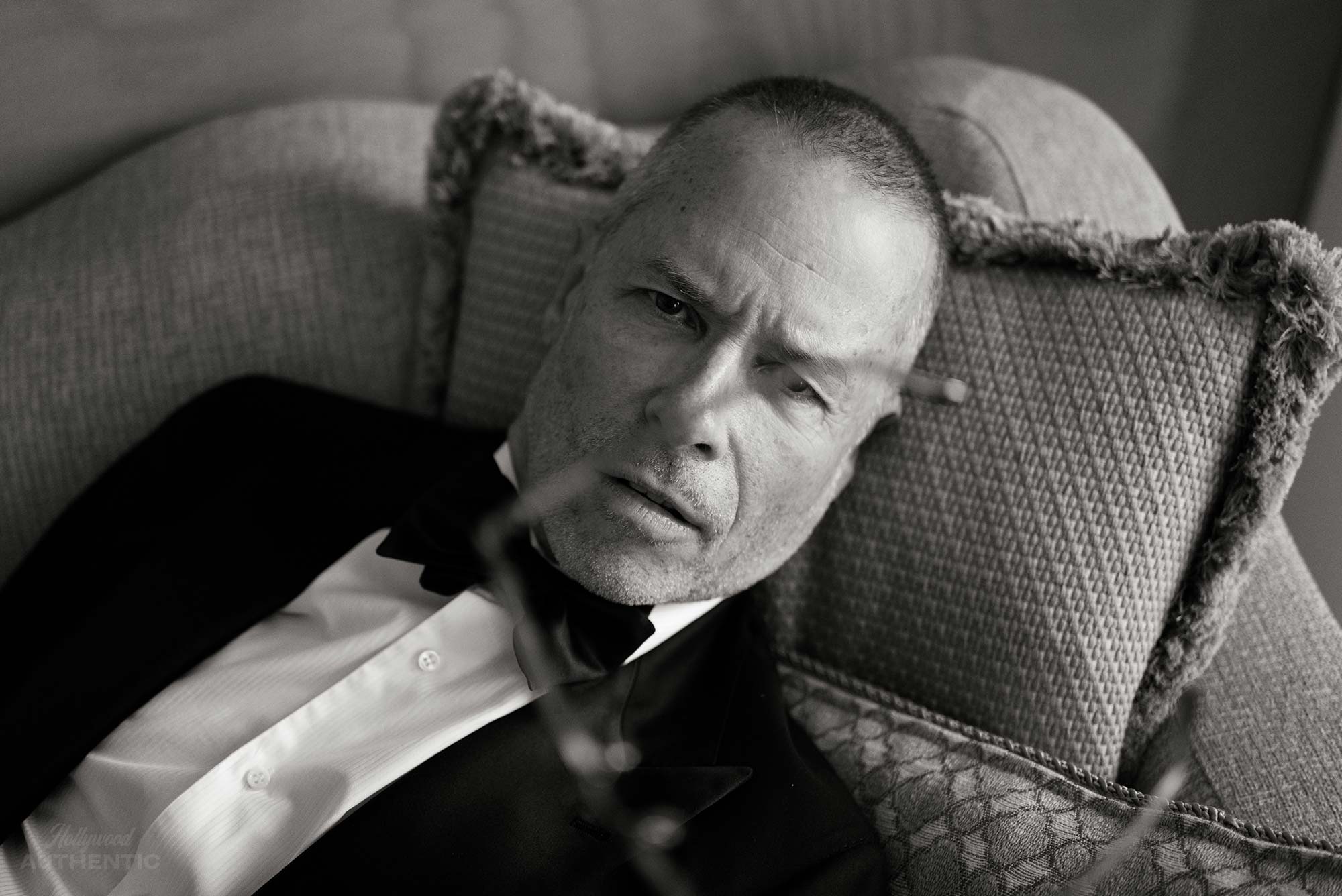
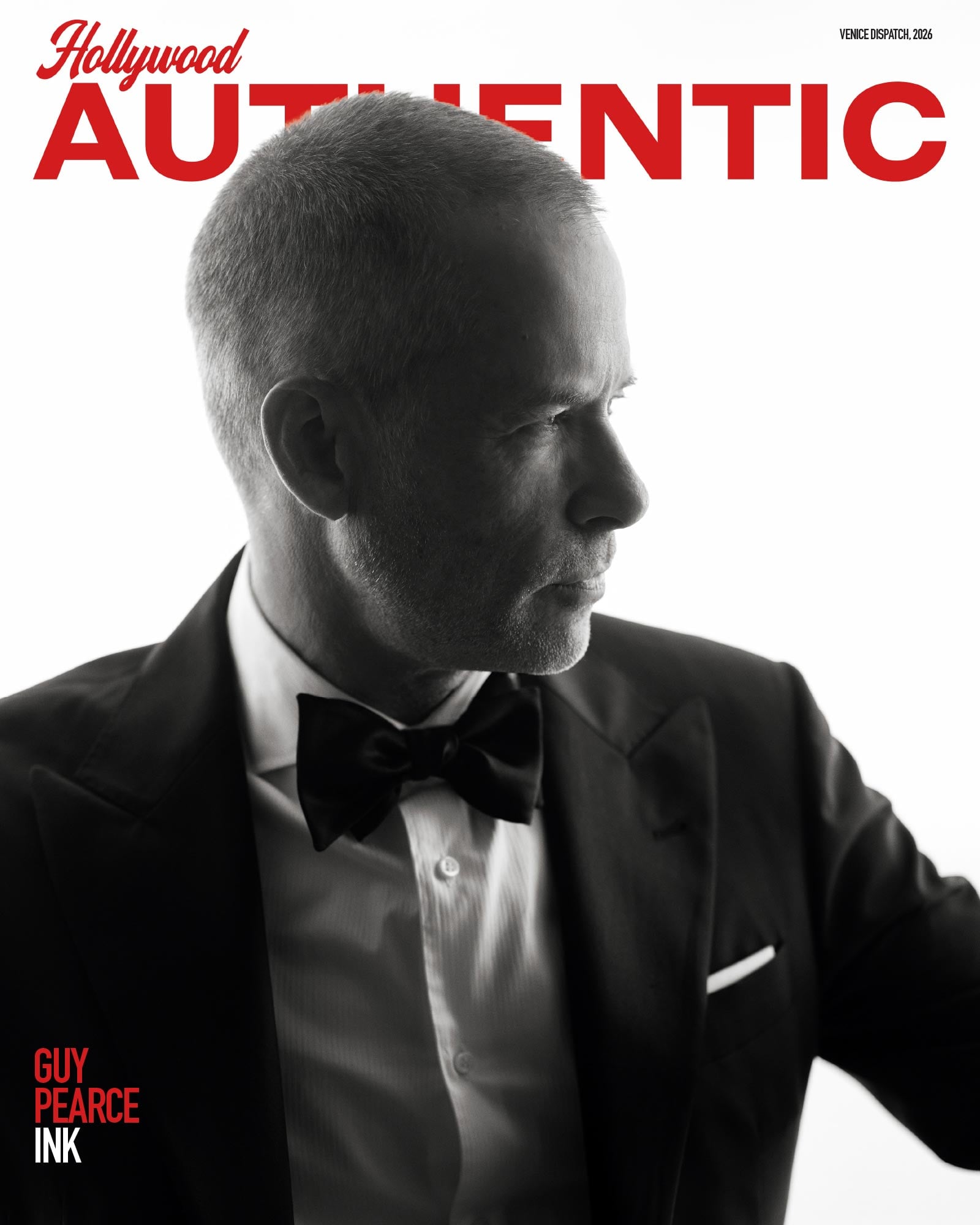
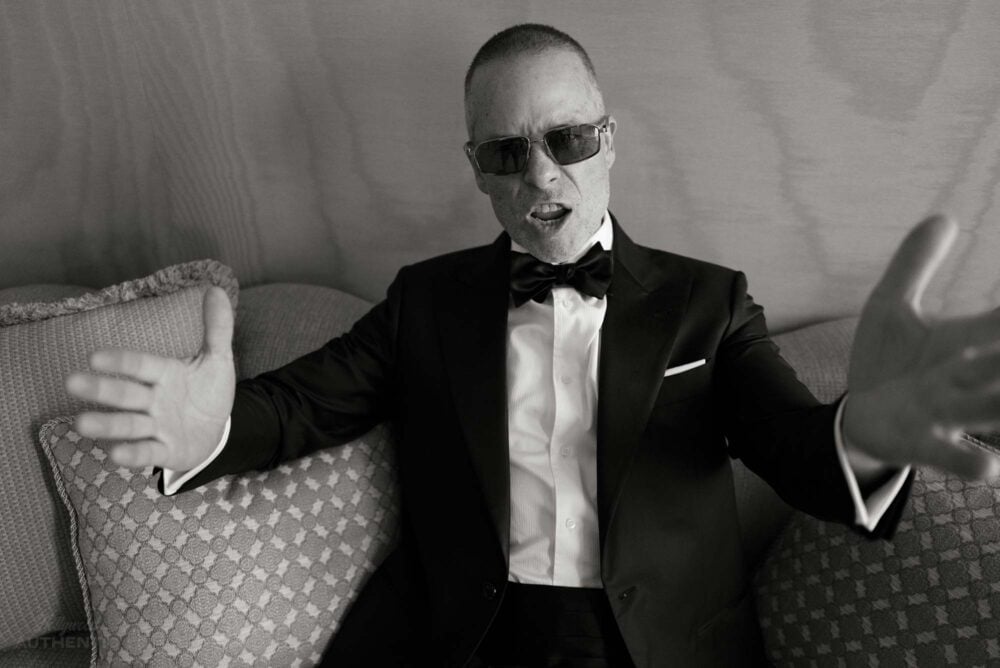
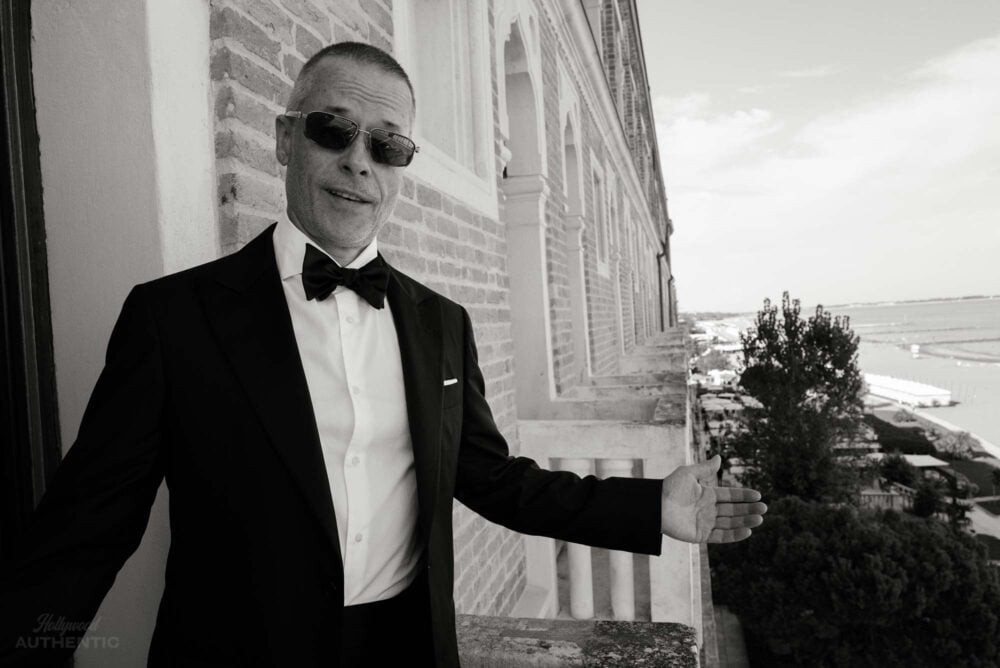
The Australian actor takes on Rupert Murdoch in Danny Boyle’s tabloid tale Ink, opening the Venice Film Festival. He tells Hollywood Authentic about reigning in the profanities and experiencing tabloid hounding with Jason and Kylie…

Guy Pearce, Jack O’Connell, Claire Foy, Danny Boyle

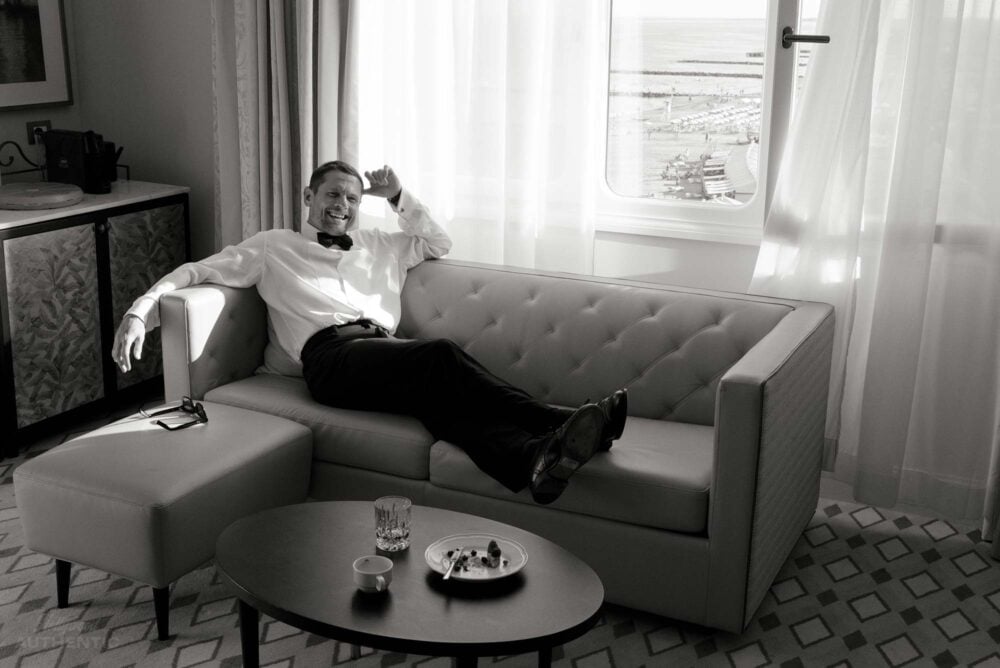
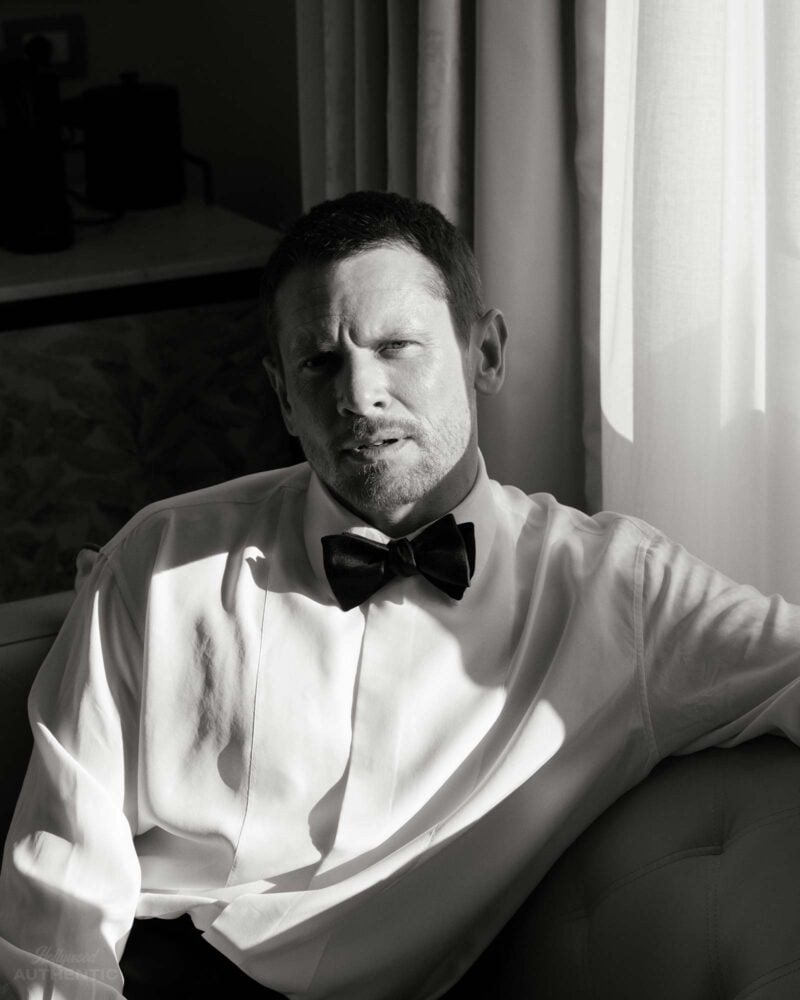
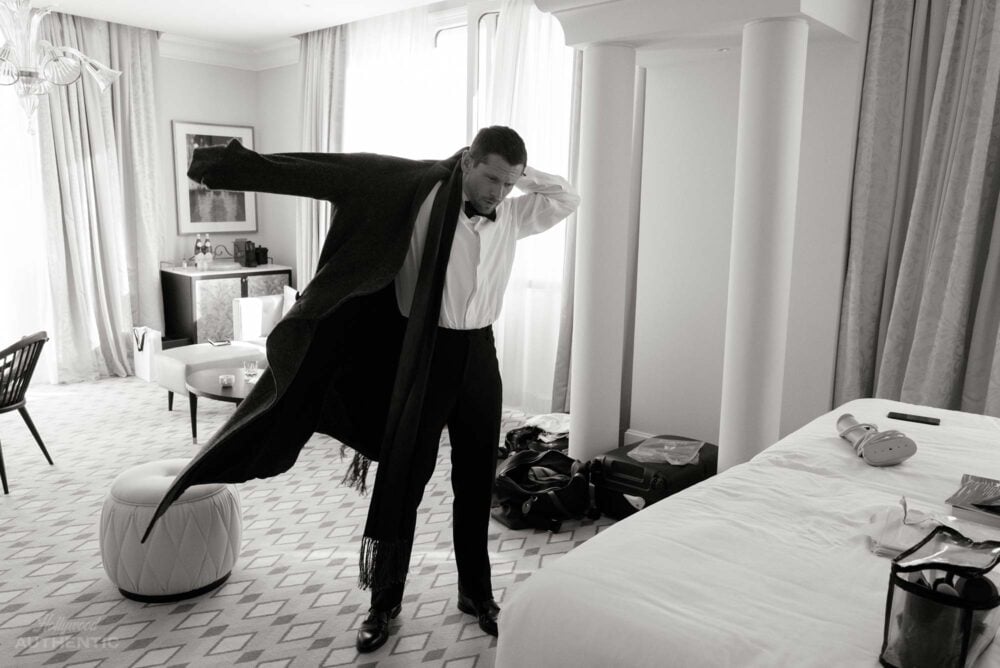
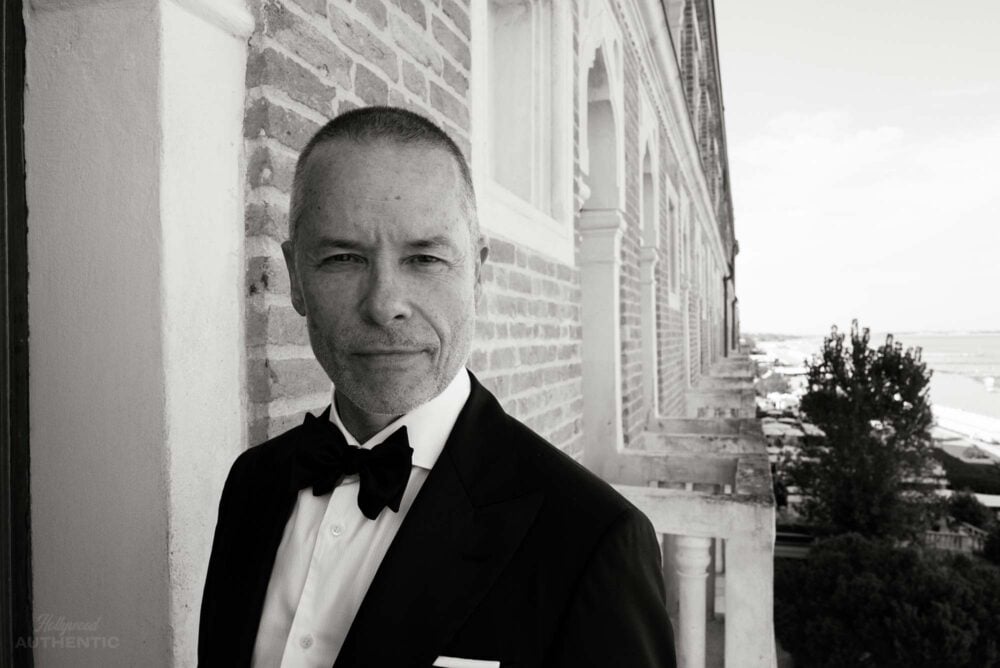
When Danny Boyle came to Guy Pearce to ask him to play media baron Rupert Murdoch in his adaptation of James Graham’s award winning play, the actor felt that he could understand some of the mentality of the notorious newspaper and studio magnate. ‘Obviously, look, I’m Australian,’ he tells Hollywood Authentic as he prepares to walk the red carpet for the film’s premiere in the Lido. ‘I’ve been brought up in a world that’s been aware of Rupert Murdoch for many, many years. He’s a fascinating character for me. I’ve never met him, and prior to doing the film I couldn’t really tell you that I understood who he is. I still probably couldn’t really say that I understand completely who he is. But him trying to crack the UK market… that, I get to a degree. As an Aussie actor, and having known lots of Aussie actors who all go to England and try to break there, it’s something I can relate to.’

Guy Pearce, Jack O’Connell, Claire Foy, Danny Boyle

Pearce could also relate to the product Murdoch created in 1969 in collaboration with editor Larry Lamb (Jack O’Connell); The Sun newspaper and the tabloid culture and circulation wars that followed. Having broken out in the ’80s while on Australian soap Neighbours he had witnessed first-hand some of the press hounding that came with fame. ‘I remember back in the ‘80s in London with Jason [Donovan] and Kylie [Minogue], and the journalists chasing us down the street. But I was really low down on the food chain, you know? I was one of a gang of 20 Neighbours cast where the Terry Wogans of the world would have us on their show, and go, ‘What is it about you Australians that make you think you can act?’ – where you really felt a bit reviled. But I was never a personal target. I never really felt the full force of a tabloid paper at my door, and after me.’

Guy Pearce, Jack O’Connell, Claire Foy, Danny Boyle

What Pearce felt was more relevant to building the characterisation of Murdoch was talking to former journalists and printers who had worked on Fleet Street during its evolution from failing broadsheet to bombastic ‘red top’. ‘Danny brought people in to talk to us during rehearsals, lots of journalists, ex-editors and ex-printers who would sit with us for two hours and go, ‘Wow, let me tell you about the floor in 1969: the drinking, the smoking, the shagging and the late nights and oh my God….’ Though he didn’t meet Murdoch as he prepped to play him, Pearce did chat to his daughter, Elizabeth, to suss out whether his instincts about the man were correct. ‘I felt that there was probably too much swearing from Rupert [in the script]. It’s a fairly common thing to just make Australian characters swear all the time. But when you look at interviews of Rupert from the era he’s a shy, fairly humble, slightly awkward character who has an irreverence about him, and is quite sharp and brilliant. But he’s not a typical Aussie yobbo who’s out there swearing, drinking. throwing things and rooting and fighting. I said to James, ‘I feel like I could play this character without relying on swearing’. And the beauty was that I got to talk to Rupert’s daughter and ask about her dad’s swearing. She said, ‘I don’t think I heard him swear once’. So I took out all the ‘fucks’ and added a ‘fair dinkum’.’

Guy Pearce, Jack O’Connell, Claire Foy, Danny Boyle

Director Boyle inspired Pearce to really explore the building of a surprising character instead of playing a trope we all think we know. ‘Danny’s a wonderfully buoyant, honest, creative and inspirational guy. It’s that energy that he brought to Trainspotting in making us look at a world that was seemingly gross and disgusting, and yet we all just leant forward and went, ‘I want more of this’. You can have a great script, and another director doesn’t quite give it the life that it felt on the page. And vice-versa; you can read a fairly dull script, and a director can bring it to life. But with this, when I watched the film I was jumping out of my chair by the end, going, ‘Wow! Yes! Oh my God! Wow!’ Danny’s energy will take you into that world, and make it exciting.’ And Pearce admits that having Bertie Carvel in the cast – who originated the role of Murdoch in the West End and Broadway – also kept him on his creative toes. ‘He’s such an exquisite actor. Of course, every day when he was there, and I’m playing Murdoch, I’m thinking, ‘Don’t watch what I’m doing. Don’t look. Oh, God’,’ he laughs.

Guy Pearce, Jack O’Connell, Claire Foy, Danny Boyle

As an actor who has taken on numerous roles that began life as books or plays, Pearce is clear that comparison of versions is futile as an artist. ‘Every time I thought about the play, or talked to one of the actors who was in the play, it felt a little bit like a distraction to me. When you do a film, and it’s based on source material it can be an absolute minefield to delve into that material. It can be wonderful, because you get all sorts of other nuances about a character that you might not fully get in a script, like with LA Confidential, for example. But I find the purity of a screenplay – and what it is I’m responding to in the first instance – is really vital to me.’

Guy Pearce, Jack O’Connell, Claire Foy, Danny Boyle

That vitality is what he thinks has made Ink such a barnstorming opener. ‘The kudos and attitude – it feels historic and full of integrity and credibility,’ he says of the festival. And the relevant themes of the piece exploring public appetite for scandal and the increasing tabloid-ification of politics are what will keep audiences talking about it. ‘The sense of responsibility… we’re seeing things being torn down left, right, and centre. But you look back at The Sun, and it seems almost small fry and quaint now. Social media, AI, governments involved with surveillance…  you can see the connection. You could also ask the question: well, was it inevitable anyway? And it’s just that Rupert came along at a time? It’s such a big question, isn’t it, about where we are in the world today?’


Photographs by GREG WILLIAMS
Interview by JANE CROWTHER
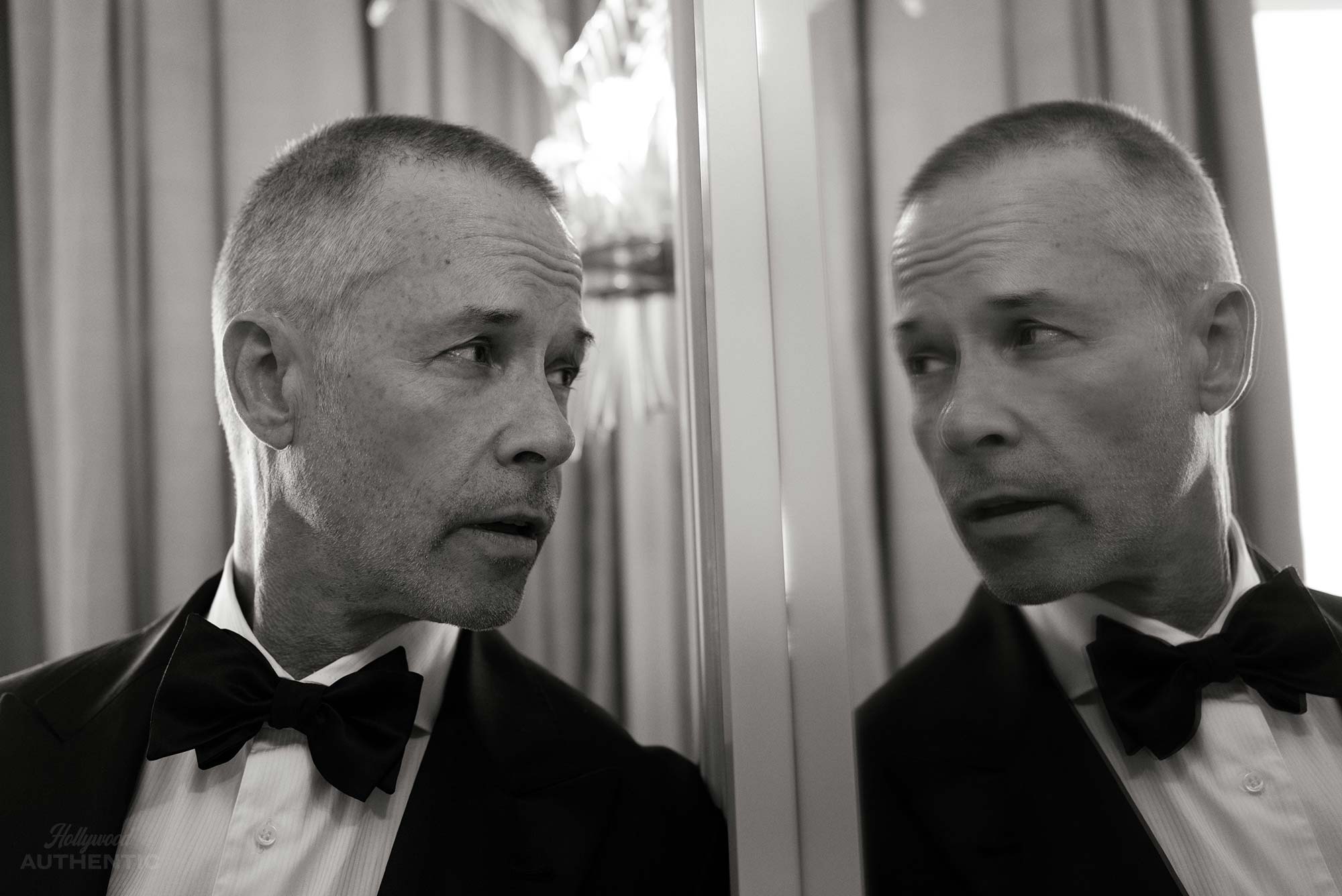
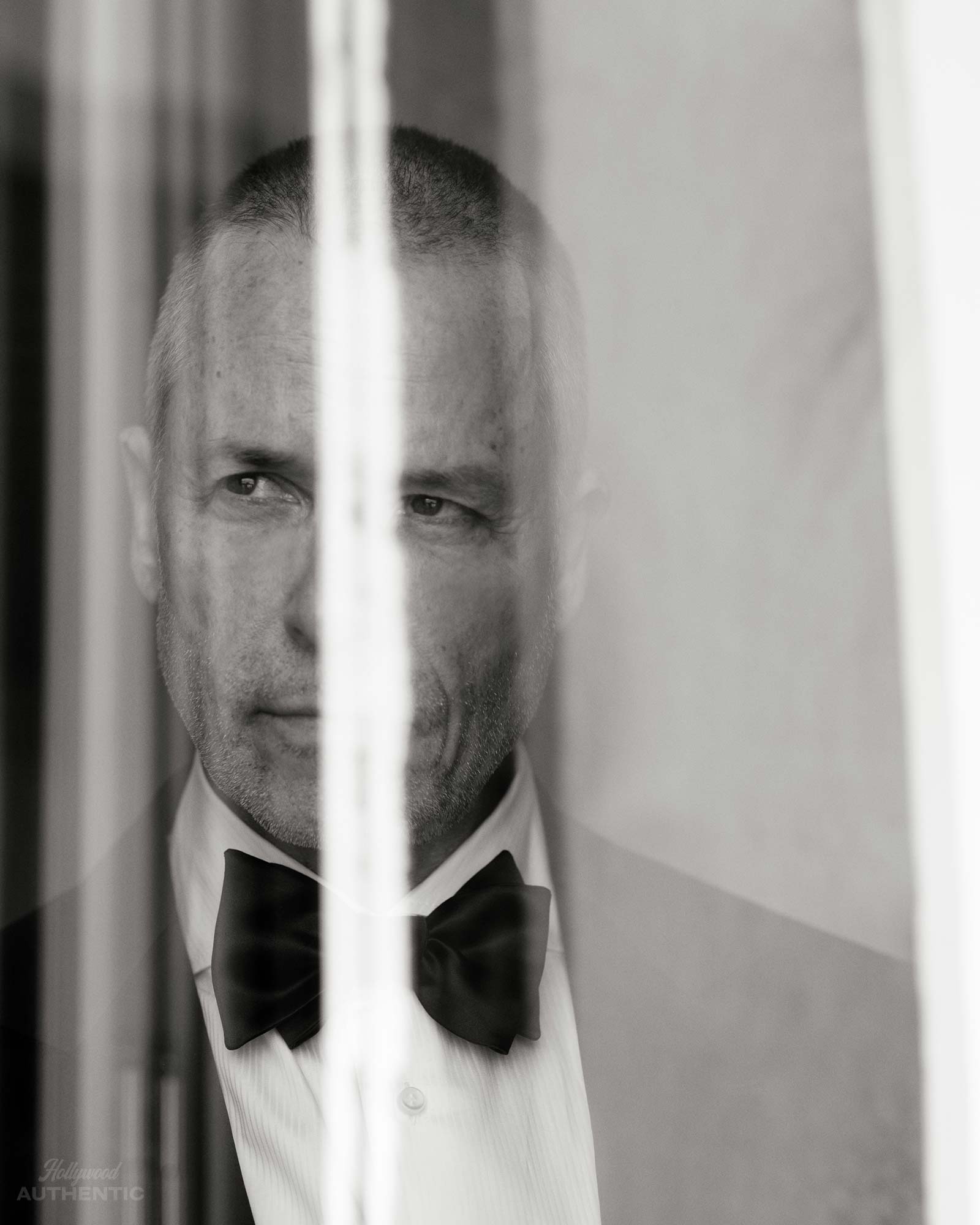
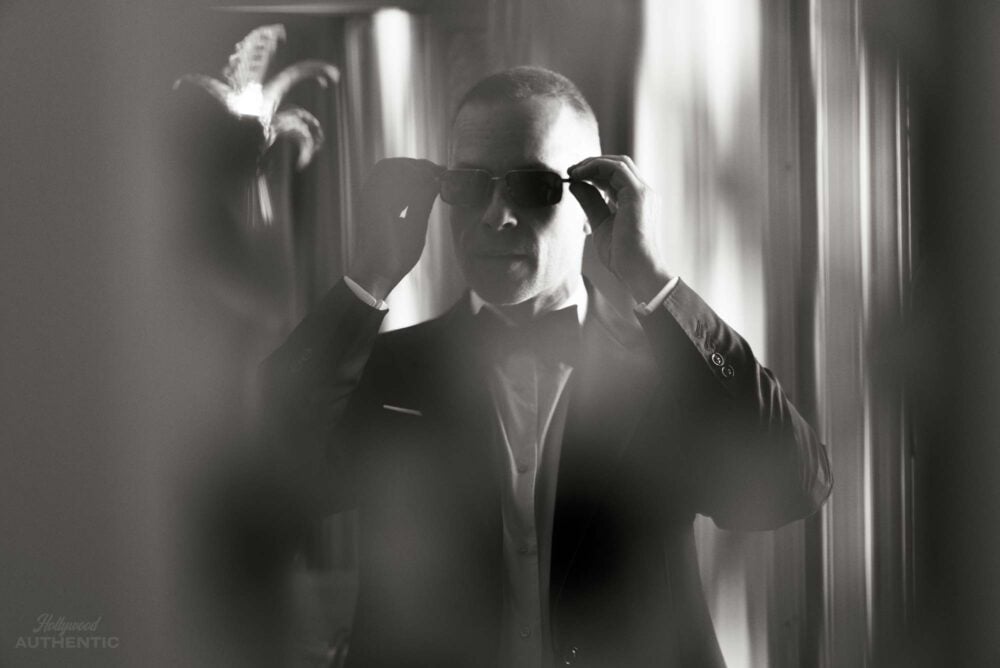
Guy wears Brunello Cucinelli
Ink premiered at the 83rd Venice Film Festival. Read our review here
INK

September 2, 2026

Guy Pearce, Jack O’Connell, Claire Foy, Danny Boyle

Words by JANE CROWTHER


James Graham’s award-winning West End and Broadway hit charting the birth of Britain’s The Sun newspaper and tabloid culture served the drama without op-ed – leaving the audience to decide on the morals and ethics at play, and the Pandora’s box such practice opened. Danny Boyle (with Graham adapting his work for screen) makes no apology for drawing a direct line between the ‘move-fast-break-things’ MO of newspaper proprietor Rupert Murdoch and his editor, Larry Lamb, and the latter-day rule-breaking narrators shaping our world. The epoch of The Sun, he posits, is the hellmouth for our problematic 21st century media landscape – that Murdoch and Lamb have blood, as well as ink, on their hands. And that we, as consumers, are as voracious as any hack hounding a story. But there’s also admiration for the underdog ambition and anti-establishment disruption of the endeavour, told with antsy Trainspotting verve and a nostalgic respect for the craft of physical media. 

Guy Pearce, Jack O’Connell, Claire Foy, Danny Boyle
Anthony Dickenson/StudioCanal

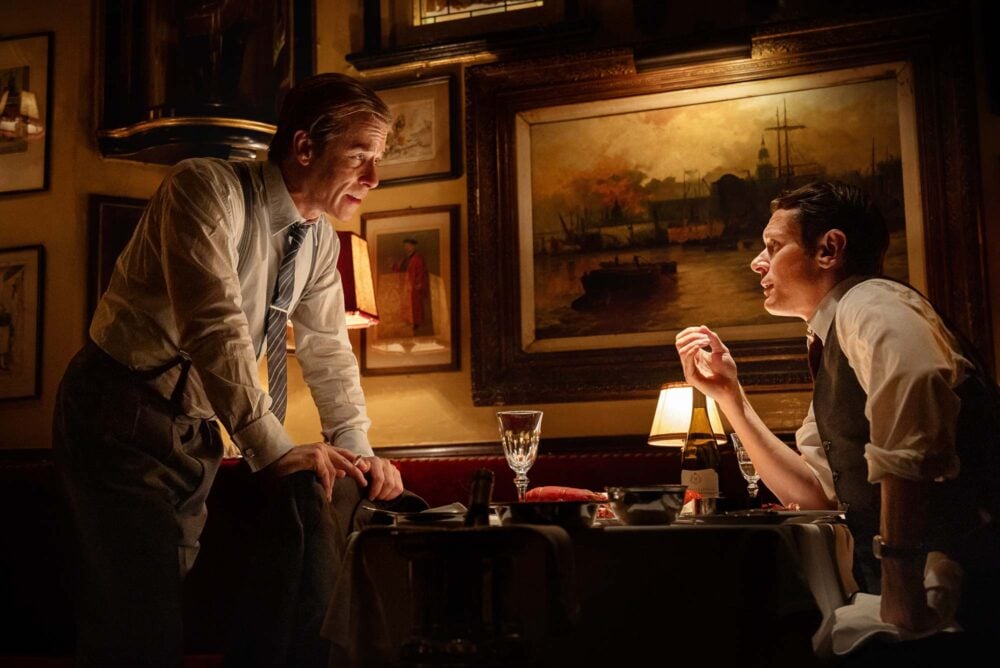
Bookended by two meetings at Rules restaurant in London, Ink begins in 1969 with Aussie businessman Murdoch (Guy Pearce) making Northern journalist Lamb (Jack O’Connell) an offer he can’t refuse over a lobster dinner; editorship of an ailing broadsheet, with no guard rails and the opportunity to stick one in the eye of Fleet Street’s old boy’s network. Wily Lamb immediately tells Murdoch the principles of a good story – the 5 W’s: who, what, where, when and why. The ‘why’ he says, is the least important but it’s an element that drives the tale here with both men’s motivation explored. Ambitious Lamb is hellbent on besting his former employers at The Mirror as well as rattling a London-centric, middle-class and public school establishment that hazed him as a newbie. Murdoch’s desire to screw colonialism comes into focus as he amasses media companies with gimlet-eyed precision while being named ‘the dirty digger’ by Private Eye

Guy Pearce, Jack O’Connell, Claire Foy, Danny Boyle
Anthony Dickenson/StudioCanal

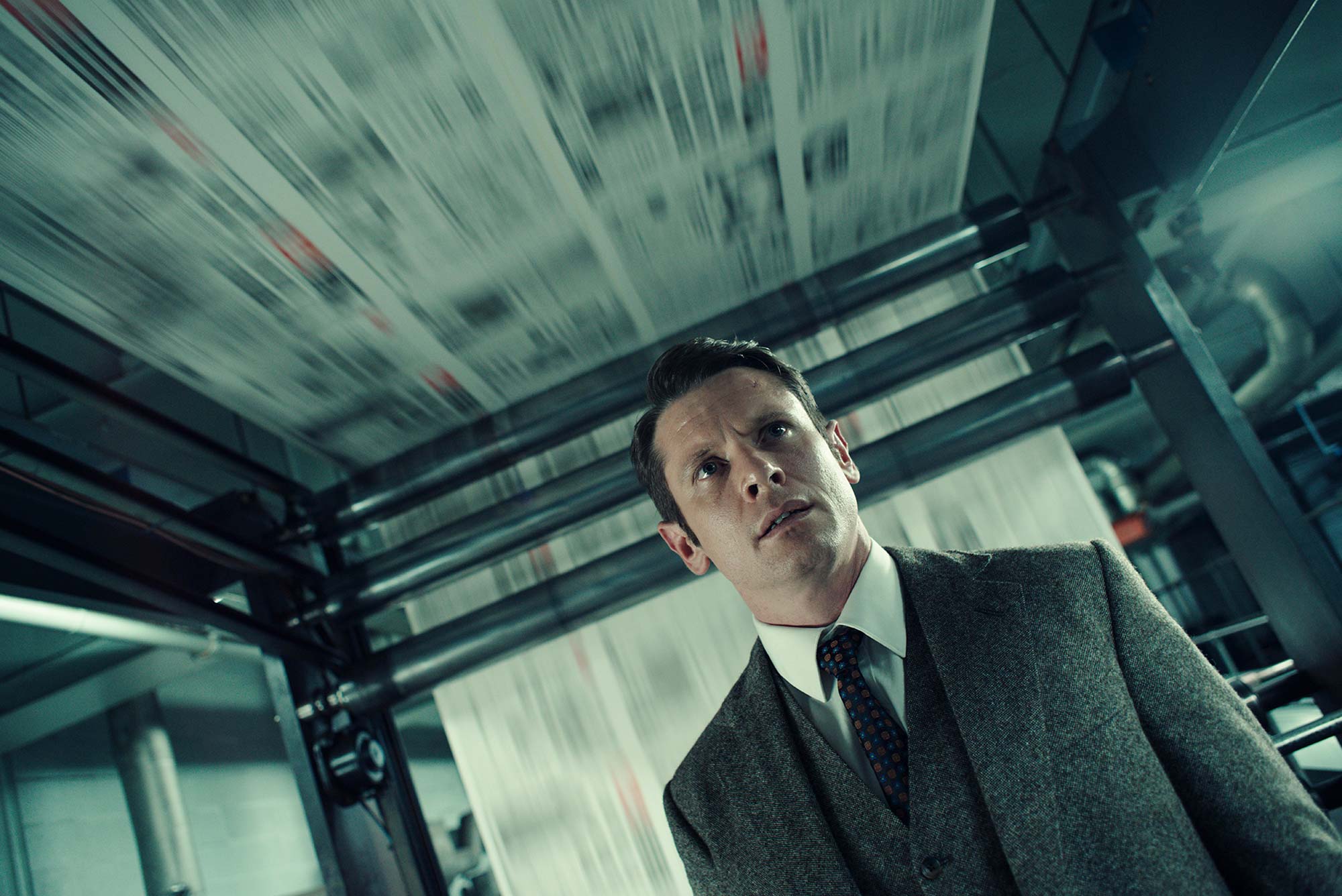
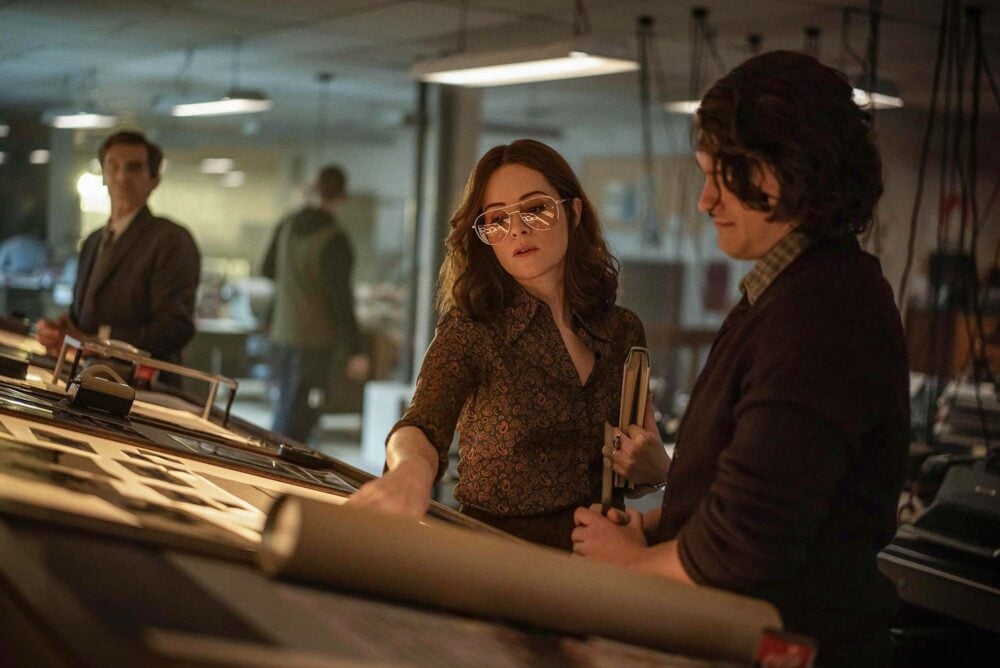
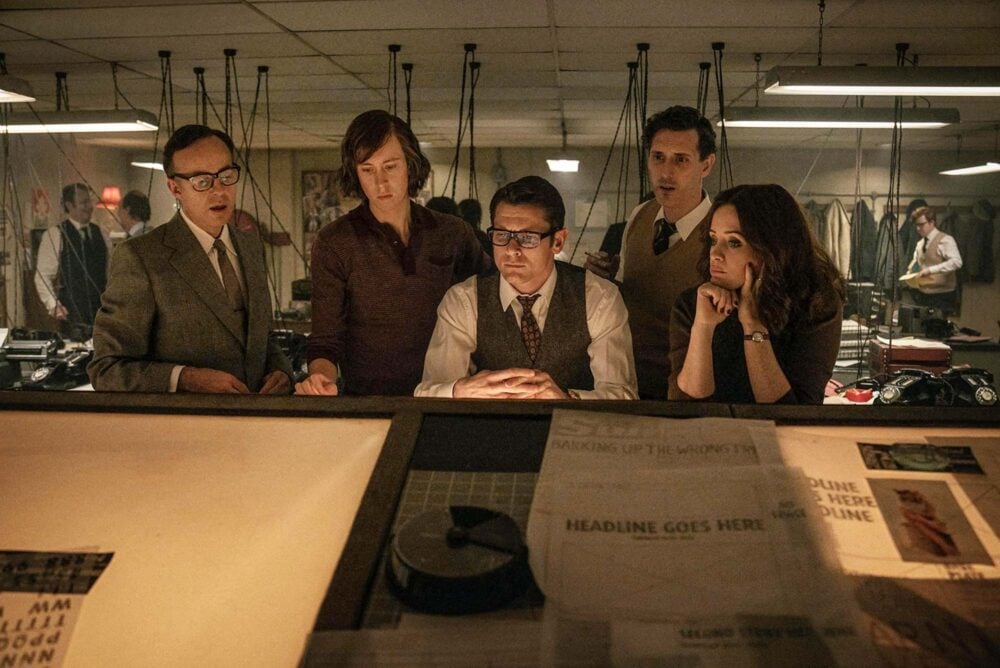
While the ‘why’ percolates, the who, what, where and when is provided as Lamb corrals a scrappy editorial team together like Danny Ocean recruiting his heist gang, enticing specialist journos onboard from Fleet Street bars, bathhouses and in the case of new women’s editor, Jules (a composite character and played by Claire Foy), his extra-marital bed. Moving as fast as the printing presses that are constantly heard as a low thrum throughout the action, Lamb’s initial building of a tabloid is a thrilling and amusing spectacle. In a smoke-filled newsroom of clattering typewriters and stories being slapped on spikes, Lamb demands his team make their work ‘louder’, conducting a brainstorming session to identify the real interests of the working man. TV, sport, personalities, weather and sex are top of the agenda, with the words ‘win’, ‘free’ or ‘love’ on the cover nabbing his staff a bonus. As the circulation figures creep up, the giveaways get sillier (knickers in a tin) and the presses roar, with Boyle leaning into framing and lighting that evokes Citizen Kane and a fondness for a lost world soundtracked by IDLES’ The New Sensation. Lamb swaggers through his domain demanding more WOBs (white on black text), italics, dog’s dicks (exclamation points), bangers (design roundels) as the typesetters sweat over the galley and chase… the sort of Fleet Street nerdism that demands a linotype advisor on the film’s credits.

It’s exhilarating stuff loaded with archival footage and AI-animated Getty images which showcase Murdoch and Lamb’s particular brand of fearless entrepreneurship, and leads them to the Press Council Awards where the elitism and bullying of the industry is laid bare. ‘The Aussie sheep farmer – a seat at the table’ Murdoch glowers of his personal oneupmanship. There is, of course, a price… rats are scuttling around the newsroom, there’s hypocrisy in exposing the failings of public figures and, when a Sun exec’s wife is kidnapped, real consequences in the way Lamb chooses to package the news. Shuttling through the arrival of page three girls, Thatcher, Murdoch’s empire expansion and Lamb’s successor, Kelvin MacKenzie, Boyle speeds up the flickering images to bring us to the sobering present via Princess Diana, Caroline Flack, Zuckerberg, Musk and Trump. 

Guy Pearce, Jack O’Connell, Claire Foy, Danny Boyle
Anthony Dickenson/StudioCanal

Considering the TS Eliot quote that closes this story, it would be easy to simply despise the players but in the hands of Pearce and O’Connell, Murdoch and Lamb remain complex human figures. Pearce’s clenched Murdoch, not yet a media baron, is a fascinating work in progress, while O’Connell gives Lamb a drive and charm that carries some of his more morally dubious choices into pathos. And Boyle’s ability to eddy audiences along with propulsive music, editing and strong period detail is like being sat on one of the tube trains that constantly hurtle through the piece. Entertainment is what Murdoch wanted from his newspaper and it’s what Boyle delivers here.


Words by JANE CROWTHER
Images courtesy of STUDIOCANAL/NETFLIX
Ink premiered at the 83rd Venice Film Festival and will be in cinemas 11 December