



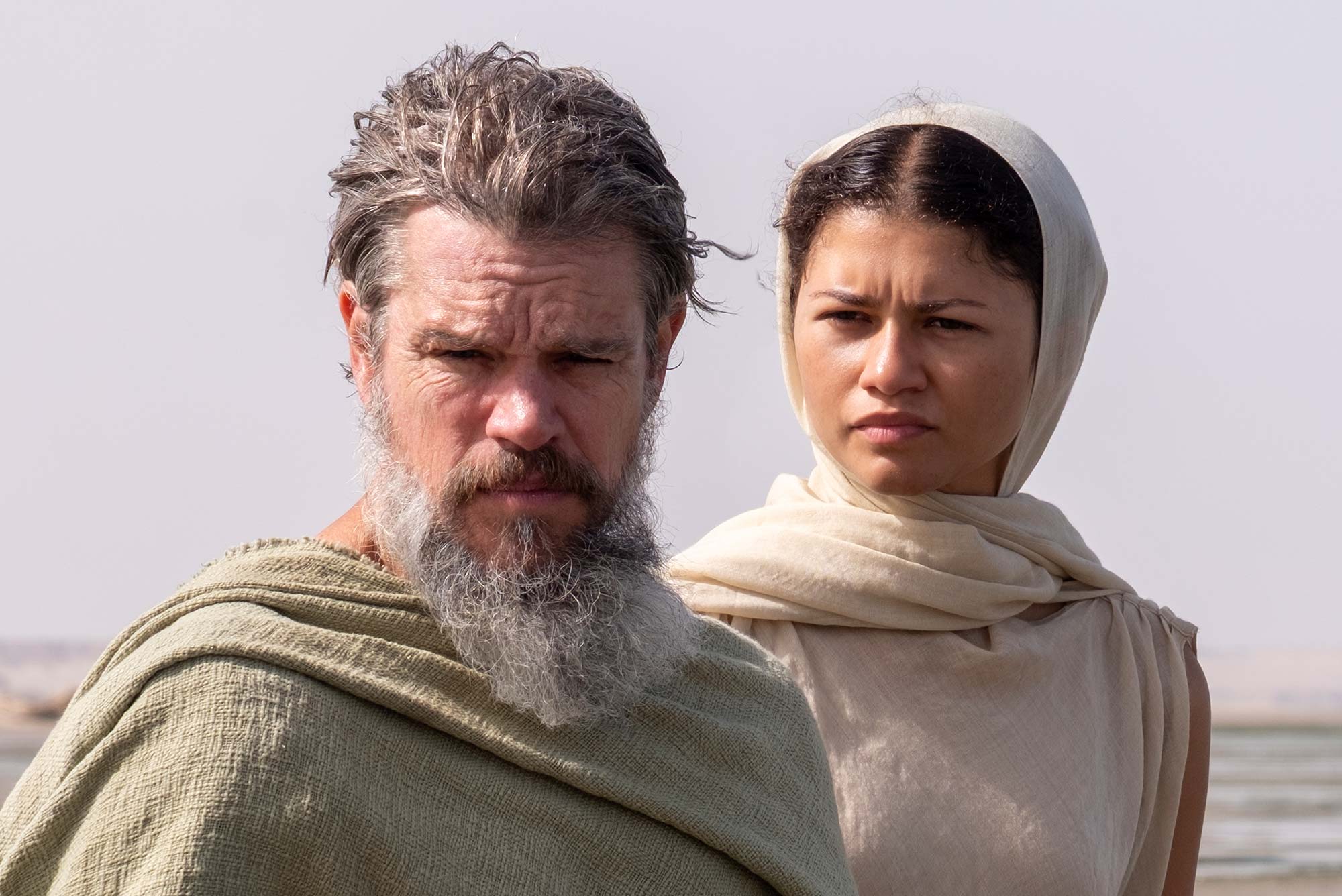
Words by ARIANNE PHILLIPS
As told to JANE CROWTHER
A fashion designer who pivoted to costume by ‘happenstance’, Ellen Mirojnick’s award-winning career has taken in Fame, Basic Instinct, Chaplin, Oppenheimer and The Odyssey. She tells costume designer Arianne Phillips how communication and collaboration is key to creating epic looks.
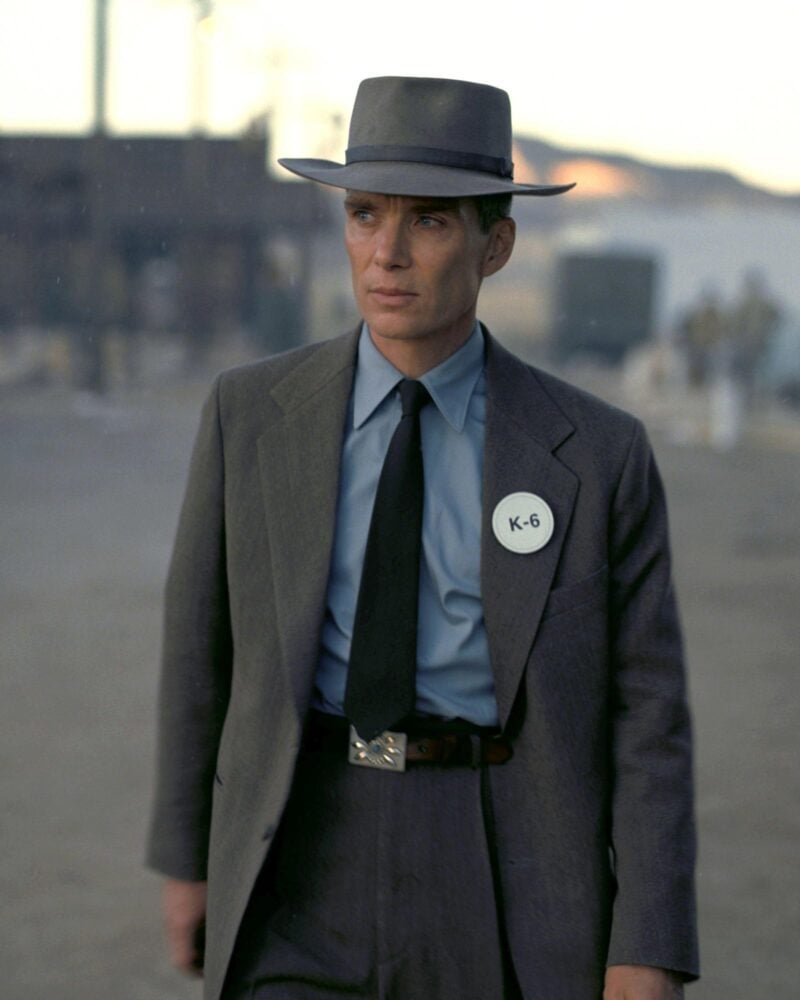
Ellen Mirojnick is one of Hollywood’s most celebrated and prolific costume designers, with over 70 films and numerous television projects and series to her credit. Renowned for her storytelling, she has created enduring, iconic characters that have shaped contemporary cinema and television for more than four decades. Her work spans genres from drama, thrillers, fantasy, comedy, action, science-fiction, historical and biographical, and is distinguished by its sharp detail and meticulous craftsmanship. She has collaborated with many of our most known and celebrated directors, including Oliver Stone, Paul Verhoeven, Steven Soderbergh, Christopher Nolan, Adrian Lyne, Richard Attenborough, Jan de Bont, Gary Marshall, and Ridley Scott, just to name a few. Ellen’s work has earned numerous honours and recognitions throughout her career: three Primetime Emmy nominations, 10 Costume Designer Guild nominations (three of which she won), as well as the 2016 Prestigious Costume Designers Career Achievement Award. She has earned three BAFTA nominations, and in 2024, Ellen earned an Academy Award nomination for Oppenheimer. Her designs continued to demonstrate her extraordinary ability to balance historical authenticity, contemporary style and cinematic storytelling, influencing both fashion and popular culture globally.
AP: I would love to hear about your life before becoming a costume designer – where you grew up, and your early work in fashion…
EM: I grew up as a young child in the Bronx. went to The School of Visual Arts in New York, where they threw me out. Any college I went to, they threw me out, because I was a rebel. One of the teachers that I did have before I left in the photography department was in three-dimensional design – Chuck Close. I look back on it now, and it was quite exceptional and a great foundation. And I really did learn how to see what I was looking at. Then I went to Parsons School of Design, where they also asked me to leave because I could not drape or make a pattern. I could design. So I left there, and was fortunate to get a job designing. I met Bernie Ozer, who ran the junior market for the big department stores. He said, ‘Go out and find trends in the street.’ It was like an internship – I’d go out and find trends and report back. And then we’d make up what the trend was. Then I went to work for Happy Legs where I designed a line called Stage Struck and they changed my name to Ellen Star. I was 21 and that was my paying job. And there I really did have the mentor of my life in Herb Schneiderman. Herb invested in a film called French Quarter, which I became the costume designer on by happenstance.
AP: What was that switch to costuming like?
EM: I didn’t know how to be a costume designer. But I certainly knew how to not be intimidated by doing clothing and putting it together quickly. So I jumped in the water without any tools, but I got addicted really quickly. I loved the immediacy of it. And that the clothing actually meant something in terms of telling the story. Somebody had a connection to Brooks-Van Horn costume company and we did get an amazing deal to bring in clothing, and that was really interesting. It was the first time I was in a costume house so that was superb.
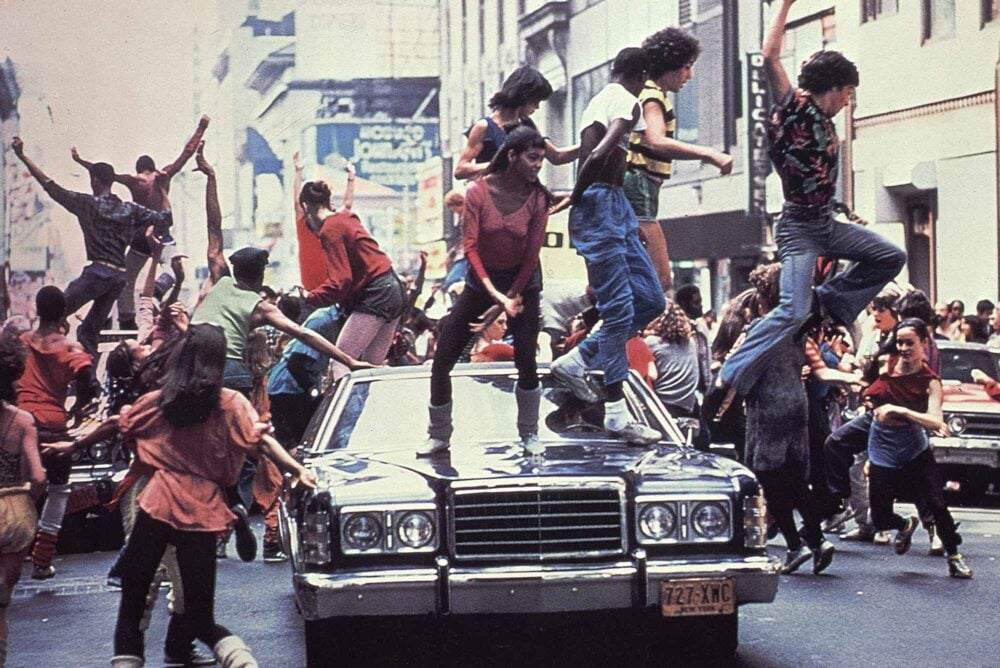
AP: You assisted Kristi Zea on the movie Fame, which, for me, was hugely influential in becoming a costume designer. And you would eventually be the costume designer for Fame, the television series. So maybe you could take us back to how you parlayed this experience into a career.
EM: Well, I was quite fortunate to be in the right place at the right time. I was introduced to a commercials company, Myers Griner Cuesta, and I assisted on a commercial shoot. And, about two jobs later, Sid Myers said to me, ‘You could do this. You want to do this by yourself?’ So I became somewhat of a fixture at Myers Griner Cuesta, and I met a whole bunch of people, including Kristi. She got this job on Fame and asked me to assist. We went off and did this movie with Alan Parker that was enormous. Kristi would take care of the principals, and I had to take care of the core and the extras. Issac Mizrahi was in the core.
AP: When I look at the succession of films on your resume from Nobody’s Fool to Cocktail to Basic Instinct and Fatal Attraction – they are these very stylish, relevant, contemporary films at the time. What informs your choices on what films you choose to design?
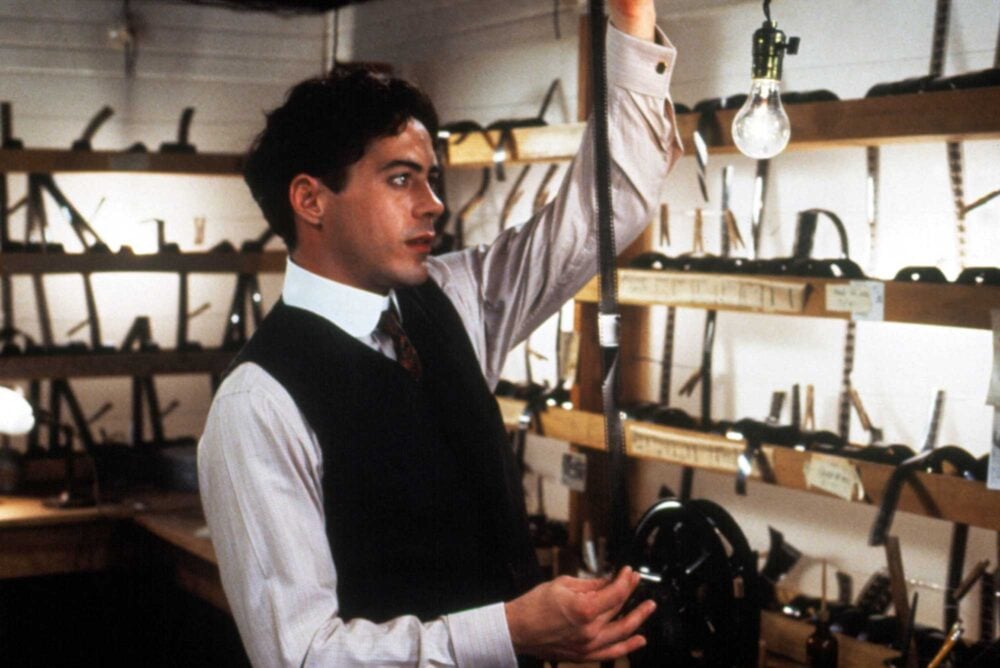
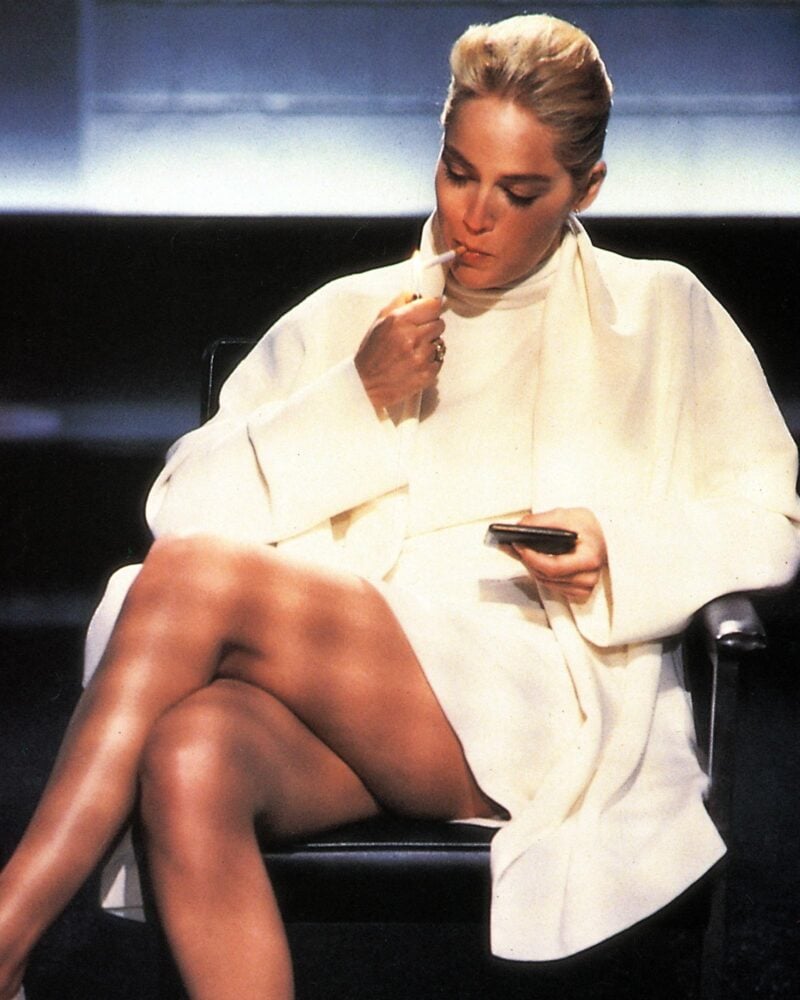
EM: I was quite fortunate in the early years to be exposed to, and work and collaborate with, some great directors. Directors are my absolute number one – North Star, if you will – in terms of choice. And I learned from them. I learned quite a bit from Paul Verhoeven in the line of truth and provocation. I wound up doing a bunch of films with him, some of which weren’t that good, but he was always inspirational in a challenging way. For example, Sharon Stone’s white dress in Basic Instinct. He asked me what I was going to do for the dress and I said ‘Well, didn’t we talk about a white dress?’ And he’d say, ‘We never talked about a white dress.’ We never did talk about a white dress. I just said it in that moment, and he took me to task. But we did it in white. And at the end of Basic Instinct, Richard Attenborough was coming to America to do Chaplin. John Mollo had designed the film in Britain and now they needed to do the American portion. I went on the interview and met Sir Dickie, as he liked to be called, and we had a lovely conversation at the Beverly Hills Hotel. That was the first time I did a real period film and the experience was priceless. Robert Downey Jr called me one day and told me I had to redo his clothes. He didn’t feel the ‘little tramp’ costume was right. Cut to: he’s standing in our cutting room, and we recut the costume on him, and made every correction that he needed to become the tramp. I could see the transformation immediately with the actor occurring. It was breathtaking. But you know Ari, there are also a lot of clunkers in that resume – because I had to work.
AP: Without Chaplin, we wouldn’t have had Beyond the Candelabra or Oppenheimer. And your career has taken you all over the world. What are some of the highlights for you?
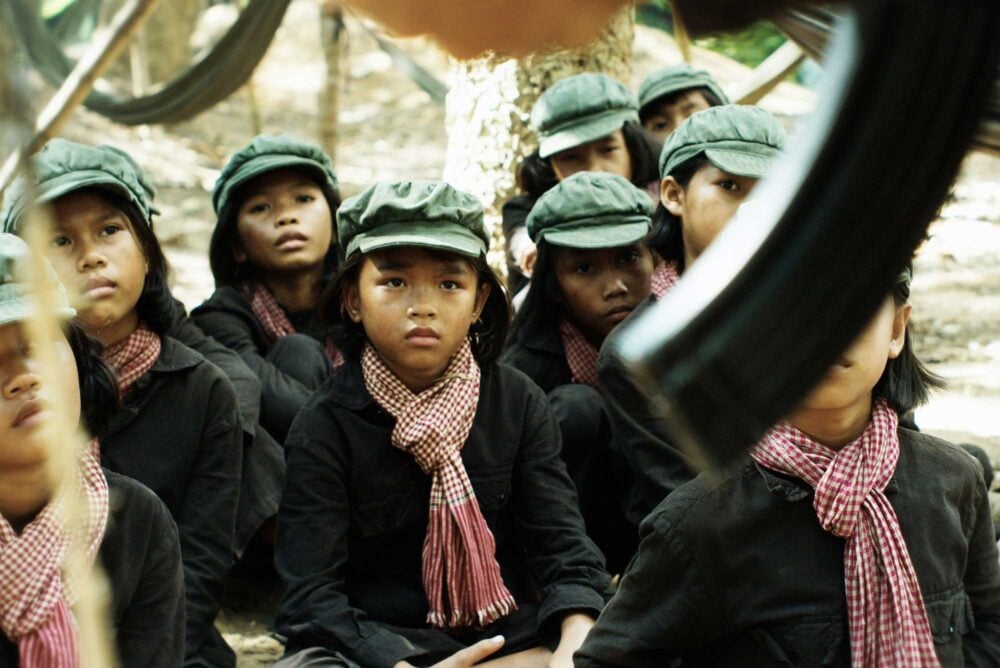
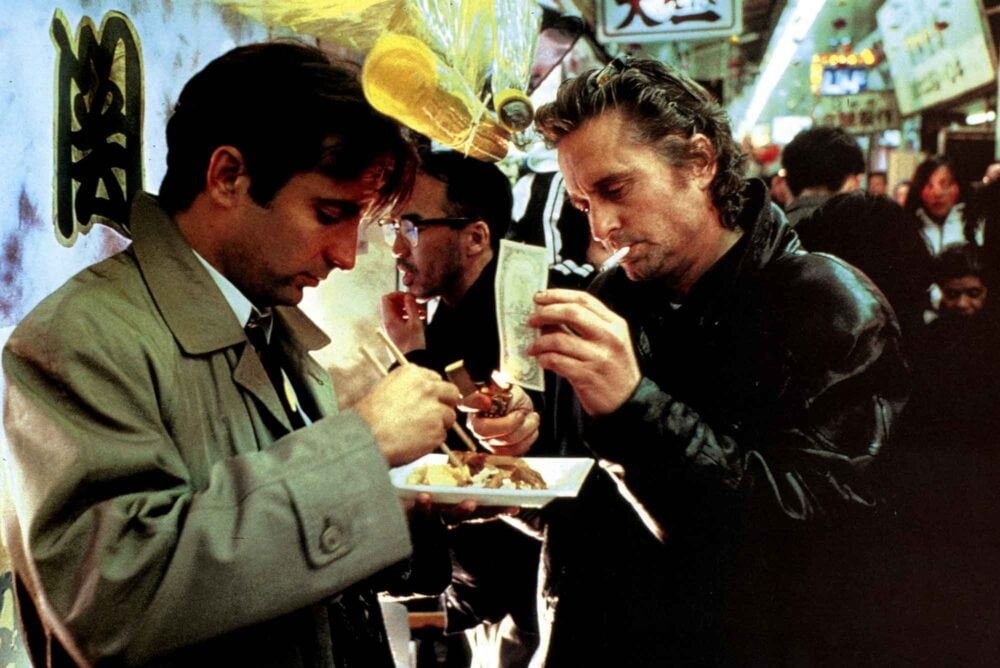
EM: Doing Black Rain in Japan. They sent me on a scouting trip by myself to see the costume houses and locations. It was so exciting. Then I went to Cambodia to work on First They Killed My Father with Angelina Jolie. I worked with Jackie Cheng and we manufactured the entire show in Cambodia. We were at the river for one scene, and the grandparents of the children that were in the film took them to the location. They just watched and tears were in their eyes as well, because the costumes were exactly like they remembered them. I worked in South Africa right after Apartheid had freed up. It was quite wonderful.
AP: That’s been the beautiful thing about our job. We not only get to tell stories about other cultures, but we also get to experience them. What part of the job do you find the most enjoyable and challenging?
EM: Birthing and conception. I always go on a very deep dive in terms of research and then I bring that back up to the light, and I’m birthing what I feel is the essence of the text, and then sharing it. I love the first conversation with the director – just that eye-to-eye collaboration, and sharing is a magical point. Right before meeting Steven Soderbergh for The Knick, I was about to give it up. I wasn’t afforded the opportunities to work with directors that were great. It really took a toll on me, because the director was such an important part of why I loved what I did. The joy of working with Steven is that he’s a very trusting person. He’ll have one meeting to see where you’re going and then he leaves it in your hands. He hired you, he trusts you to deliver what you’ve talked about, and he wants nothing to do with it. He really wanted to shoot The Knick in black-and-white, but HBO didn’t want him to. So I devised a palette to basically give him a monochromatic feeling.
AP: How has the industry changed since you first started?
EM: When I started in the ’80s there was a great amount of creative energy, it was an original time. It hadn’t gotten to be corporate and I worked with very inventive, collaborative filmmakers. And you had resources, craftspeople that could do virtually anything. The resources are more scarce now because there isn’t a generational succession of learning craft. Shoemakers, hatmakers, even cutters, tailors. And the pandemic hit those industries hard. Collaborations are now different because producers want to have their input in everything, because they think that’s part of their job, when in fact they don’t really know. What I have found is that the lack of experience in other jobs, of other professions, particularly in the producing realm – they’re kind of made up as they go along. And because there are necessities to fill different systems with product – it’s a flat product, very repetitive.
AP: I would imagine collaborating with Christopher Nolan and Emma Thomas
is an exception?
EM: Chris is one in a million. He’s a genius that is 100 per cent there with every single person that is on his team. Working with him just reignites that same feeling I had of why I fell in love with costume design because the only way in which he knows how – and loves – to work, is in collaboration. And he expects you to be able to lead in an artistic and deliverable way. The experience of The Odyssey was exceptional, six countries later. Everybody knows the story of Homer’s Odyssey, but Chris’ adaptation is based entirely in the realism of that adventure. So it was probably one of the most challenging projects I have ever been on. I only had 12 weeks pre-production. We shot all of the epic battles first. So we parcelled it out so that the countries would be crewed with the most talented cutters and fitters. It enabled us to continue to design and make the costumes that we needed asap! Although crazy as it was, having very few resources became the most satisfying centre for creation. That’s my odyssey!
AP: What advice would you give to an upcoming director and an aspiring costume designer?
EM: What I would hope for in a new director is to really have a vision. And for a designer, the one skill that I think is hugely necessary is the means of communication. You really need to learn how to listen, not be afraid to ask any questions and to be able to express your ideas – whether it is a drawing on a napkin, a presentation, or just words.
Words by ARIANNE PHILLIPS
As told to JANE CROWTHER
Oppenheimer © Universal Pictures
Oppenheimer / The Greatest Showman / Basic Instinct / First They Killed My Father / Chaplin / Fame / The Odyssey / Black Rain