CANNES DISPATCH Photographs by GREG WILLIAMS Interview by GREG WILLIAMS/JANE CROWTHER
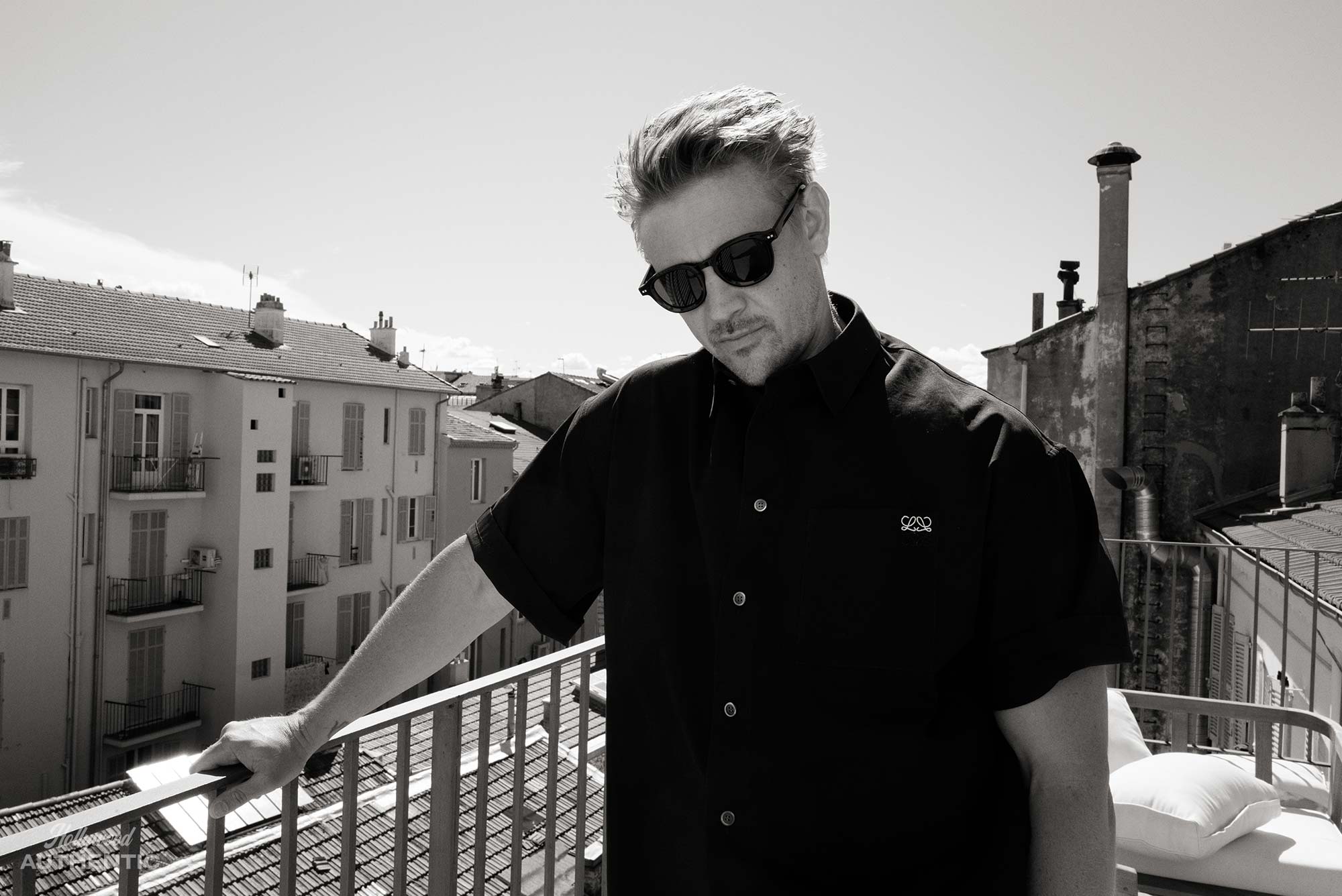
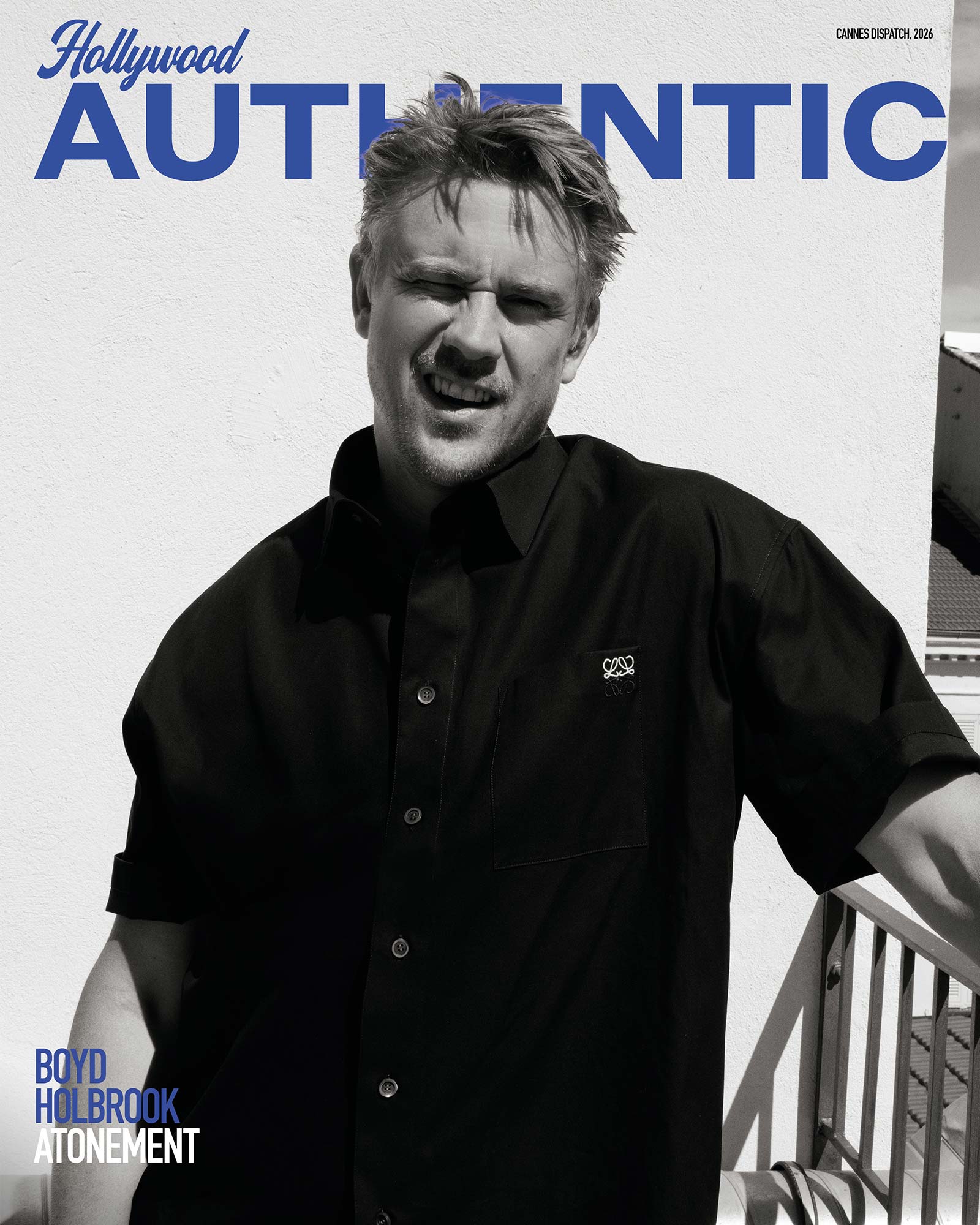
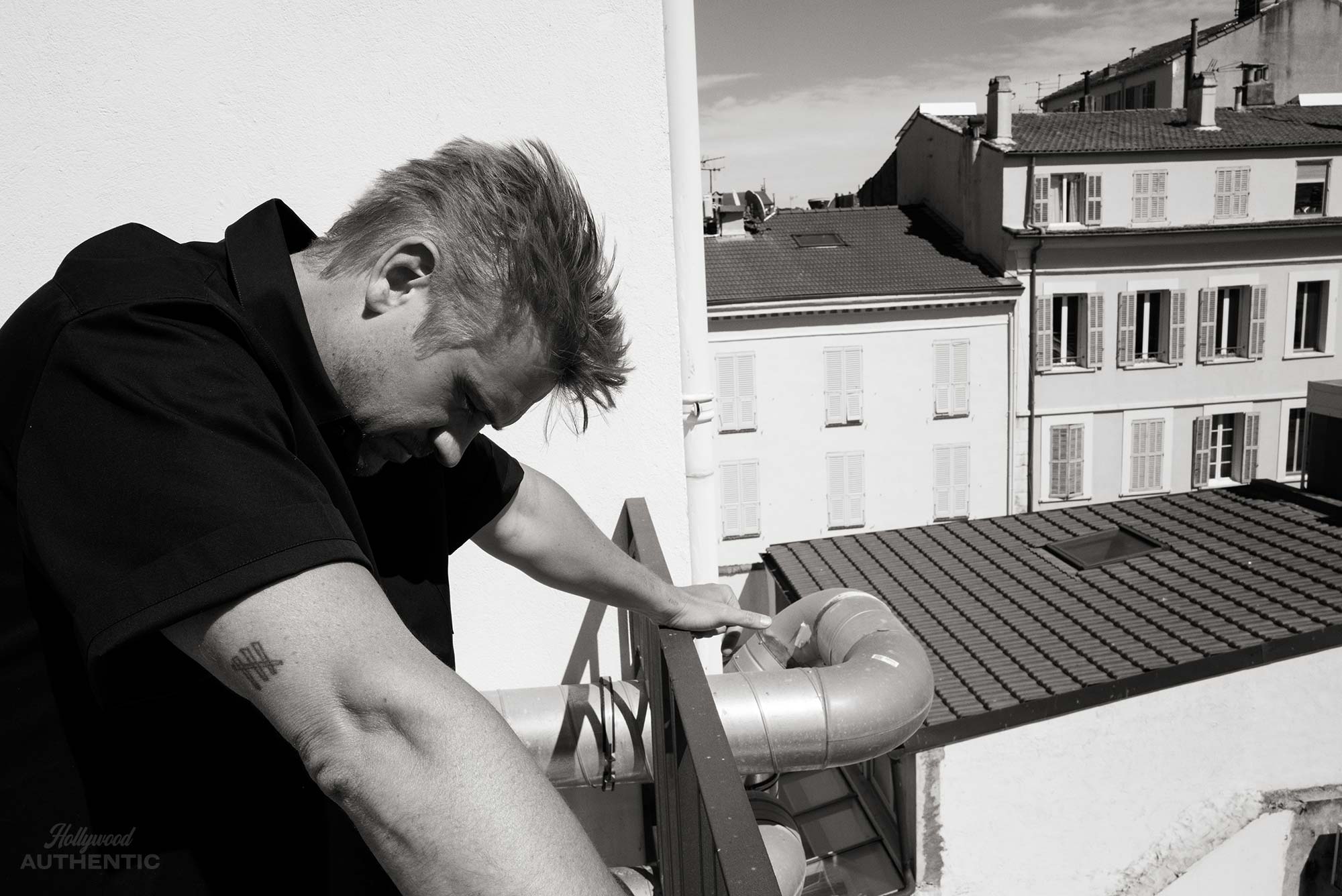
The last time Boyd Holbrook was at Cannes Film Festival he was on the Croisette with Indiana Jones and the Dial of Destiny, a huge operation on a big budget Hollywood film directed by James Mangold. ‘Yeah, they let me tag along on that one,’ he chuckles when I meet him in his modest Airbnb apartment in the centre of Cannes ahead of his premiere. This year, he arrives with a much smaller film (the first feature by Reed Van Dyk), Atonement – a pertinent tale based on a New Yorker article about a US marine who feels compelled to connect to the family who lost all their men during a firefight in the 2003 Iraq war. ‘I’m a small cog in the wheel of a giant film like Indiana Jones. I’m very grateful to be in that. It was such a great experience. But this is obviously such a richer experience in terms of why I got into making movies, and what, to me, cinema is really about.’
Filmed in Jordan and chronologically, Atonement follows Lou (Holbrook) as he engages with his enemy using a 40-cal machine gun during a visceral and terrifying opener where a local family, the Khachaturians, inadvertently get caught in the crossfire. Ten years later, broken and suffering from PTSD like many of his unit, Lou discovers an article written by war reporter Michael Reid (Kenneth Branagh) about the incident and he reaches out to the journalist in the hope of brokering a meeting with the family, now living in California. What follows is a study in the inhumanity of war, the trauma suffered by so many (as a character says ‘when a gun is shot, the bullet goes both ways’) and the hope of reconciliation. ‘Having a mother wave her own baby’s white shirt to surrender is soul-crushing. It’s a reminder of how important life is,’ Boyd tells me as we hang out on his sunny balcony and he considers how pertinent the subject matter has become in light of today’s news headlines. ‘When I found out about this film, I thought it was incredible but maybe not really relevant right now – this happened 23 years ago. And strangely enough, here we are…’
Boyd found the experience of channeling PTSD an overwhelming one. ‘Living in guilt and shame, that’s where Lou’s resonating in life. It’s wreaking so much havoc in his life. There’s the scene outside the club where he literally breaks and has a panic attack. I did so much preparation that I literally had a panic attack. It was so real for me, that I’d taken this woman’s children and husband. I was inconsolable.’ The challenge and investigation that goes into his process as an actor is what he thrives on, he says. ‘I love projects like these where I have no idea how I’m going to crack this. Before this, I did Johnny Cash [in A Complete Unknown]. I knew that Joaquin Phoenix had done it. It’s going to happen, whether you’re ready or not. I love that pressure. It’s so exciting to me, having to figure things out, and to really push myself, and to get scared, and fuck up, and fail, fail, fail, fail, and fail until you get it right; until you start figuring it out. You can’t use any tricks that you used on the last one. You have to start from square one. Every actor is probably going to blow a little bit of smoke and say that they figured it out. You try to do as much prep as you can. But that is also part of it. When you’re there on the day, you’re discovering it. I love being so prepared that I’m free to do whatever I want, and you have new discoveries.’
Acting is also something he doesn’t take for granted. When I mention that I loved his work in Narcos, he smiles. ‘You know, I was about to stop acting, right before Narcos. I’d been in a bunch of films, and filmmakers… I’d done a lot of cool projects, but I just wasn’t making a living. And then Narcos happened, and basically opened up the whole world for me.’ Having gone to a place of almost quitting and then found success has been good for him, he thinks. ‘Some actors have – I won’t use names – come out of the gate really hot. But I think there’s a birth, life, and death to everything. There’s not another man in the world that I would want to be, or have another life than what I have now. I love my journey. I’ve learned so much. I’m an incredibly flawed person, but I found identity and self and so much through trying to portray humanity. I know how pretentious that might sound, but I really care.’ I ask if he stays in character during his process. ‘ No, I genuinely enjoy being on set, and the vibe of the people and everyone there. I love the kind of switching back and forth, and dropping in and dropping out. I only think I can do that because I do a lot of prep work. Do I remember my takes? Yeah. I know exactly how it should be done by the second or third take, because I can’t stand going home and having 20/20 hindsight. I had that early on in my career, and I couldn’t stand that. So now I try to edit that as we go.’
A Kentucky native (‘I’m from a very, very small town in the Appalachia’), he’s the son of a coal miner and real estate agent. Acting wasn’t something that was in his family. ‘I saw a film called Slam by Saul Williams when I was 16. I just knew that that’s what I wanted to do. I was in some programmes for art when I was a kid, because I used to love to draw, and that was up until sixth or eighth grade. In high school, they cut the art programmes. There was no acting in school plays. I had no idea how to do it, but I knew that one day I was going to be an actor.’ An artistic kid, Boyd was a poet in his younger years. ‘Like all poetry, mine was about… everything. I think especially in that pivotal age, our teenage years to your early 20s – it’s all about Rumi and all those poets. ‘Don’t go back to sleep. The breeze at dawn has secrets to tell you.’ I was really interested in that. And now it’s more about expression and performance. ’ I wonder what he might have done for work had acting not worked out. ‘Good question,’ he laughs. ‘I don’t think I can do anything else. I don’t know, man…’
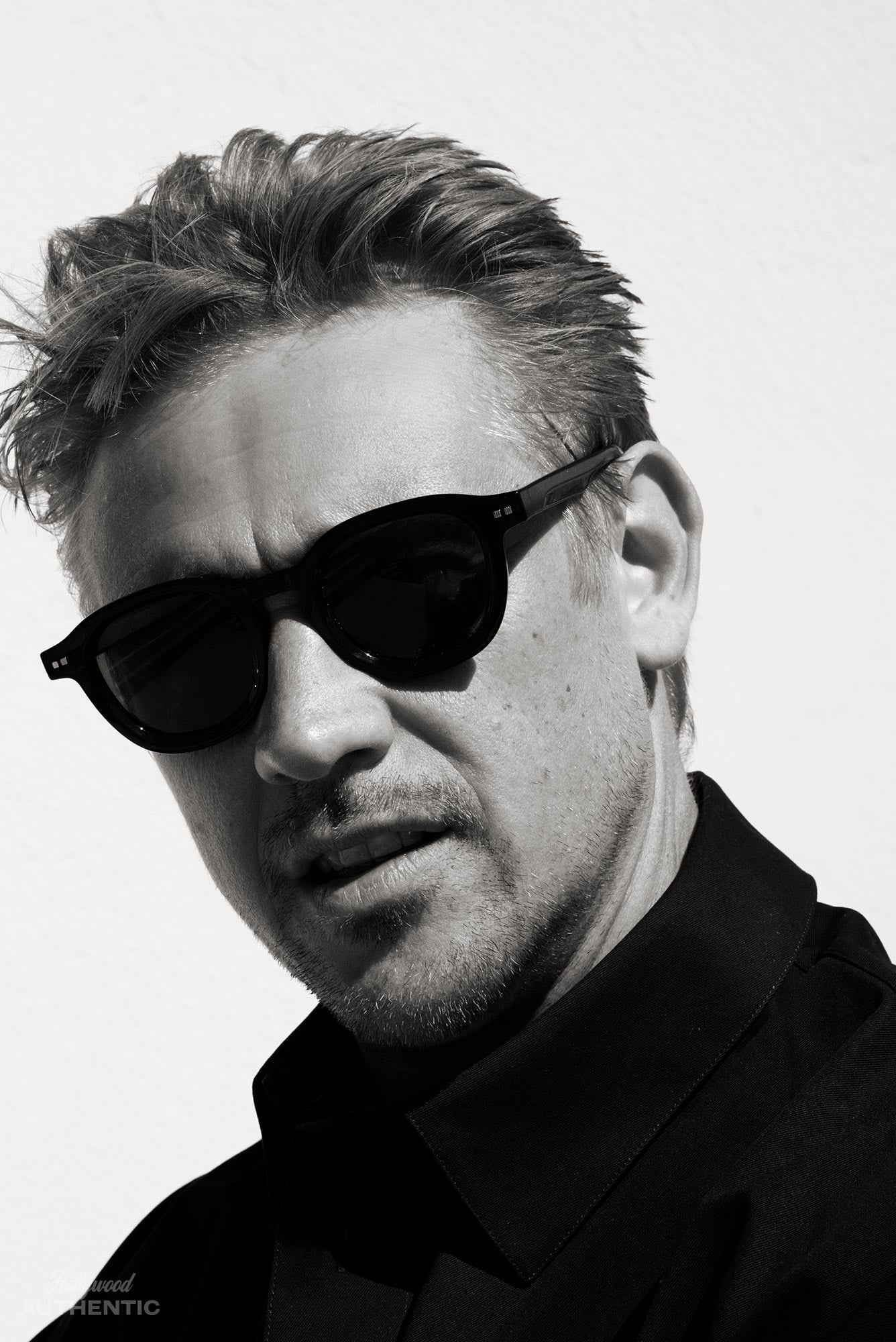
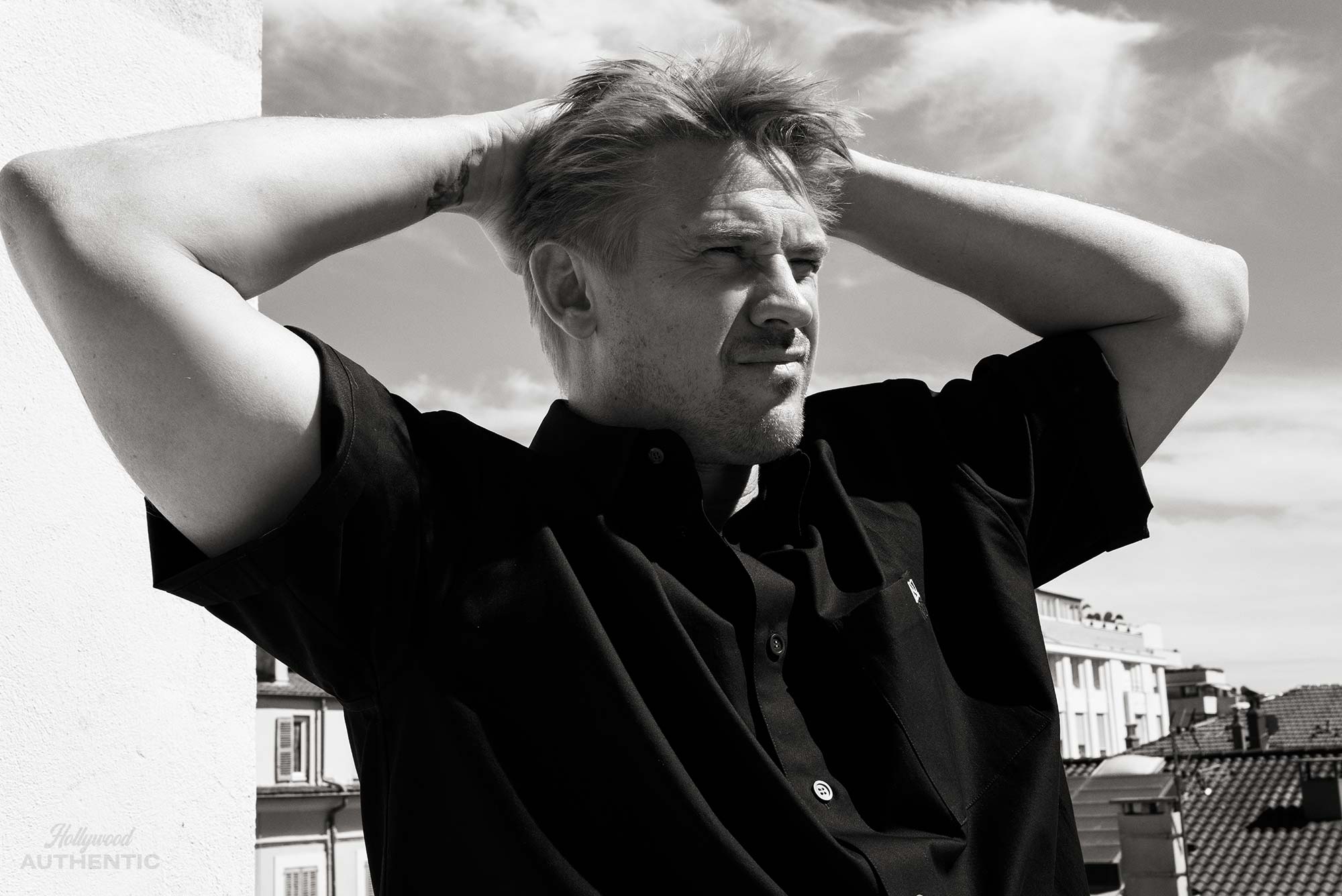
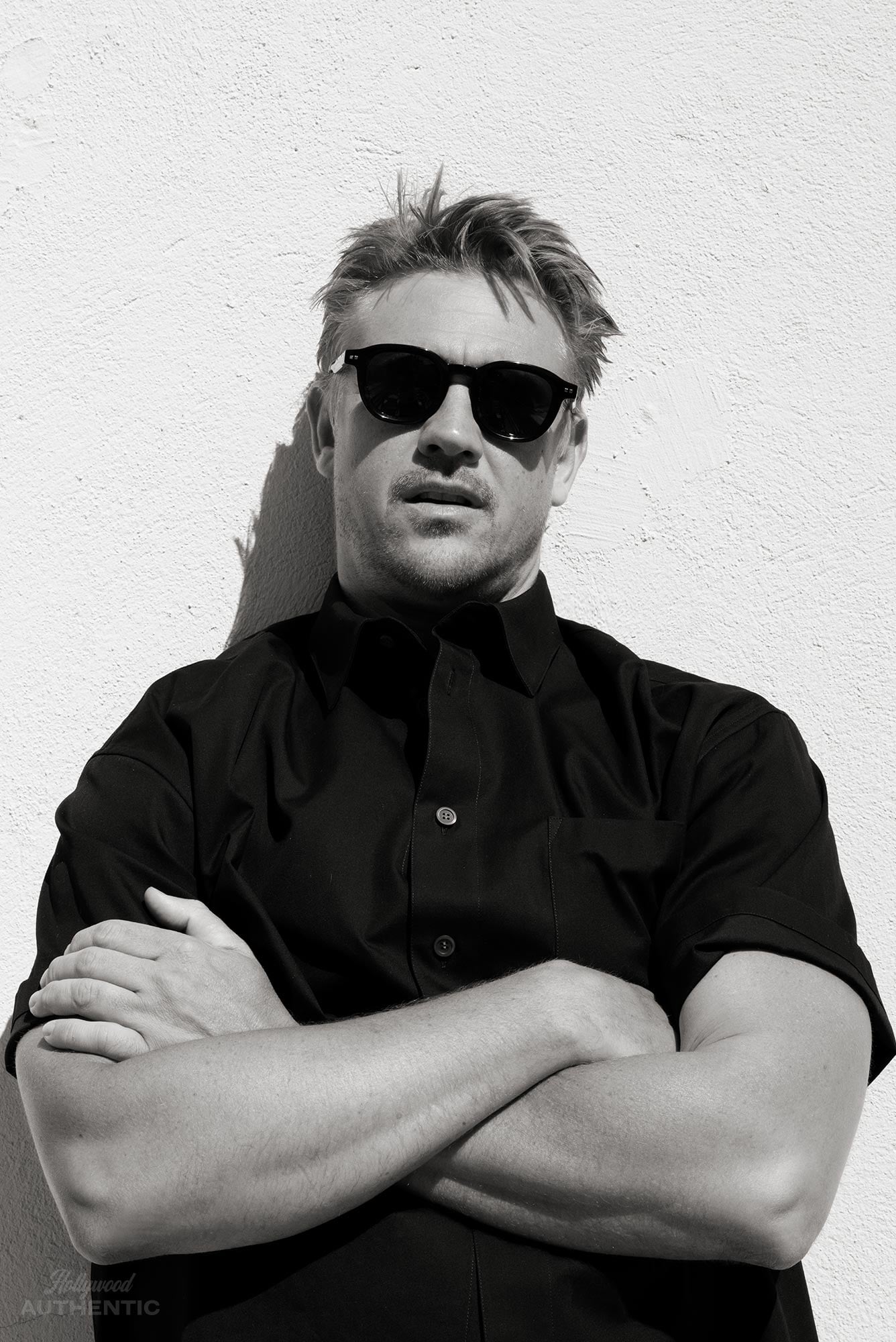
Atonement premiered at the 79th Cannes Film Festival Boyd wears Loewe Stylist Chloe Hartstein at The Wall Group Grooming Charlie Cullen at Forward Artists
Words & Interview by ARIANNE PHILLIPS As told to JANE CROWTHER
The award-winning British designer who has worked repeatedly with Mike Leigh and Joe Wright unpicks the fantasy element of period costumes in creating unforgettable looks for films such as Anna Karenina, Atonement, Little Women and Wuthering Heights.
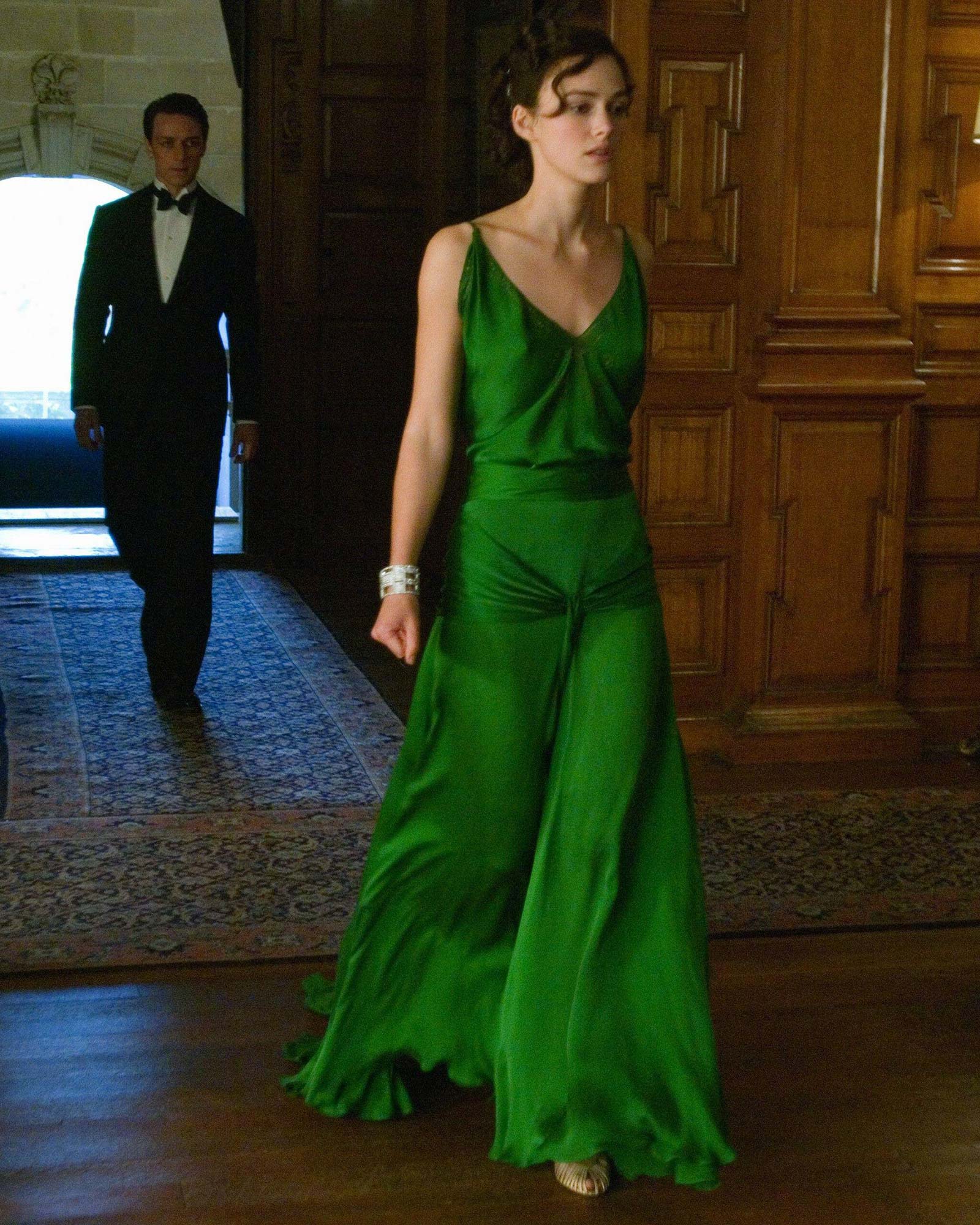
James Mcavoy and Keira Knightley in Atonement (2007). Working Title
Jacqueline Durran is a British costume designer celebrated for psychologically nuanced, texturally rich films that are both historically accurate and conceptually modern, across period-dramas and contemporary film. With a career spanning more than two decades, Jacqueline has become one of the most respected voices in costume design – and one of my favourite designers. She is known for her work with some of the most celebrated, respected and visionary directors, including Sally Potter, Steve McQueen, Greta Gerwig, Noah Baumbach, Emerald Fennell, Bill Condon, Sam Mendes, Pablo Larraín, and most notably her enduring collaborations with Mike Leigh, with whom she’s designed 10 films on which she has developed a documentary-like sensitivity with character and social texture.
Jacqueline rose to prominence through her ongoing collaboration with Joe Wright, with whom she designed nine films beginning with Pride & Prejudice in 2005. Notable films Jacqueline has designed include Atonement, Macbeth, Cyrano, 1917, Tinker Tailor Soldier Spy and Blitz, to name just a few. Her versatility extends beyond literary period-drama and across genres that include The Darkest Hour, Beauty and the Beast, Steve McQueen’s television series Small Axe, Spencer, Barbie and, most recently, Jay Kelly and Wuthering Heights. Jacqueline stands as one of contemporary cinema’s defining costume designers, bridging classical craftsmanship with modern sensibility. She is an eight-time Oscar nominee, of which she won two (for Anna Karenina and Little Women), an 11-time BAFTA nominee and three-time winner (for Vera Drake, Anna Karenina and Little Women), and a five-time Costume Designers Guild nominee.
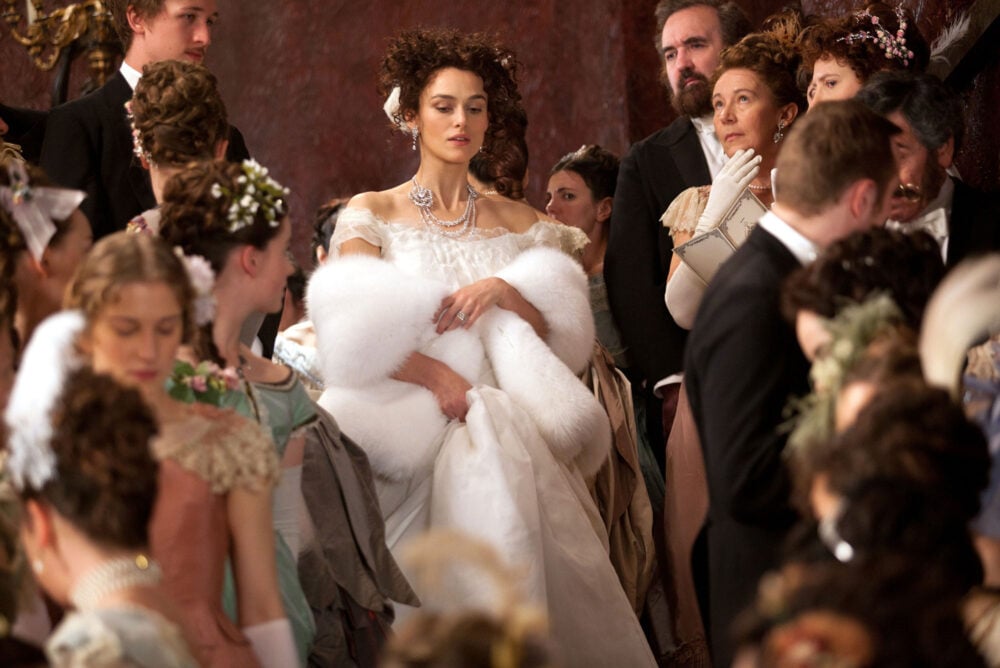
Keira Knightley in Anna Karenina Year (2012). Universal Pictures
AP: Where did you grow up and what inspired you to go into costume design?
JD: I grew up in the south of England. And I hadn’t gotten the idea that I would be a costume designer at all, ever. I didn’t even know that it existed all the way through to the end of university. I was a great reader, and I was quite academic. I did philosophy at university, and I left university and I just wasn’t sure where to go, or what to do. I sold vintage clothes at Portobello and Camden [markets], because I’d always loved clothes. I wasn’t brought up with film as a great part of my life, but one day I was watching a soap opera on British television, and I thought that the costumes were terrible. It was the thing in my brain that made me realise that somebody did costume. A good costume is so good that it’s almost beyond explanation or analysis, or you can’t identify with it, or you can’t see anything that you could bring to it, because it’s already perfect. My mother met someone who was filming a commercial in one of the buildings she was looking after. And she just said to them, ‘My daughter wants to do costume. What do you think she should do?’ And they said, ‘Oh, she should work in a costume house.’ So then I wrote to the costume houses, and the one that said yes was Angels. And then the whole world of costume opened up to me. Lindy Hemming was one of the designers that came in that I really connected with, and I really loved working on her shows with her. When I became freelance, I started working with her; Topsy Turvy was one of the first jobs I did with her as a full-time employee. She is entirely responsible for me being a designer. I don’t know if I would have done it, but at the time when Mike [Leigh] was doing his next film, which was All or Nothing, she said, ‘You’ve got to do it. I’m just going to tell him.’ And so she did. And I felt a terrible imposter, but I got the hang of it. And now, finishing on what might be his final film, I’ve done 10 Mike Leigh films.
AP: The fact that you studied philosophy, and that you were an academic makes perfect sense with not only projects that you choose to design, but the work itself. I would imagine you must enjoy research as much as I do?
JD: Yes I do love research but for me that is just the foundation on which you build the costumes. I find it hard to define the process of designing. Each project creates its own problems and its own patterns. Anna Karenina, for instance, was never going to be set in a theatre. It only became a theatre 10 weeks out. Prior to that, it was just going to be a period-drama set in period locations. But for one reason or another, Joe [Wright] decided to pivot and make it a theatrical movie. The switch taught me something – I realised that you picture a scene to understand what the costume is going to be. But if you can’t picture the scene or understand the location it’s a block to where you are going costume-wise. And you realise that everything is connected.
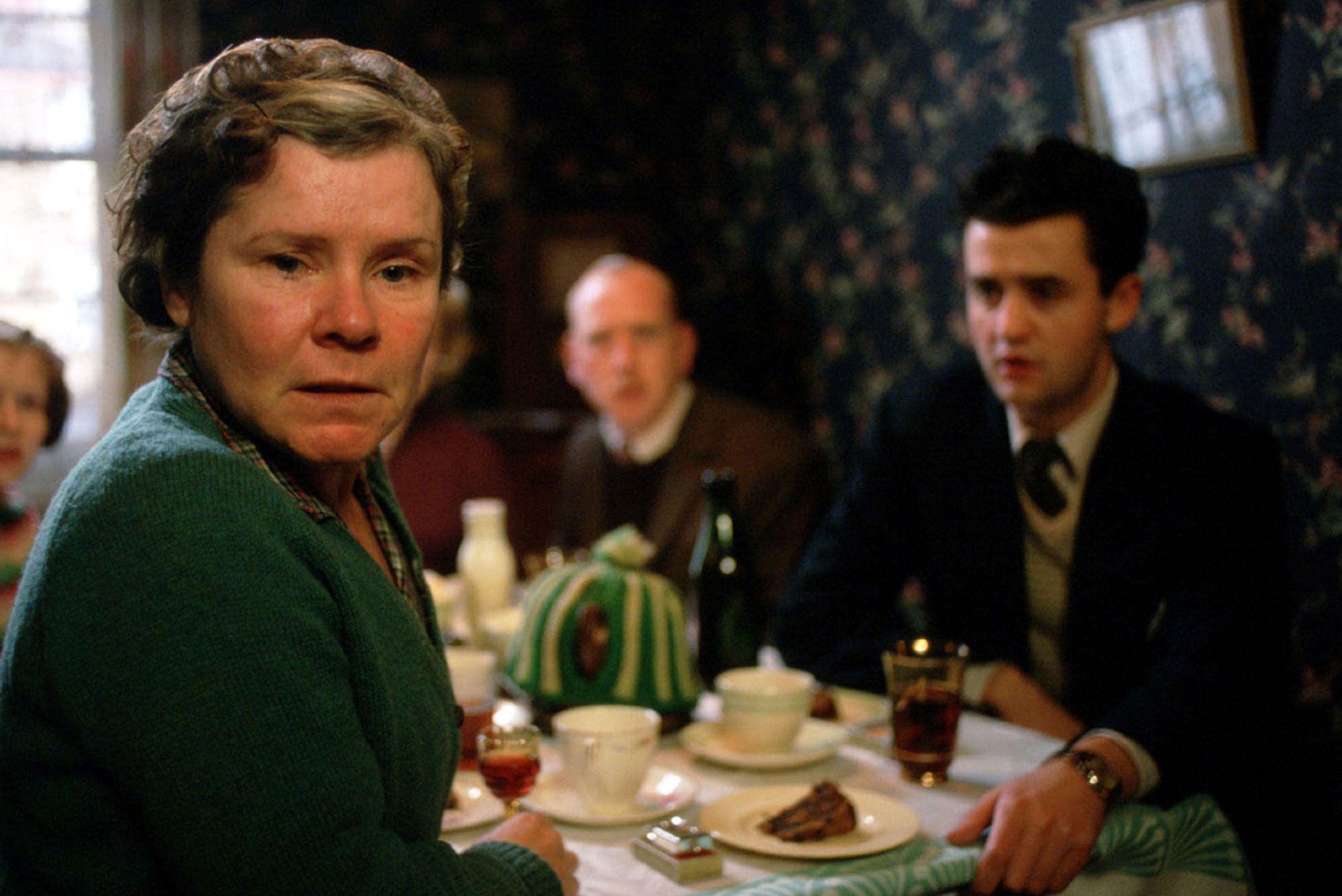
Imelda Staunton in Vera Drake (2004). Album
AP: People talk about your work all the time: the green dress in Atonement; the tailoring in Tinker Tailor Soldier Spy; those gowns in Anna Karenina, which I feel are reminiscent of Piero Tosi’s work. And then of course there’s Barbie and Wuthering Heights….
JD: Joe and I came to Atonement having already done Pride & Prejudice together. Obviously I read the book and the dress is such a pivotal moment in the film. Joe would just say to me, ‘It’s just got to be the most amazing dress ever.’ I went through books of different dresses, different designers for the period and I just chose all the elements that I liked. The motivation for the costume is: what would you put on if it was the hottest day of the year and you couldn’t bear the heat? Cinematographer Seamus McGarvey, Joe and I came up with a stack of green swatches, which I gave to Tim Shanahan, the dyer, and he created that beautiful green colour from the range of greens. The fabric for it was fine cream silk from a wholesaler called Whaleys – its lightness because of the heat of the day. And then the detailing on the bodice was taken from a Lartigue photograph where the dress was beaded. But because of the logic of the heat, and because we were trying to take away any weight or depth, I laser-cut that instead of beading it. So everything was about reducing and minimising the weight of this dress. And obviously it came to haunt me because every five minutes this bodice split. We made absolutely loads of them. I was always fully aware of the fact that I wasn’t sticking to period, because obviously if I take all these different elements from these different period references and put them in one dress, the dress is no longer period, because I’ve messed with it.
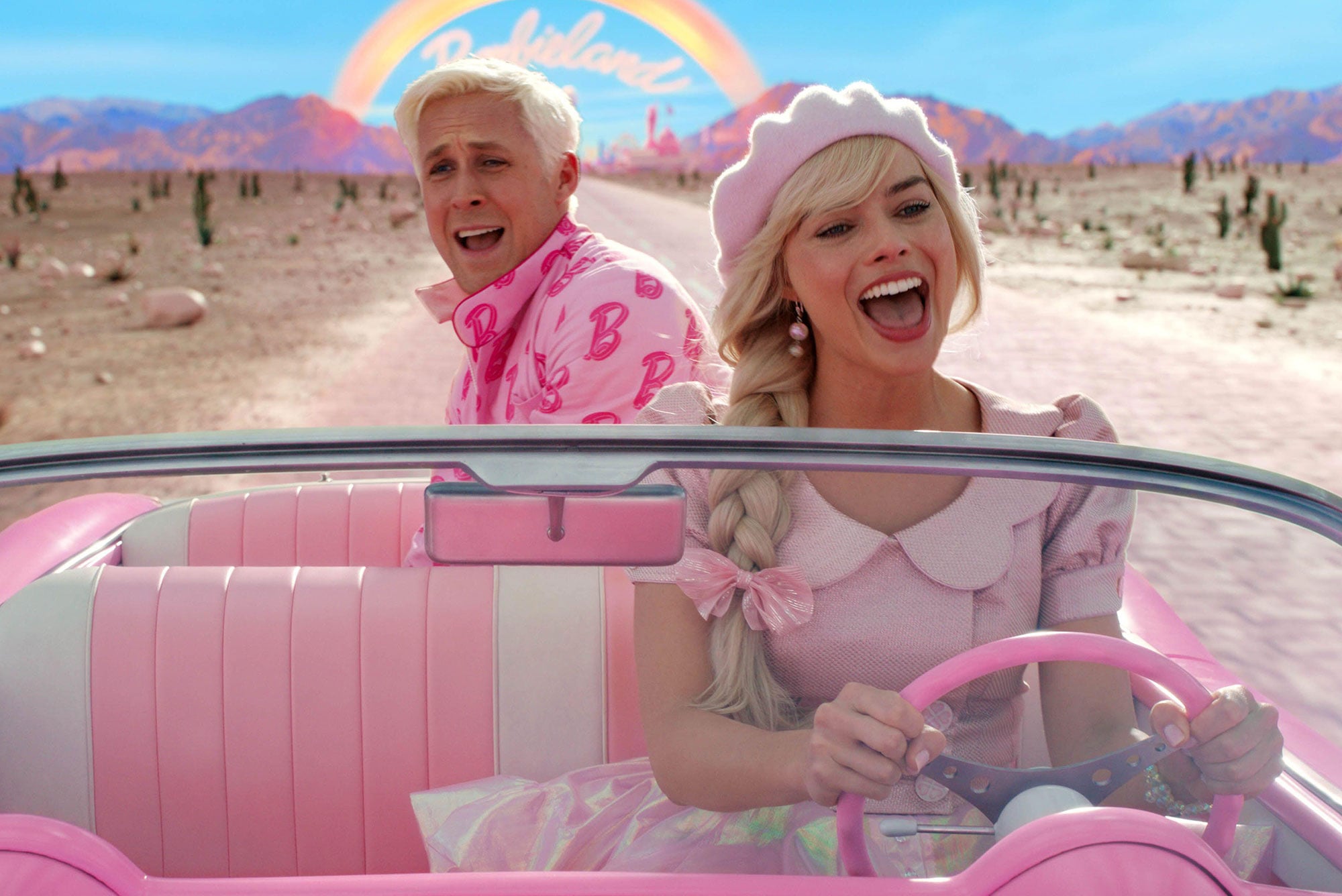
Ryan Gosling and Margot Robbie in Barbie (2023). Warner Bros. Pictures
AP: I really appreciate that because we’re making films, we’re interpreting a story and we’re creating a world. I think the greatest gift for me, working with a director, is that ability to interpret, and what’s appropriate for the story that we’re telling. It’s all taking cinematic license.
JD: When you’re working on the costumes of a period film you have to communicate the character. I do not believe that most of the audience would be able to interpret and understand a period costume if there was no license taken with how you communicate that. Anna Karenina was a good example of an artistic decision made in order to communicate a position, a theme and a meaning that Joe was bringing out in his telling, which was about consumption and opulence and display. So conspicuous consumption and the 1950s and the New Look after the war create a moment that you can transpose into the past. It is something a contemporary audience understands and it opens up the story set in the 1860s – it’s a key into the story but when you mix the two together, you are telling a new story. Costumes sometimes have to be invented for modern tellings of stories set in the past because the action in the script is not something that would have happened in the past. In Little Women, Greta asked for Florence [Pugh] to be downstairs in pyjamas, not fully dressed. If your director is telling a story, you may have to costume it in a way that is not accurate – but it is the director’s story that counts.
AP: What were your conversations like with Emerald Fennell when discussing Wuthering Heights?
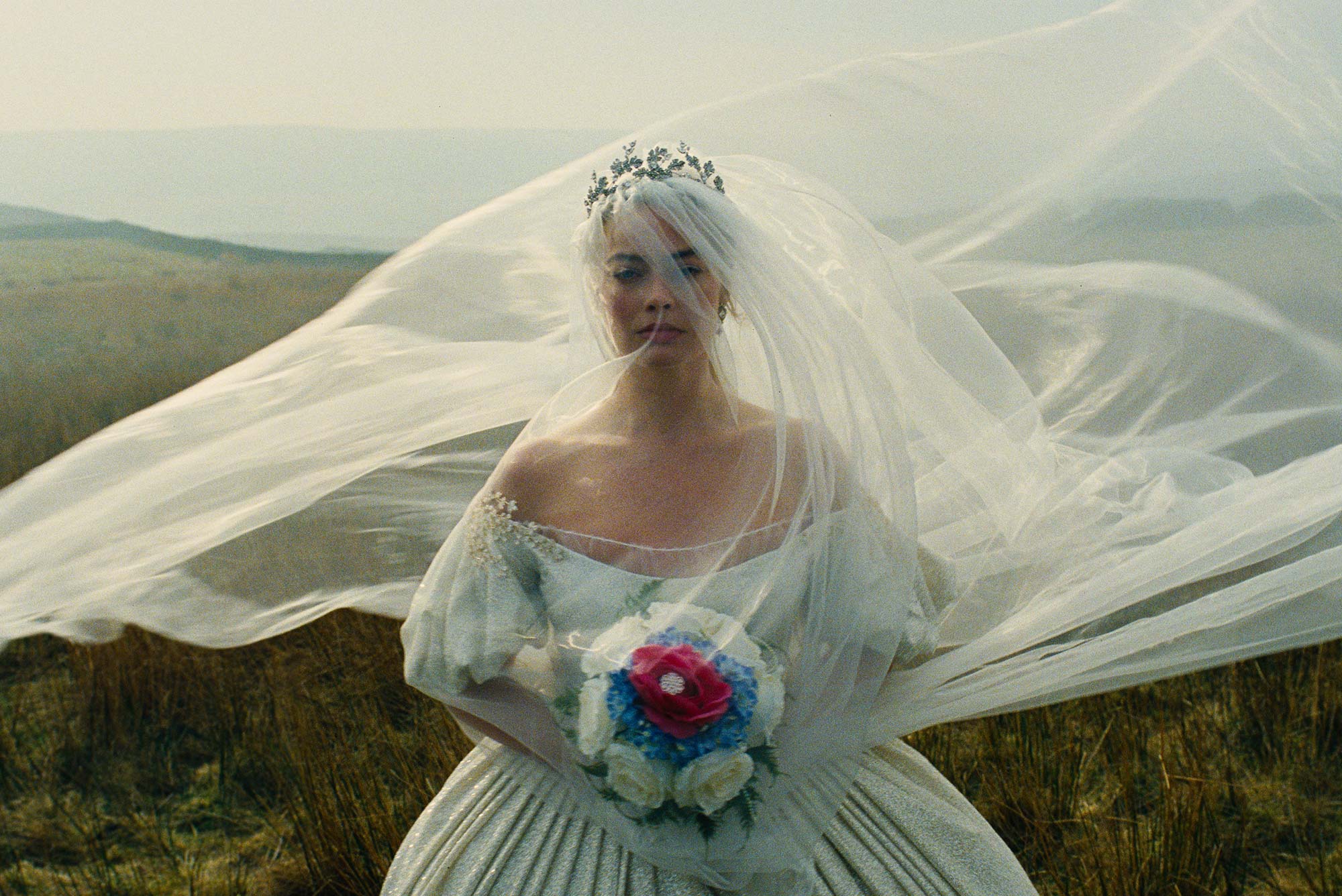
JD: During the time that Emerald had been writing the script, she’d put together this huge file of reference pictures from cinema, old paintings, photographs, fashion, the catwalk… This whole collection that probably spanned five centuries, and was completely eclectic. So that was my starting point. The film falls roughly into three acts. So you have Wuthering Heights, and you have Thrushcross Grange, and then you have Act 3, when Cathy is in mourning but she’s also in the full throes of passion with Heathcliff. Each act has a silhouette, to define it. The first costume that we see Margot [Robbie] in at Wuthering Heights was the result of my favourite piece of reference that Emerald gave me, which was the cover of a paperback edition of Angelique. It’s a drawing of a made-up character in a costume that’s from no period at all. It’s just imagined. And that was always the thinking in the process of Wuthering Heights – to hit this imaginary level all the time, and to hover somewhere in the past that’s non-specific. Margot jumps into the movie. She is in a costume. She is an imagined paperback novel cover. She is not in linen. She’s in silk. It’s not real. It can’t possibly be justified in any way, apart from in the imagination, and in what this woman is representing to the 14-year-old Emerald. Again we are telling Emerald’s version of the story, so I tried to incorporate as many of her references as I could. The wedding night costume came from a picture of a woman sitting wrapped in clear cellophane plastic with a big red ribbon wrapped round it. We wanted to use it because it worked symbolically – the woman was a gift. It doesn’t really have any period context at all!
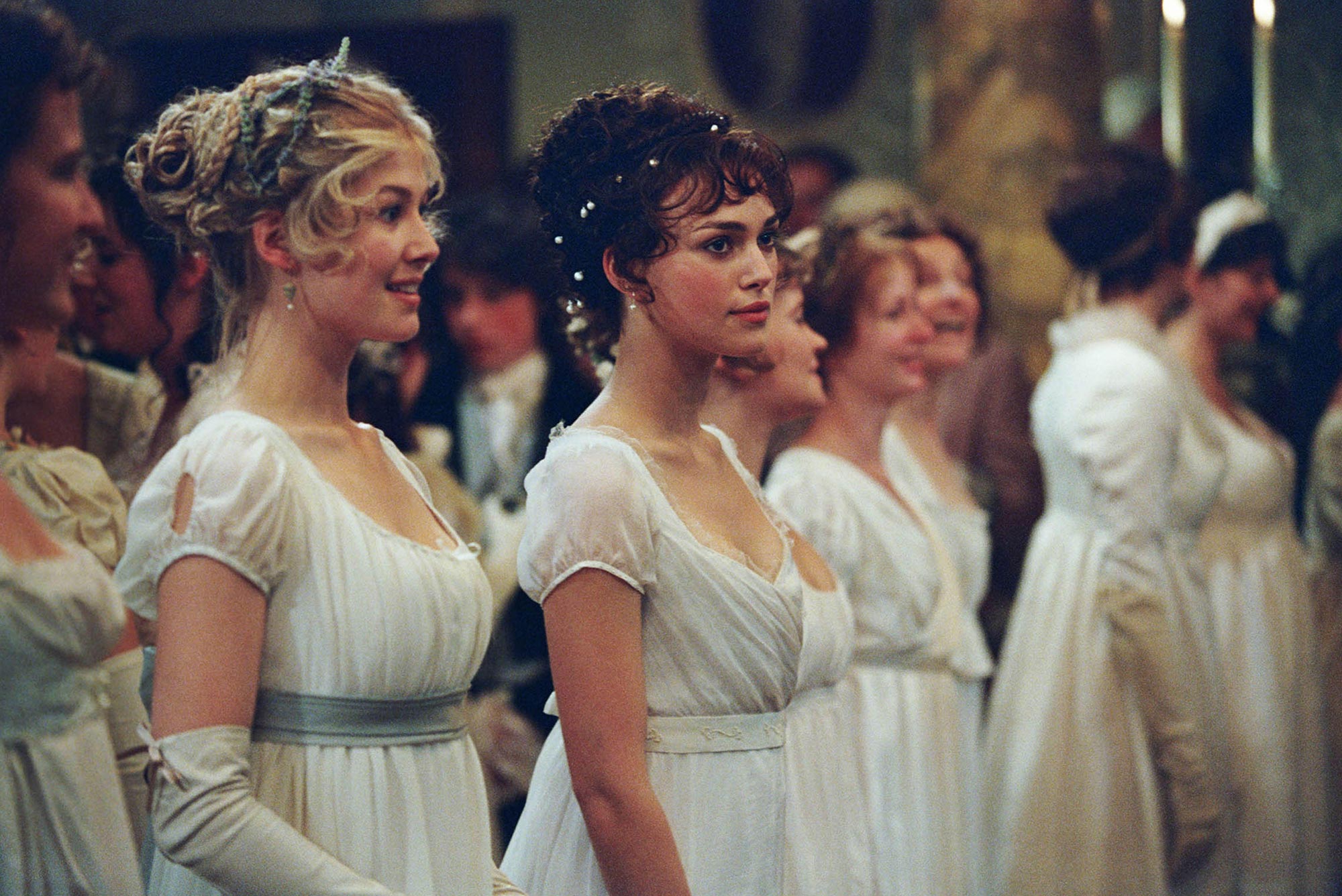
Rosamund Pike and Keira Knightley in Pride and Prejudice (2005). Universal Pictures
AP: The wedding dress was just beautiful.
JD: And it goes back again to the story that directors are telling. It’s not at all likely that that woman would have been walking across the moors on her own with a huge veil and a white, sparkly dress covered in glitter.
AP: Your work in Lovers Rock is one of my favourites…
JD: We shot it in 10 days, with two or three weeks of prep. I did a lot of research into different kinds of street looks of that period in Brixton. The one thing I noticed quite often was that at particular types of parties, West Indian women wore a particular type of dress that seemed to be quite proper. There was a soundsystem look, and then there was this other look, which was dressy and quite feminine. And Steve [McQueen] said, ‘Yeah, let’s do it.’ He created this room of people who were so in tune with each other. I think it’s an amazing piece of work.
AP: Is it important to work with a director with a real vision?
JD: The more precise the brief is, the more you’ve got the challenge of meeting that brief, but you’ve also got the excitement of getting there. If there’s never a brief, how can you ever arrive? That frustrates me. I can be given a really minute destination to land on, but if I don’t have anything to aim for, if I don’t understand what we’re doing, then I find it really hard to be creative. The greatest joy of making a costume is nailing it. Looking at it, and saying, ‘That is it. It’s the right costume for the right film, right now.’
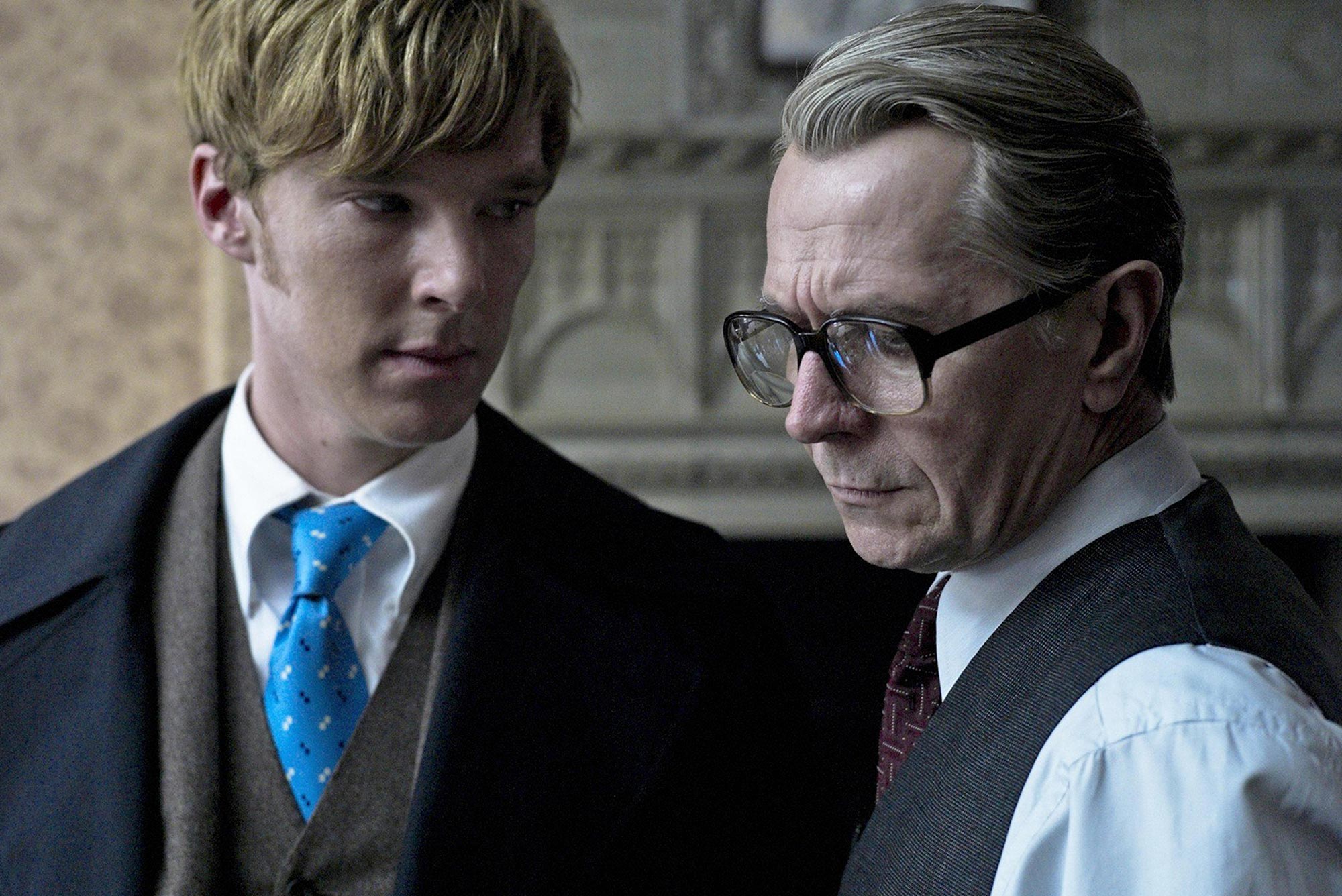
Benedict Cumberbatch and Gary Oldman in Tinker Tailor Soldier Spy (2011). Entertainment Pictures
AP: Do you draw? Do mood boards? Collages? Do you drape? How do you help your director understand your volume and your colour and the feeling?
JD: I really like mood boards. I just like the way that they’re incomplete. They’re like a suggestion of where you’re going. It’s going to be a combination of this and this and this. And I really like that. I like to get the fabric, and I like to look at it and see what it will do, and then start to look at the proportion on the stand. Interestingly I learnt the other day that Coco Chanel didn’t draw and she built a whole empire! I have often collaborated with Chanel on movies and we used their jewellery in Wuthering Heights. We were looking for fantastic large beautiful costume jewellery. They went through their archive and found an amazing selection from the ’50s to contemporary – it was perfect, especially the large jewelled gothic crosses which were so much a part of Cathy’s look. Over the years, Chanel have supported different movies I’ve worked on. Their contribution is so wonderful because they have a sensitivity to what the movie is and want to support that rather than impose themselves upon it.
AP: It makes me think of Kate Hawley’s relationship with Tiffany this year, for Frankenstein, and how she went into the archive. I had my experience when I did W.E. with Cartier and Van Cleef. It can be such a wonderful asset. I dressed Margot for Once Upon a Time in Hollywood, and we got a couple of pieces of Sharon Tate’s real jewellery from her sister. And that just became such a touchstone for her.
JD: Yeah, totally. And on Anna Karenina, it was diamonds. Chanel lent us millions of pounds of diamonds. I used to bring them out in a tray to Keira [Knightley]. This tray would be shining with diamonds, and it was a great Anna Karenina thing, because it was about that kind of conspicuous consumption. The diamonds were real, and I felt it was a really good kind of contribution to the whole costume.