


Photographs by GREG WILLIAMS
Interview by JANE CROWTHER
Greg Williams joins the team creating an LA story on set in the heart of Beverly Hills as writer-director Bart Layton explains how his heist movie, Crime 101, takes its inspiration from classic Hollywood and the harsh realities of La-La.
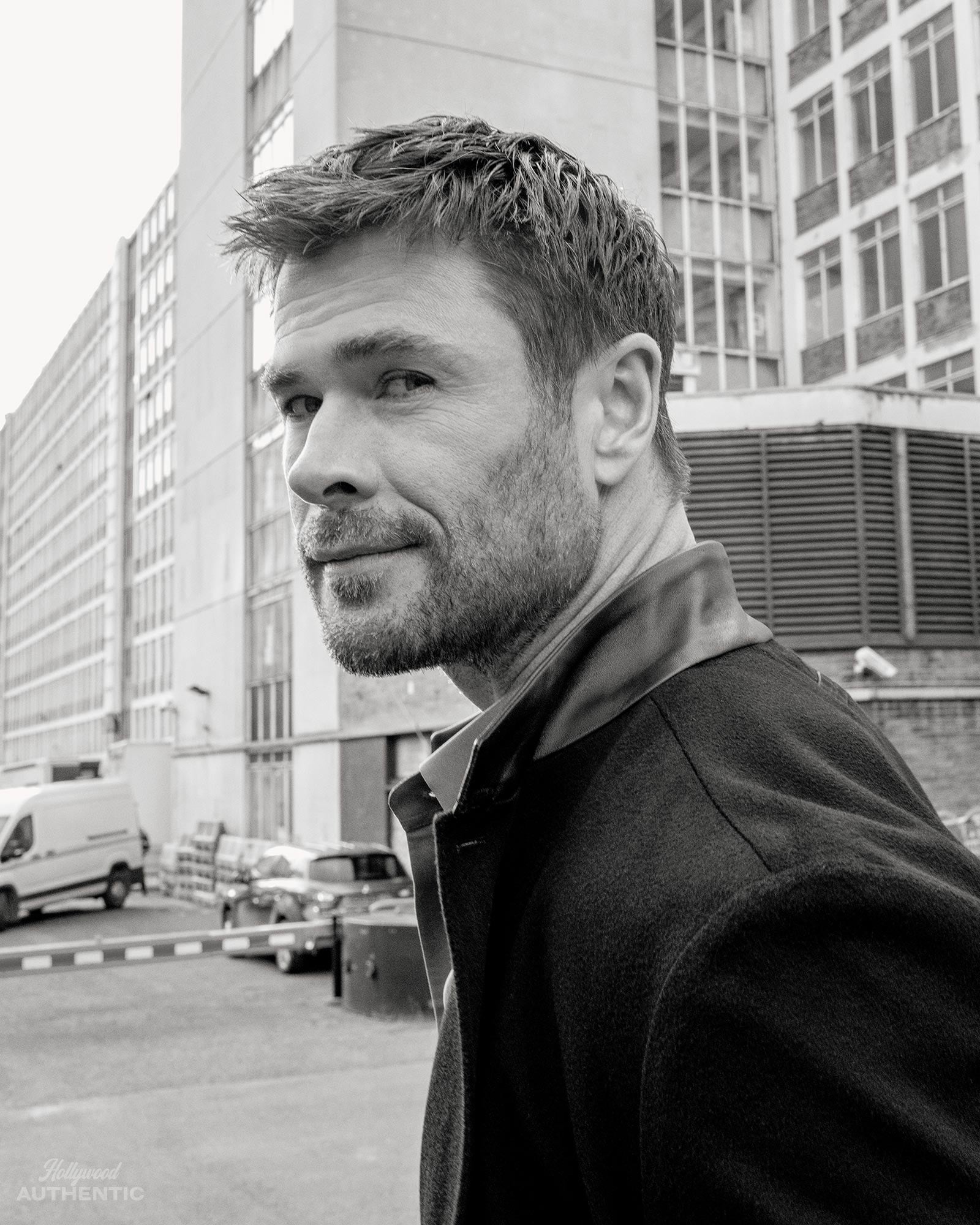
When Greg Williams meets the cast and crew of Crime 101 at the iconic Beverly Wilshire Hotel in Beverly Hills to capture the shooting of a new thriller for Amazon Studios, the building reverberates with classic Hollywood memories onscreen as well as off. ‘I think we were down the road with the Beverly Wilshire when someone mentioned that that was the Pretty Woman location,’ admits Brit writer-director Bart Layton. ‘I was also watching Beverly Hills Cop, and they use it there as well.’
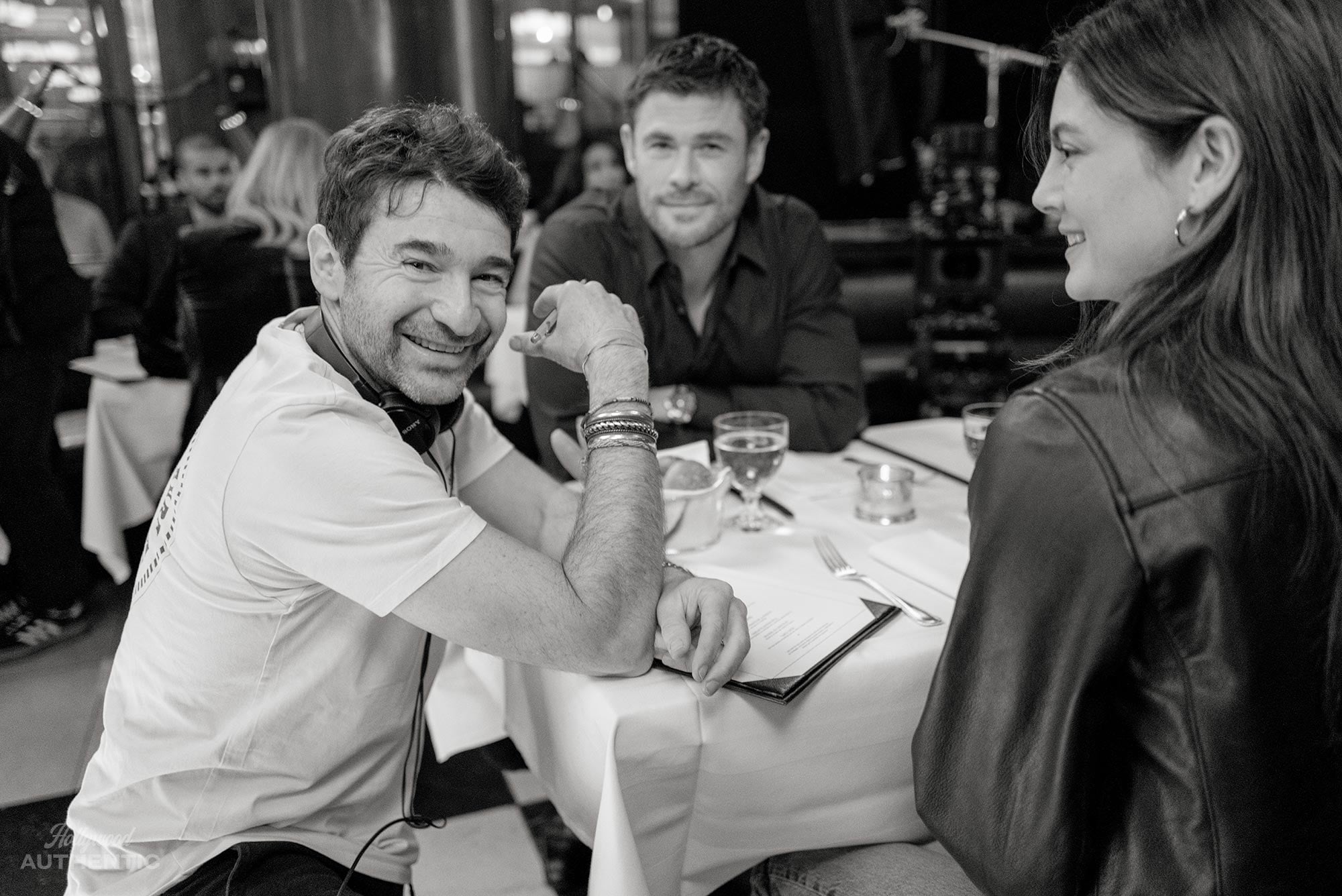
I think a lot of what I wanted to do was have a big movie experience where it does feel like it can be a really enjoyable, fun night out. But also the characters and the storyline all exist within this world that we all inhabit. You want a real ripping yarn but once the super-structure is put in place, it gives you this ability to talk about other things
Though his choice of location was unintentional, his aim to create something of a throwback movie with the original story of an LA criminal (Chris Hemsworth) robbing jewel couriers at points along the city’s arterial highway, the 101, was not. As Hemsworth’s robber works the gems, a cop (Mark Ruffalo) trails him, a HNW insurance broker (Halle Berry) crosses paths with him, a mercurial competitor (Barry Keoghan) challenges him, and a young woman (Monica Barbaro) crashes – literally – into him. ‘It felt like there weren’t many of those kinds of movies being offered up in theatres with a big, fancy cast,’ Layton says of his inspiration for the intersecting stories, name checking Cassavetes’ The Killing of a Chinese Bookie as a cinematic touchstone. ‘I think a lot of what I wanted to do was have a big movie experience where it does feel like it can be a really enjoyable, fun night out. But also the characters and the storyline all exist within this world that we all inhabit. You want a real ripping yarn but once the super-structure is put in place, it gives you this ability to talk about other things.’

The framework of a heist movie allows Layton to explore themes of wealth disparity, inequality, sexism, homelessness and status anxiety. ‘It’s certainly not something that’s limited to LA, but there is something very unique about that town where what you have, and what you drive, and how you look, and youth and beauty and money, is really the currency. There’s also a recurring theme of: what are you doing for yourself? Versus what are you doing for the opinion of other people? LA is a place where you can end up getting a little off-track if you’re not careful by focusing on spending your life doing things for the benefit of how other people will see you, and that will give you some sense of self-worth and some value.’
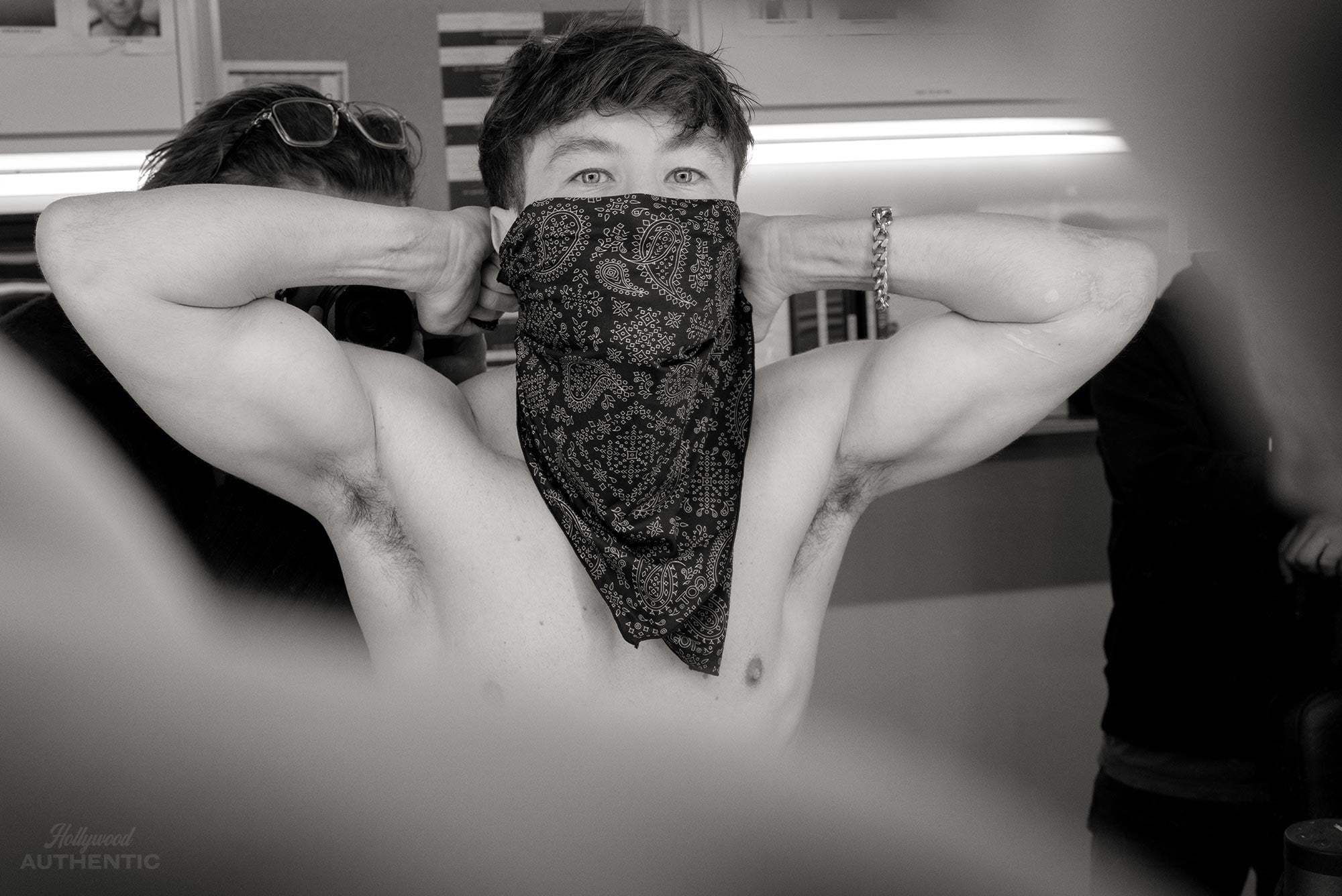
Thrumming throughout the film – like a blood vessel – is the eponymous 101; used as a get-away, seen from high rise offices, heard from low-income housing and seen as a red-and-white artery of head and tail lights. ‘Aside from the Beverly Wilshire, I wanted to film in places that weren’t frequently seen, to get the full spectrum, a bit of the underbelly. There is a topographical separation in LA. If you are the wealthiest of the wealthy, you physically live further above sea level, so we wanted to represent that a little bit. Each of the characters inhabited their own landscape of different materials and textures.’
While looking for locations, Layton confesses he used some of his experiences in the final script to add authenticity. ‘A lot of what was written into the character that Tate Donovan plays [of a multi-millionaire] was actually inspired by when we were scouting all of these mansions. We would find these guys nutting about in these mansions in amazing locations above the city, with these extraordinary art collections that were a complete hodgepodge. They were just valuable. So I wrote that in.’
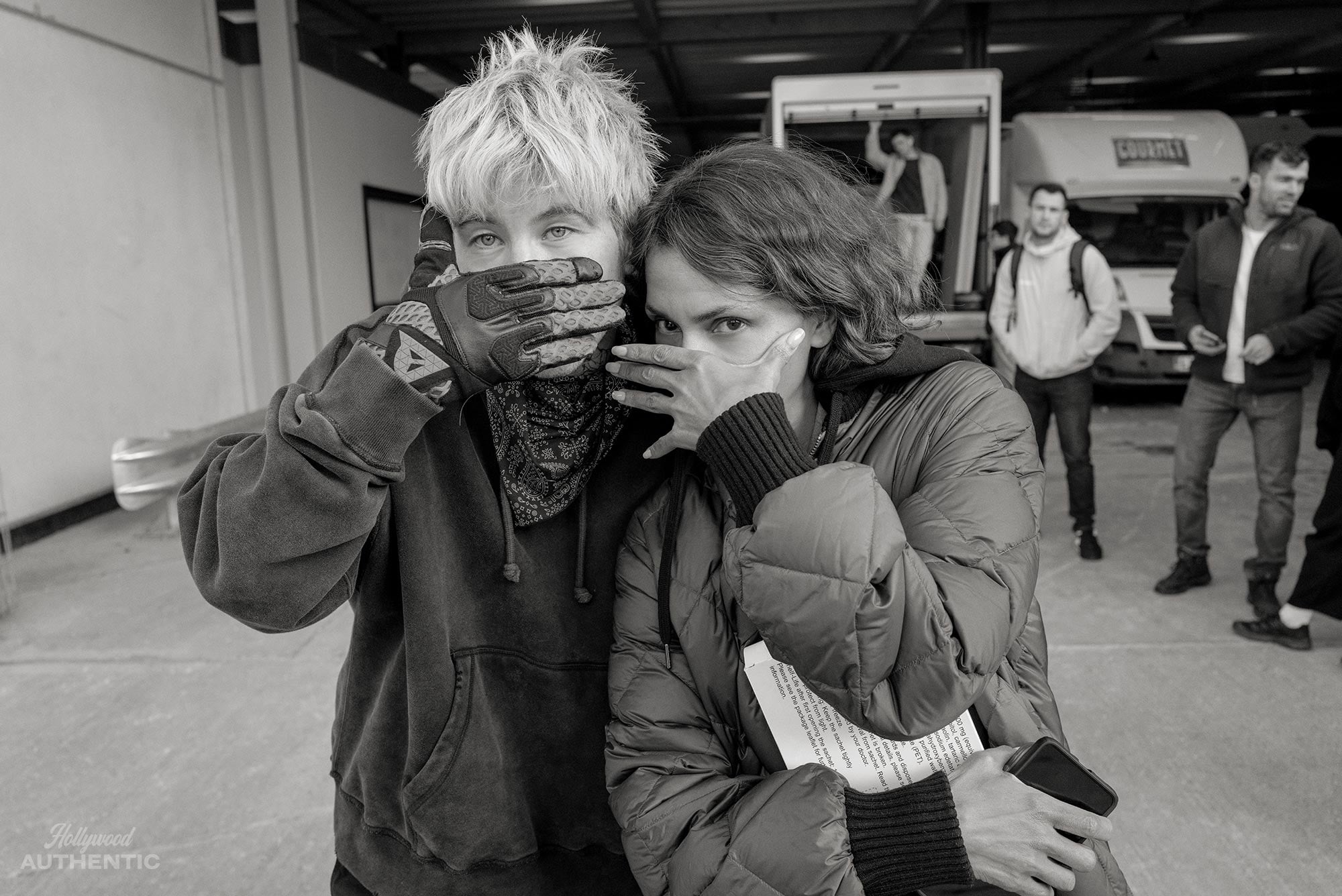
There were places where I was probably referencing William Friedkin – To Live and Die in LA and The French Connection. Billy Friedkin saw American Animals, and then I got summoned to his house, which I was obviously never going to not do, because he is a big inspiration and a hero
He placed Ruffalo’s cop in the Valley, created high-end jewellers in Calabasas after scouting trips, and based a harrowing jewellery robbery on research trips to real-life family-owned businesses Downtown and chats with gem couriers. His research helped create a tapestry of the have and have-not stratas in the City of Angels. ‘In the 45 minutes that a 9- or 10-carat diamond takes to go from Downtown to Calabasas or Santa Barbara, it may increase in its sellable value by 500% or 600%. Because I come from a documentary background, I’m constantly looking at: how can I get whatever there is, whatever the texture of the real world is – how can we borrow that, or steal it, or leave the door open for it? Believe it or not, there are people who do the job that Chris does in the film. And there are a few of them in prison!’
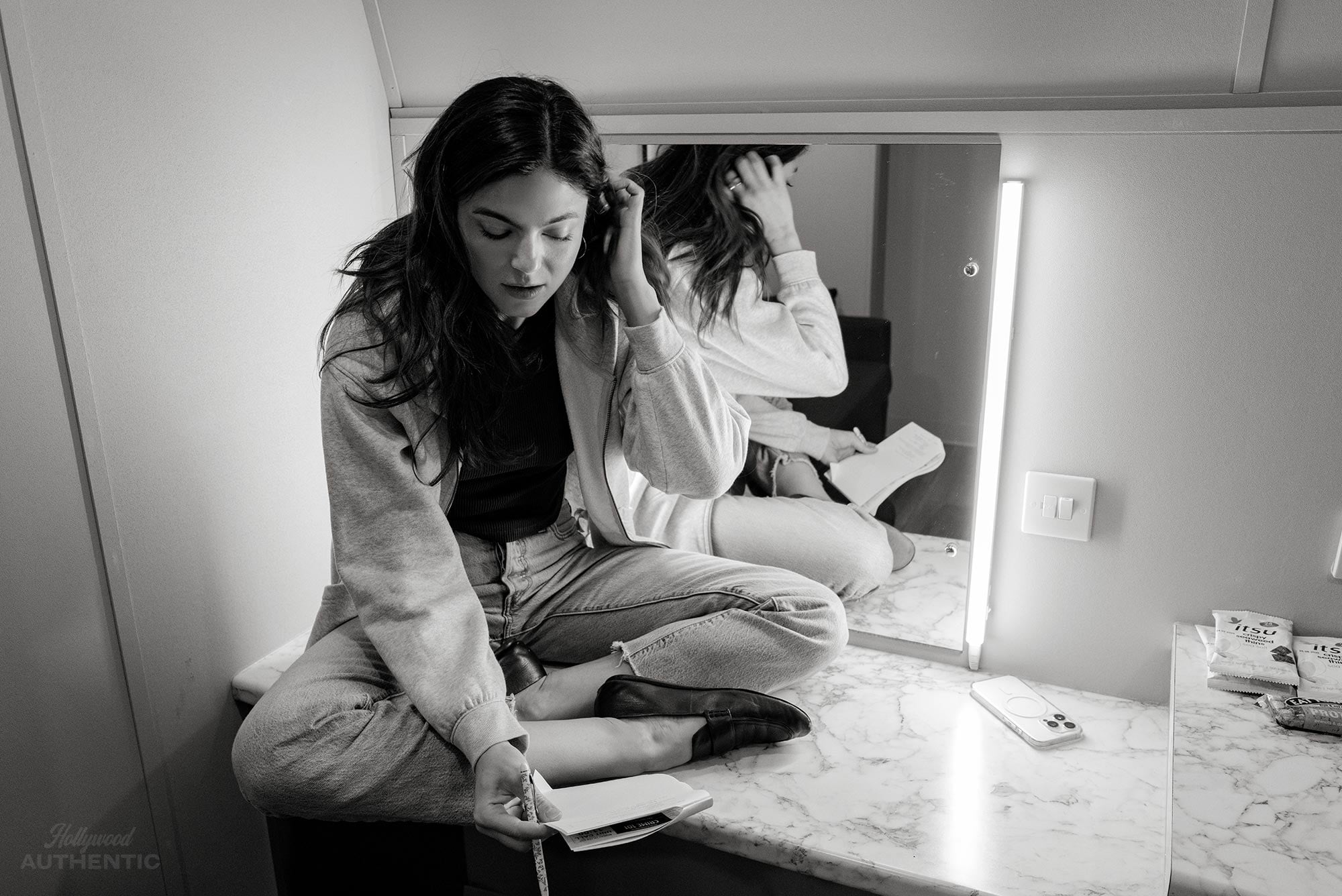
Also key to creating a convincing world was casting the right actor to play an inscrutable, methodical robber who’s driven by his childhood experiences. He sent the script to Hemsworth and the two got together to chat. ‘I said, “It’s not going to be a flawless hero…” And the more I said about this character being real the more he was excited by that. So we were both on the same page. So then for me the challenge was: can I find a way not to lose any of his incredible star power and magnetism, but to still find a way for him to be real.’
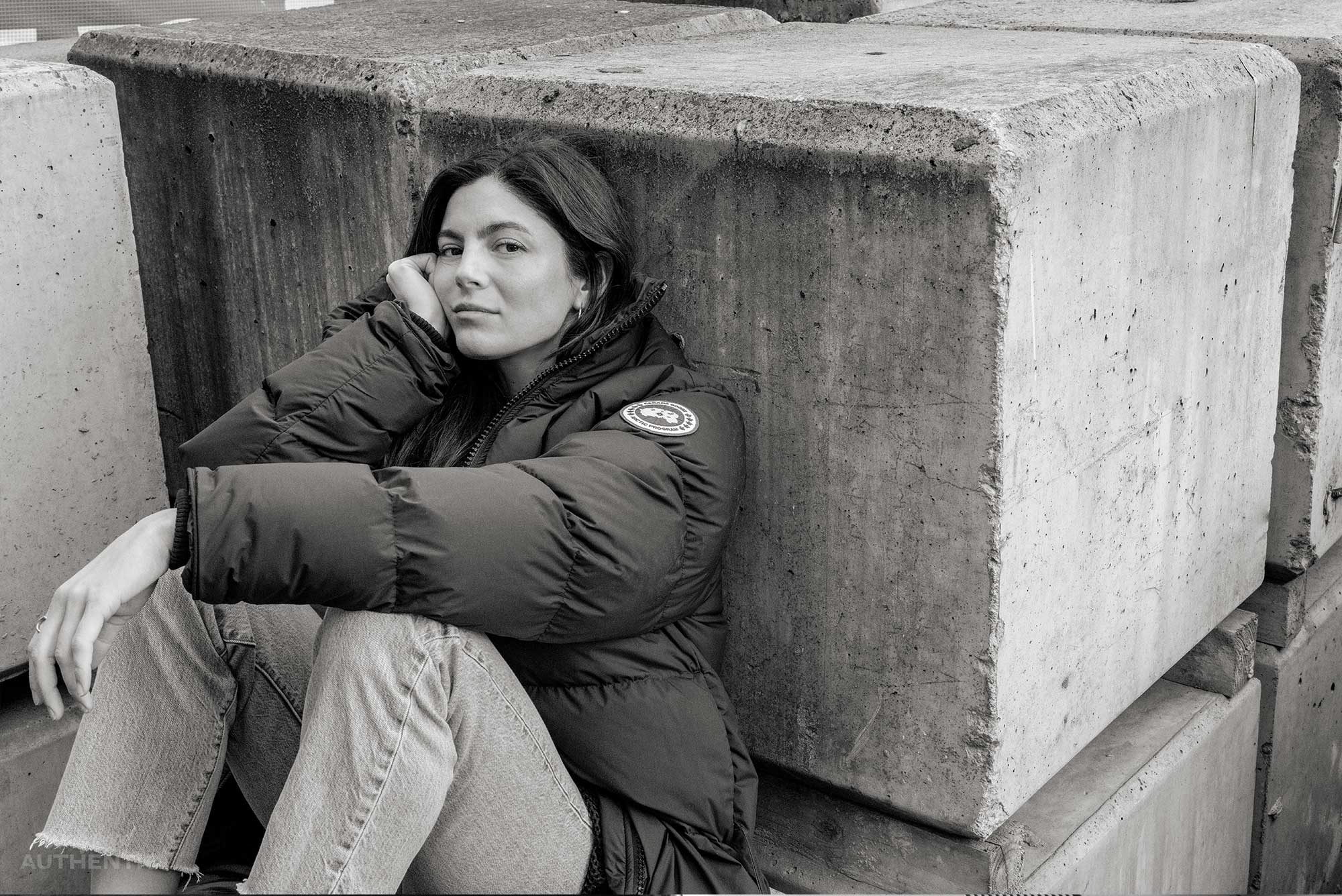
The writer-director wrote a role for his American Animals star, Barry Keoghan, creating a trigger-happy antithesis to Hemsworth’s clinical pragmatist, and met with Halle Berry for the role of Sharon, an insurance broker who can’t break the glass ceiling at work. ‘She said, “I don’t just know Sharon. I am her,”’ Layton recalls, writing around her during shooting, adding aspects that played into her own experience.

Though the filmmaker says that writing and directing his first full fiction film was ‘out of his comfort zone’ and ‘a big leap’, he felt confident he could essay heart-in-mouth chase sequences skidding through LA neighbourhoods after a masterclass from a pro. ‘There were places where I was probably referencing William Friedkin – To Live and Die in LA and The French Connection. Billy Friedkin saw American Animals, and then I got summoned to his house, which I was obviously never going to not do, because he is a big inspiration and a hero. We talked about how he did those [chase scenes]. So this was just taking that and having a bigger train set than I’d ever had to play with before.’

Again, the conversation returns to the pleasure of creating an original story in an industry often dominated by established IP – even if Layton has pitted Thor against The Hulk in putting Hemsworth and Ruffalo on-screen together as adversaries. He laughs. ‘It’s good for everyone to have more choice. I feel like we should all have more of that in the cinema…’
Photographs by GREG WILLIAMS
Interview by JANE CROWTHER
Crime 101 is in cinemas now