Photographs MARK READ
Words by JANE CROWTHER
From The Beatles and Bond to Stars Wars and Harry Potter, Abbey Road Studios has seen decades of artistry created within its panelled walls. Hollywood Authentic takes a look around the Grade II-listed first recording studio in the world.
It was formerly a mundane, 1831-built, nine-bedroom town-house in a leafy north London suburb, but the labyrinthine building sitting next to a humble zebra crossing is now a historical landmark, a fan pilgrimage and the birthplace of seismic musical moments. In 1929, this address became the world’s first dedicated recording studio when the Gramophone Company bought the property for £16,500 and spent two years converting it in order to capitalise on a growing record industry. In the nine decades since, those famous doors have welcomed artists such as Pink Floyd, Amy Winehouse, Oasis, Shirley Bassey, Lady Gaga and Stormzy – and most famously, the Beatles, who recorded 190 of their 210 songs there between 1962-1970, working with Parlophone Records producer George Martin. It was also the place where groundbreaking stereo sound was invented by technician Alan Blumlein in 1935 and artificial doubletracking courtesy of Ken Townsend (working with John Lennon) in 1966.
Back in 1931, the company probably couldn’t imagine the rock ‘n’ roll happenings that would come to pass under their roof as they opened the building on 12 November with Sir Edward Elgar and the London Symphony Orchestra performing a stirring rendition of ‘Land of Hope and Glory’. But as the Gramophone Company merged with the Columbia Graphophone Company to form Electrical and Musical Industries (EMI), the studio became less synonymous with classical music (though Maria Callas, André Previn and Jacqueline du Pré recorded here) and more connected to the cultural shifts of popular music. Glenn Miller and Fat Waller laying down tracks before the British rock of the ’50s (Cliff Richard and The Shadows and Johnny Kidd and The Pirates recording in Studio 2) and the swinging ’60s ushered in even more sonic revolution. The Merseybeat scene arrived in St John’s Wood, along with the most iconic of Liverpool’s sons, John, Paul, George and Ringo. During the ’70s, artists such as Pink Floyd, Wings, the Plastic Ono Band and Elton John (who started out as a session musician at the studios) worked here, while the ’80s brought the likes of Kate Bush, The Fall, Duran Duran and the Pet Shop Boys. By the ’90s, the Gallagher brothers were rocking out in the same studio that their heroes had created in, and Blur, Manic Street Preachers and Radiohead crafted seminal albums.
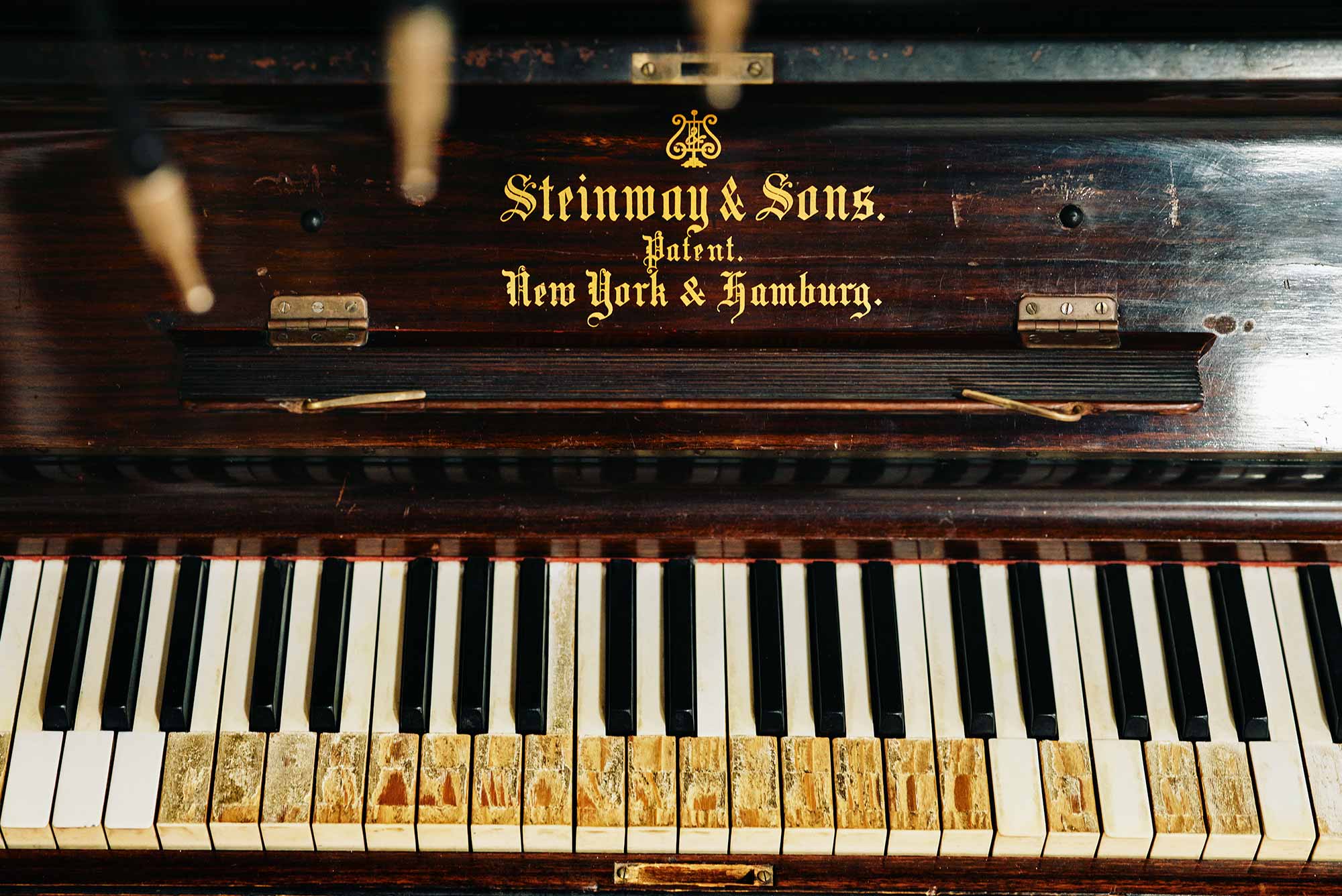
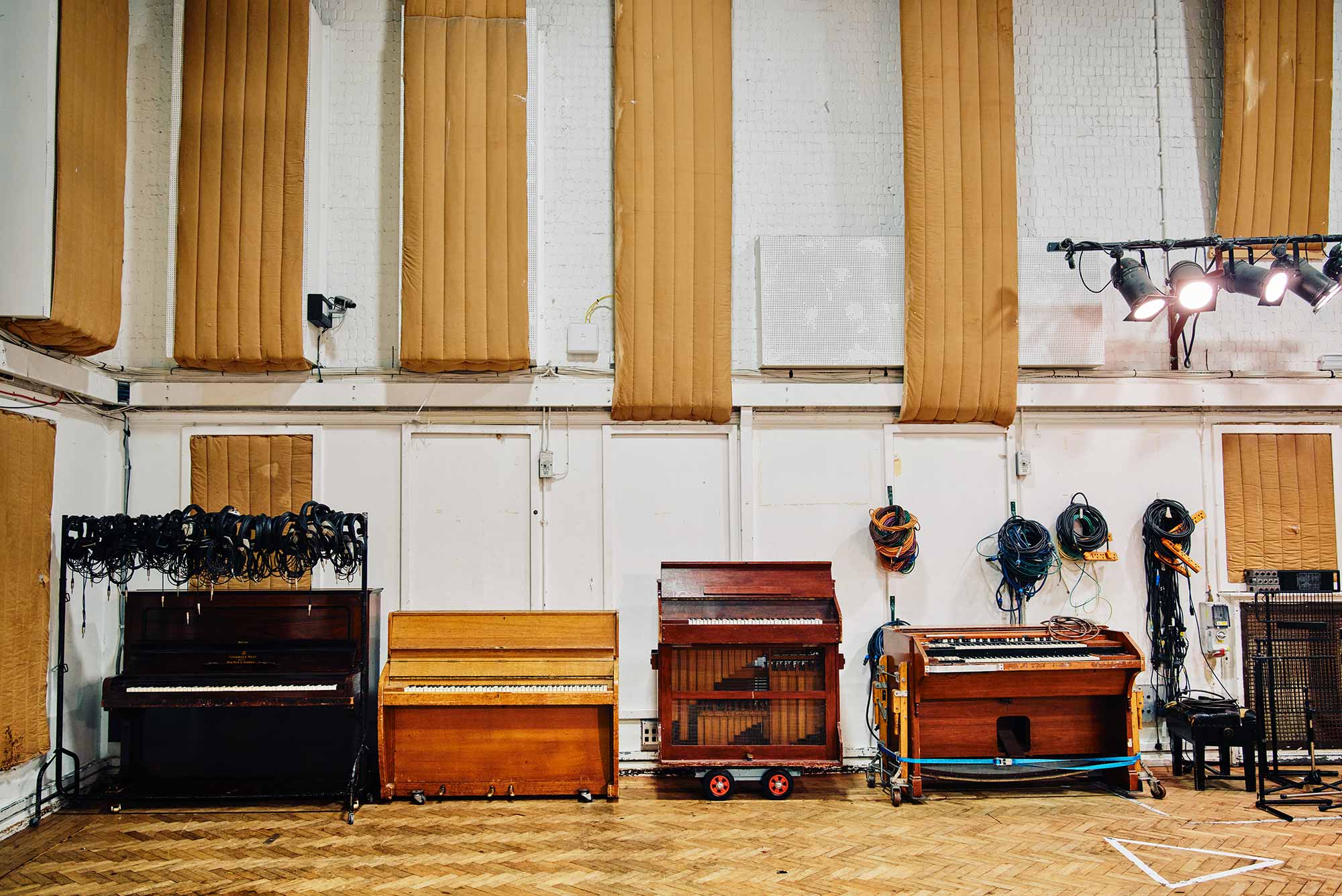
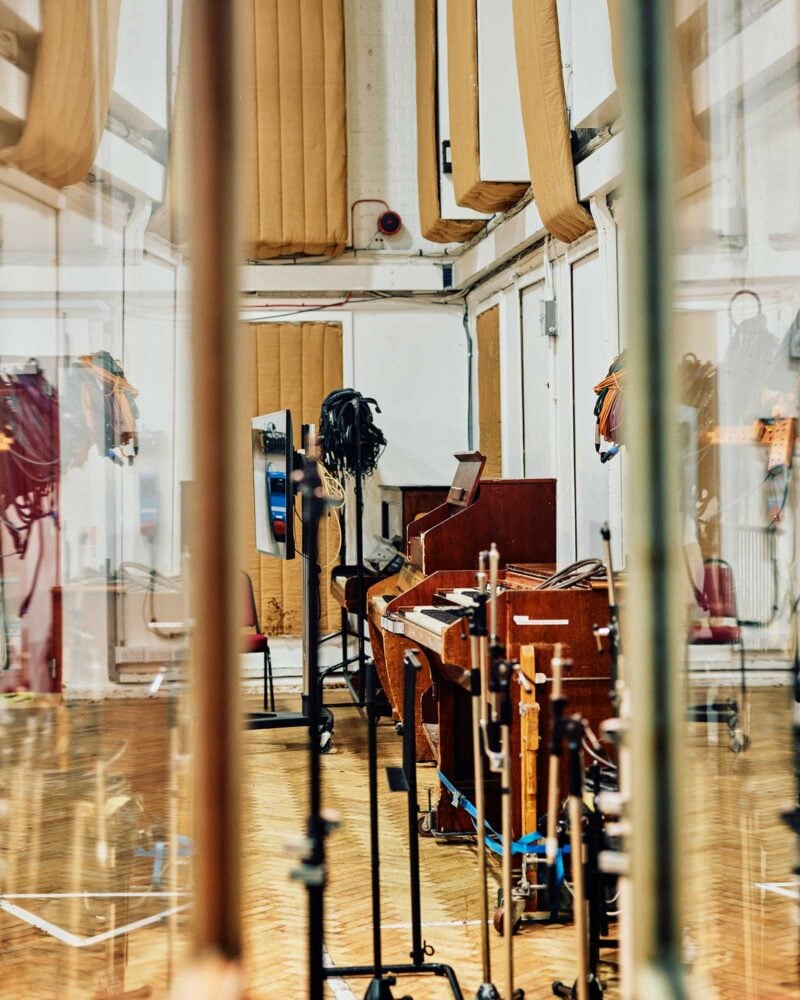
This is where the Beatles’ created most of their work and the upright ‘Mrs Mills’ piano used by McCartney on ‘Lady Madonna’ still lurks in the corner, as does much of the recording and mixing equipment in the control room
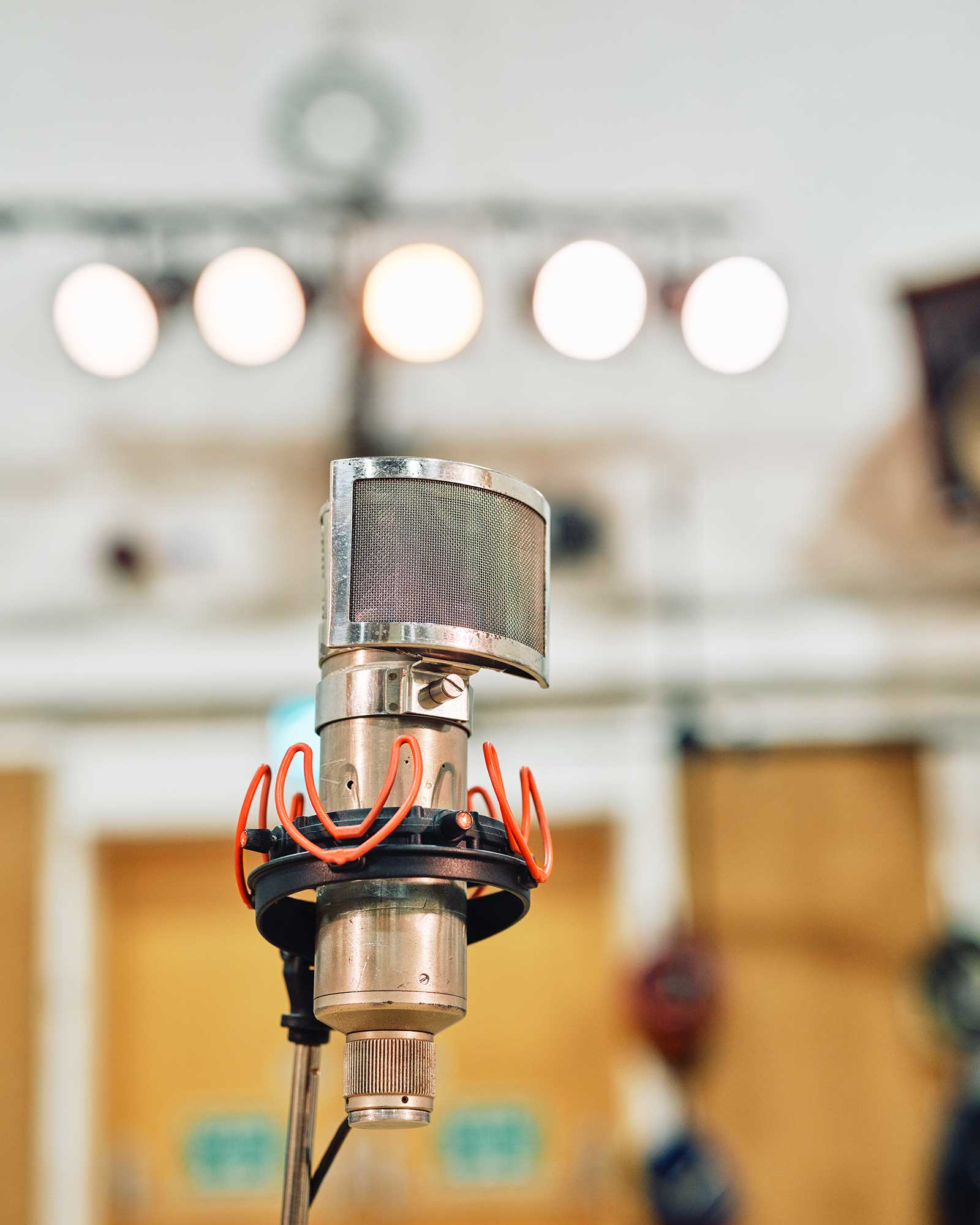
During their tenure, the Fab Four bent the rules of musical convention and of Abbey Road’s session times. Studios were traditionally booked for three hours at time while technicians wearing white coats diligently recorded the fruits of artists’ labours. With the arrival of The Beatles and their playful approach to music making, the sessions turned into all-nighters and the technicians became integral engineers to the experimental sound, creating new equipment (mixing desks, speakers, mics, echo chambers) that became industry standard – much of the original equipment is still available for (very careful) recording use in 2026. In 2010, Colin Firth recorded his speech for The King’s Speech using King George VI’s actual microphone from the period – one of over 800 vintage mics the studio owns.
The Beatles used the cavernous, 4,844 square foot Studio One and the more intimate Studio Two to develop their experimental sound. The safe, private nature of the place was so integral to their creativity that they named their 1969 album after it – and created traffic jams for eternity caused by generations of fans recreating the album cover shot by Iain Macmillan on the crosswalk outside the front door. By 1976, the studio had followed suit and renamed itself Abbey Road, its Grade-II status conferred in 2010. That means the building cannot be radically altered, but stepping inside, why would you want to? Ascending the stairs to the front door is literally walking in the footsteps of giants and the hallowed feel inside is tangible. Though the reception area has been modernised recently, much of the Tardis-like back of the building remains the same as in its heyday.
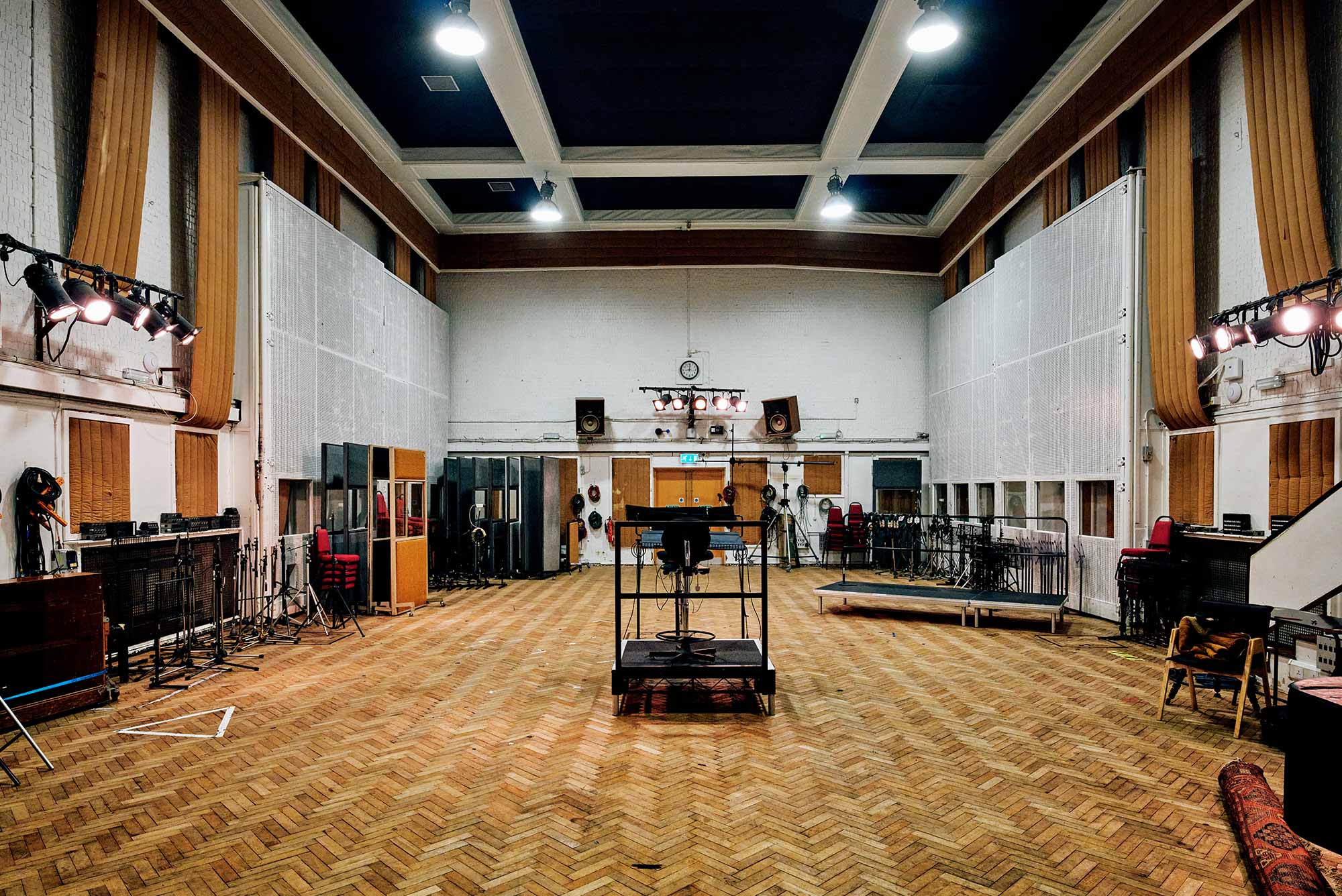
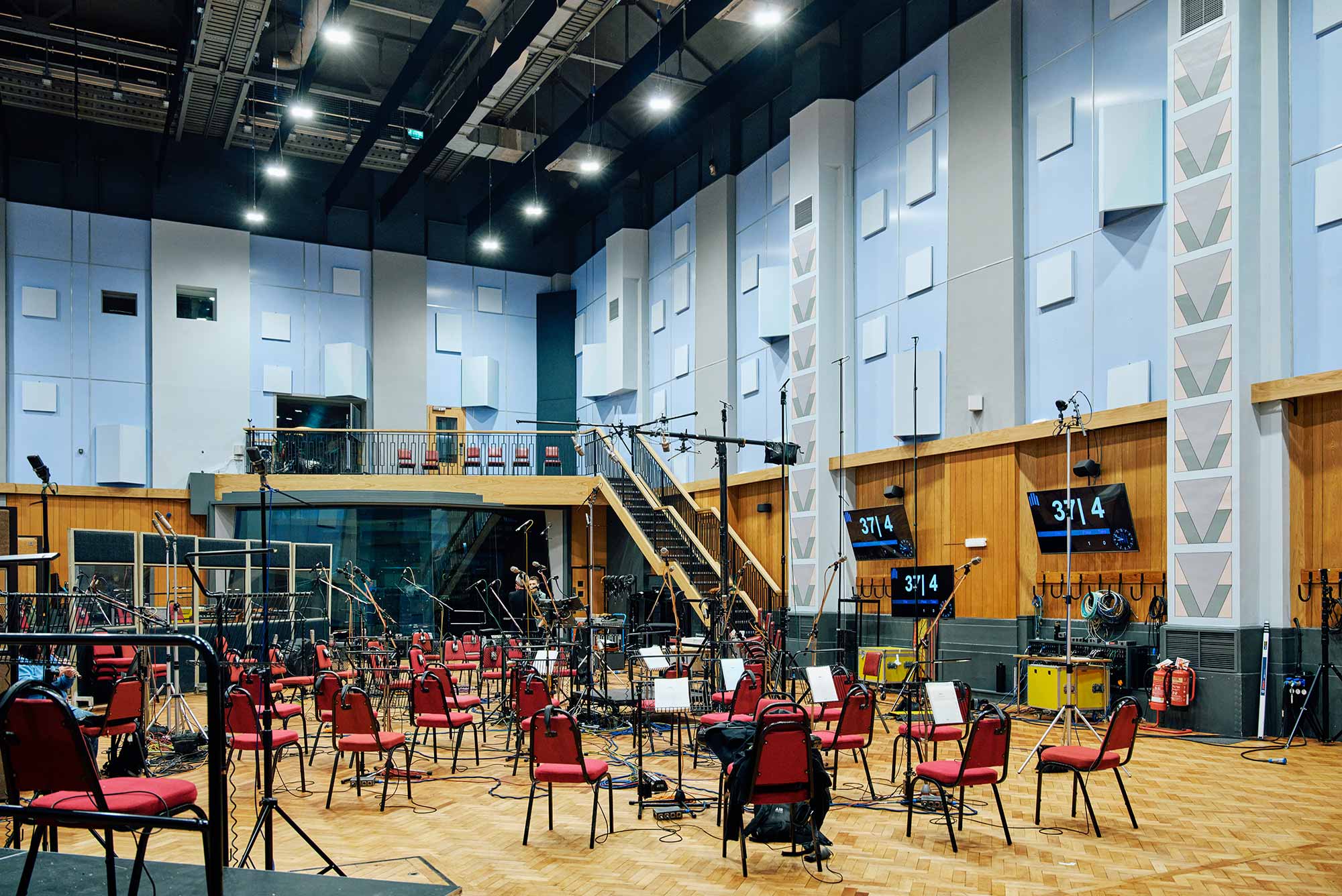
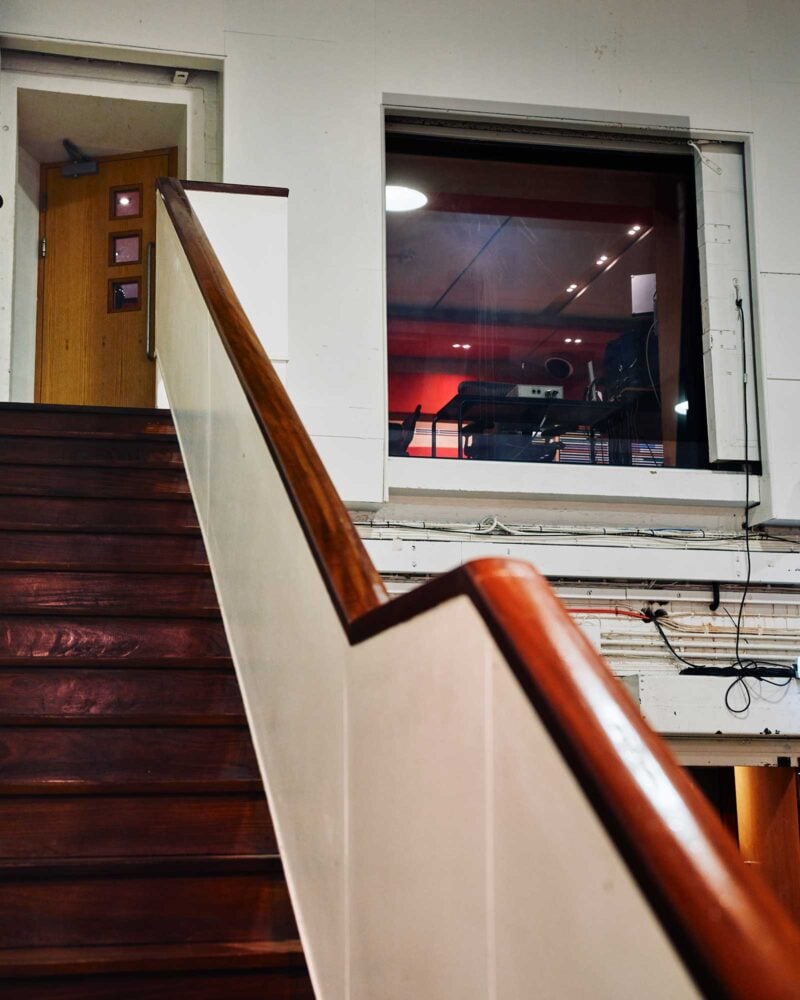
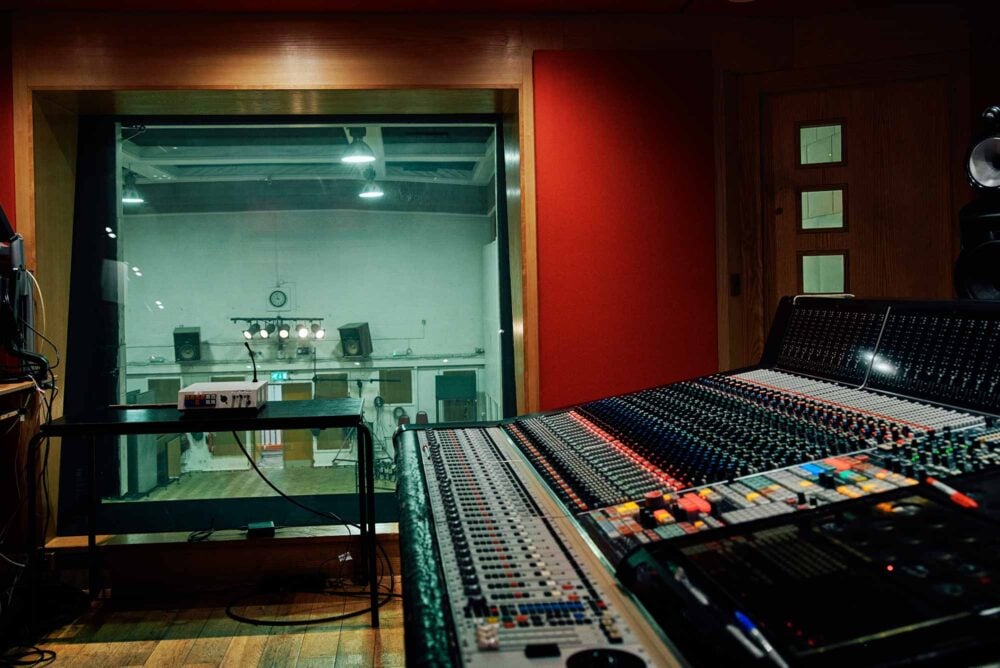
Studio One, which can comfortably accommodate a 100-piece orchestra, still boasts mid-century, honeyed wooden panelling and a herringbone parquet floor – and those famous acoustics. The team refrains from varnishing the floor as even this addition to the room could change its timbre. It’s here that many an iconic soundtrack has been created, spun to gold by a 72-channel AMS/Neve 88RS console and Pro Tools HDX in the adjoining control room, where Spielberg and Lucas are among the auteurs to have hunkered down on the sofas. But it’s Studio Two that has special resonance, the history of its recording seemingly imprinted in its white walls hung with heavy curtains. This is where the Beatles created most of their work, and the upright ‘Mrs Mills’ piano used by McCartney on ‘Lady Madonna’ still lurks in the corner, as does much of the recording and mixing equipment in the control room, reached by a set of stairs. Sgt. Pepper’s Lonely Hearts Club Band’s Studer J37 4-track tape machine is displayed in a nearby corridor. A vintage drum kit similar to the one Ringo often used is also available to guests, maybe hoping they might create a drum solo like the one Starr produced in this room after much cajoling on Abbey Road (and the only solo he performed during his Beatles career). The Mop Tops’ essence is still looked for by artists arriving at the studio: Oasis recorded here, as did the soundtrack for Danny Boyle’s Yesterday. The smaller Studio Three is significant as the place Pink Floyd created Dark Side of the Moon, Radiohead crafted The Bends, Amy Winehouse and Tony Bennett crooned for Body and Soul, Lady Gaga strutted through Born This Way and Frank Ocean uncorked his writer’s block for Blonde.
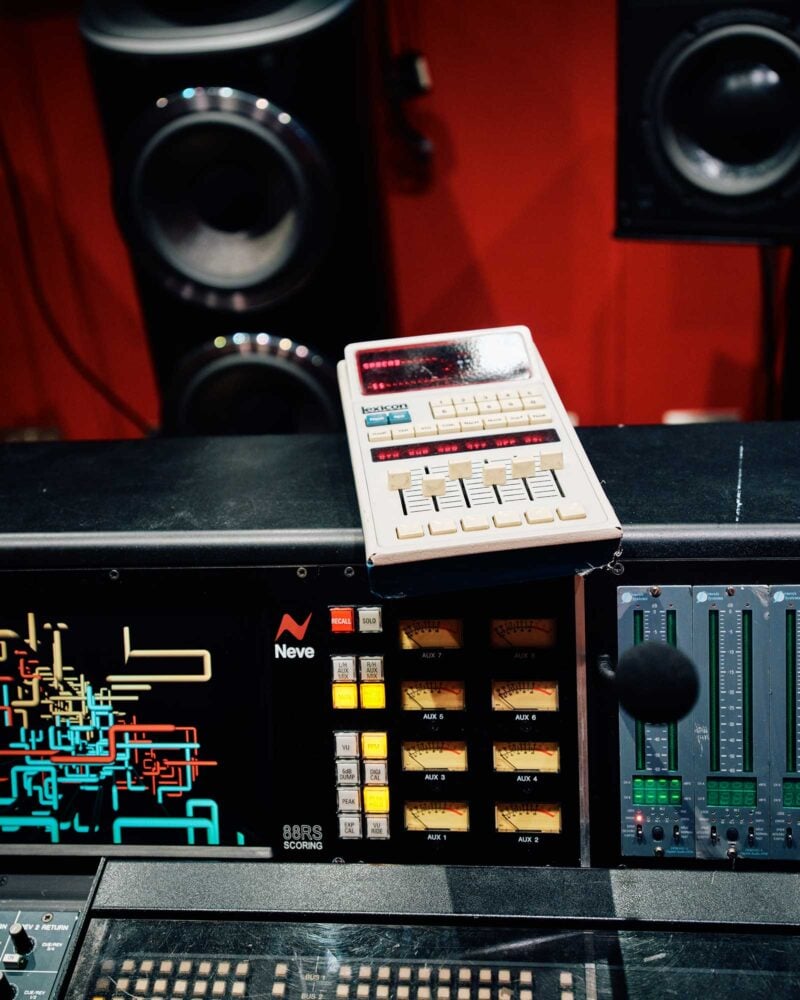
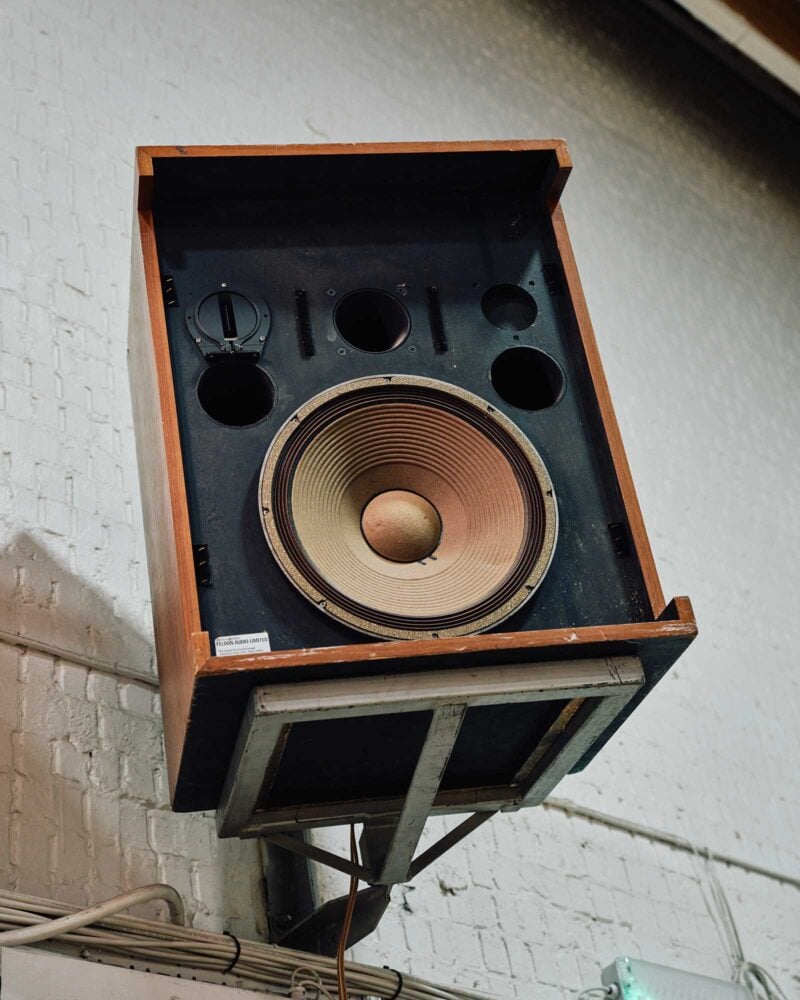
Abbey Road is also key to music heard in movies, with Studio One capturing the score of huge touchstone films and franchises such as Raiders of the Lost Ark (the first to be recorded at the address), The Lord of the Rings, Harry Potter, Gravity, Star Wars, Wonka and 007’s theme from Goldfinger, sung by Shirley Bassey. And with a mix stage added to the building in 2017, filmmakers can now conjure up both score and sound design under the same roof (the only place in Europe able to do so). These days, Studio One also creates the soundscapes for immersive video games such as Halo, Call of Duty, Final Fantasy and World of Warcraft.
Though Abbey Road is respectful of its rock ‘n’ roll heritage (but doesn’t offer tours or public access), it is also looking to the future. It now has a producer-in-residence in Kid Harpoon, who spearheads the studio’s educational programmes alongside artist-in-residence, Jordan Rakei. It has also recently opened additional bijoux studios so it can accommodate more recording at once, and an on-site gift shop housed in the former artists’ residence building. Sam Mendes’ Beatles-focused four-film cinematic event filmed its celluloid Fab Four on the zebra crossing this summer, but recreated the interior of Abbey Road on a soundstage. But no doubt when the quartet of movies come out in April 2028 there will be even longer queues for merch, more graffiti on the studio wall (painted over every three months to keep the volume of scrawls manageable) and even greater traffic jams on the crossing. The Beatles’ legacy is one that Abbey Road takes seriously, understanding its importance as a historical space, creative cocoon and touchstone for Beatles fans around the world. As Paul sang on Abbey Road, ‘you’re gonna carry that weight a long time…’
Photographs by MARK READ
Words by JANE CROWTHER
Thanks to Abbey Road Studios
www.abbeyroad.com