


Words by BEN WHEATLEY
Writer/director Ben Wheatley tells Hollywood Authentic how Ridley Scott’s game-changing sci-fi made an indelible impression on a young future filmmaker – and an industry.
BLADE RUNNER (1982)
The first time I encountered Blade Runner was as a Marvel comic adaptation. I read the comic first, and then I read the book, Do Androids Dream of Electric Sheep? As a kid who was really into film, I’d heard talk about Blade Runner but at that time I couldn’t see it – once it was out of the cinema, it was gone. I’d heard adults talk about it, and I was very excited about it. But it was too high a certificate to go and see it on a big screen at that point in my life. Back then, I felt starved for science-fiction; if you’d seen Star Wars, Silent Running and 2001, and made your way through Star Trek and Forbidden Planet, you were looking for more. So it was really amazing to see any kind of science-fiction. But to see this sci-fi… I finally saw the film as a teenager on VHS in the mid-’80s – the original version with the voiceover. Blade Runner was a gateway for me to the likes of Metropolis, noir movies and French comics like Métal Hurlant. In that respect, it was a fundamental education for me.
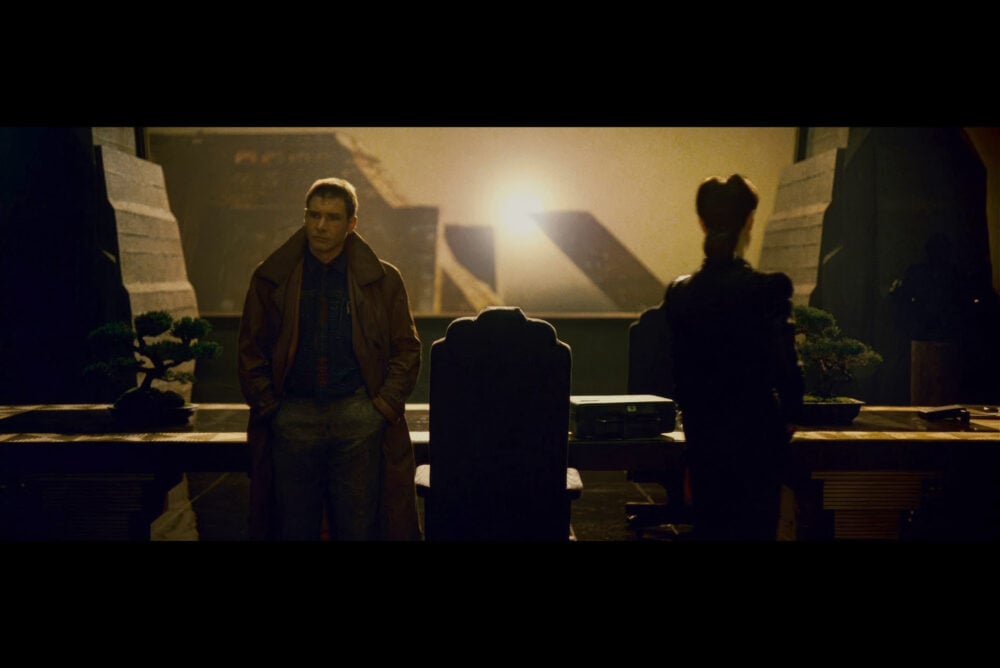
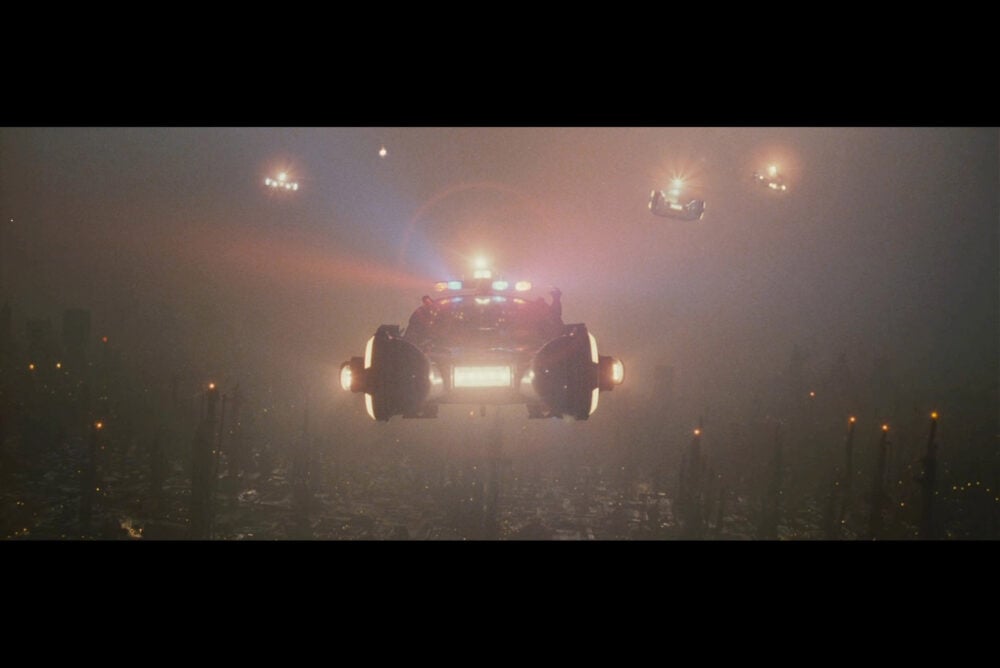
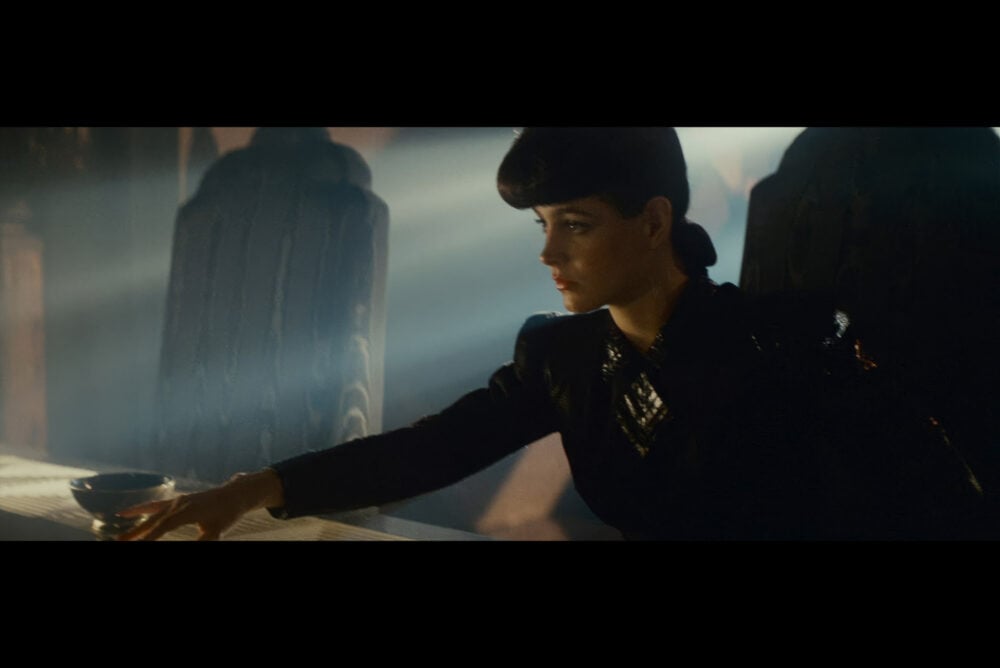
Part of why I kept going back to it as I got older, is that I appreciated it more and more in terms of the technology of it, and also the way it’s a film that, above all others, bears repeat viewing because it’s so visually dense. The imagery is very hard to take in on one watch. I’m watching it now, years later, and I’m still seeing new things. The way the sets were totally unapologetic – you don’t have to make any excuses for them, they just felt real. The model work, the flying spinners and all of the world-building was incredible. But then add to that the depth of the designs – it’s something that gives it long legs, because you can keep looking at it. Within every frame there’s so much incredible, thought-through imagery. That surely comes from Ridley Scott’s background of doing adverts in the ’70s, and this absolute command of the mid-ground and foreground and background. He’s using the parallax and planes of imagery to really impact on the viewer as they’re watching it. It’s taken me decades to unpack what he’s done, and understand it.
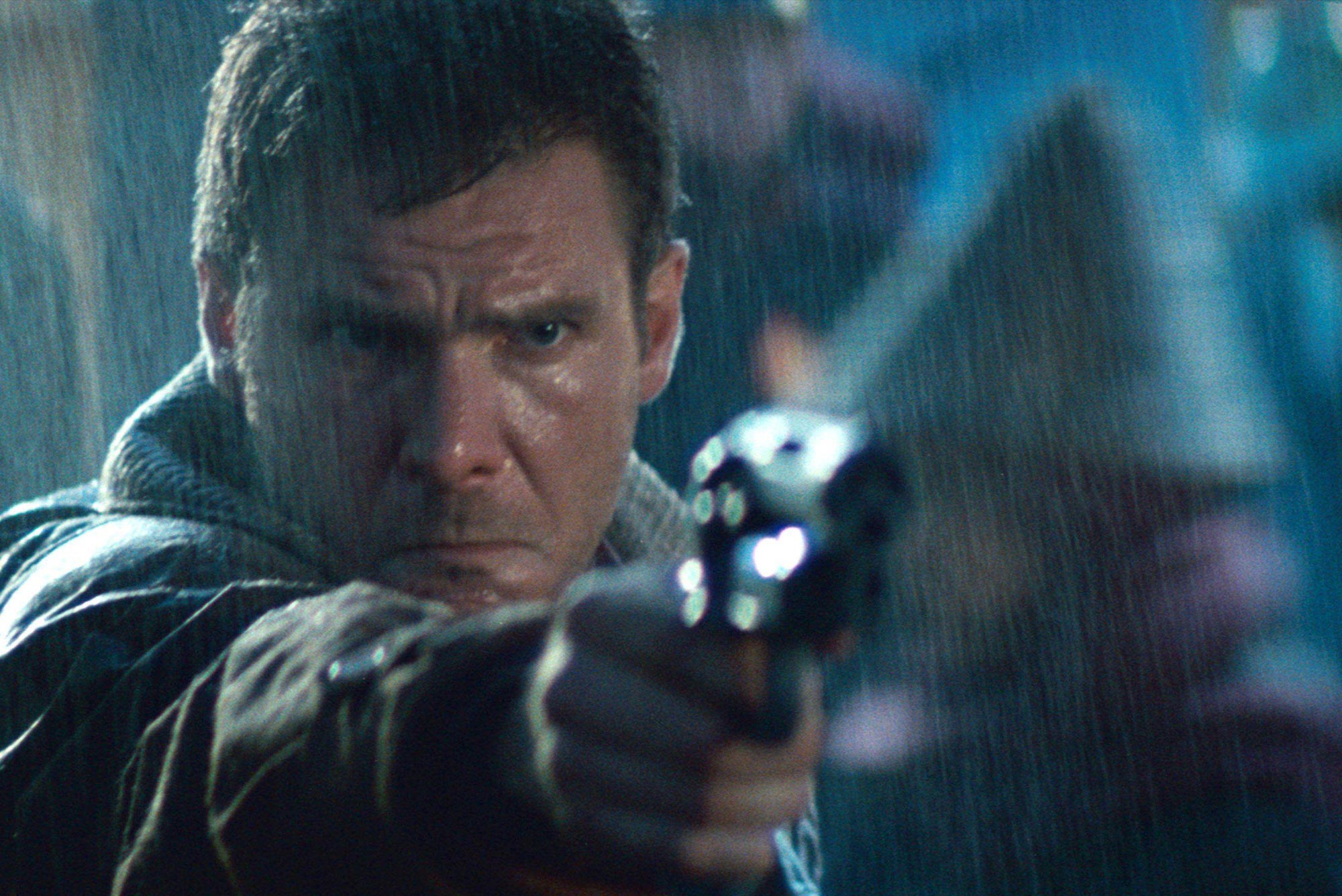
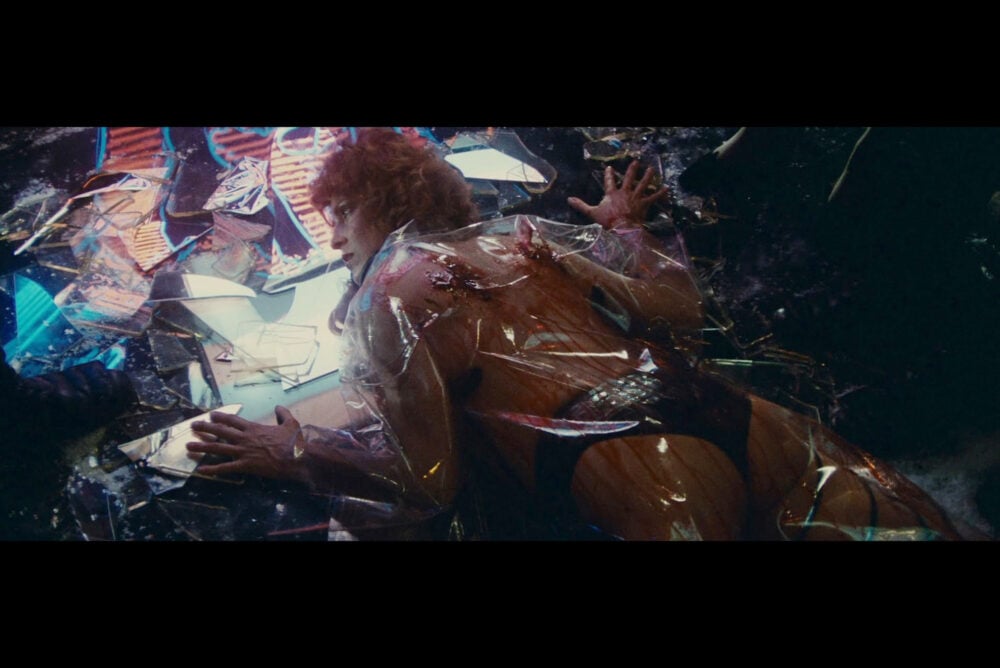
There’s an incredible moment where Deckard (Harrison Ford) shoots the replicant that falls through the window of the shop, and then suddenly it’s snowing. It took me about 10 years to work out that the snow is actually inside the shop. And these elements of snow, reflections and blood are all happening at the same time. Scott doesn’t skimp on giving the viewer things to look at. What’s happening directly within a few millimetres of the lens and 50ft away from the lens at the same time are equally complex – it’s part of the magic that just pulls you into the movie, that you can’t escape from. I don’t think you see it in many other films – the command of the images is across all his movies (Gladiator has it, and so does Black Hawk Down), but Blade Runner is the most intense. Perhaps it’s the connection to artist Moebius (aka Jean Giraud); when you see Scott’s storyboards, you see the connection between his – drawings and Moebius’ drawings such as those in comic story The Long Tomorrow, written by Dan O’Bannon, which heavily influenced the look of Blade Runner and Star Wars. You start to join all the dots. Moebius is a very important character in all of this, and also in the unmade version of Dune by Jodorowsky, the main creative team of which would end up working on Alien. It’s heavily French-influenced, but also Japanese-influenced. If you look at Miyazaki’s work, there’s a direct line back to Métal Hurlant. There’s this amazing cross-pollination of culture going on.
It’s difficult to choose a favourite moment but some of the scenes in Deckard’s apartment… there’s something about that scene where he’s poking around in his mouth, and he takes a shot, and a little bit of blood goes into the vodka. As a viewer you’re thinking, ‘I’m in his apartment. I feel like I’m totally there. This is in the future.’ It’s also the light coming through the window and Ford’s performance. He has this particular position of being a massive movie star, but totally naturalistic. As an actor, it seems like he’s always in a documentary about the film that he’s making. Over time, I’ve looked at his performances, and I really appreciate his hand acting. And he always looks really pained when he’s doing action. It’s part of why you empathise with him. You believe in him, and you want him to survive.
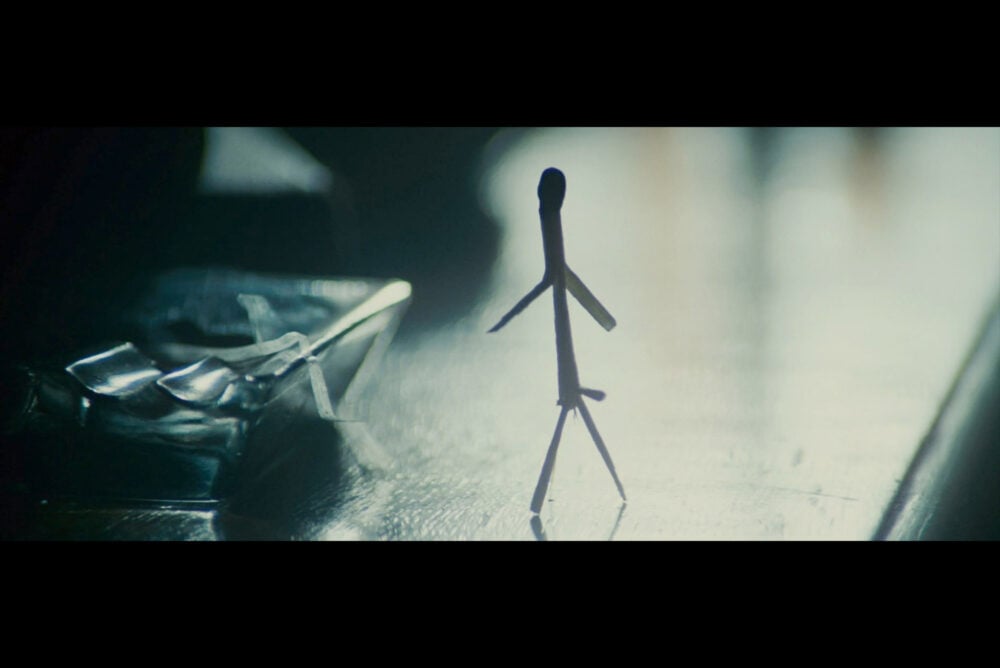
The scene where he gets taken to the police station is a good example of Ford’s naturalistic performance. He’s a man in a police car, driving somewhere; he’s eating some food, and looking out the window, looking bored. In most science-fiction, everybody’s really amazed about the world that they’re in, because it’s the future. But Ford is bored with this future because it’s his world. There’s nothing to see there that’s interesting. That feels so real. You feel totally immersed. A lot of that immersion is Vangelis’ score, which sounds like nothing else. There’s something about that sweeping electronic sound, which feels like the future. To me, it has never dated. It’s the grandeur of it. The sound is thick. It’s like a syrupy, electronic, unnatural sound. It’s being created by one man, but it feels like a thousand people. The locations are also key to the real-world feeling, too. Scott grounds his story and action in physical locations like the Bradbury Building and the Ennis House in LA. Both buildings have been used in numerous movies, but the way Scott shoots and treats them within the frame makes them feel tangible and unique.
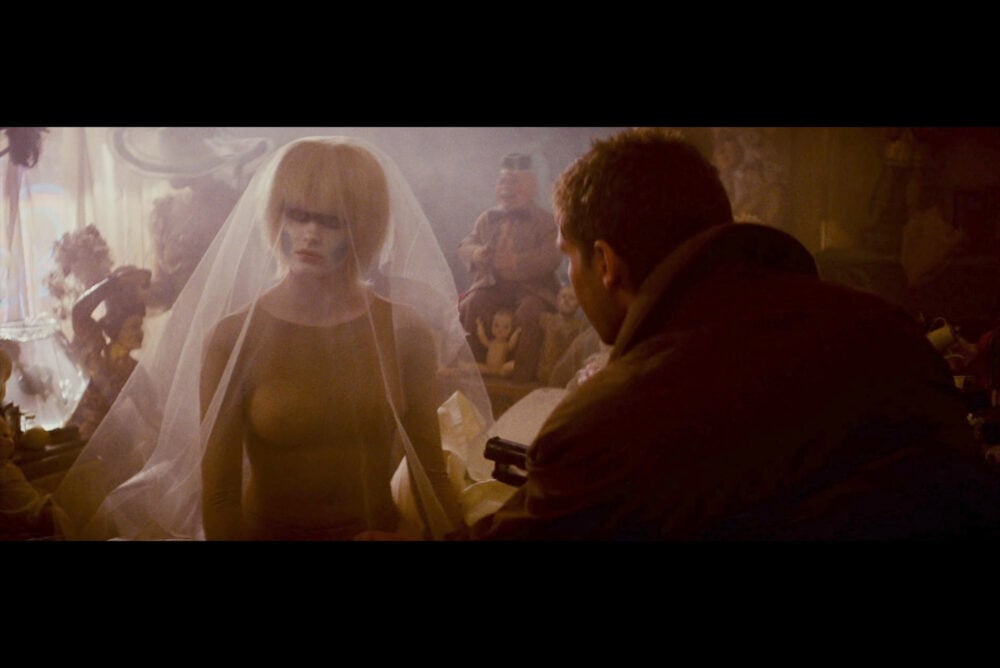
The behind-the-scenes story of the film not being quite finished, and then coming back in this special director’s version helps to keep it intriguing for each new generation to discover. I was talking to someone the other day about the film, and they were saying it was a failure at the time it came out, but I don’t believe that. The box office is one thing, but in terms of cultural impact, it was huge. When I started making movies, Ridley Scott seemed totally unobtainable and mysterious – the mastery of what he’s doing seems so far from what you can achieve. It almost seems like magic. I felt that about Michel Gondry, Spielberg and Scorsese. You can’t get a purchase on what they’re doing. But then, over time, you start to understand a little of what they might have done, how they’re thinking. I’ve been given the opportunity to work on a big scale in films like High Rise. Once you graduate out of ultra-low-budget, and you can actually afford to have an art department, then you get a taste of what it could be like to work like Scott. It’s a massive difference between shooting on location where you’re dressing locations, and then being able to control the colours of rooms, the design aesthetic, the story… I can’t imagine the massive pressure he was under as a big studio film, but at the same time to be so singular. It’s still possible, but it’s a set of circumstances that you need to have. To do something so singular now, the studio has got to trust you, and you probably need to have had a string of projects that have made money for everybody.
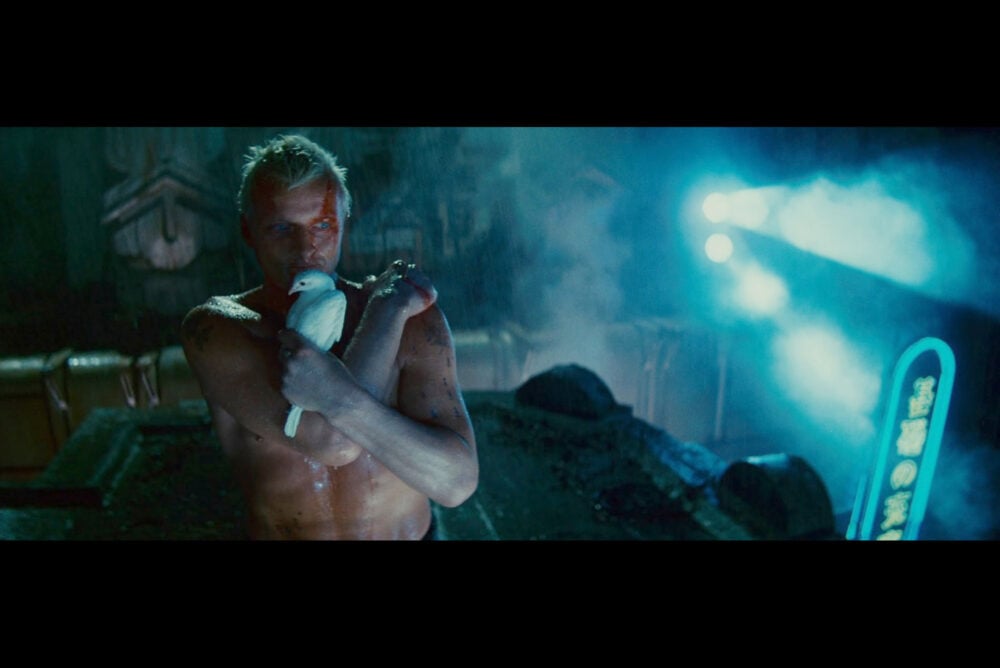
I’ve fanboyed about the film and over the years I’ve tracked down storyboards and memorabilia, which is fascinating. I remember having a meeting at RSA Films once, and on the table there was this silver thing that was really familiar. And then I started to realise it was one of the plungers from Alien that Ripley has to push in to blow up the Nostromo. But I’ve not met Ridley. It can’t be underestimated what an influence he’s had on modern cinema. Modern action cinema owes him a massive debt. There are certain factions that suggest that directors don’t get better as they get older, but I don’t believe that. He’s as vital now as he was then. There’s no ‘new Ridley Scott’ working now. He’s it.
All images © Warner Bros. Pictures
Blade Runner (1982) the original theatrical release
Blade Runner: The Director’s Cut (1992) released after a strong response to test screenings of a workprint
Blade Runner: The Final Cut (2007) Ridley Scott’s definitive Final Cut, including extended scenes and never-before-seen special effects
Ben Wheatley’s Bulk is available to buy on disc. Normalis in US cinemas now and 15 May in the UK