


Photographs by GREG WILLIAMS
Interview by GREG WILLIAMS & JANE CROWTHER
LA born-and-bred actor Lewis Pullman shows Greg Williams around Hollywood and hits the drums as he pursues a ‘fugue state’ in his art.
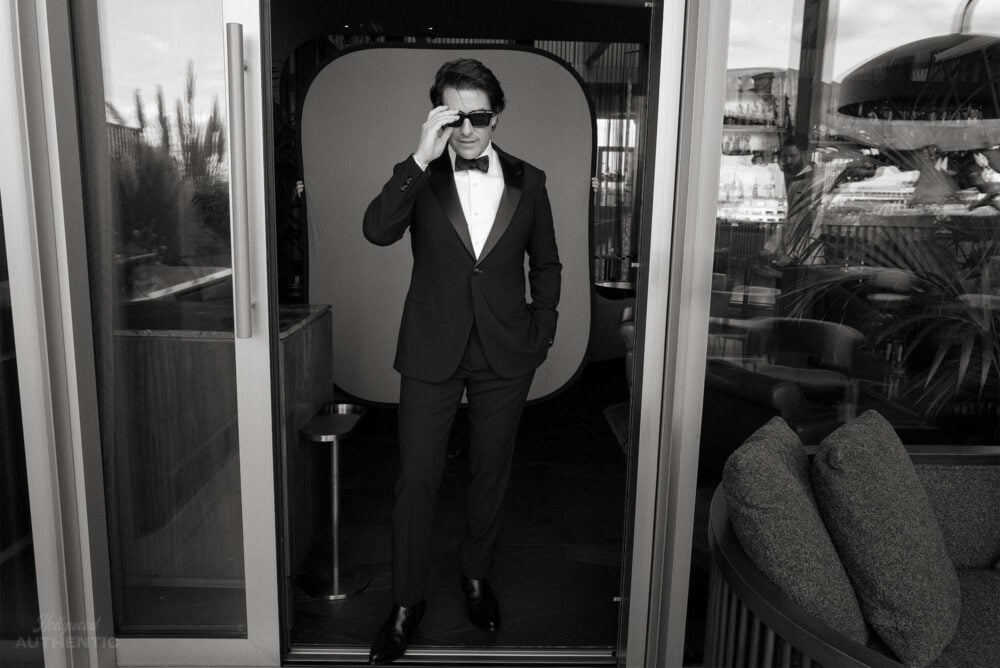
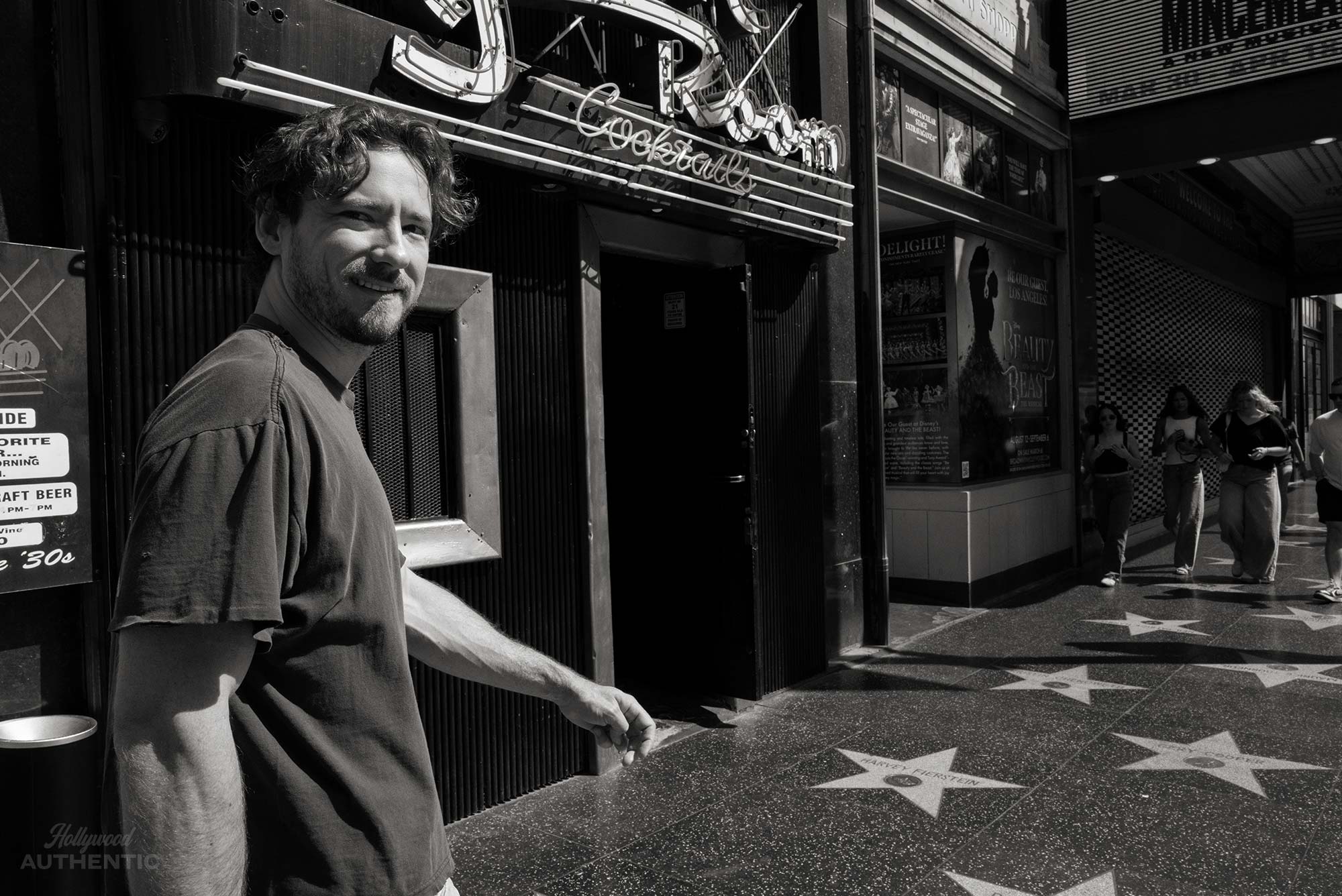
The morning after he presented Best Film Editing with his dad, Bill, at the Oscars, Lewis Pullman arrives at a Hollywood rehearsal space on the Walk of Fame, a greasy hangover sandwich and iced coffee in hand. He’s dressed down after his night on the red carpet with his parents, a bag of drumsticks over his shoulder, and he admits to nerves the night before. ‘But it was so special. Just getting to see my mom dressed up, and out and about on the town is worth it, you know?’ Lewis is a Hollywood kid, born and bred. The son of Bill Pullman and modern dancer, Tamara, he grew up at the family house in Beechwood Canyon and, aside from his college years and extended trips to the family place in Montana, has called LA home all his life. A drummer in band Atta Boy, he can’t do much shedding where he currently lives due to his neighbours’ proximity (his kit is packed away), so if he wants to practice he needs to find a rehearsal room. The place we’re meeting is right on the corner of Hollywood and Vine, where flash mob dances are happening on the crosswalk, star homes tours leave from the curb and Johnny Cash’s brass sidewalk star sits outside the door.
When he’s had his caffeine and carbs fix, we decide to head down the labyrinthine corridor to stroll around Hollywood. ‘I used to skateboard here with my friend, Jonah. We skateboarded all the way from the East Side to the beach all the time, on those little rubber-wheeled skateboards. We would take Hollywood Boulevard, because…’ He indicates to the smooth terrazzo of the Walk of Fame. ‘Good skating. We’d stop at Ralph’s, and get a full watermelon, cut it in half, and sit on the curb. It’s the best.’ The Pullman family home was a couple of blocks from where we are now (he points towards the circular Capitol Records) and he and his siblings all still reside in the town he and his dad work in. ‘My brother, my sister, their kids – they all live in the same cul-de-sac.’
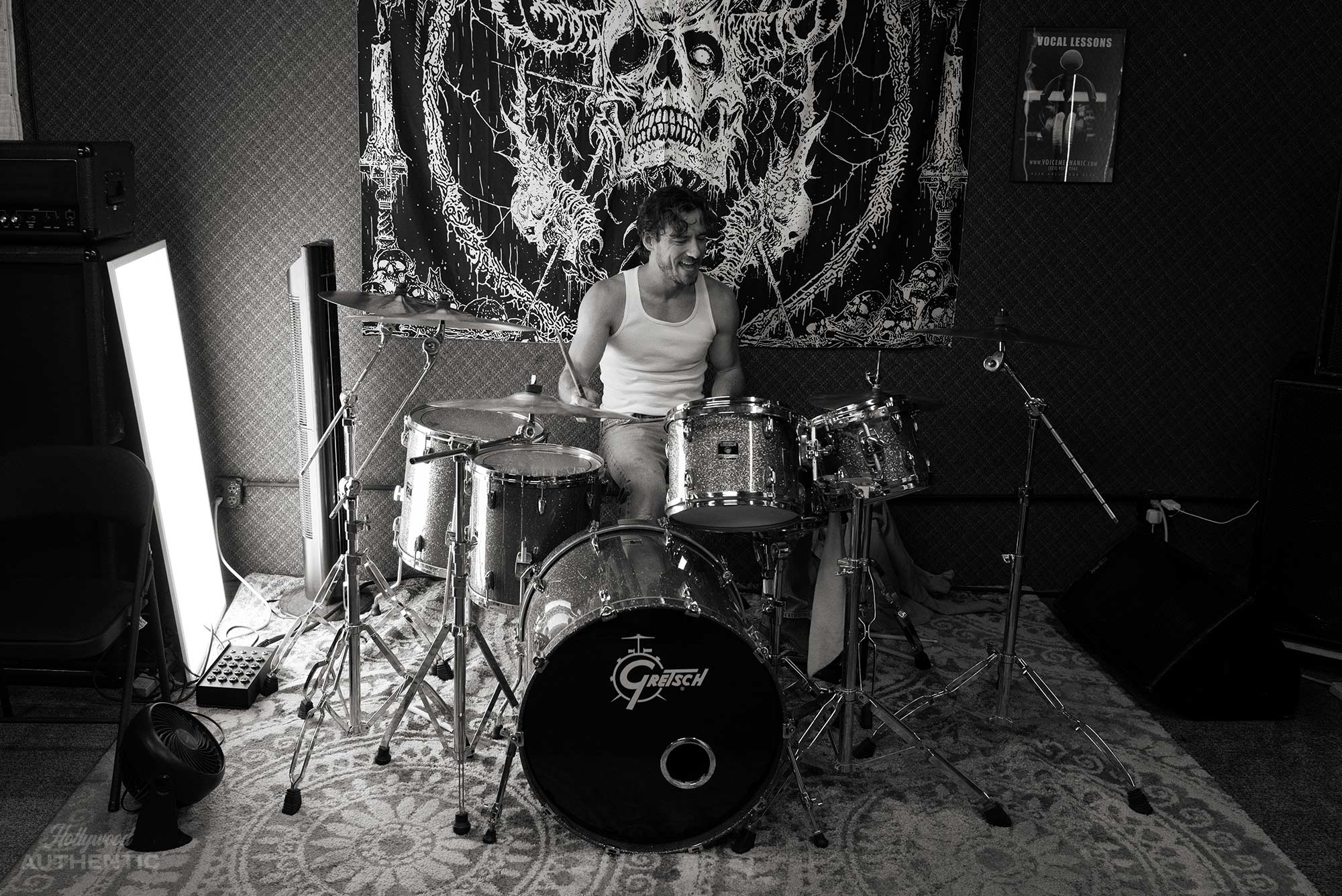
It was during high school that Lewis got into the band and was a dedicated drummer, Atta Boy making a record just before graduation. ‘It was a kind of monument to what we had in that era, and that time. And then 10 years later, the guitarist Freddie went and looked at the bank account, and he was like, ‘There’s a lot of money here for not having promoted it or anything. What should we do?’ And we were like, ‘Let’s get the band back together!’ So we did, and now we’ve made three albums and we’ve done a couple of little tours. It’s 0.5% playing music, and then all the rest is just on the road – gas stations, driving, old buddies, old friends. So it’s the fucking best.’ He’s not managed to be on every tour due to his acting commitments but remains committed to mixing his disciplines. ‘I love that I still have it in my life,’ he says of playing music. ‘To be able to challenge your creative brain.’
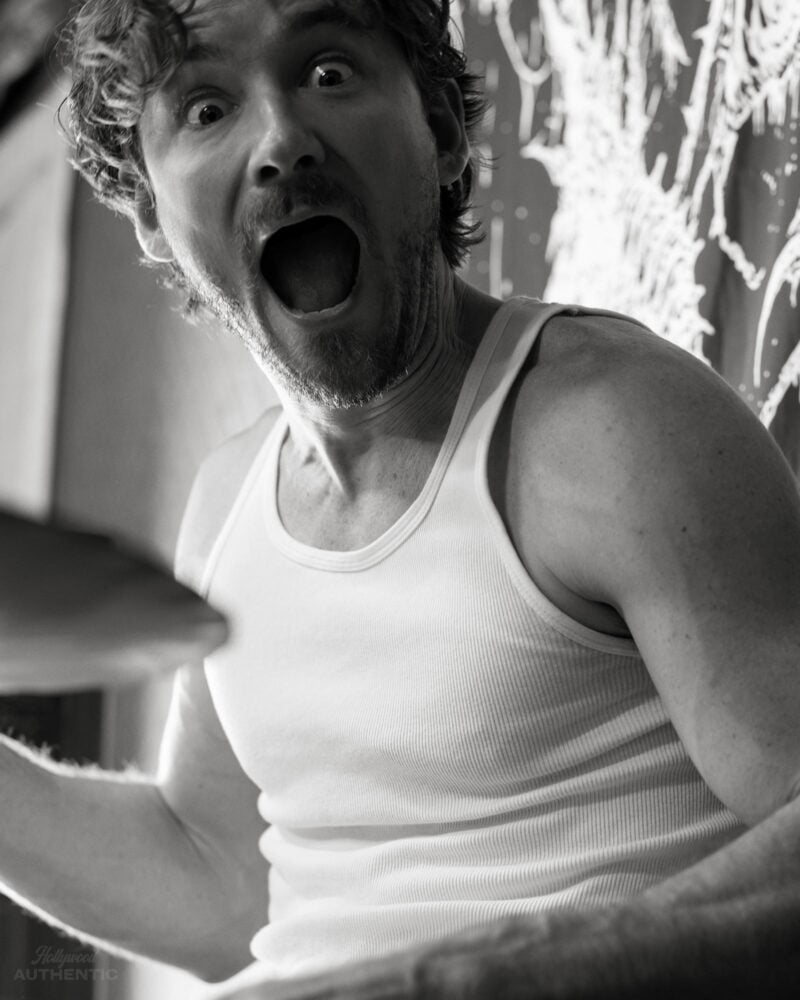
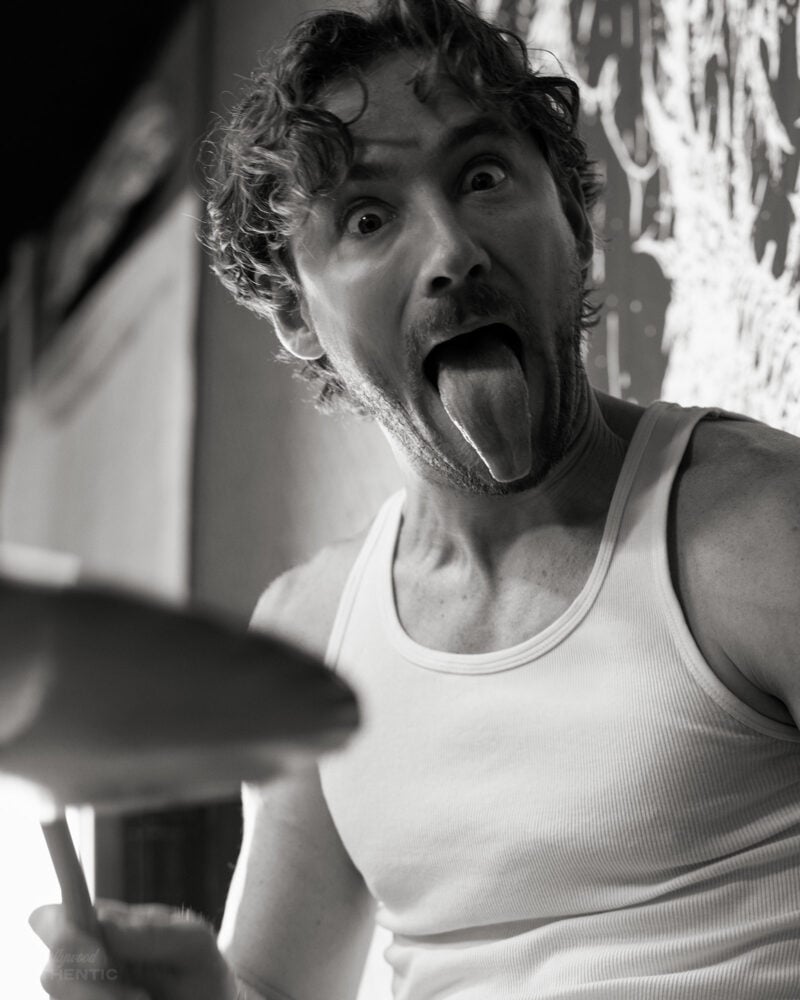
We were like, ‘Let’s get the band back together!’ So we did, and now we’ve made three albums and we’ve done a couple of little tours. It’s 0.5% playing music, and then all the rest is just on the road – gas stations, driving, old buddies, old friends. So it’s the fucking best… I love that I still have it in my life… To be able to challenge your creative brain
Creativity is hardly surprising given his lineage. During the Oscars, he joked that he was his dad’s ‘sequel’ and Bill noted that Lewis had carved out a career without his interference; ‘All on your own you did just fine.’ ‘My dad didn’t raise me shovelling messaging down my throat, telling me “do this, don’t do this”. It was very much through watch and learn. And I got another great lesson from him when we walked into the Oscar rehearsal and he was like, “This isn’t how we talk, though. If we’re doing this, why are we doing it as somebody else? Let’s make this our own voices.” I was kind of nervous to change it. But they loved it. If there’s anything I got out of that whole experience, it was just being reminded to protect yourself. Protect your voice. Protect your intention of why you’re doing something. Why are we presenting? How can we get something out of it as a father and son?’
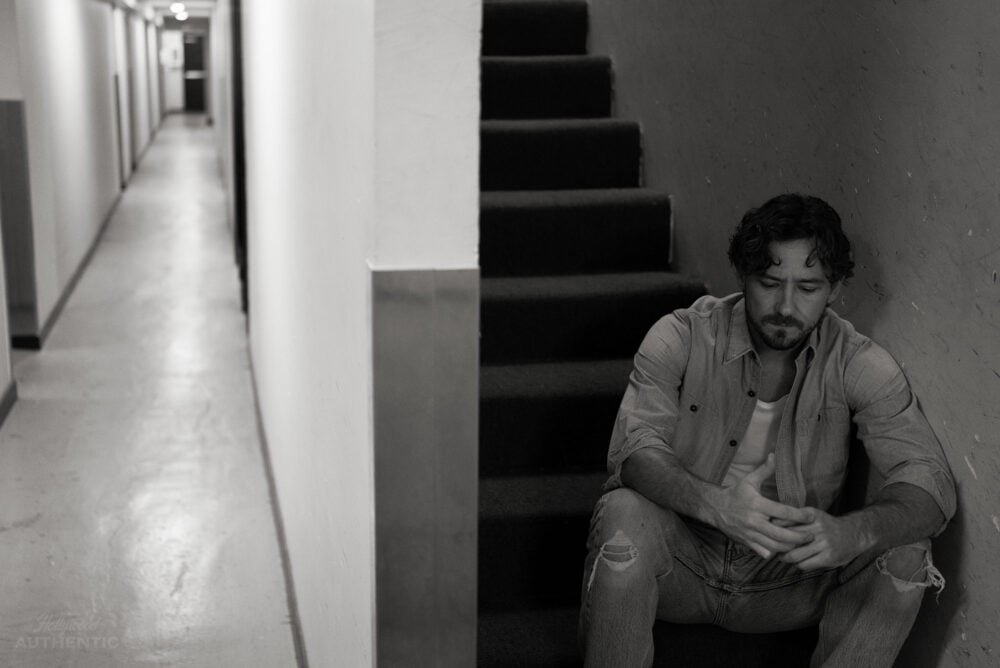
The Pullmans will be starring together in the long-awaited sequel, Spaceballs 2, a project Lewis admits to feeling some trepidation about taking on given it was the film that put Bill on the map. He will be reprising Lone Starr and Lewis will be playing his son. ‘I didn’t want to step on my dad’s toes. This was his second movie. It really launched him, and is so personal to him,’ Lewis says. ‘I think it would be different if I was playing his role, but then once I found out I was playing his son, that changed things. And then once I read the script, and it was one of the funniest scripts I’ve read ever in my whole life, I was just like, “It’d be stupid not to do this.” But I had to talk to my dad, and we had a lot of conversations about it. I think that he thought that I was tiptoeing around it, because I didn’t want to step into a realm that he had already been in. Meanwhile, I was tiptoeing around it because I thought maybe he didn’t want me to step in there. So then once we finally were like, “No, this is a once-in-a-lifetime opportunity, and it’s so meta.” I felt I’d absolutely regret it if somebody else played that role. I don’t think I could get over that if I missed out on it. I’m so glad I did it because it was one of the most rich experiences of my life, working with him in that capacity, which is comedy, which is something we don’t get to do often, but we do all the time when we’re at home.’
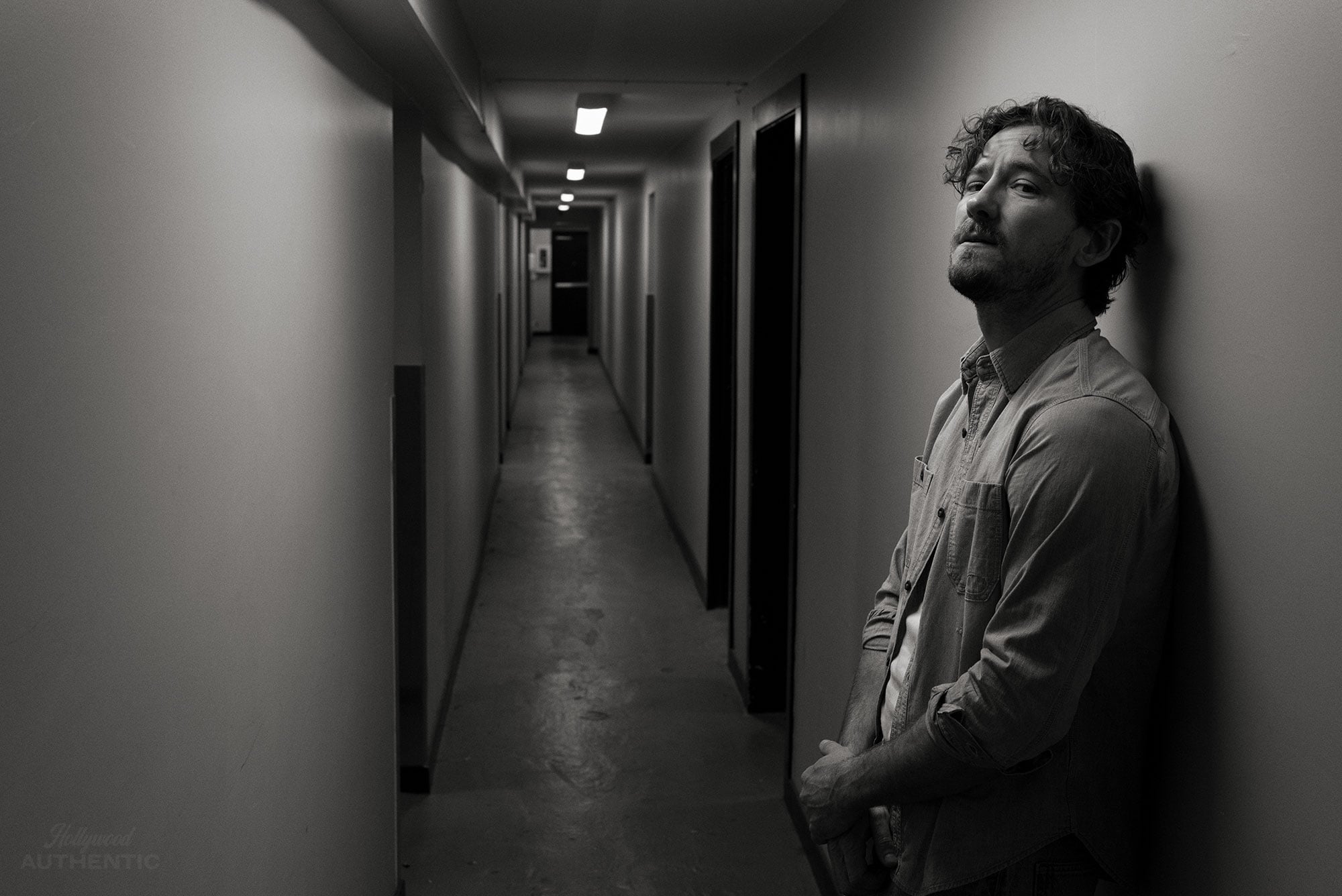
Will we be seeing a little of the real Pullmans’ dynamic when we finally see the film? ‘You know, you always have that, regardless of how hard you try. There were parts where it was kind of a challenge to act with your family member, because you fear that they know you so well that they’re going to know better than anyone if you’re lying – if your acting is shit. But I would hope I’m not very similar to my character, although I love him greatly. He’s not the brightest bulb in the shed.’ He pauses. ‘But I don’t know. I have my days…’ He laughs.
We cross the street, passing beneath the 1920s Taft Building, the first high-rise office building in LA, the former HQ of the Academy, as well as housing offices for numerous Old Hollywood stars including Charlie Chaplin and Will Rogers. Across the street, the neon retro sign for the crossroad twinkles in the sun as we head towards the old Pantages Theatre and the Frolic Room bar (the drinking haunt of Frank Sinatra, Judy Garland and, in her last seen appearance, the Black Dahlia, Elizabeth Short). Showbusiness is evident everywhere we look. I ask Lewis how he feels about the business end of his career, the promotion. ‘It’s probably my least favourite part of the whole thing. It’s so different being in front of a camera right now with people that aren’t the crew, that don’t know the “why” of why we’re doing it, or what we’re doing. There’s something about a film set where everyone is under the same preconceived notion about what the story is, and the collective illusion. The publicity part of it – I’m trying to find my way in.’ He stops and admires the marquee of the old movie theatre. ‘I keep thinking about deathbed thoughts,’ he laughs. ‘I don’t know why this has been on my mind lately. What the fuck am I going to be thinking when I’m dying? I don’t want to look back on my memories, and just see slates and hotel rooms and press junkets. So I’m trying to figure out a way to make that all not just something that I sleepwalk through, you know?’
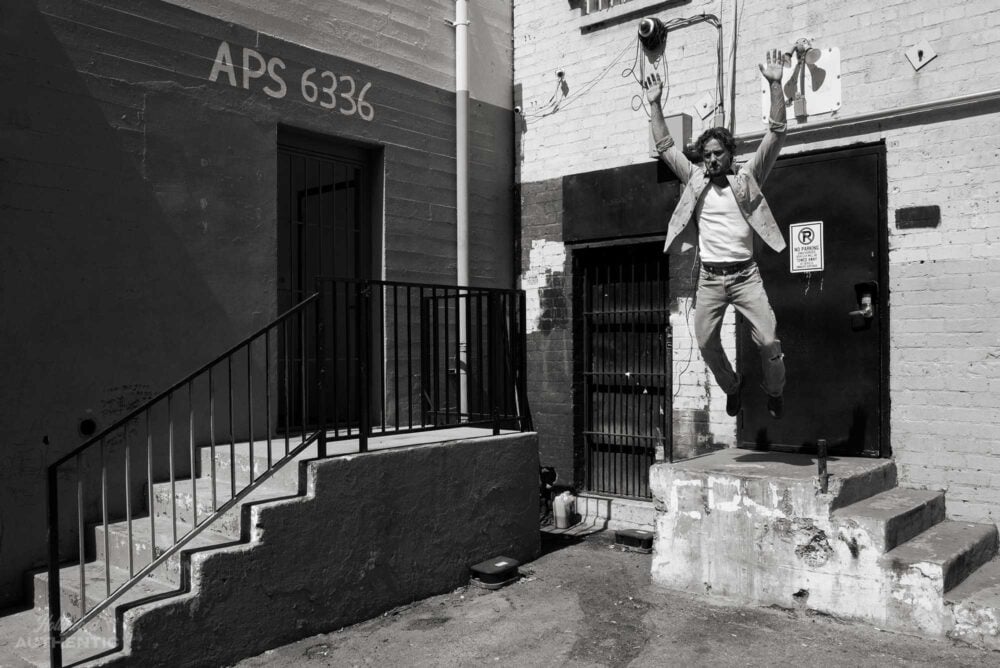
I’ve gotten it down with the lines now. But at the beginning I was thinking maybe this wasn’t the profession for me, because it takes me so long. But now I’m starting to love it, because I’m treating it less as memorisation and more as just steeping. My job is to live in the scene, and to try and paint it in my mind as accurately as possible. Once I trick myself not to memorise, I end up memorising through that process
Does he think that’s because he has watched his father’s experience and has entered the industry with his eyes wide open? ‘I get asked about nepotism all the time… It’s an undeniable truth, but I think one of the more strangely valuable parts of the whole thing is watching my dad through a long career and what that looks like – how he manages his expectations, and what he actually allows himself to feel celebratory over, or where he gets his gratification from. Because he never got it from accolades. It was always the experience of the making of the thing. The journey. And the rest of it is just noise that he mutes. There is a healthy dose of discontent in him that keeps him driving forward, I think he holds onto that. But now I see him taking it all in, and living in the breaths in between a lot more.’
Music seems to help Lewis live in the breaths in between. Growing up, he was in different bands until he started playing with his ‘best buddy’, Kyle McNeill, and they began recording with their bassist, who ended up becoming Lewis’ brother-in-law. He recalls the messing about in the recording studio fondly. ‘There was something about the repetition of takes and what it looks like to get the chance to do it multiple times. In theatre you get one take each night, and then you have a whole day to think about what you might adjust. Whereas in the studio, sometimes you try and just have one night that’s like a one-night play.’
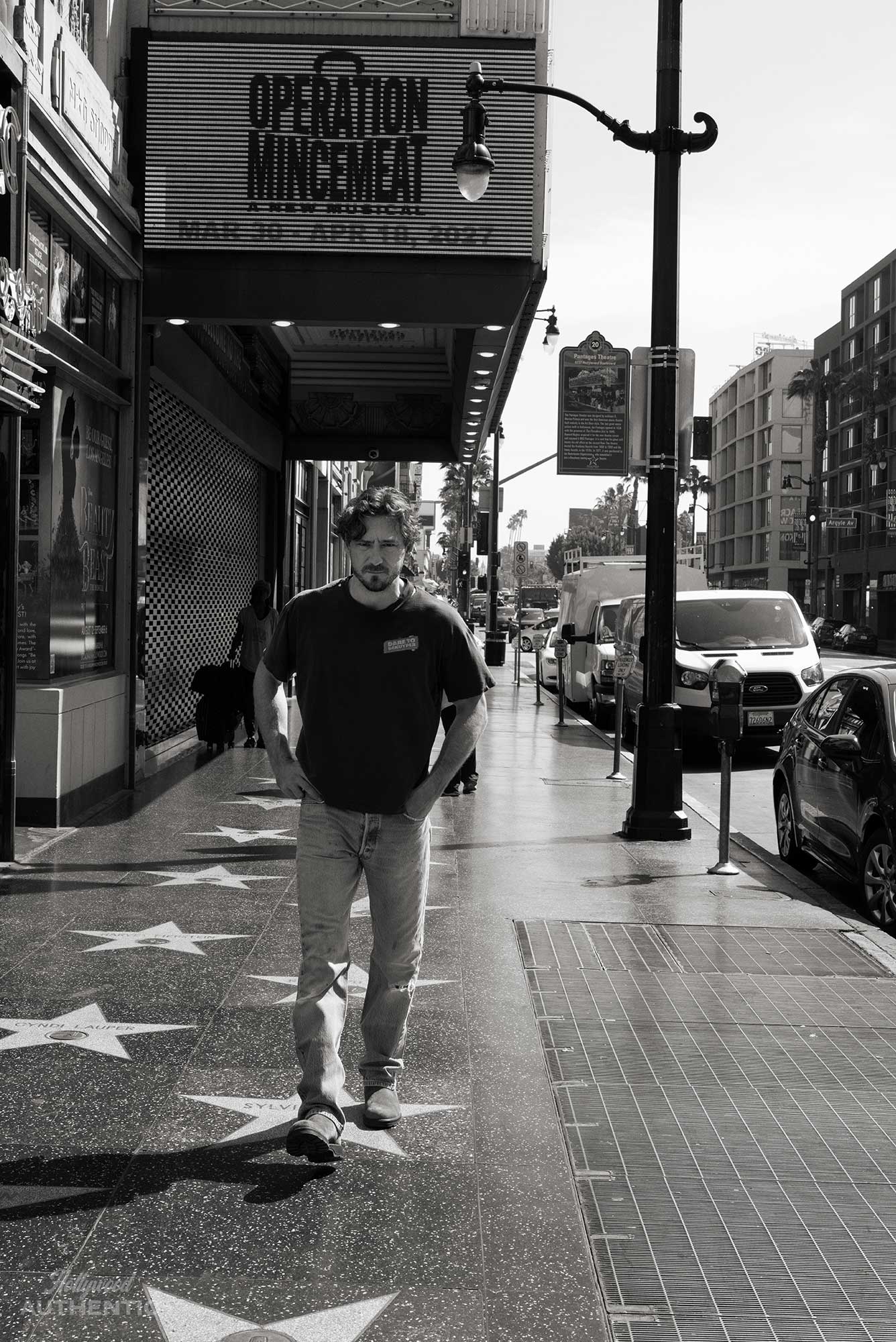
As we wander a few blocks down we pass a movie shooting on location. ‘It’s nice to walk down a set where you’re not worried that you’ve got to be learning your lines right now,’ he grins. He tells me he has ‘all sorts of beautiful, little learning challenges’, including dyslexia. ‘I’ve gotten it down with the lines now. At the beginning I was thinking maybe this wasn’t the profession for me, because it takes me so long. But now I’m starting to love it, because I’m treating it less as memorisation and more as just steeping. My job is to live in the scene, and to try to paint it in my mind as accurately as possible. Once I trick myself not to memorise, I end up memorising through that process.’ Despite the learning challenges, Lewis studied social work at a small liberal arts college, Warren Wilson, in Ashville, North Carolina after high school. ‘It’s a work studies programme. There’s a farm. I was on the tractor crew – I’m handy with the back-hoe and the front-end loader. I was doing social work, theatre, and working outdoors with my hands. And it was that trifecta of variety that I felt was really fruitful.’
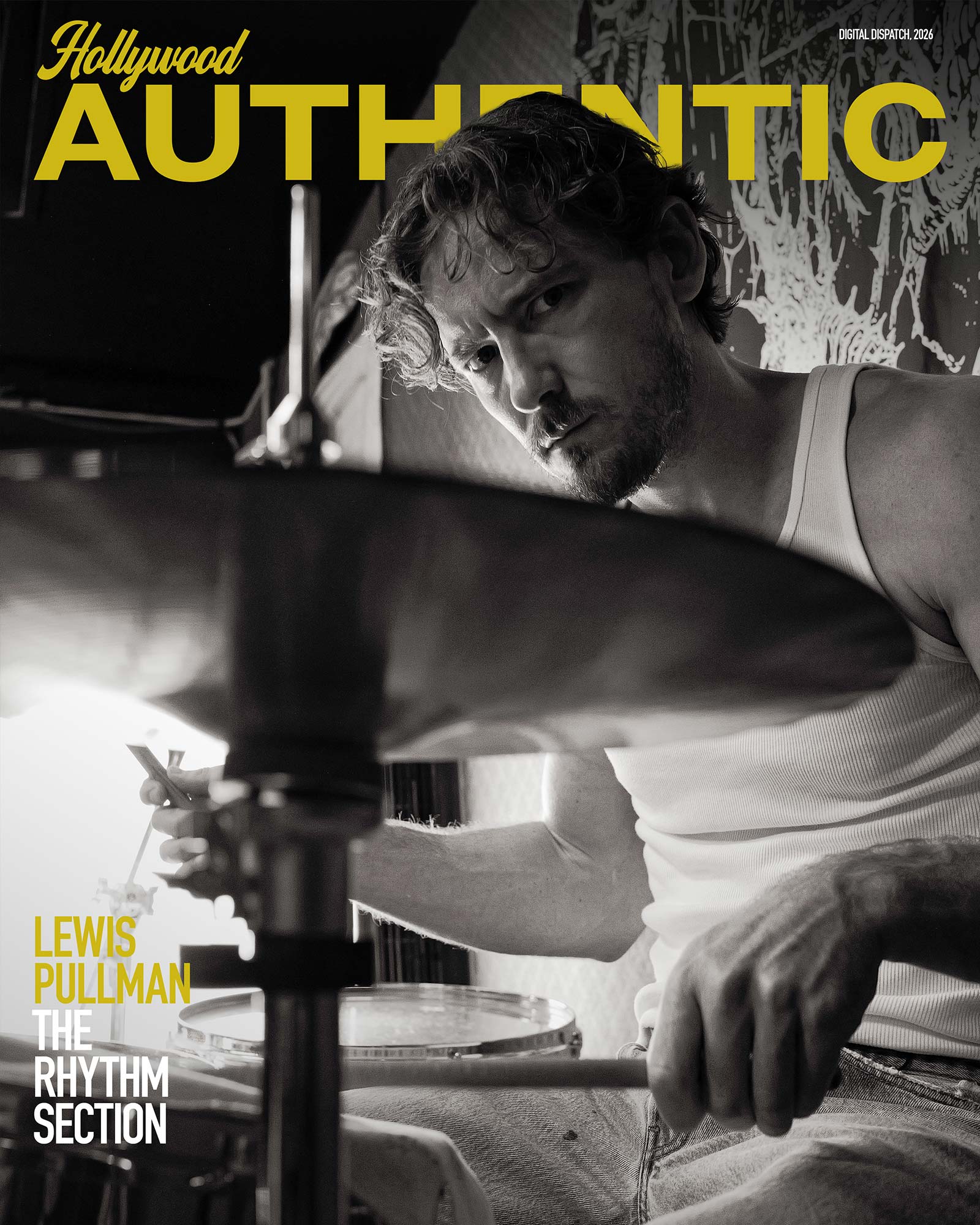
We head back inside, to a rehearsal room with a drum kit and a Fleetwood Mac road case doubling as a coffee table. ‘I’m fairly rusty,’ Lewis says, eying the drum kit sitting on the vintage rug. ‘I chose the worst instrument for somebody who travels.’ He takes out a set of favoured sticks and sits on the stool, placing a cloth over the snare. ‘Growing up, my favourite drummer was Levon Helm, and he was all about muting it down, so that it’s not so ring-y.’ He pushes a blanket against the bass drum head so that’s also not as ‘ring-y’. ‘I’m not a technical drummer. I’m all about the feel and the pocket,’ he says as he starts tapping out a rhythm. ‘Let’s fuck around for a little bit.’
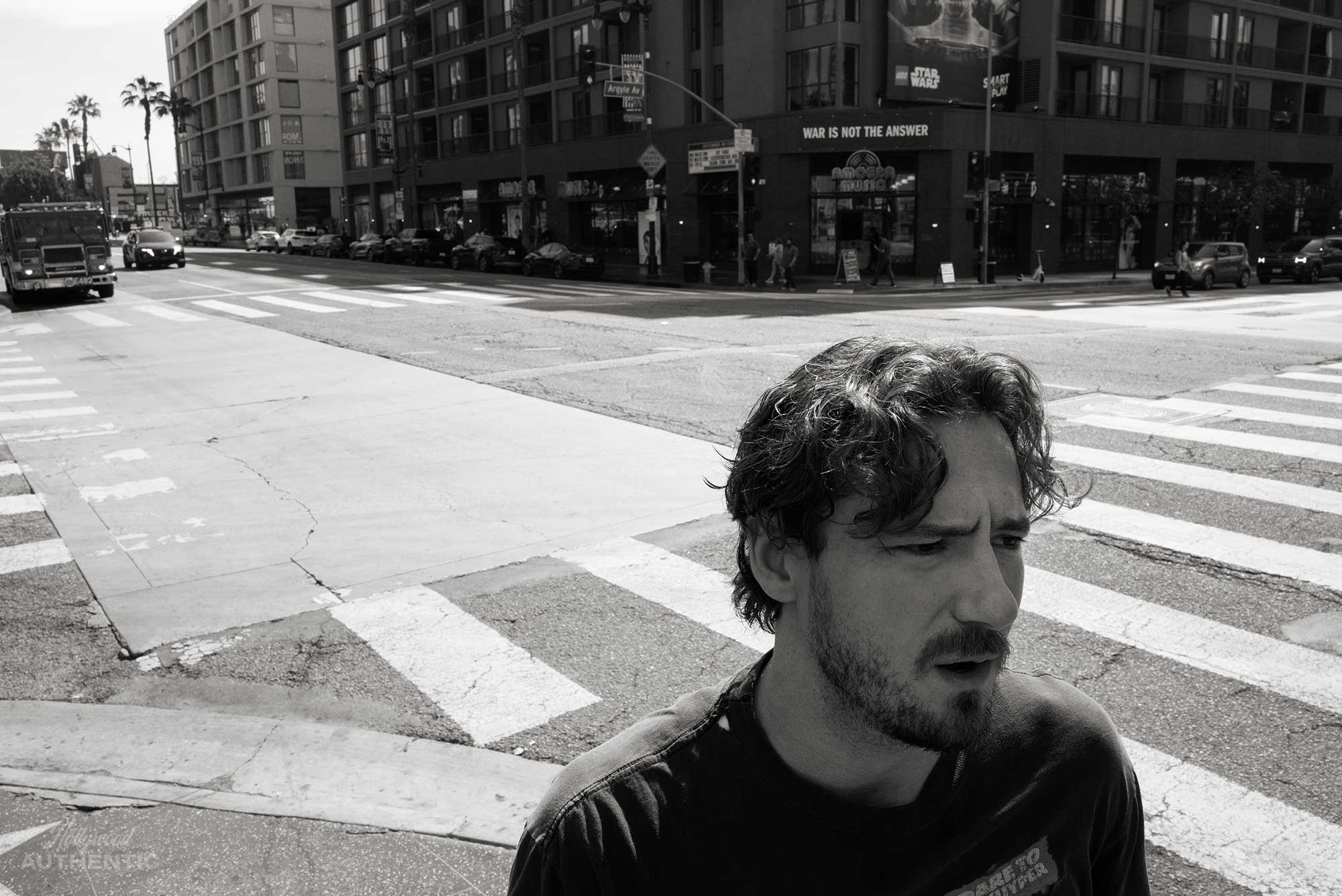
He begins to play and despite his protests, he’s great – his triple pedals tight and using his hands on the snare. ‘The first drum I ever got was a cajón so I got really into trying to incorporate hand stuff into the middle of that,’ he explains. ‘I forget I’m doing it, for a lot of that time. And that’s something that I don’t get in any other part of my life. In acting, that is what you’re seeking – right? That kind of forgetting that you’re there, that you’re doing it. Losing yourself. The brain just goes into this little fugue state, a purgatory in-between place. It’s a nice place to go.’
He’s recently been in pursuit of that fugue state in Marvel’s Thunderbolts*, The Testament of Ann Lee and the upcoming adap of the bestseller, Remarkably Bright Creatures. Lewis plays a rootless young man in search of his father who befriends an OAP (played by Sally Field) with a connection to the octopus in the aquarium where she cleans. ‘It sounds like something that is so specific for octopus lovers but it’s very much a universal story about found family. And Sally Field is unbelievable in it. Every day, getting to work with her was like going into the boxing ring. You’re just way below the weight class. She doesn’t settle for anything but the total truth. So if anything felt like a lie or a fib, she would really be adamant about tapping into the truth. It was like when I worked with Jeff Bridges. He loves asking questions, and philosophising, and mulling it around a lot – which I find really helpful. I think it’s cool to be able to work with actors of all different generations, because everyone has different styles.’
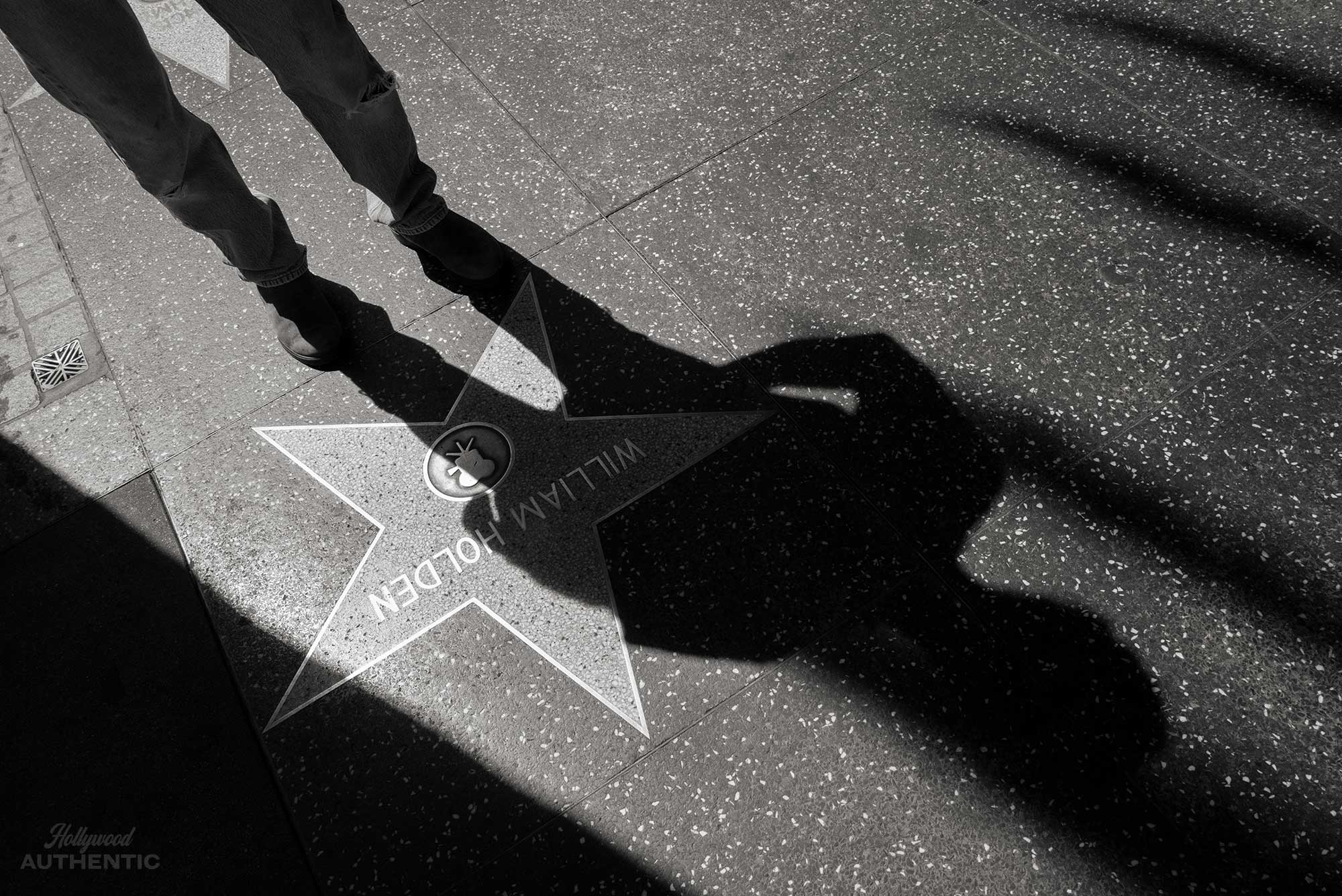
His experiences playing Bob in Top Gun Maverick, and Bob in Thunderbolts* as well as the upcoming Avengers: Doomsday, were similarly educational moments. ‘Doomsday was such an experience – one of those ones where you’re literally trying to open your eyes as wide as possible, to just soak it all in. It’s one of the most massive movie sets I’ve ever set foot on, but you wouldn’t know it with how the Russo brothers operate. Despite it being this massive thing, it always felt like we were doing something that was trying to capture something in the room. It was there, regardless of the kind of scale. I never would have thought I would be in a movie like Top Gun or in a Marvel movie. Sometimes I wish I was a better planner or manifester. But also I never would have dreamed to manifest either of those things. So, keeping it open in some ways has been a gift for me, just because I love those experiences. And yes, they’re big, huge movies, but they’re so different. The characters are so different, despite them sharing the exact same name – I think I’ve tapped out on playing another Bob there.’
He’s just produced his first movie under his Buckwild production company shingle, directed by his friend, Graham Parkes, and co-starring Maya Hawke – they premiered it at SXSW earlier in the week. It follows Lewis and Maya as a couple whose harmony or disharmony affects the world around them (fighting equals earthquakes, stocks crashing, the Dodgers losing). Describing the film as a ‘surreal rom-com-dram’, Wishful Thinking was born out of an ambition to give himself a role ‘other people weren’t giving me the opportunity to do’ – namely, playing a romantic lead. ‘You do a movie like that because you wouldn’t normally be cast in it, you know? Maybe you haven’t done it, so they can’t imagine you doing it. It’s not a short cut. It’s a long cut. But it’s the only way to garner any sort of control.’ He’s also working with his Maverick Doomsday castmate Danny Ramirez on his writing and directorial debut, soccer movie Baton. ‘He’s got a serious plan, and he sticks to it, and it really serves him. It’s just amazing to see him directing and writing and producing and starring.’ Does Lewis think he might want to move into directing, too? ‘I see what it takes to do it well, and I know myself well enough to know that I don’t think I have that gene. Also, I’ll probably die not having figured acting out. I don’t need more on my plate than that. I’m still trying to figure that out.’
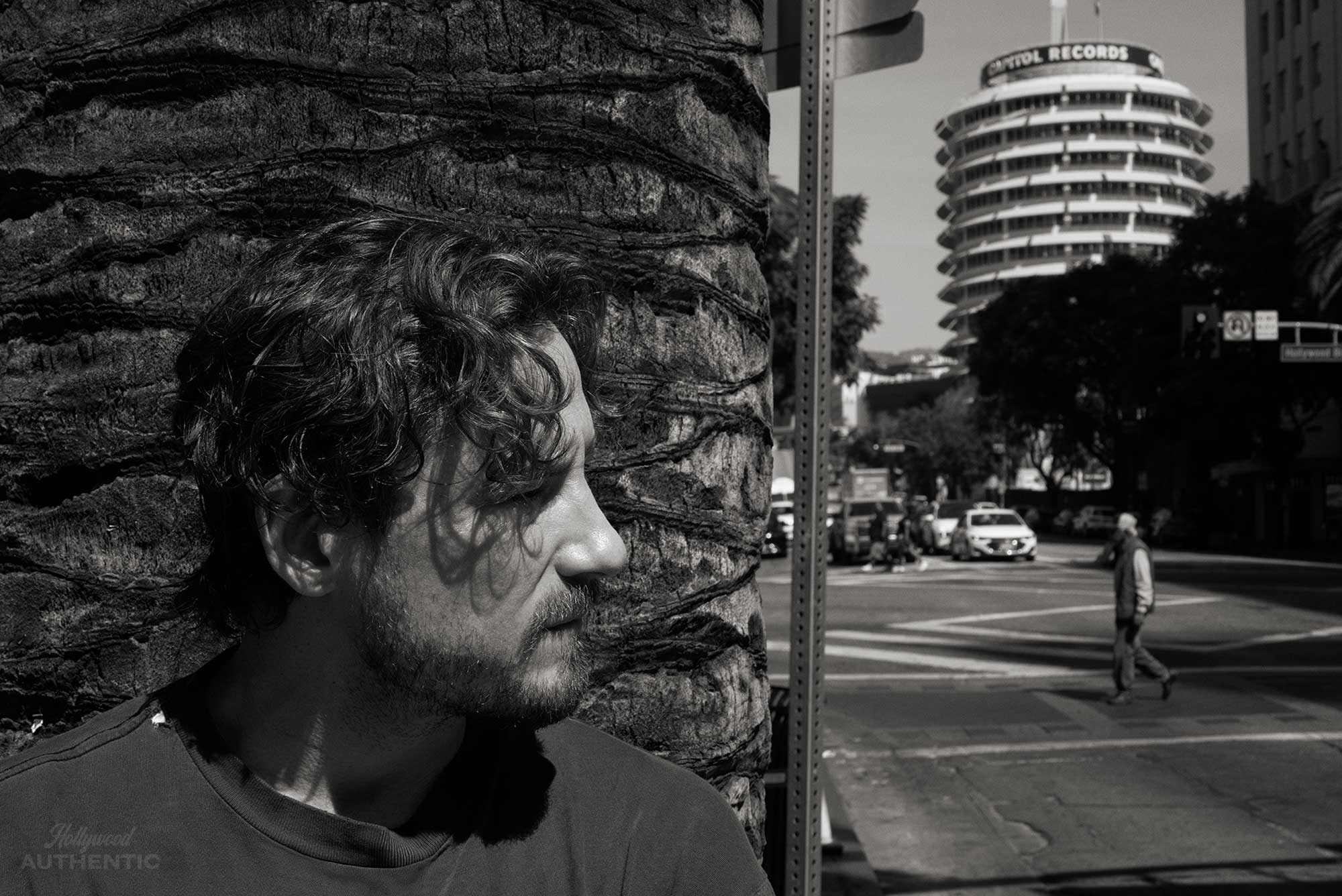
With that in mind, he’s looking for projects he describes as ‘never right down the line, off-kilter, off-balance’. As he packs up his drumsticks he considers how his move into producing will affect the choices he makes in roles. ‘I don’t want to spend three months of my life doing something that I could watch, or play a role that I’ve seen somebody else do, or play a role that I know somebody else could do better than me. So it’s about finding the ones where I have something to say, and I can say it in this part right now. That can change month to month, you know? I’m realising that the project that I might be perfect for today, I might not be for tomorrow. But it’s really touching base with that grain of truth, when you’re like, “I know I can do something that nobody else can do right now.” Being able to say that, and with pride, is empowering…’
Photographs by GREG WILLIAMS
Interview by GREG WILLIAMS & JANE CROWTHER
Remarkably Bright Creatures is on Netflix now, Avengers: Doomsday is in cinemas 18 December, Wishful Thinking and Baton will release soon, Spaceballs 2 is in cinemas 23 April 2027
Thanks to Hollywood Rehearsals
www.hollywoodrehearsals.com